
From the Diaspora
Heartbreaking! 18-Year-Old Ghanaian Fatally Stabbed in Disorder Outside Coventry Library

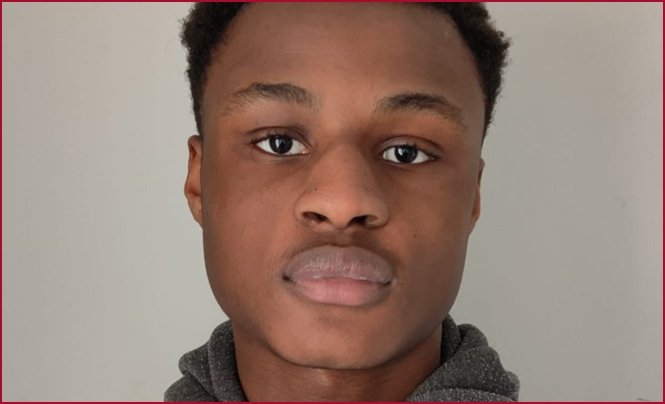
Coventry, United Kingdom – February 24, 2026 – An 18-year-old Ghanaian national, Michael Ababio, has died after being stabbed during an incident of disorder outside Foleshill Library on Broad Street in Coventry.
According to West Midlands Police, the fatal attack occurred at approximately 21:40 GMT on Sunday, February 23, 2026. Emergency services rushed Ababio to hospital, where he was pronounced dead in the early hours of Monday morning, according to West Midlands Police.
A 19-year-old man, also found nearby with stab wounds and taken to hospital, was subsequently arrested on suspicion of murder. Police have not released further details about the suspect or the precise circumstances leading to the stabbing.
Ababio’s twin brother issued a heartfelt tribute on behalf of the family, describing the profound loss: “He aligned with everything that I liked. Words cannot express the pain we are all feeling right now.” He added, “Michael was more than just a brother, he was my second half… You will be greatly missed. Our family will never be the same, but we hope you’re in a better place now.”
Detective Superintendent Jim Munro of the force’s homicide team appealed for information:
“If you saw what happened, or you know why someone may have wanted to hurt Michael, please do the right thing for his family and let us know.”
Authorities are also investigating a separate incident of disorder on nearby Foleshill Road about 20 minutes after the fatal stabbing, though they do not believe it is directly connected. Four individuals were arrested in relation to that event; one has been charged with assault and remanded in custody, while the others have been bailed pending further inquiries.
The tragedy has sent shockwaves through the Ghanaian diaspora community in the UK, highlighting ongoing concerns about youth violence and knife crime in parts of Coventry. Police continue to urge anyone with information to come forward.











From the Diaspora
Ghanaians and Other Africans in UAE Flood Social Media with Videos as Iranian Missile Strikes Hit Dubai

Dubai / Accra – March 2, 2026 – Ghanaians and fellow Africans living in the United Arab Emirates have taken to social media in large numbers, posting raw, real-time videos and emotional accounts capturing the chaos and fear after an Iranian missile strike reportedly struck parts of Dubai on Saturday night, March 1, 2026.
The attack, widely seen as direct retaliation for earlier US–Israeli airstrikes on Iranian targets that killed Supreme Leader Ayatollah Ali Khamenei, has caused shattered windows, scattered debris, and widespread panic in residential and commercial areas.
Trending clips shared by Ghanaian residents show women wailing as glass from apartment windows rains down, children crying, and streets filled with people fleeing or sheltering in place. One widely circulated video features a Nigerian man in Bahrain reflecting on the irony of his journey:
“In my country in Nigeria, the wars were fought with AK47, but I ran away from that just to come and face war with heavier weapons—bombs and missiles.”
Similar footage from other African nationals in Dubai and nearby emirates shows sirens blaring, explosions echoing in the distance, and residents documenting damage to homes and hotels—including the iconic Burj Al Arab, hit by debris from an intercepted drone.
Many videos are accompanied by captions expressing disbelief, fear, and calls for safety: “We are Ghanaians in Dubai—please pray for us,” one user wrote alongside footage of a cracked building facade.
The Ghana Embassy in Abu Dhabi and the Ministry of Foreign Affairs have urged nationals in the UAE, Qatar, Bahrain, Kuwait, and other affected countries to remain indoors, avoid unnecessary movement, steer clear of military sites and crowded areas, keep travel documents ready, and register with diplomatic missions. Emergency lines remain active: +233 240 913 284 / +233 240 793 072.
The crisis has severely disrupted daily life and commercial activity. UAE airspace remains closed, Dubai International Airport and Al Maktoum International are suspended, and major airlines including Emirates, Etihad, and Qatar Airways have cancelled or diverted flights. Cruise operations in the region have also been halted.
For Ghana’s large diaspora in the Gulf—many working in construction, hospitality, retail, and domestic services—the situation has created intense anxiety over personal safety, job security, and the ability to send remittances home.
The surge in user-generated videos from Africans on the ground has provided real-time insight into the human impact of the conflict, amplifying calls for urgent de-escalation and safe evacuation options.
From the Diaspora
Ghanaian-Heritage Scientist AJ Addae Develops Breakthrough Sunscreen That Protects Darker Skin Without White Cast
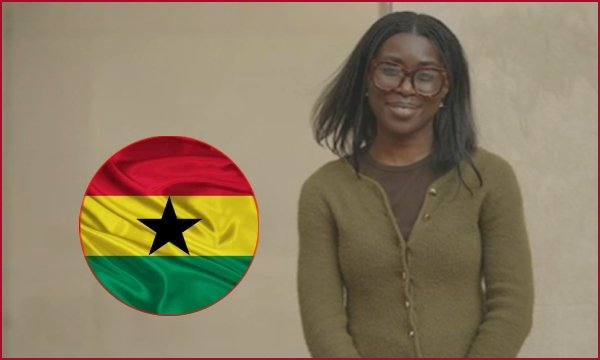
LOS ANGELES — A scientist of Ghanaian heritage at University of California, Los Angeles (UCLA) has developed a groundbreaking zinc-oxide sunscreen formula designed to protect darker skin tones without leaving the chalky white residue that has long discouraged use.
AJ Addae, a chemical biology researcher and cosmetic entrepreneur, says her innovation addresses both a scientific and public-health gap — improving sun protection accessibility while helping reduce skin cancer risks among people with deeper complexions.
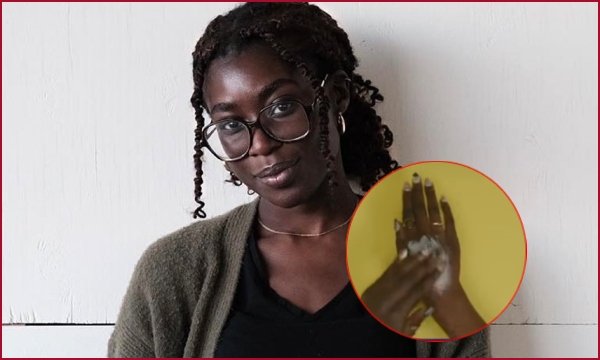
Solving a Long-Standing Problem
Zinc oxide sunscreens are widely considered effective and safe, but their visible white cast has historically made them unpopular among people with darker skin tones.
“They leave this white cast on my skin, and it deters me from wanting to use sunscreens,” Addae said, explaining what first motivated her research.
Public health experts explain that this cosmetic drawback has had real consequences. When people avoid sunscreen due to appearance concerns, they face greater exposure to harmful ultraviolet radiation and increased skin cancer risk.
“The best sunscreen is one that you’ll actually wear,” Addae said. “That’s really where my motivation came from.”
A Scientific Breakthrough
Working alongside UCLA researchers and international collaborators, Addae investigated why traditional zinc oxide formulas appear white.
Scientists determined that conventional sunscreens contain round zinc oxide particles that clump together, scattering visible light and creating the chalky effect.
The team instead developed a novel “tetrapod” shape — zinc oxide particles with tiny leg-like extensions that prevent clumping and allow smoother, more even dispersion on skin.
Research published through the American Chemical Society confirmed the new formula offers UV absorption comparable to existing zinc oxide sunscreens.
A Greener and Inclusive Innovation
In addition to eliminating the white cast, the new sunscreen technology offers environmental benefits. The tetrapod zinc oxide does not require solvents, making production more sustainable.
Because zinc oxide is already an FDA-approved UV filter, experts say regulatory hurdles for bringing the product to market may be less complex than introducing entirely new chemical filters — none of which have been approved in the United States since 1999.
Addae is now working with UCLA to commercialize the technology.
Expanding Protection for All
The breakthrough carries broader implications for health equity, particularly among communities historically underserved by cosmetic and dermatological industries.
By making sunscreen more wearable for people of color, researchers say innovations like this could improve prevention of sun damage and skin cancer worldwide.
Addae hopes the technology will encourage wider adoption of daily sun protection.
“I think it’s a good step in the right direction for getting everyone to wear sunscreen and prevent skin cancer,” she said.
From the Diaspora
Fear Grips African Students in the UK After Nigerian’s Death Sparks Fresh Fears Over Chronic Illness
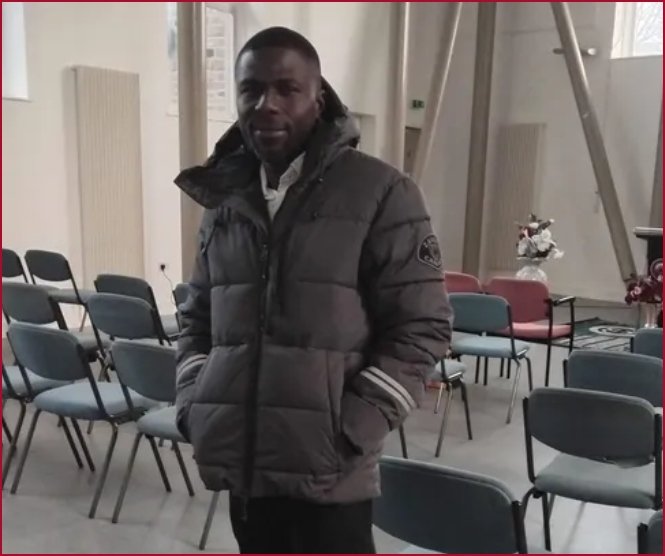
The death of a Nigerian postgraduate student in the United Kingdom has triggered concern within the diaspora over rising cases of chronic illnesses among Nigerians living overseas.
Douglas Izevbigie, 37, died on January 21 at a UK hospital after battling an aggressive form of leukaemia, according to details shared in a fundraising appeal created following his passing.
The GoFundMe campaign was organised by a woman identified as Sephora, who described herself as a colleague of the deceased’s sister. The fundraiser aims to help the family cover funeral expenses and related costs.
Illness during studies abroad
Izevbigie had travelled to the UK in 2024 as an international student to pursue a master’s degree at Sheffield Hallam University. He was diagnosed with an aggressive form of leukaemia midway through his studies last year and spent extended periods in hospital due to complications.
Despite his illness, he reportedly continued trying to keep up with his academic work.
According to the fundraising appeal, Izevbigie was found unwell and unresponsive in his room by his sister before being rushed to an emergency department, where he later died despite urgent medical care.
The loss has been particularly devastating for his sister, Kate, who had recently lost their mother in Nigeria and had served as his primary support throughout his illness.
Burial plans and fundraising
Organisers said the family intends to bury him in the UK because of the high costs associated with repatriating his remains to Nigeria.
“We are raising money to cover Douglas’ funeral expenses here in the UK,” the appeal stated, noting that repatriation costs would be “far too expensive.”
Growing concerns among diaspora
News of his death sparked widespread discussion among Nigerians living in Britain, many expressing alarm over what they described as a pattern of chronic illness diagnoses among migrants.
Some social media users called for greater medical awareness, urging Nigerians relocating abroad to undergo thorough health checks upon arrival and register with local healthcare providers promptly.
Others questioned whether cases of illnesses such as leukaemia may go undetected in Nigeria due to limited diagnostic access.
Another recent death
Izevbigie’s passing comes days after another Nigerian in the UK, footballer Saburi Adeniji, died following a severe brain stem injury. His death also prompted public appeals for support and prayers.
Together, the incidents have intensified conversations within the Nigerian diaspora about health awareness, early diagnosis, and access to medical care for citizens living abroad.



-

 Ghana News1 day ago
Ghanaian’s Terrifying Experience as Missile Explodes Amid Escalating Middle East Tensions and Other Trending Topics in Ghana (March 1, 2026)
-

 Ghana News1 day ago
Ghana’s Black Queens Stranded in UAE as Government Initiates Partial Evacuation from Tehran Embassy Amid Escalating Israel-Iran Conflict
-
 Ghana News11 hours ago
Court Slaps Barker-Vormawor with GH₵5m for Defaming Kan Dapaah and Other Trending Topics in Ghana (March 2, 2026)
-

 From the Diaspora10 hours ago
Ghanaians and Other Africans in UAE Flood Social Media with Videos as Iranian Missile Strikes Hit Dubai
-
 Ghana News1 day ago
7 Ways the Escalating Middle East Crisis Could Hit Home in Ghana
-

 Ghana News11 hours ago
Newspaper Headlines Today: Monday, March 2, 2026
-

 Ghana News1 day ago
How African Nations Are Responding to the Iran-Israel Conflict
-
 Africa Watch1 day ago
How African Nations Are Evacuating Their Nationals Amid the Escalating Middle East Crisis