
Health & Wellness
Four Things That Actually Happens to Your Body When You Train Your Core

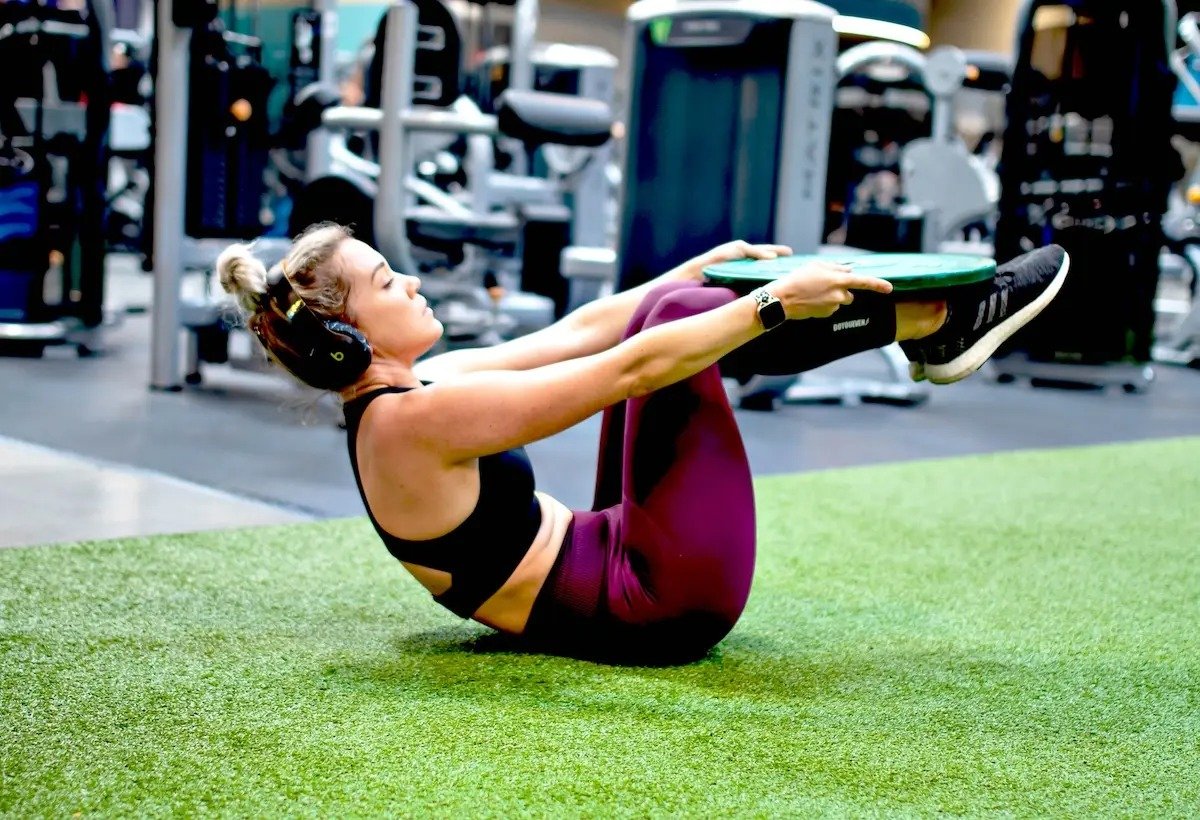
We often judge the effectiveness of a workout by how much we sweat or how sore we feel the next day, but the real magic often happens in the quiet, steady work we do to build a strong foundation. When we talk about “core exercises,” it’s easy to picture someone doing hundreds of crunches on a gym mat. However, the benefits of a strong midsection extend far beyond the aesthetic; they are the biological engine for nearly every move you make.
1. The Ultimate Postural Support System
In a world where we spend hours hunched over laptops and smartphones, our posture is under constant assault. Core exercises act as a corrective suit of armor for your spine. By strengthening the deep muscles surrounding your trunk—including the transverse abdominis and obliques—you naturally pull your shoulders back and align your pelvis. This doesn’t just make you look taller and more confident; it prevents the chronic back pain that plagues millions.
2. Supercharging Everyday Life
Have you ever felt a “tweak” in your back just from lifting a grocery bag or bending down to tie your shoes? That is a cry for core strength. When your core is engaged, it stabilizes your entire torso, allowing your arms and legs to work more efficiently. Think of your core as the cable that stabilizes a radio tower; without it, the structure wobbles. With it, you can lift, twist, and reach with power and safety.
3. The Foundation of Athletic Power
Whether you are a weekend warrior on the tennis court or a runner trying to shave seconds off your mile time, power is generated from the center out. A strong core allows for a more efficient transfer of energy between your lower and upper body. Every punch thrown by a boxer and every swing of a golf club relies on a rotational force that starts deep in the hips and torso. If that center is weak, your power leaks out before it ever reaches your limbs.
4. Balance and Stability as You Age
Core work is the secret to aging gracefully. As we get older, balance is one of the first things to decline, leading to a fear of falling. A strong core improves proprioception—your brain’s ability to know where your body is in space. This translates to steady footing on uneven sidewalks and the ability to catch yourself if you trip.
The Hidden Link: Core Strength and Fat Loss
While a strong core is vital for structure, it also plays a fascinating role in changing your body composition. If your goal is to lean out, here is how strengthening this area helps.
1. You Move Better, So You Burn More
When your core is weak, your body inhibits certain movements to protect itself from injury. You might run slower or avoid certain exercises because they feel “awkward.” A strong core removes these physical inhibitors, allowing you to push harder and longer in your cardio and strength sessions, ultimately torching more calories.
2. Increased Muscle Mass = Higher Metabolism
While you can’t spot-reduce fat from your belly, you can build muscle underneath the fat. Core exercises often involve compound movements (like planks or standing presses) that recruit multiple muscle groups. Increasing this lean muscle mass elevates your resting metabolic rate, meaning you burn more calories even when you’re sitting on the couch.
3. The “Tightening” Effect
When you strengthen the rectus abdominis and transverse abdominis, you are essentially creating a natural “corset” for your torso. As you lose body fat through a caloric deficit, the toned muscle underneath reveals a tighter, leaner appearance. You aren’t just getting smaller; you are getting more defined.
4. Better Digestion and De-Stressing
High-intensity core work stimulates blood flow to the digestive organs. Furthermore, the focus required to hold a plank or balance on a stability ball activates the parasympathetic nervous system, reducing cortisol levels. Lower cortisol means less stress-induced fat storage around the midsection.
Conclusion
Core training is the ultimate long-game investment in your health. It is the bridge between the upper and lower body, the guardian of your spine, and the secret weapon in your fitness journey. So, the next time you drop to the mat for a plank, remember: you aren’t just working toward a six-pack; you are building a resilient, powerful, and efficient body for life.

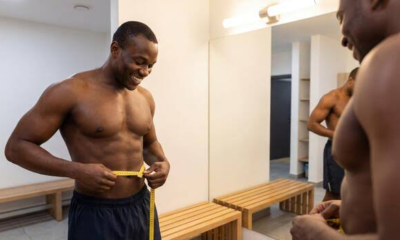





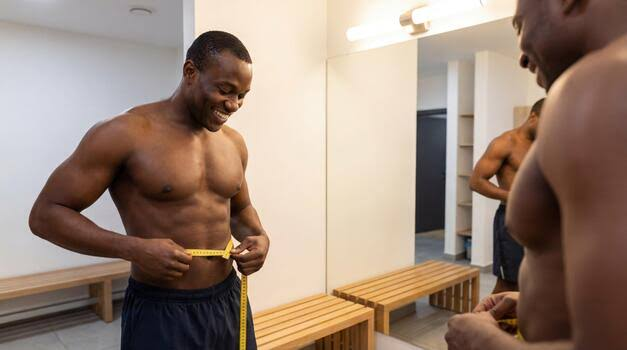
Your body may resist your new weight after weight loss. Understanding metabolic adaptation can help you build a more realistic, sustainable maintenance plan.
Imagine two people who weigh 75 kilograms. One has maintained that weight for years, while the other has recently lost 10 kilograms after weighing 85.
Although the scale shows the same number, their bodies may not respond to food and energy in exactly the same way.
For someone who has lost substantial weight, the challenge may not end when the target is reached. The body can adapt to weight loss, making long-term maintenance more difficult than expected.
When the Body Adjusts
Weight loss reduces the amount of energy the body needs because a smaller body generally requires fewer calories to function and move.
In some people, energy expenditure also falls more than expected for their new body size, a response known as adaptive thermogenesis.
Hormonal changes can contribute, too. Signals involved in hunger and fullness may shift, leaving a person feeling hungrier while their body uses less energy than before.
This does not mean the metabolism is permanently damaged. Nor does it mean everyone who loses weight must eat less than another person of the same weight for the rest of their life. The degree of adaptation varies, and individual differences in muscle mass, activity and physiology matter.
Making Maintenance Sustainable
For people in Ghana and elsewhere, the practical lesson is to treat weight maintenance as part of the journey, not an afterthought. Regular physical activity, resistance training to preserve muscle, adequate protein and filling, nutritious meals can all support long-term progress.
After losing weight, it may also help to monitor changing hunger levels, activity and weight trends without responding to every fluctuation with severe restriction.
The goal is not to fight your body through endless dieting. It is to build routines you can live with, recognising that maintaining a lower weight may require continued attention, patience and flexibility.
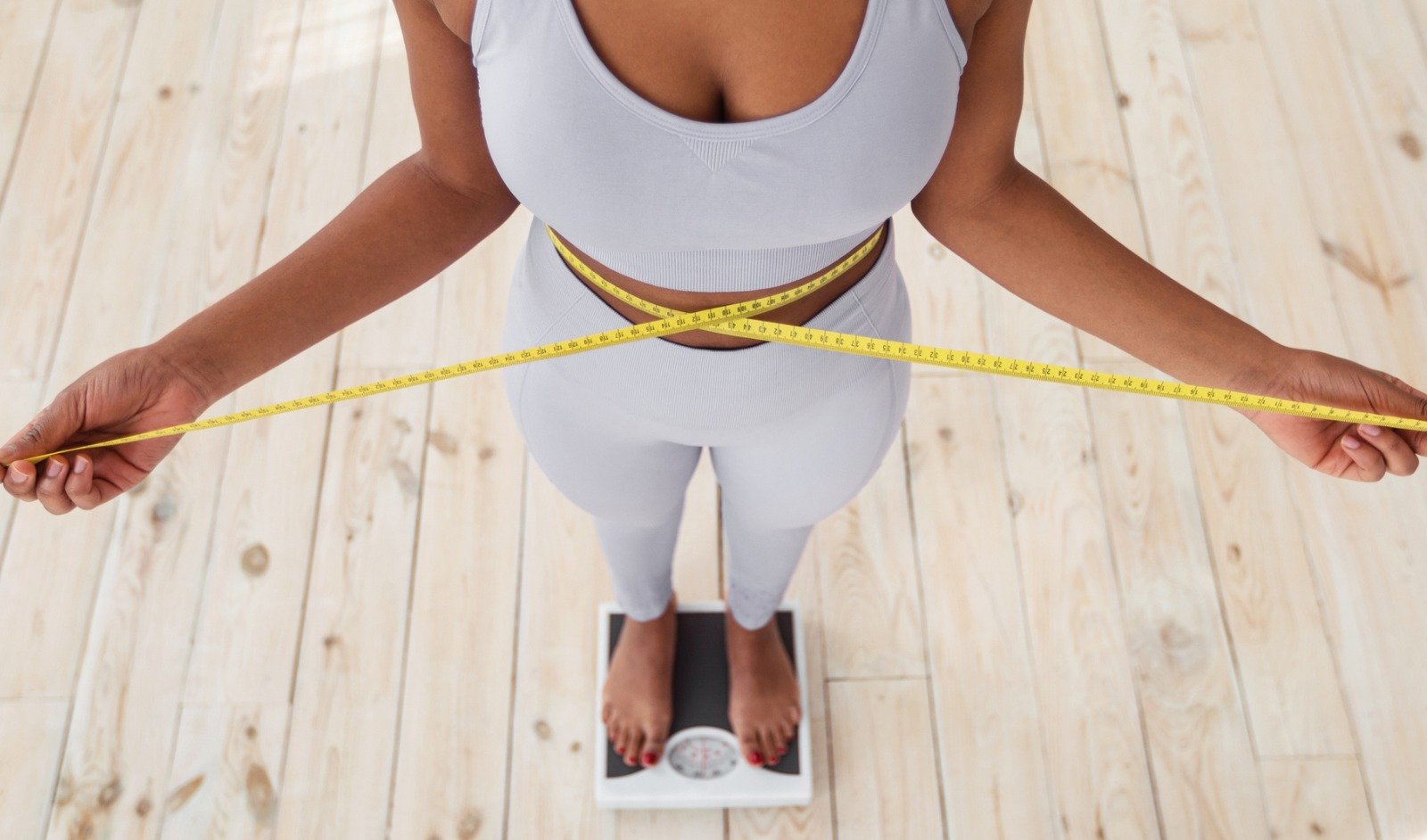
From filling your plate with nutritious foods to walking without a destination, small daily choices can help build a sustainable approach to weight management.
What if losing weight started with eating more food, not less?
It may sound surprising, but filling your plate with the right foods can make managing your weight easier. Instead of beginning with strict restrictions, a more sustainable approach focuses on everyday habits that help control hunger, manage calorie intake and keep the body moving.
Eat More Without Overloading on Calories
Volume eating is built around choosing foods that provide plenty of food for relatively few calories. Vegetables, fruits, beans and lean proteins can help make meals satisfying without pushing calorie intake too high.
For Ghanaian households, this might mean adding more kontomire, garden eggs, okra or other vegetables to meals, alongside beans, fish or lean meat. Portion sizes and cooking methods still matter, particularly when dishes contain generous amounts of oil.
Give Snacking a Second Thought
Eating between meals is not automatically unhealthy, but habitual snacking can add calories without providing much satisfaction. Establishing regular meal times and paying attention to genuine hunger may help people distinguish between needing food and simply eating out of boredom.
Intermittent fasting is optional, not essential. The aim is to develop a routine that supports adequate nutrition rather than forcing yourself to ignore hunger.
Enjoy Treats Without Losing Control
Weight management does not require abandoning favourite foods. Allowing yourself a reasonable portion of something sweet, crunchy or indulgent can make a balanced eating pattern easier to maintain. The key is enjoying it without automatically reaching for more.
Make Movement Part of Everyday Life
Walking to a nearby shop, taking the stairs or volunteering to run an errand all create opportunities to move. These activities complement planned exercise and help reduce sedentary time.
The lasting lesson is simple: sustainable weight loss is rarely built on one dramatic change. It grows from ordinary choices repeated consistently, with enough flexibility to make healthy habits part of everyday life.
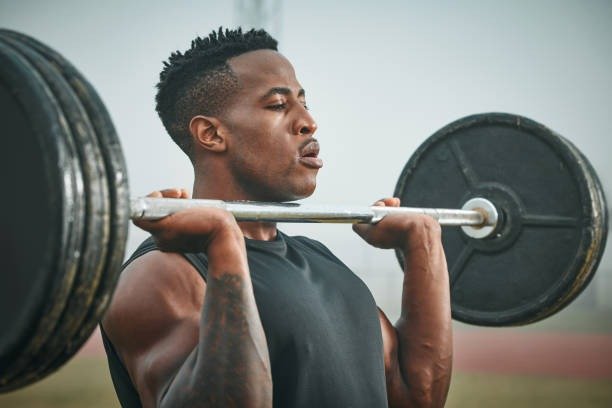
What if spending just two hours a week lifting weights could do more than strengthen your muscles?
Research examining the relationship between resistance training and longevity suggests that building strength may be an important part of protecting long-term health.
The Case for Stronger Muscles
A large observational study involving approximately 147,000 participants, with a 30-year follow-up, examined how strength-training habits were associated with mortality.
Published in the British Journal of Sports Medicine, the research found that people who reported around 90 to 120 minutes of resistance training weekly experienced particularly favourable associations with longevity compared with those who did none.
The analysis reported a 13 per cent lower risk of death from all causes, a 19 per cent lower risk of cardiovascular mortality and a 27 per cent lower risk of neurological disease mortality among the relevant strength-training group.
These figures are encouraging, but they do not prove that lifting weights directly prevents death or guarantees a longer life. Observational studies identify associations, and other lifestyle factors may contribute to the results.
Making Strength Part of Everyday Life
Strength training does not have to mean lifting heavy barbells in an expensive gym. Squats, wall push-ups, resistance bands and exercises using manageable dumbbells can help build strength at home.
Carrying groceries or rising from a chair may seem ordinary, but maintaining the strength needed for such tasks becomes increasingly valuable with age.
For adults in Ghana balancing work, family responsibilities and long commutes, short, consistent sessions can be a practical starting point. Beginners should choose manageable resistance, focus on proper technique and increase difficulty gradually.
An Investment in the Years Ahead
Walking and other aerobic activities remain important for heart health, but strength training deserves a place alongside them. The goal is not simply to look stronger today; it is to preserve mobility, independence and physical capacity for the future.
Two hours a week may be a worthwhile investment in a healthier ageing journey.


Funding Fears Loom For Ghana’s Life-Saving Malaria Vaccine Five Years After Roll Out

‘There was a Coordinated Disclosure Plan’: AI-Discovered Flaw in PHP Triggers Global Internet Chaos as Cybercriminals Race to Exploit It

Yandex Strikes: Can Moscow Host Africa Under Drone Threat?
-

 Sights and Sounds2 days ago
Mind Craft Camps Accra Turns School Holidays into Adventures in Creativity and Discovery
-

 Ghana News5 hours ago
Major Sexual Abuse Scandal Rocks Ghana High School: Obuasi School Headmaster Sues Journalist for GH¢2 Million as Investigation Into Alleged Misconduct Widens
-

 Reels & Social Media Highlights21 hours ago
Ghana’s Digital Heartbeat: Outrage, Satire, and the Fight for Accountability
-

 Festivals & Events9 hours ago
Compozers Fest Ghana Edition: Welcoming 2027 with Music in Accra
-

 Taste GH9 hours ago
Airport Residential Area: Where Accra’s Dining Scene Meets Global Flavours
-

 Fashion & Style1 day ago
Wyclef Jean Gives Ghanaian Kaftan a Global Spotlight After ‘Chineke’ Fashion Inspiration
-
 Health & Wellness1 day ago
Beyond Bigger Muscles: Why Strength Training Matters for Healthy Ageing
-
 Health & Wellness21 hours ago
Four Everyday Lifestyle Habits That Can Make Weight Loss Easier