
Fashion & Style
The “Kente Clause”: How Ghanaian Textiles Rewrote the Rules of Red Carpets and Royalty

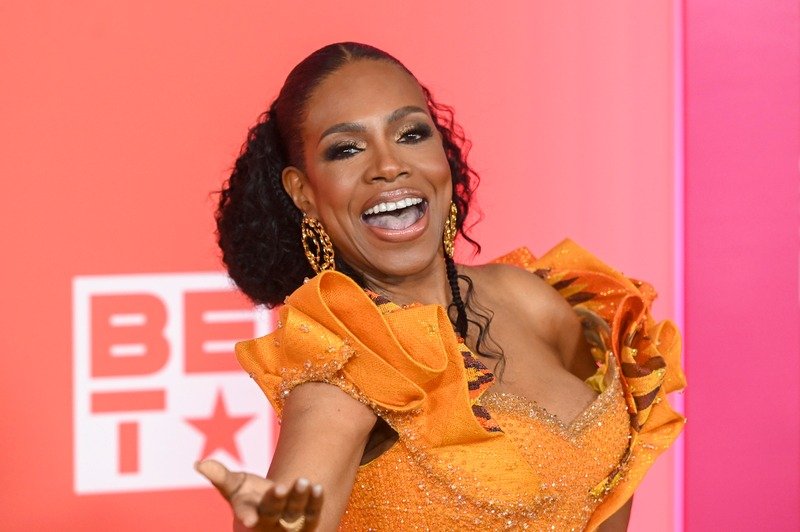
For centuries, if you wanted to signal that you had arrived—truly arrived—you slipped into something by a French fashion house. Paris and Milan dictated what royalty wore to galas and what stars wore to award shows. But lately, the most powerful garment on the planet isn’t coming down a runway in Europe. It is coming from a loom in Bonwire or a design house in Accra.
We are living through a quiet revolution in global fashion. You can call it the “Kente Clause”—an unwritten rule that says if you want to make a statement about power, heritage, or identity on a world stage, you are now likely to do it in Ghanaian cloth. Whether it is a Duchess stepping out in a handwoven stole, a musician accepting a Grammy in bold print, or an artist using recycled wood to tell stories of the diaspora, Ghanaian textiles are no longer just “traditional attire.” They have become the new language of luxury and political weight.
The Royal Seal: More Than Just a Pattern
When Meghan Markle walked into the Africa Centre in London in 2022 wearing a custom shirt dress in a vibrant kente print, the internet did what it always does—it debated the politics of it. Was it appreciation? Appropriation? A calculated nod?
But for those who know the fabric, the story went deeper than the headlines. Kente is not a generic “African print.” It is a textile with royal blood. Historically, certain patterns, such as Adweneasa (meaning “my skills are exhausted”), were reserved for the highest officeholders. When Meghan wore it, she wasn’t just acknowledging a continent; she was tapping into a visual history of sovereignty.
This is the shift we are seeing. In the past, African textiles on Western bodies were often anthropological curiosities. Today, when celebrities choose a custom kente gown over a standard Versace slip dress, they are rewriting the dress code of celebrity. They are saying that heritage has more currency than hype.
Weaving a New Economy
This global hunger for authenticity isn’t just about red carpet photos; it is sending ripples back to the weavers’ villages. For a long time, the people who actually made these masterpieces were the invisible hands behind the luxury. That is changing.
Take the recent announcement from Ghana’s Foreign Minister, Samuel Okudzeto Ablakwa. He revealed that ECOWAS foreign ministers have specifically requested fugu (smocks) made in their national colours for upcoming summits. Think about that. Diplomats, whose uniform is usually a stiff suit and tie, are choosing to sit around negotiation tables wrapped in Ghanaian handiwork. This isn’t fashion; this is soft power.
We are also seeing institutional efforts to protect this legacy. The launch of the Royal Kente Gala 2025 in Kumasi, held with the blessing of the Asantehene, is a direct response to the global demand. The mission is twofold: to preserve the sacred traditions by building modern weaving centres in communities like Adanwomase, and to ensure that when the world comes calling for kente, it is the authentic, handwoven product—not a mass-produced imitation—that answers. As Kwame Nyame of ROKWESA put it, “It is our story, pride, and legacy”.
The Diaspora Comes Home
The most interesting part of this story, however, isn’t happening on a runway or at a diplomatic gathering. It is happening in the hands of artists reinterpreting the cloth itself.
Consider the work of Ato Ribeiro, exhibited at the Museum of Contemporary Art of Georgia. Ribeiro doesn’t weave with thread; he weaves with discarded wood scraps collected from carpentry workshops. By translating Kente patterns like ntata (chevron) into wooden sculptures, he comments on the extraction of African resources while simultaneously building a bridge for the diaspora. He uses the grid of Kente—traditionally a fabric for royalty—as a “framework upon which to weave diasporic stories” .
This is the “Kente Clause” in its purest form. It is a clause that grants permission to Black people everywhere to claim a piece of the throne. When a young professional in Atlanta wears a kente stole at their graduation, they are participating in a tradition that was once the exclusive domain of kings, re-purposed for a new generation of leaders .
Appreciation vs. Appropriation
Of course, with great exposure comes great risk. When Virgil Abloh used kente patterns in his Louis Vuitton menswear, it sparked a fierce debate. Abloh, whose grandmother was Ghanaian, defended the collection by saying, “Provenance is reality; ownership is a myth”.
But for the weavers back home, ownership isn’t a myth—it is their livelihood. The Ghanaian market is flooded with cheaper, machine-printed versions made in China, which undercuts the labor-intensive work of master weavers who spend weeks on a single cloth. This is why initiatives like the proposed BataKente concept are so crucial. By pushing for certification and standardization, Ghana is fighting to ensure that when the world buys “Kente,” it is buying the real story, not a cheap copy.
The Fabric of the Future
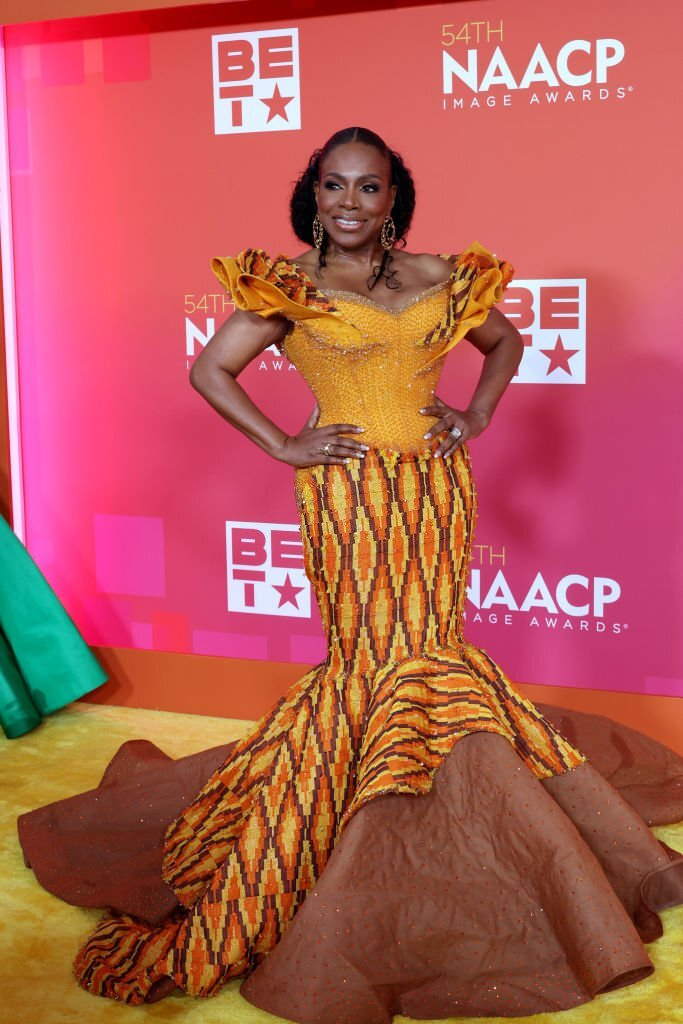
So, what happens when a textile moves from the palace to the global stage?
The future looks like Aristide Loua’s brand, Kente Gentlemen. An Ivorian designer showing at Lagos Fashion Week, Loua uses hand-crafted fabrics from weaving communities and gives them silhouettes that could walk down any street in Tokyo or New York. It looks like weavers in Agotime are embracing ICT skills to design patterns that appeal to modern weddings and celebrations, proving that tradition isn’t static—it evolves.
Ghanaian textiles are no longer just something you wear to a funeral or a wedding at home. They have become a diplomatic tool, a red-carpet statement, and a canvas for diasporic healing. The “Kente Clause” ensures that in a world hungry for meaning, the cloth woven by our ancestors will continue to dress the future.









Fashion & Style
Wyclef Jean Gives Ghanaian Kaftan a Global Spotlight After ‘Chineke’ Fashion Inspiration
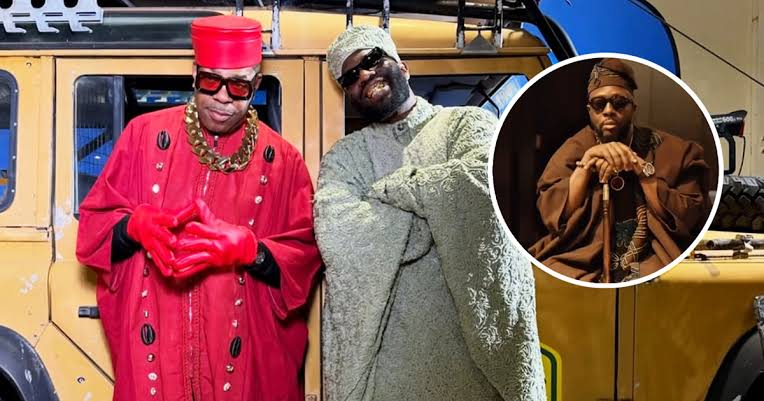
Wyclef Jean is making a statement in African fashion, proving that a striking outfit can carry a message far beyond appearance.
The Grammy-winning musician has showcased an embroidered Ghanaian kaftan inspired by the regal traditional looks worn by Busta Rhymes and Tobe Nwigwe in their Chineke music video, bringing Ghanaian craftsmanship and cultural symbolism into an international fashion conversation.
The chocolate-brown ensemble features intricate cream embroidery, green detailing and a flowing silhouette, complemented by dark sunglasses and a statement pendant necklace.
A particularly meaningful detail is the Gye Nyame Adinkra symbol embroidered on the upper right arm. Representing the supremacy of God, the symbol is widely recognised in Ghana and gives the outfit a distinct cultural identity.
While the Chineke video draws on Yoruba Nigerian traditional styling, Wyclef’s interpretation highlights Ghanaian fashion through the decorated kaftan.
The distinction illustrates how African-inspired fashion can travel across borders while retaining connections to individual cultural traditions.
Known for his work with the Fugees and solo hits such as Gone Till November, Wyclef has long occupied a space where music, personal expression and cultural identity intersect. This latest fashion moment continues that conversation.
The inspiration comes from CHINEKE, the collaboration between Nigerian-American rapper Tobe Nwigwe and hip-hop legend Busta Rhymes, released on October 9 as the opening track of Nwigwe’s album The Bridge. Its visual presentation celebrates heritage through bold styling and imagery.
Wyclef also paired his outfit reveal with a reflection on freedom, writing: “Freedom is using the present to rewrite the future that the past tried to steal from us.”
By choosing a Ghanaian kaftan, Wyclef turns a fashion reference into something more personal: a statement about heritage, creative freedom and the power of African style to speak to the world.
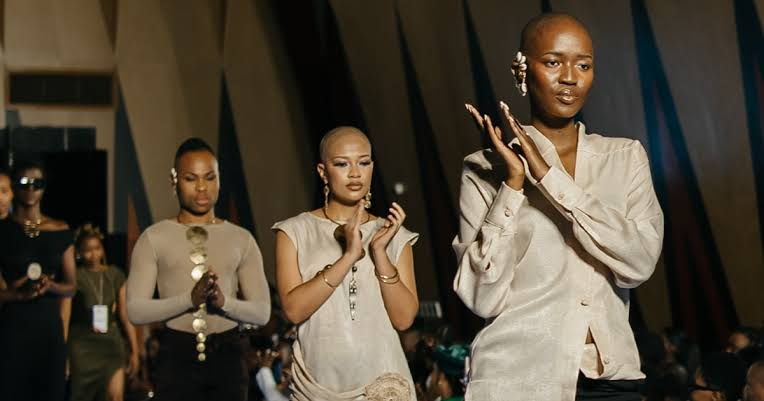
African fashion made a statement in Maputo, Mozambique, where Fancy Africa 2026 celebrated a decade of creativity with a message that reached beyond the runway: cultural identity deserves both recognition and commercial opportunity.
Held from 28 September to 3 October at the Centro Cultural Moçambique-China, the event brought together designers, models and industry professionals under the anniversary theme, “Ubuntu: Temos História. Somos Cultura. Africa Rise” — a celebration of shared history, culture and African progress.
But the 10th-anniversary edition was about more than spectacular clothing. Founder and creative director King Levi Dapper positioned Fancy Africa as a meeting point for fashion, education, entrepreneurship and cultural exchange.
The programme opened with a two-day summit featuring workshops, masterclasses, networking and a hackathon, followed by a cultural day and three days of fashion shows.
Pop-up stores, exhibitions and the Fancy Bazaar gave visitors additional opportunities to engage with African creativity.
One of the event’s most significant developments was the Digital Fancy Store, which enabled participating designers to promote collections and begin selling before the shows. Under the announced arrangement, designers receive 85 per cent of each sale, while the platform retains a 15 per cent commission.
That commercial focus matters in an industry where talented African designers can attract attention without always having the infrastructure to turn recognition into sustainable income.
The Fancy Africa Awards extended the celebration to modelling, with South African model Tsebo Phasha, 36, winning Model of the Year through public voting.
With support from Vodacom as connectivity sponsor and Sir Motors as mobility partner, the event also highlighted the partnerships needed to grow the creative economy.
As Fancy Africa enters its second decade, its ambition is clear: African fashion should not simply inspire audiences on the catwalk. It should build businesses, create opportunities and carry the continent’s stories into international markets.
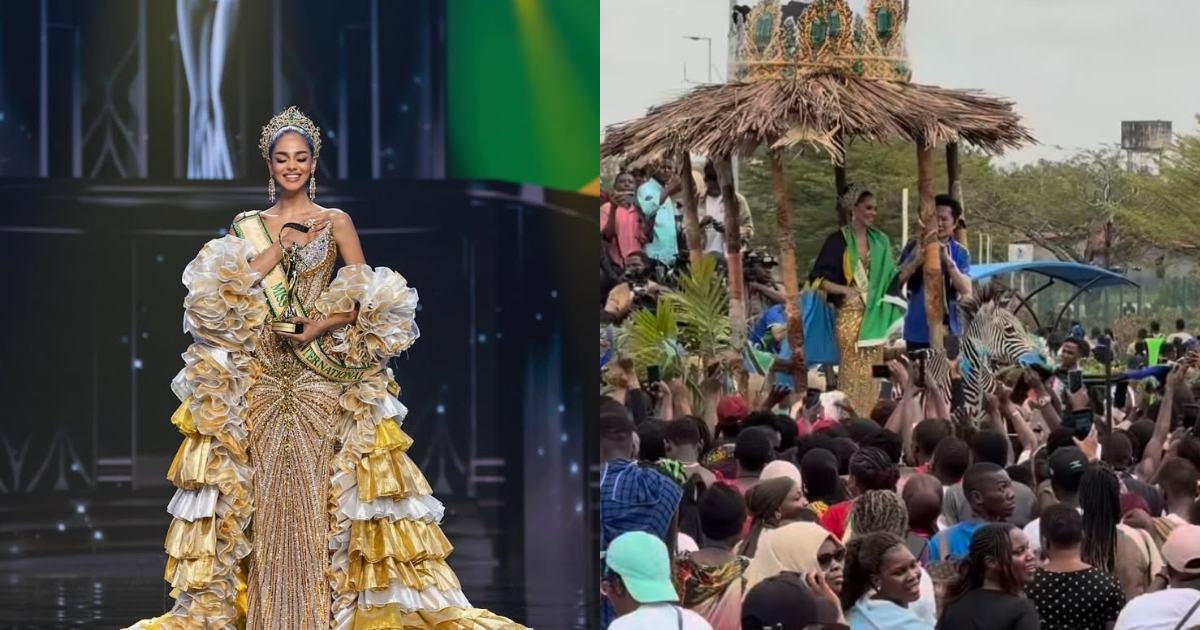
A crown can win a competition, but the welcome waiting at home can turn a victory into a national statement.
For Jihan Dimack, Tanzania’s newly crowned Miss Grand International 2026 queen, that moment arrived with cheering fans, a motorcade and a spectacular water salute at Julius Nyerere International Airport in Dar es Salaam.
The extraordinary reception transformed her return into a celebration of beauty, ambition and national identity.
As airport fire engines sent arcs of water over the arriving aircraft, the ceremonial gesture offered a striking welcome for a woman whose pageant achievement has captured the imagination of supporters across Tanzania.
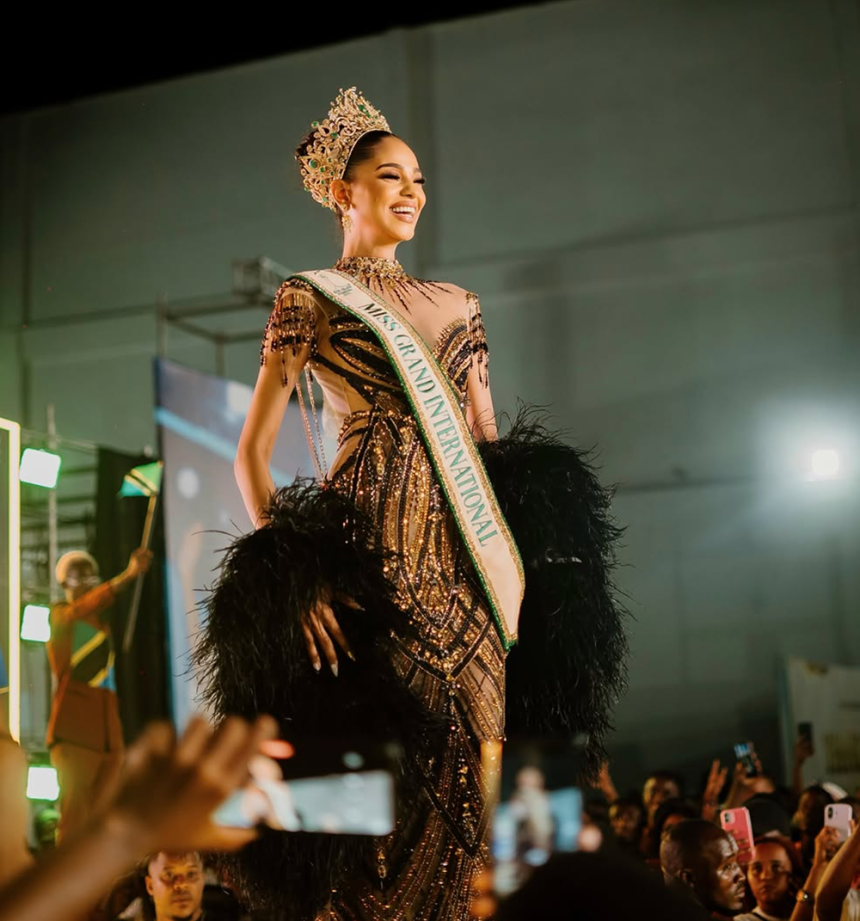
For the fashion world, Dimack’s homecoming highlights how beauty queens can become powerful cultural ambassadors.
Their influence extends beyond evening gowns, carefully styled hair and the confidence required to command an international runway.
Through their public appearances, they also represent their countries, carrying national pride into spaces where fashion, entertainment and cultural identity meet.
The motorcade and enthusiastic airport crowds gave Dimack a different kind of runway: one shaped not by judges or stage lights, but by the people celebrating her success.
The occasion demonstrated how pageantry can create a shared moment of excitement, connecting the glamour of international competition with the emotions of home.
Her achievement also offers an encouraging image for young African women who aspire to enter fashion, modelling and other creative industries.
A crown can open doors, but the visibility that comes with it can create opportunities to influence conversations about representation, confidence and ambition.
“Karibu nyumbani, Queen Jihan!” — welcome home, Queen Jihan!
With Tanzania embracing its returning queen, Dimack’s story shows that the most memorable fashion moments are not always about what a woman wears.
Sometimes, they are about what she represents when she comes home.


Funding Fears Loom For Ghana’s Life-Saving Malaria Vaccine Five Years After Roll Out

‘There was a Coordinated Disclosure Plan’: AI-Discovered Flaw in PHP Triggers Global Internet Chaos as Cybercriminals Race to Exploit It

Yandex Strikes: Can Moscow Host Africa Under Drone Threat?
-

 Ghana News14 hours ago
Major Sexual Abuse Scandal Rocks Ghana High School: Obuasi School Headmaster Sues Journalist for GH¢2 Million as Investigation Into Alleged Misconduct Widens
-

 Reels & Social Media Highlights1 day ago
Ghana’s Digital Heartbeat: Outrage, Satire, and the Fight for Accountability
-

 Festivals & Events18 hours ago
Compozers Fest Ghana Edition: Welcoming 2027 with Music in Accra
-
 Taste GH18 hours ago
Airport Residential Area: Where Accra’s Dining Scene Meets Global Flavours
-
 Fashion & Style2 days ago
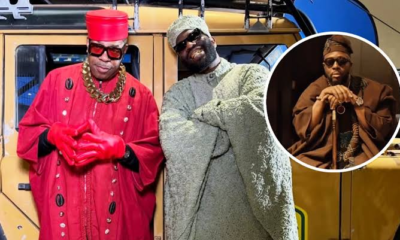
Wyclef Jean Gives Ghanaian Kaftan a Global Spotlight After ‘Chineke’ Fashion Inspiration
-

 Health & Wellness2 days ago
Beyond Bigger Muscles: Why Strength Training Matters for Healthy Ageing
-

 Health & Wellness1 day ago
Four Everyday Lifestyle Habits That Can Make Weight Loss Easier
-
 Health & Wellness18 hours ago
Why Keeping Weight Off Can Be Harder Than Losing It