
Tourism
Middle East Conflict Triggers Widespread Travel Chaos: Emirates, Qatar Airways Hardest Hit

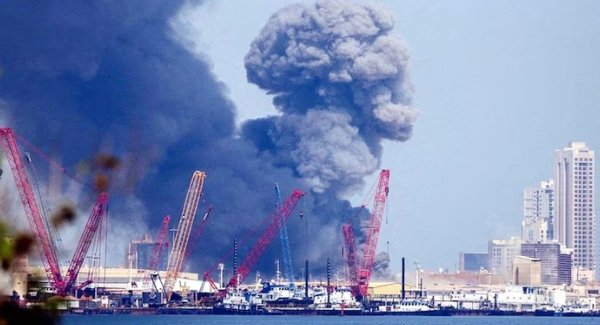
Accra, Ghana – March 1, 2026 – The escalating conflict between Israel, the United States, and Iran has plunged Middle East air travel into severe disruption, with airspace closures, mass flight cancellations, and direct hits on transport infrastructure forcing airlines and governments worldwide—including Ghana—to issue urgent advisories and activate contingency plans.
The crisis intensified after joint US-Israeli airstrikes targeted Iranian military and nuclear sites, reportedly killing Supreme Leader Ayatollah Ali Khamenei. Iran responded with missile and drone barrages across the Gulf, striking US bases, ports in Dubai and Oman, Bahrain’s navy base and airport, and residential areas in Qatar and the UAE.
Debris from intercepted projectiles damaged Dubai’s iconic Burj Al Arab hotel and injured four people at Dubai International Airport, while a fire broke out at the Fairmont the Palm after it was hit.
Aviation analytics firm Cirium reported nearly 1,600 flight cancellations to Middle East destinations by Sunday afternoon Dubai time—40% of total scheduled services. Major carriers including Emirates, Etihad, Qatar Airways, British Airways, Virgin Atlantic, and Wizz Air suspended or rerouted flights:
- Emirates halted all services to/from Dubai until 3 p.m. UAE time on March 2.
- Qatar Airways suspended Doha operations due to Qatari airspace closure, planning resumption at 7 p.m. local time Sunday.
- British Airways cancelled flights to Tel Aviv, Bahrain, and Amman until March 4, and appealed to passengers not to contact call centres unless travelling within 48 hours.
- Virgin Atlantic rerouted flights to avoid Iraqi airspace and suspended Heathrow-Riyadh services.
- Wizz Air halted services to Israel, Dubai, Abu Dhabi, and Amman until next weekend.
Cruise operations were also hit, with MSC Cruises cancelling sailings on MSC Euribia. Dubai Airports (DXB and Al Maktoum) and Abu Dhabi’s Zayed International Airport suspended all movements, advising passengers not to travel to the airport and to contact airlines directly.
Hamad International Airport in Doha confirmed the same due to Qatari airspace closure.
The UK Foreign, Commonwealth & Development Office (FCDO) hardened its advice late Saturday, urging against all but essential travel to the UAE, Qatar, Kuwait, and Bahrain, and against all travel to Israel and Palestine. British nationals were told to shelter in place in Bahrain, Qatar, Kuwait, and the UAE and register their presence.
Ghana’s Ministry of Foreign Affairs has echoed similar warnings, advising nationals against non-essential travel to and from the Middle East and urging those already in the region to remain indoors, avoid crowds and sensitive sites, and register with diplomatic missions. The ministry is monitoring the situation closely for possible evacuations.
Travel agents and tour operators reported working around the clock to rebook affected passengers, with flexible policies offered by airlines to allow changes or refunds. Industry leaders stress passenger safety as the top priority and urged travelers to check airline websites and official advisories before heading to airports.
The disruption threatens to strand thousands, disrupt business and tourism flows, and raise costs for rerouting via longer paths (e.g., around the Cape of Good Hope). For Ghanaian travelers, students, athletes, and diaspora communities in the Gulf, the situation underscores the risks of geopolitical flashpoints on international mobility.














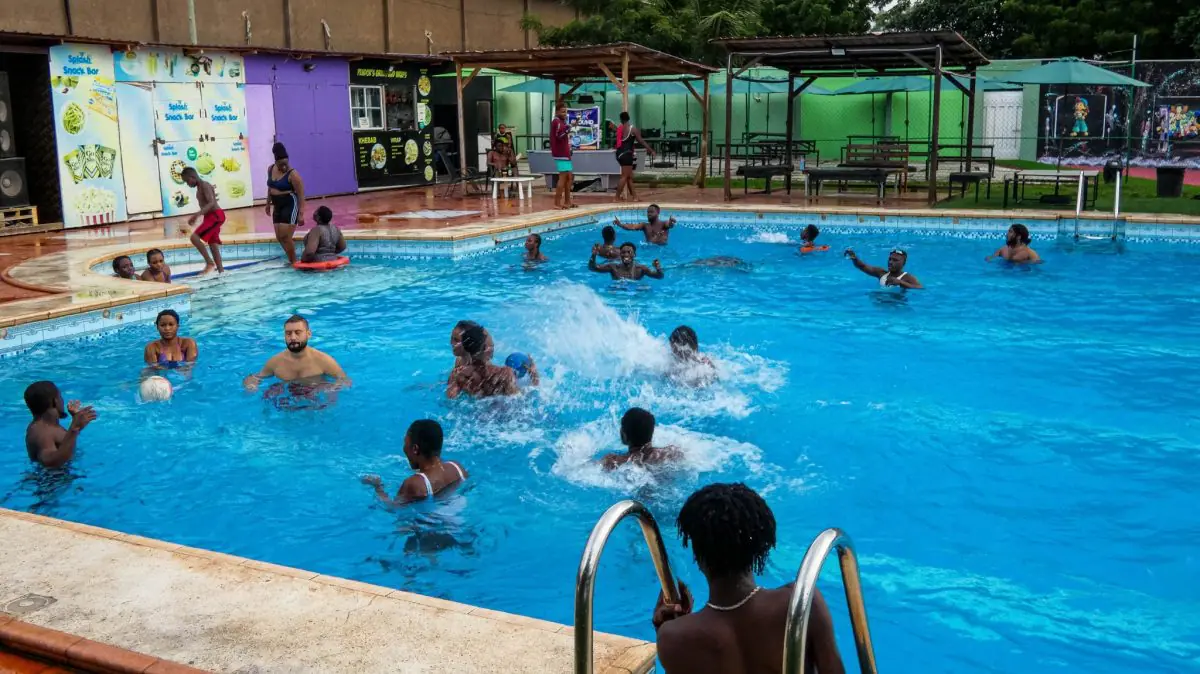
A great afternoon in Accra doesn’t always require a long drive or an expensive getaway.
Sometimes, it is hidden just off one of the city’s busiest roads, where the soundtrack shifts from traffic to music and the biggest decision is whether to dive into the pool or order a cold drink first.
Tucked off Nii Martey Tsufu Street, which runs parallel to Spintex Road, Splash Social Center has carved out a reputation as a relaxed meeting spot where families, friends and weekend visitors can cool off without leaving the city.
The centre’s biggest draw is its spacious, well-maintained swimming pool, large enough to comfortably accommodate around 30 swimmers.
Nearby, a dedicated children’s pool gives younger visitors a safer place to splash about while trained lifeguards keep watch, making it a practical choice for family outings.
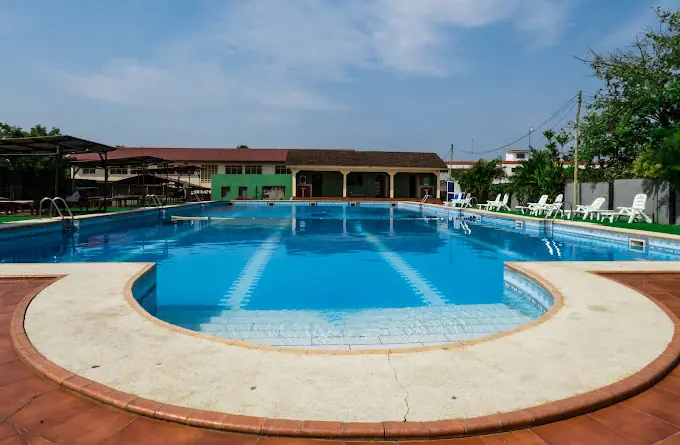
The experience extends well beyond the water. An on-site restaurant and bar serve refreshments throughout the day, while a resident DJ keeps the atmosphere lively with music that encourages guests to linger a little longer.
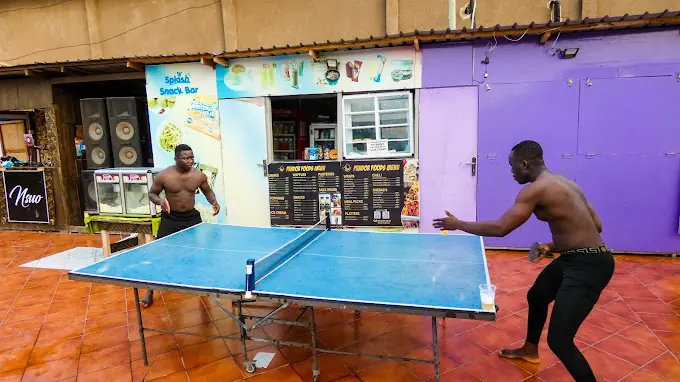
As daylight fades, the venue takes on a different energy, hosting evening events that transform the space into a social hub for Accra’s nightlife crowd.
For visitors planning a trip, entry is refreshingly straightforward. A GHS 50 admission fee includes access to the swimming pools and changing room facilities, allowing guests to settle in for an afternoon of swimming, dining and unwinding.
In a city known for its energetic pace, Splash Social Center offers something refreshingly simple: a clean, welcoming place where cooling off and catching up with friends go hand in hand.
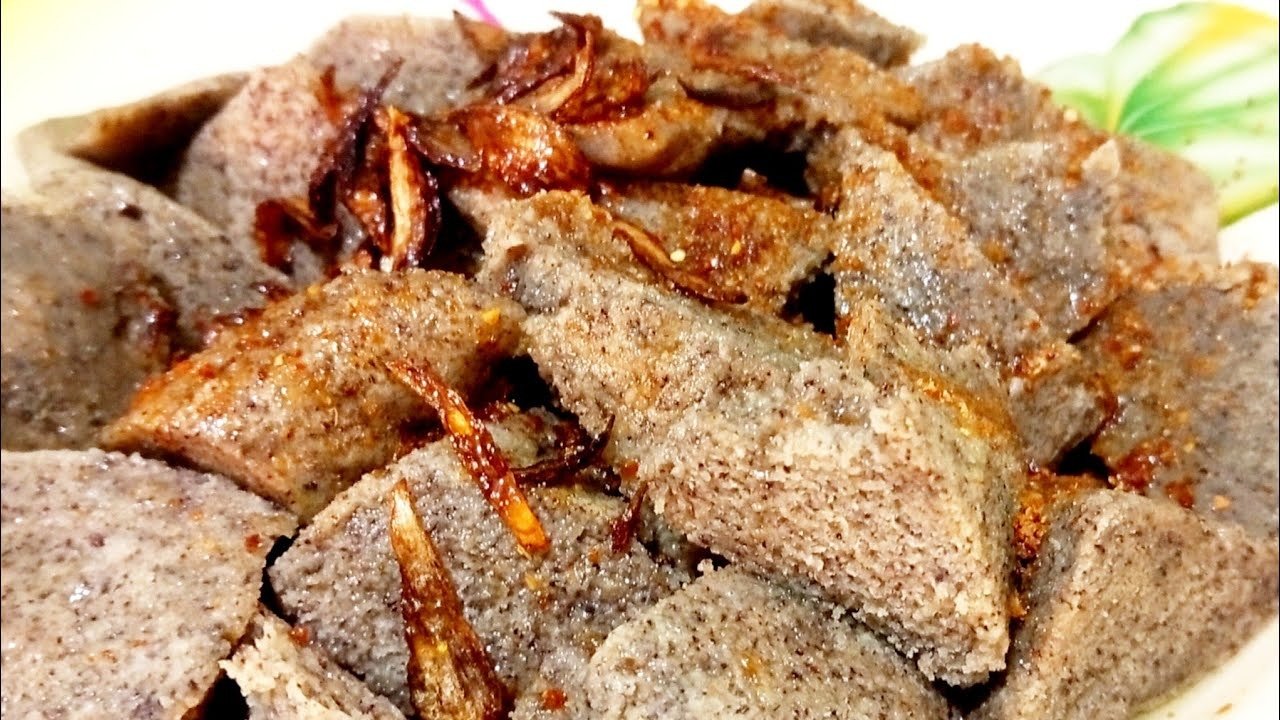
The first spoonful of Tubaani Beans carries more than the comfort of a good meal—it carries the taste of Northern Ghana, where beans, rice and groundnut oil come together in a dish rooted in everyday life.
While many Ghanaians in the south know rice and beans mainly through waakye, the northern preparation offers a character of its own.
Tubaani Beans can feature local varieties such as Bambara beans and Frafra beans, giving the dish a distinctive texture and earthy depth.
The beans are paired with rice and finished with groundnut oil, whose rich, nutty aroma adds warmth to every mouthful.
Then comes the pepper sauce: hot, bright and unapologetic. Its heat cuts through the richness of the beans and groundnut oil, creating a satisfying balance that keeps diners reaching for another spoonful.
For many communities across Northern Ghana, this is more than an inexpensive lunch. It is a practical meal shaped by the crops grown by farming families and the culinary traditions passed from one generation to another.
The beans provide plant-based protein, while the rice supplies energy, making the combination both filling and nourishing.
Its appeal also lies in its simplicity. There are no elaborate ingredients demanding attention; instead, the dish allows humble local produce to speak for itself.
For visitors discovering Ghanaian cuisine, Tubaani Beans offers a delicious introduction to the food culture of the north—a meal that is affordable, deeply familiar and unmistakably tied to the land.
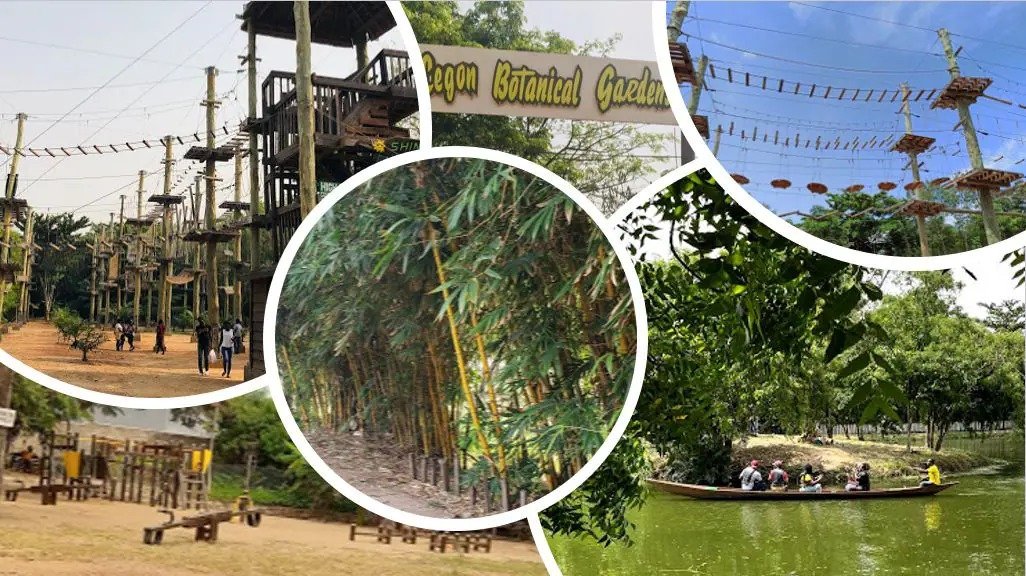
A few minutes can make all the difference in Accra. One moment you’re surrounded by busy roads and constant movement; the next, you’re gliding across a lake, cycling beneath tall trees, or stepping onto a canopy walk high above the ground.
That contrast is what makes Legon Botanical Gardens one of the city’s most rewarding outdoor escapes.
Located beside the University of Ghana in Legon, the gardens have evolved into more than a traditional botanical park.
They offer a rare combination of adventure and quiet reflection, making the space appealing to families, couples, solo travellers and groups of friends looking to experience a different side of Ghana’s capital.
Visitors who enjoy active days can rent bicycles and explore the network of cycling trails that wind through the grounds.
The adventure continues with rope courses and the popular canopy walk, where elevated pathways provide a fresh perspective of the gardens’ lush surroundings.
Those seeking a slower pace will find plenty to enjoy as well. The lake creates a peaceful setting for canoeing or a relaxing fishing session, offering a welcome break from the city’s fast rhythm.
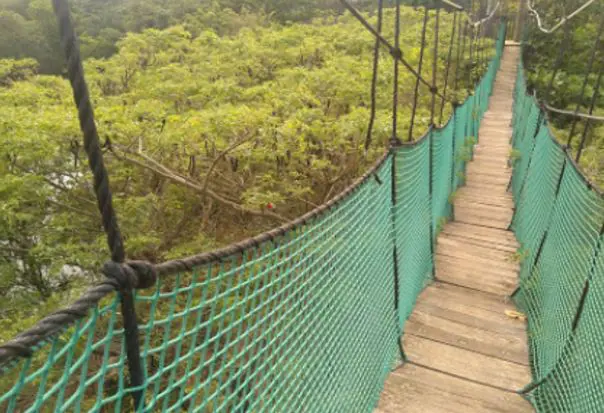
It’s this balance of excitement and calm that gives the gardens their broad appeal, allowing visitors of different ages and interests to share the same space without feeling rushed.
With entry fees starting from GHS 15—while activities are priced separately—the gardens offer an accessible day out for many visitors.
For travellers eager to explore even more of Ghana’s green spaces, the Aburi Botanical Gardens, about an hour’s drive from Accra, provide another scenic option.
But for those staying in the capital, Legon Botanical Gardens proves that sometimes the best getaway is closer than expected.


Game-Changing Move: Ghana Sets Up New Fiscal Council to Scrutinize Government Spending and Win Back Investors

Ghana’s Persistence Pays Off: AU Formally Commits to Tabling Xenophobia Petition in January 2027

Top Headlines From Ghanaian Newspapers: Wednesday, Sept. 9, 2026
-

 Ghana News1 day ago
Top Headlines From Ghanaian Newspapers: Tuesday, Sept. 8, 2026
-

 Ghana News1 day ago
How Ghana’s Government Pressured MTN, Telecel, and AirtelTigo to Cut Data Prices
-
 Taste GH2 days ago
Tubaani Beans: Northern Ghana’s Hearty Answer to Rice and Beans
-

 Festivals & Events2 days ago
Lagos Meets Accra: Zephans & Co Brings Summer Style to the City
-
 Arts and GH Heritage1 day ago
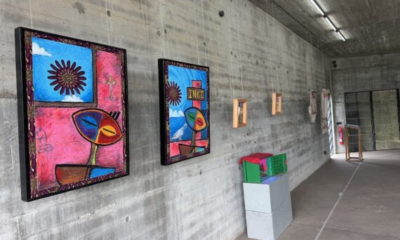
The Stories We Live With: Inside Nubuke Foundation’s Weight of the Ordinary
-

 Ghana News1 day ago
Buckingham Palace Responds to Jamaica’s $10 Billion Reparations Demand, But the UK Government’s Wallet Remains Shut
-
 Ghana News3 hours ago
Ghana’s Persistence Pays Off: AU Formally Commits to Tabling Xenophobia Petition in January 2027
-

 Africa Watch1 day ago
British-Nigerian Influencer Dies After Penis Enlargement Procedure in Thailand