
Sights and Sounds
The Stories We Swallow: A Taste of Ghana’s Street Food Names

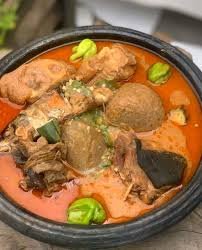
In Ghana, we do not just eat. We tell stories with our mouths full.
Walk down any busy street in Accra or Kumasi, and the food calls out to you by name. Not the fancy menu names. Real names. Names that make you laugh, think, and sometimes, feel a little embarrassed. Have you ever stopped mid-bite and wondered—who sat down and decided to call a meal Kofi Broke Man?
Let me introduce you to the logic of the Ghanaian stomach.
The Engineers Who Named Your Lunch
Start with the bowl of beans and fried plantain sitting in front of you. You might call it Red Red. You might call it Gobe. But where did that last one come from?
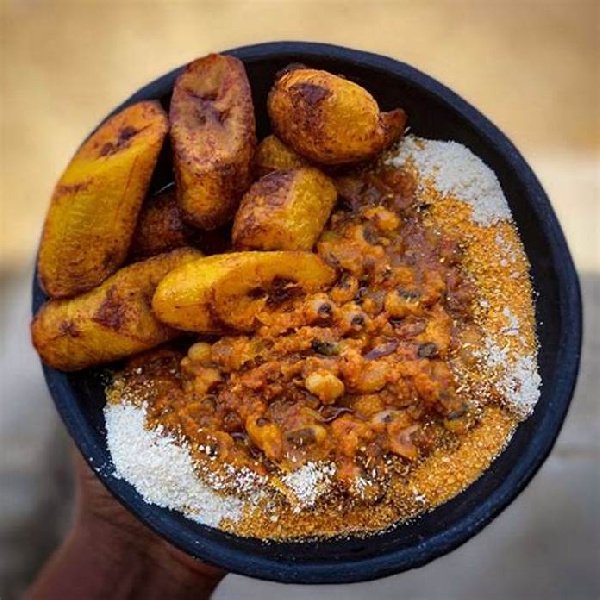
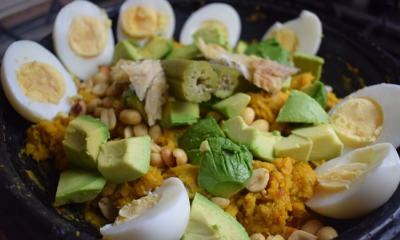
It turns out, we owe this one to the tech boys at Katanga Hall—one of the older, tougher halls of residence at KNUST. These were engineering students, practical minds who saw a bowl of food and thought in acronyms. G. O. B. E. Gari. Oil. Beans. Eggs. Say it fast, and it becomes Gobe. It is street food with a little sprinkle of brain behind it. The name stuck because it made sense. And because Katanga boys do not play about their food.
The Snack That Climbed the Ladder
Now, let us talk about the plantain we love. You see it everywhere now, roasted over charcoal, sold in neat packs with groundnuts and ginger. They call it Kofi Broke Man.
The name is Straight Talk. It means exactly what it sounds like—this is the meal for someone watching their wallet. Long ago, if your pocket ran dry, you turned to roasted plantain. It filled you up without emptying you.
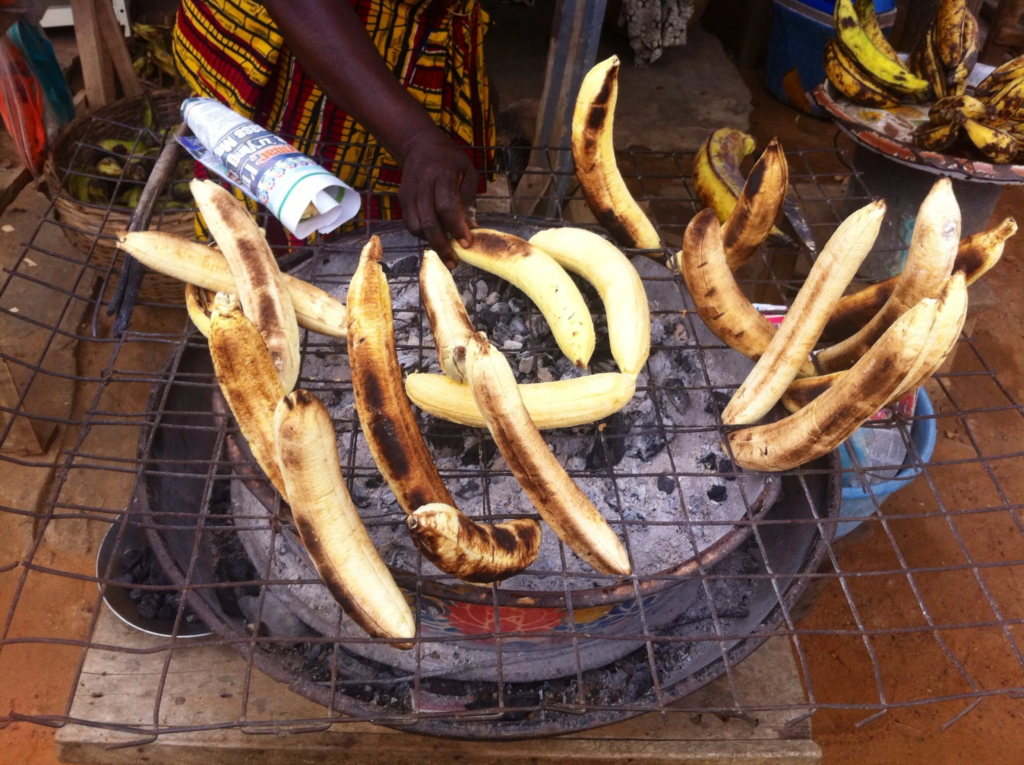
But here is the twist. Somewhere along the way, the broke snack went bougie. Prices went up. Demand exploded. Now, everyone eats it—the student, the banker, the tourist. It climbed the ladder while the rest of us stood in line. Honestly? It should have just stayed broke.
Eating with Your Back to the World
And then there is the one with the saddest name. Kokonte. The dark, sticky dough made from cassava. You might hear someone call it Face The Wall.
The name carries history. During colonial times, the dish drew negative attention for its dark appearance. People felt they had to hide while eating it, turning their faces to the wall so no one would see.
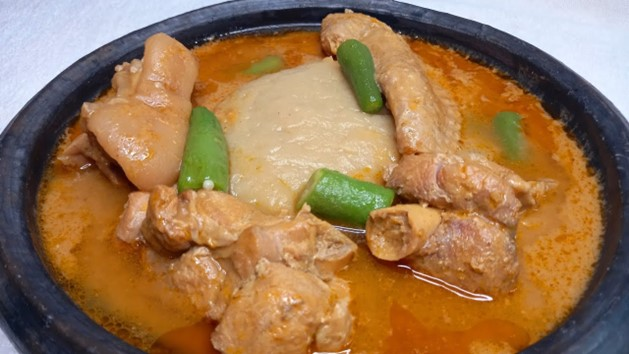
It was a meal of shame, eaten in private. But today? Things have changed. It sits proudly on tables, served with rich groundnut soup. We call it other names now—la pewa, or sometimes playfully Chris Brown after the singer. The food did not change. We just finally decided to face forward.
So next time you buy from a woman balancing a bowl on her head, ask her her name. The answer might just be a history lesson wrapped in wax print.







Sights and Sounds
Mind Craft Camps Accra Turns School Holidays into Adventures in Creativity and Discovery
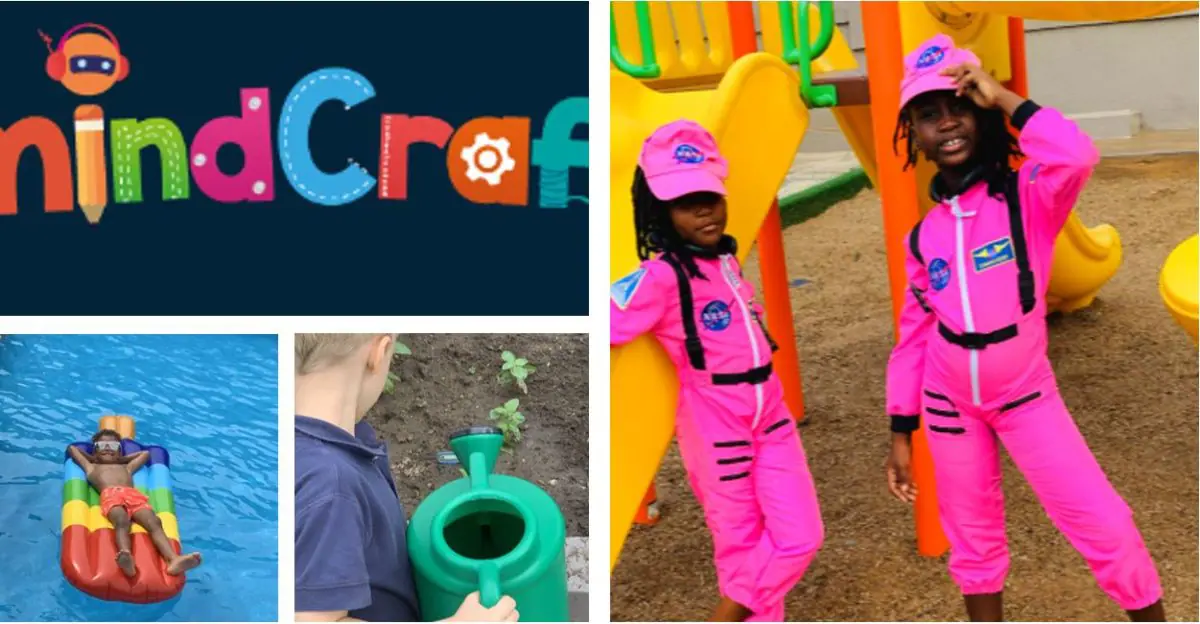
For children, a school holiday is an invitation to explore, imagine and play. For parents, finding activities that keep young minds engaged while providing a safe, supervised environment can be a challenge.
In Accra, Mind Craft Camps offers a way to bring both needs together, turning school breaks into opportunities for creativity, discovery and practical learning.
Organised by Cheeky Monkey Club, a provider of holiday camps in Ghana’s capital, Mind Craft is a multi-activity, outdoor-based programme built around invention literacy and skill development.
Its approach gives children room to enjoy their holidays while engaging in imaginative activities designed to encourage curiosity and new skills.
The camps run around school holidays throughout the year, with the summer programme taking place from July through August. Sessions run from 9am to 3pm and welcome children aged three to 12, offering families a structured option during the long school break.
A key feature is the way children are grouped according to age. Participants aged three to five, six to eight, and nine to 12 are placed in separate groups, allowing activities to be suited to their different stages of development.
This arrangement helps ensure that younger children and older participants can engage with programmes appropriate to their abilities and interests.
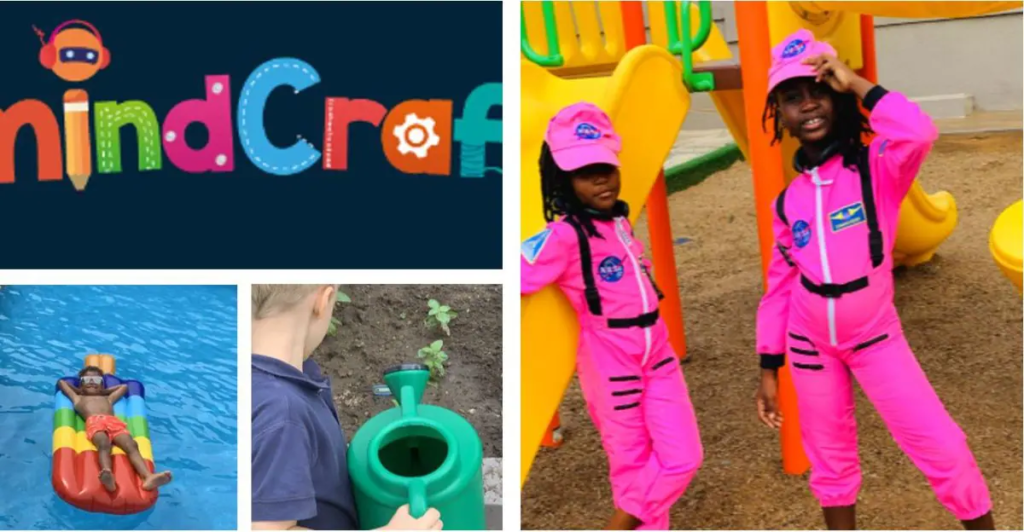
Located in East Legon and Cantonments, Mind Craft also offers parents flexibility when planning their children’s holiday schedules. Depending on availability, families can choose drop-in sessions, half-day or full-day attendance, bookings for the entire summer, or weekly packages.
Fees are charged in Ghanaian cedis, with options starting from GH₵100, making it possible for parents to consider different arrangements based on their schedules and budgets.
By combining outdoor activities, supervised play and skill-building, Mind Craft Camps presents school holidays as more than a pause from classroom learning.
They become an opportunity for children to experiment, make discoveries and develop their abilities while enjoying the freedom of play.
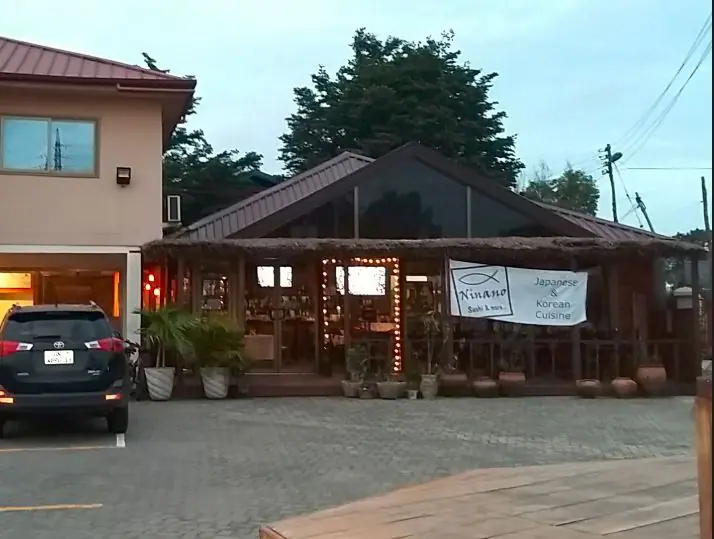
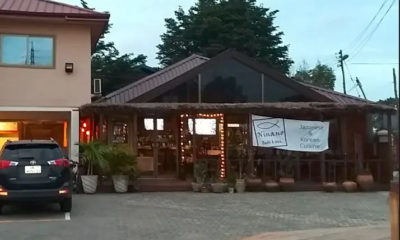
Step inside Ninano Korean and Japanese Restaurant, and the atmosphere offers a welcome escape from the familiar.
With its distinctive wooden interiors, freshly prepared sushi and traditional East Asian dishes, the restaurant brings a taste of Japan and Korea to Ghana, creating a dining experience that has attracted both international attention and expatriate diners.
For Japanese and Korean nationals living and working in Ghana, Ninano offers familiar flavours far from home.
For other diners, it presents an opportunity to explore two celebrated Asian culinary traditions under one roof.
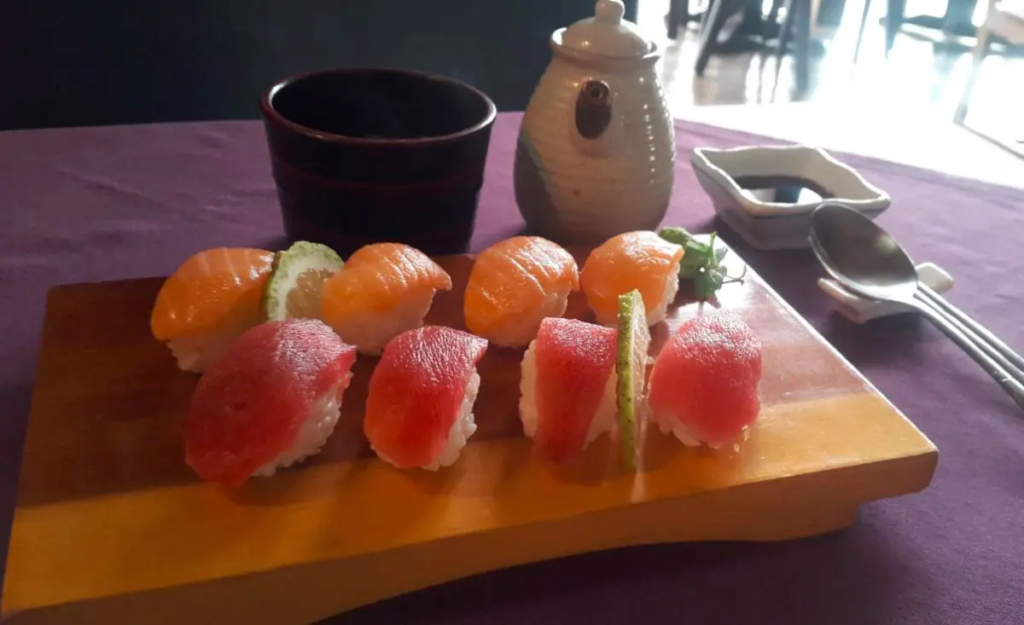
Japanese cuisine takes centre stage through freshly prepared sushi and udon noodles. Thick and satisfying, udon is a Japanese wheat-flour noodle commonly served in a hot broth, offering a comforting alternative to lighter dishes.
Sushi, meanwhile, provides a fresh, carefully prepared option that has helped the restaurant gain recognition beyond Ghana, including a feature on Japanese television.
Korean food brings a different character to the menu. Bulgogi, a popular Korean dish whose name translates roughly to “fire meat”, features thin slices of beef or pork marinated before being grilled.
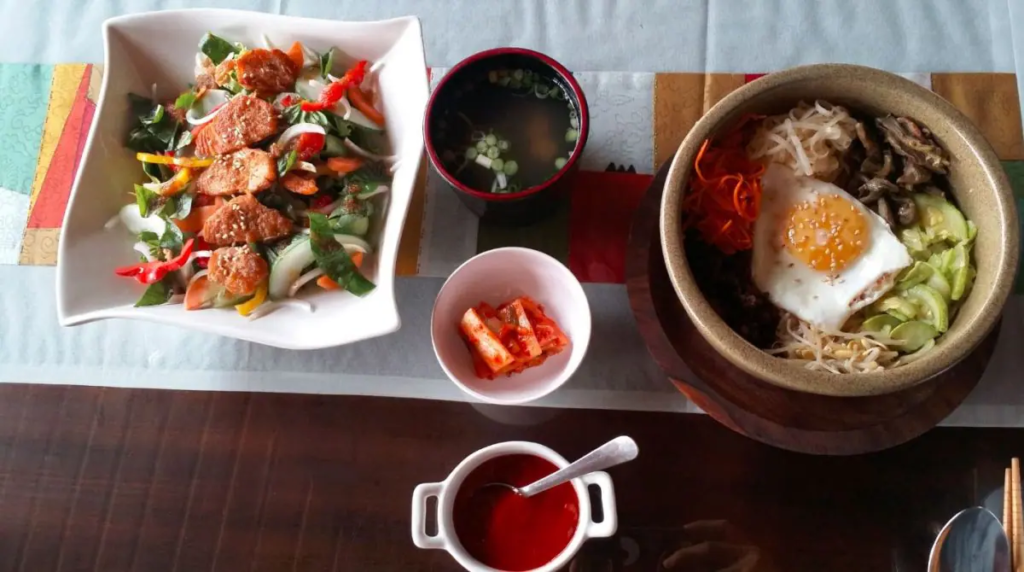
Its savoury, richly seasoned flavour makes it a natural companion to the restaurant’s Japanese offerings.
Yet Ninano’s appeal extends beyond the food. Live music adds to the atmosphere, while large-screen televisions occasionally show live sports and other events.
The bar serves cocktails, wines, soft drinks and Japanese and Korean favourites, giving guests another reason to linger after their meal.
Service and ambience also contribute to the experience. Previous diners have praised the speedy service and quality of the food, describing the restaurant’s wooden setting as an environment that can momentarily make them feel as though they have travelled beyond Ghana’s borders.
Ultimately, Ninano offers more than a menu of Asian specialities. It provides a meeting point for familiar tastes and new discoveries, making it a distinctive destination for sushi lovers, Korean food enthusiasts and anyone seeking an East Asian dining experience in Ghana.
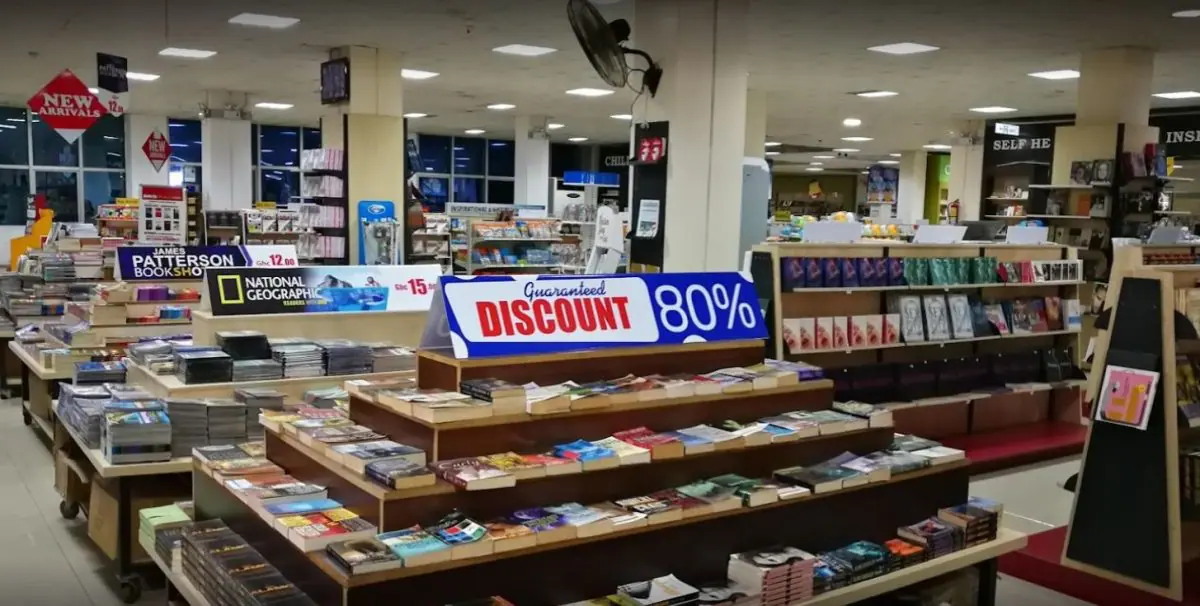
A child searching for their first picture book, a university student hunting for a prescribed textbook or a reader hoping to find their next favourite novel can all begin their search at the same place: EPP BookShop at Legon City Mall.
Located at 7 Lagoon Street, off Giffard Road, the Legon branch brings together books for different ages, interests and stages of learning.

Its appeal lies in the range of titles available, making it a useful stop for families preparing children for school, students pursuing higher education and readers looking beyond the classroom.
From a Small Accra Shop to a Growing Book Business
EPP Books began in 1991 as a modest bookshop in Accra, occupying a space of no more than 20 square metres.
Over the years, it grew into a chain with branches across the West African sub-region, expanding its reach beyond its original location.
That journey reflects the continuing need for accessible books in homes, schools and educational institutions.
For many learners, textbooks and supplementary readers are essential tools, while novels and self-help books offer opportunities for entertainment, personal growth and discovery.
Books for Different Stages of Life
At the Legon branch, the selection spans preschool materials, children’s readers, school curriculum books, secondary-school textbooks and university-level titles. Customers can also browse bestselling novels and books on personal development.
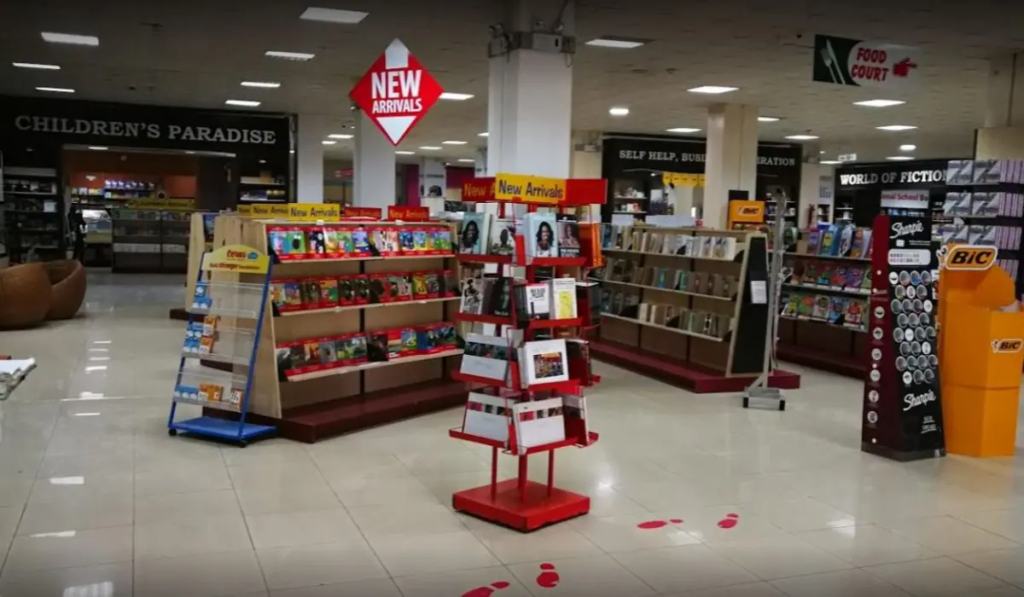
EPP BookShop serves both retail and wholesale customers, giving individual readers and organisations options for purchasing books. If a particular title is unavailable on the shelves, the shop can also arrange to order it.
For residents, students and visitors in the Legon area, the branch offers more than a place to buy reading materials. It provides a practical starting point for the search for knowledge, whether that begins with a child’s first schoolbook or a reader’s next literary adventure.


Funding Fears Loom For Ghana’s Life-Saving Malaria Vaccine Five Years After Roll Out

‘There was a Coordinated Disclosure Plan’: AI-Discovered Flaw in PHP Triggers Global Internet Chaos as Cybercriminals Race to Exploit It

Yandex Strikes: Can Moscow Host Africa Under Drone Threat?
-
 Ghana News1 day ago
Major Sexual Abuse Scandal Rocks Ghana High School: Obuasi School Headmaster Sues Journalist for GH¢2 Million as Investigation Into Alleged Misconduct Widens
-

 Reels & Social Media Highlights2 days ago
Ghana’s Digital Heartbeat: Outrage, Satire, and the Fight for Accountability
-

 Festivals & Events1 day ago
Compozers Fest Ghana Edition: Welcoming 2027 with Music in Accra
-
 Taste GH1 day ago
Airport Residential Area: Where Accra’s Dining Scene Meets Global Flavours
-

 Health & Wellness2 days ago
Four Everyday Lifestyle Habits That Can Make Weight Loss Easier
-

 Health & Wellness1 day ago
Why Keeping Weight Off Can Be Harder Than Losing It
-
 Arts and GH Heritage2 days ago
When Second-Hand Clothes Become a Playground for Community
-
 Opinion1 day ago
Yandex Strikes: Can Moscow Host Africa Under Drone Threat?