
Reels & Social Media Highlights
Cocoa Pods, Fugu Suits, and Trump: What Trended in Ghana This Week


If you blinked this week, you probably missed three separate trending wars erupting simultaneously on Ghanaian timelines. From parliamentary theatrics with actual cocoa pods to a professor doing maths on traditional smocks, and a football fan shouting instructions to Donald Trump—the last 48 hours on Ghanaian social media have been anything but boring.
Parliament’s Most Photogenic Protest
Earlier today, as President Mahama stepped into Parliament for the State of the Nation Address, Minority MPs stormed the chamber waving cocoa pods like protest placards.
The Minority wore black and took cocoa to Parliament in solidarity with cocoa farmers who suffered the haircut at President Mahama’s State of the Nation Address.
— CHARLOTTE NICOLE 🕊 (@charllycolegh) February 27, 2026
#cocoafarmershaircut #MahamaLied #SONA2026 pic.twitter.com/SaBTssoq1I
Draped in black sashes reading “Yayɛ Mobɔ” (We are sad), they turned the SONA into a visual spectacle that X (formerly Twitter) ate up immediately.
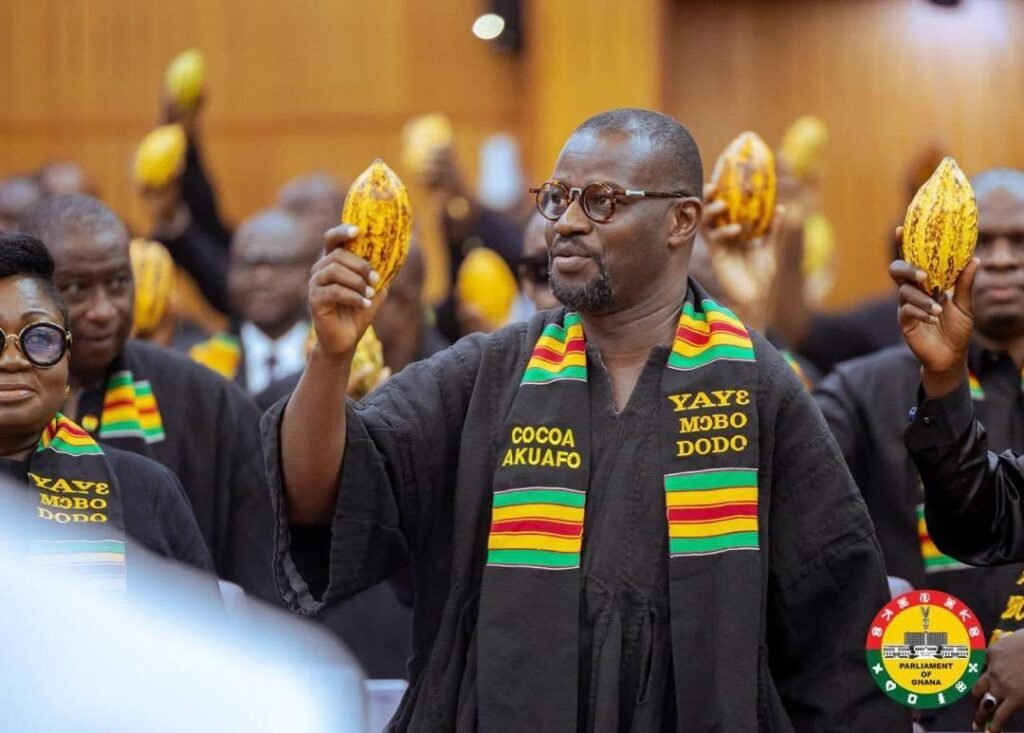
The pods symbolized what they call the “betrayal” of farmers following the cocoa price cut from GH¢3,625 to GH¢2,587 per bag . Within hours, the images flooded timelines, with Ghanaians divided between those who praised the theatrics and those who called it performative politics.
The GH¢7 Billion Fugu Conversation
Meanwhile, a different kind of trending emerged—this one about money and tradition. Professor John Kwaku Mensah Mawutor, UPSA Vice-Chancellor, dropped calculations that sent young entrepreneurs into a frenzy. His projection?
If half of Ghana’s workforce buys two fugu outfits annually at GH¢300 each, we’re looking at a GH¢7 billion market. The “Wednesday Fugu” directive suddenly shifted from cultural policy to a business pitch, and Facebook Marketplace sellers took immediate note.
“Trump! Be Expecting Us!”
But the moment that truly crossed borders came from a football fan. Following the Black Stars’ World Cup qualification, a video emerged on X showing a jubilant supporter—draped in Ghana colours—shouting directly to camera: “Trump! Be expecting us!
Ghana is coming to America for the World Cup!” . The clip became an instant meme, symbolizing Ghanaian confidence with exactly the right amount of humour. International accounts picked it up, and suddenly Ghana’s World Cup energy was trending far beyond our borders.
The Prayer Debate Nobody Asked For
And finally, Kevin Taylor ensured we didn’t go a week without controversy. The US-based journalist blasted Aglow International leader Gifty Afenyi-Dadzie for organizing a prayer session at Independence Square—specifically to pray for Ghana’s cocoa problems.
Taylor’s jab? Questioning why similar prayers weren’t organized during past economic challenges. The debate divided social media between those seeing nothing wrong with prayer and those questioning the optics.
From cocoa pods in Parliament to fugu economics, World Cup banter to prayer wars—Ghanaian social media remains the unserious, serious space we can’t stop watching.






Reels & Social Media Highlights
Ghana’s Digital Heartbeat: Outrage, Satire, and the Fight for Accountability
Ghana’s social media space on Wednesday, October 21, 2026, felt less like a scrolling feed and more like a pressure cooker.
Between the crimson solidarity of #RedWednesday, the dust of a collapsing high-rise, and the astonishing unravelling of a political spokesperson, Ghanaians were simultaneously furious, entertained, and deeply skeptical.
The day’s emotional center was the Obuasi SHTS sexual abuse scandal. Activists declared “Red Wednesday,” urging citizens to wear red in solidarity with the alleged victims.
The mood turned from grief to rage when a leaked clip showed NDC communicator Daniel Nortey dismissing the allegations with the callous remark, “He’s a rapist, so what?”
The backlash was immediate and fierce, with figures like Nana Aba Anamoah condemning the comment, forcing Nortey into a swift, televised apology . Meanwhile, a very different kind of accountability played out in satire.
A viral video, amplified by Ashanti Regional Minister Frank Amoakohene, juxtaposed Dr. Mahamudu Bawumia’s past claims of completing the Pwalugu Dam against his recent promise to build it, using the “A few moments later” meme to devastating effect .
Amidst the politics, raw reality intruded. A video of concrete blocks raining down from the Villagio construction site in Accra sparked safety fears, but it was the cameraman’s subsequent claim that the company threatened him with “police and lawyers” that truly ignited the timeline.
Even the beach wasn’t safe from scrutiny: creator Ivy Prosper’s on-the-ground photos of a still-littered Labadi Beach exposed the polished, viral images of a “Miami-style” shoreline as misleading, triggering a wave of cynical “smoke and mirrors” commentary.
What united these disparate moments was a collective demand for transparency. Whether mocking a politician’s memory, calling out a spokesperson’s inhumanity, or fact-checking a pretty picture, Ghanaian netizens were not merely consuming content—they were actively auditing the world around them, one screenshot at a time.
Reels & Social Media Highlights
Ghana’s Social Media Erupts Over Mining Violence and Celebrity Controversy
Ghana’s timeline in its familiar state: equal parts outrage, meme-making, and moral negotiation.
By midday, one video had already set the tone. Footage from Wassa Esaman showed the NAIMOS task force physically restraining suspected illegal miners, and the reactions split immediately—some praising the crackdown as long overdue, others questioning the rough tactics and predicting the suspects would be back on the streets within days.
The galamsey debate never really leaves Ghanaian social media; it just changes faces.
Then came Shatta Wale. Fresh off his ShattaFest performance at the Accra Sports Stadium, clips of the dancehall star declaring he has “plenty fraud boys” as friends—and that he won’t snitch because “the country no good”—detonated across Facebook and X.
The remarks landed awkwardly in a nation where economic hardship and fraud are tangled in uncomfortable ways, and where public figures are increasingly expected to pick a side.
Meanwhile, Sarkodie found himself clarifying that a casual post about returning to “gari soakings” had nothing to do with President Mahama’s government—a reminder that in Ghana’s current mood, even a bowl of gari can become a political statement.
What tied these conversations together was a shared suspicion: that institutions protect the powerful while ordinary people bear the cost.
Whether the topic was mining, fraud, or the price of a meal, Ghanaians on Monday weren’t just reacting—they were keeping score.
Reels & Social Media Highlights
Ghana’s Timeline Erupts: Showboy’s Crude Plea, Asantewaa’s Silence, and a Nation Divided
On Wednesday, 14th October 2026, Ghana’s social media didn’t just trend — it combusted. At the center of the firestorm: Showboy, a deported ex-convict and self-styled provocateur, posting a video begging TikTok star Asantewaa to sleep with him because “everyone has chopped her except me.”
The phrase — crude street slang for sex — detonated across Facebook, X, and TikTok, splitting users between outrage, disgust, and reluctant laughter.
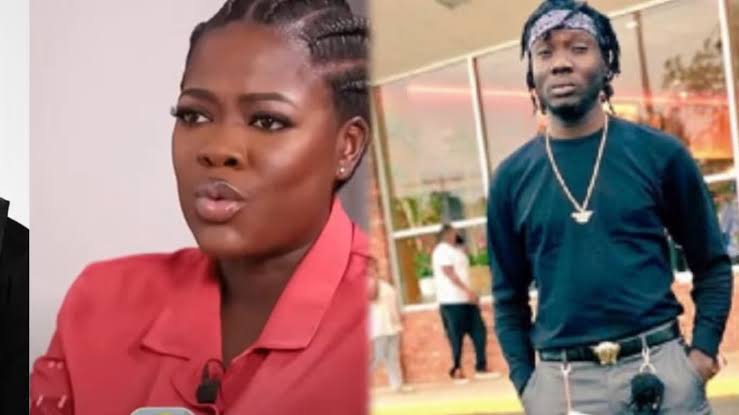
The Asantewaa saga had been simmering for weeks. First, rapper AMG Armani claimed a one-night stand and a pregnancy.
@notorioustrend1 Showboy Goes Hard On Asantewaa For Exp0sing Some Secret In Her Marriage On TikTok Live #ghanabloggers #ghanatiktok🇬🇭 #asantewaaaaa #showboy #notorioustrend ♬ original sound – Notorious🥷 Trend📸
Then Asantewaa herself explained she left her husband over sickle cell genotype compatibility, insisting she wasn’t with Armani until after the split. Showboy’s video poured petrol on the embers.
But the timeline wasn’t only burning with celebrity gossip. In Obuasi, the GES interdicted a headmaster accused of sexual misconduct after students rioted and vandalized school property.
The story — girls alleging assault inside the headmaster’s bungalow, a menstruation claim used as pretext, a school in ruins — resonated because it echoed a painful national truth: institutions meant to protect children often fail them.
Meanwhile, in Agona Nkwanta, a viral video of a man assaulting his wife led to a three-month jail sentence on the very same day, a rare moment of accountability that many users celebrated, even as they questioned why it took a viral clip for justice to move.
What made October 14th distinctly Ghanaian was the collision of these stories.
A culture wrestling publicly with how women are treated — by men like Showboy who see clout in disrespect, by authority figures who abuse trust — while simultaneously turning tragedy into meme fodder, joke captions, duet videos.


Funding Fears Loom For Ghana’s Life-Saving Malaria Vaccine Five Years After Roll Out

‘There was a Coordinated Disclosure Plan’: AI-Discovered Flaw in PHP Triggers Global Internet Chaos as Cybercriminals Race to Exploit It

Yandex Strikes: Can Moscow Host Africa Under Drone Threat?
-

 Festivals & Events2 days ago
Compozers Fest Ghana Edition: Welcoming 2027 with Music in Accra
-
 Ghana News2 days ago
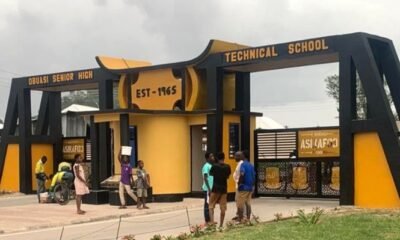
Major Sexual Abuse Scandal Rocks Ghana High School: Obuasi School Headmaster Sues Journalist for GH¢2 Million as Investigation Into Alleged Misconduct Widens
-
 Taste GH2 days ago
Airport Residential Area: Where Accra’s Dining Scene Meets Global Flavours
-
 Health & Wellness2 days ago
Why Keeping Weight Off Can Be Harder Than Losing It
-
 Opinion2 days ago
Yandex Strikes: Can Moscow Host Africa Under Drone Threat?
-
 Global Update2 days ago
‘There was a Coordinated Disclosure Plan’: AI-Discovered Flaw in PHP Triggers Global Internet Chaos as Cybercriminals Race to Exploit It
-
 Ghana News2 days ago
Funding Fears Loom For Ghana’s Life-Saving Malaria Vaccine Five Years After Roll Out