
Fashion & Style
The Language You Wear: What Your Cloth Says Before You Speak
And Kente? The name itself comes from “kenten”—basket

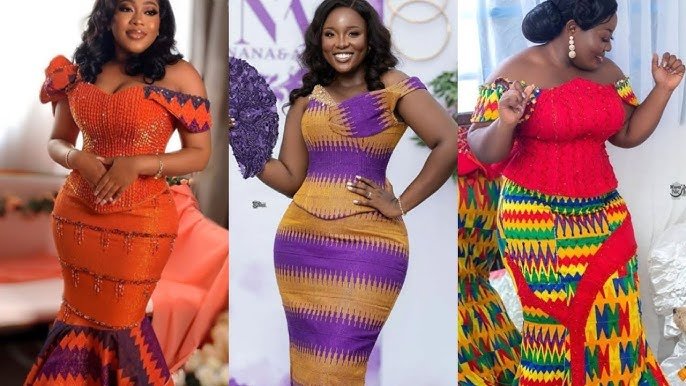
The first time a Ghanaian chief wrapped himself in Kente, he wasn’t just getting dressed. He was encoding a message that would travel through centuries.
Back then, before ships brought strange fabrics to our shores, before smartphones and fast fashion, the cloth on your back told your story. Every thread was a sentence. Every color, a chapter.
Here’s what most people don’t know: those geometric patterns your grandmother probably has folded in her closet? They’re not just designs. The Ewe people named their cloth “Kete” from the way it’s made—”ke” to spread the thread, “te” to press it tight. Your ancestors invented a language you wear on your shoulders.
And Kente? The name itself comes from “kenten”—basket. Because the first time someone looked at that woven cloth, they saw the same careful crossing patterns their grandmother used to weave palm fronds. Fashion didn’t arrive here. It grew here, from the same hands that made baskets for carrying yams.
Read Also: Dressed in Respect: How Funeral Fashion in Ghana Tells a Deeper Story
But here’s the thing about Ghanaian fashion that doesn’t make it into the brochures.
Up north, where the harmattan dust paints the air gold, men have been wearing the smock since before anyone can remember exactly when. The Gonja cloth—thick, striped, woven in strips four inches wide—traveled here through trade routes your great-great-grandfather might have walked. The Moshie people traded this fabric for kola nuts and guinea fowl with neighbors who became family. In places like Bolgatanga and Tamale and Yendi, the same hands that guide the loom today learned from hands that learned from hands that learned so far back the origin story gets blurry.
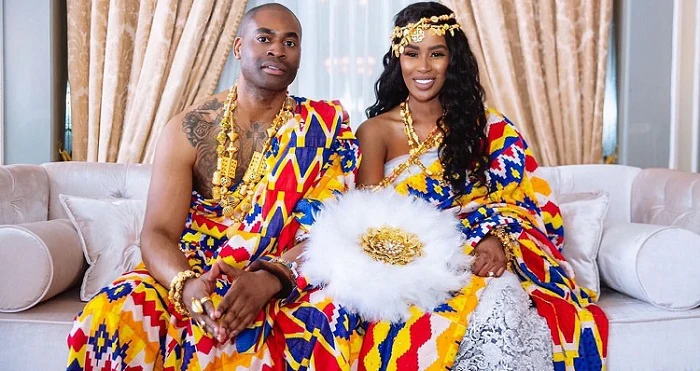
You see, we’ve always been recyclers. Long before sustainability was a marketing term, Ghanaian fashion understood that nothing is waste. Those plastic bottles piling up in Accra? Young entrepreneurs are weaving them into sandals now. The fabric scraps from tailoring shops? Becoming accessories that fund someone’s dream.
The diaspora connection runs deeper than DNA. When you wrap yourself in African Prints, you’re not just wearing fabric—you’re wearing proof that we survived. That the colors didn’t wash out. That the patterns still hold meaning even when you’re thousands of miles from the motherland.
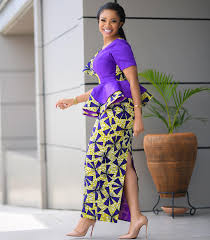
Your parents probably wore kaba and a slit to church on Sundays. Your cousins in London are pairing the same prints with sneakers. The symbols your ancestors stamped on cloth with calabash tools—Adinkra messages about wisdom and war and love—now show up on sneakers and iPhone cases and bags carried down 125th Street.
This is what makes Ghanaian fashion different. It doesn’t disappear when the season changes. It sits in trunks, waiting. It gets passed down, re-cut, re-imagined. The chief’s Kente from 200 years ago and the young designer’s upcycled footwear in Nima today are speaking the same language: we were here. We made something beautiful. And no matter where the world took us, we kept weaving.

Fashion & Style
The “Kente Clause”: How Ghanaian Textiles Rewrote the Rules of Red Carpets and Royalty
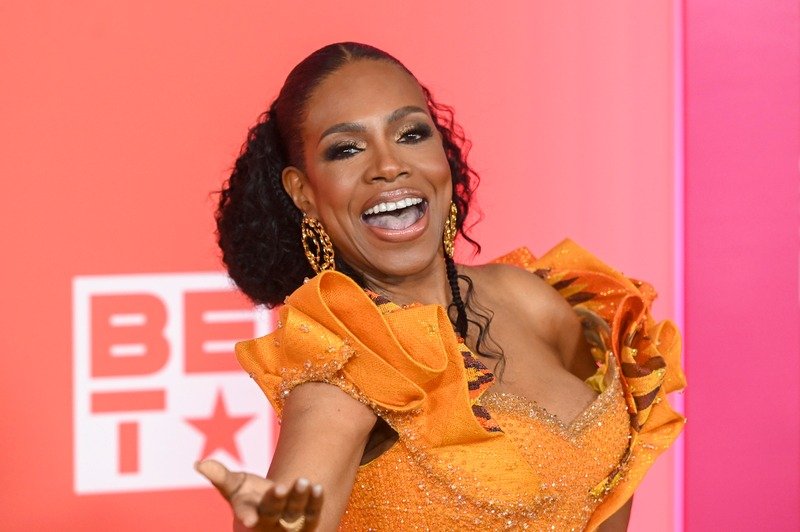
For centuries, if you wanted to signal that you had arrived—truly arrived—you slipped into something by a French fashion house. Paris and Milan dictated what royalty wore to galas and what stars wore to award shows. But lately, the most powerful garment on the planet isn’t coming down a runway in Europe. It is coming from a loom in Bonwire or a design house in Accra.
We are living through a quiet revolution in global fashion. You can call it the “Kente Clause”—an unwritten rule that says if you want to make a statement about power, heritage, or identity on a world stage, you are now likely to do it in Ghanaian cloth. Whether it is a Duchess stepping out in a handwoven stole, a musician accepting a Grammy in bold print, or an artist using recycled wood to tell stories of the diaspora, Ghanaian textiles are no longer just “traditional attire.” They have become the new language of luxury and political weight.
The Royal Seal: More Than Just a Pattern
When Meghan Markle walked into the Africa Centre in London in 2022 wearing a custom shirt dress in a vibrant kente print, the internet did what it always does—it debated the politics of it. Was it appreciation? Appropriation? A calculated nod?
But for those who know the fabric, the story went deeper than the headlines. Kente is not a generic “African print.” It is a textile with royal blood. Historically, certain patterns, such as Adweneasa (meaning “my skills are exhausted”), were reserved for the highest officeholders. When Meghan wore it, she wasn’t just acknowledging a continent; she was tapping into a visual history of sovereignty.
This is the shift we are seeing. In the past, African textiles on Western bodies were often anthropological curiosities. Today, when celebrities choose a custom kente gown over a standard Versace slip dress, they are rewriting the dress code of celebrity. They are saying that heritage has more currency than hype.
Weaving a New Economy
This global hunger for authenticity isn’t just about red carpet photos; it is sending ripples back to the weavers’ villages. For a long time, the people who actually made these masterpieces were the invisible hands behind the luxury. That is changing.
Take the recent announcement from Ghana’s Foreign Minister, Samuel Okudzeto Ablakwa. He revealed that ECOWAS foreign ministers have specifically requested fugu (smocks) made in their national colours for upcoming summits. Think about that. Diplomats, whose uniform is usually a stiff suit and tie, are choosing to sit around negotiation tables wrapped in Ghanaian handiwork. This isn’t fashion; this is soft power.
We are also seeing institutional efforts to protect this legacy. The launch of the Royal Kente Gala 2025 in Kumasi, held with the blessing of the Asantehene, is a direct response to the global demand. The mission is twofold: to preserve the sacred traditions by building modern weaving centres in communities like Adanwomase, and to ensure that when the world comes calling for kente, it is the authentic, handwoven product—not a mass-produced imitation—that answers. As Kwame Nyame of ROKWESA put it, “It is our story, pride, and legacy”.
The Diaspora Comes Home
The most interesting part of this story, however, isn’t happening on a runway or at a diplomatic gathering. It is happening in the hands of artists reinterpreting the cloth itself.
Consider the work of Ato Ribeiro, exhibited at the Museum of Contemporary Art of Georgia. Ribeiro doesn’t weave with thread; he weaves with discarded wood scraps collected from carpentry workshops. By translating Kente patterns like ntata (chevron) into wooden sculptures, he comments on the extraction of African resources while simultaneously building a bridge for the diaspora. He uses the grid of Kente—traditionally a fabric for royalty—as a “framework upon which to weave diasporic stories” .
This is the “Kente Clause” in its purest form. It is a clause that grants permission to Black people everywhere to claim a piece of the throne. When a young professional in Atlanta wears a kente stole at their graduation, they are participating in a tradition that was once the exclusive domain of kings, re-purposed for a new generation of leaders .
Appreciation vs. Appropriation
Of course, with great exposure comes great risk. When Virgil Abloh used kente patterns in his Louis Vuitton menswear, it sparked a fierce debate. Abloh, whose grandmother was Ghanaian, defended the collection by saying, “Provenance is reality; ownership is a myth”.
But for the weavers back home, ownership isn’t a myth—it is their livelihood. The Ghanaian market is flooded with cheaper, machine-printed versions made in China, which undercuts the labor-intensive work of master weavers who spend weeks on a single cloth. This is why initiatives like the proposed BataKente concept are so crucial. By pushing for certification and standardization, Ghana is fighting to ensure that when the world buys “Kente,” it is buying the real story, not a cheap copy.
The Fabric of the Future
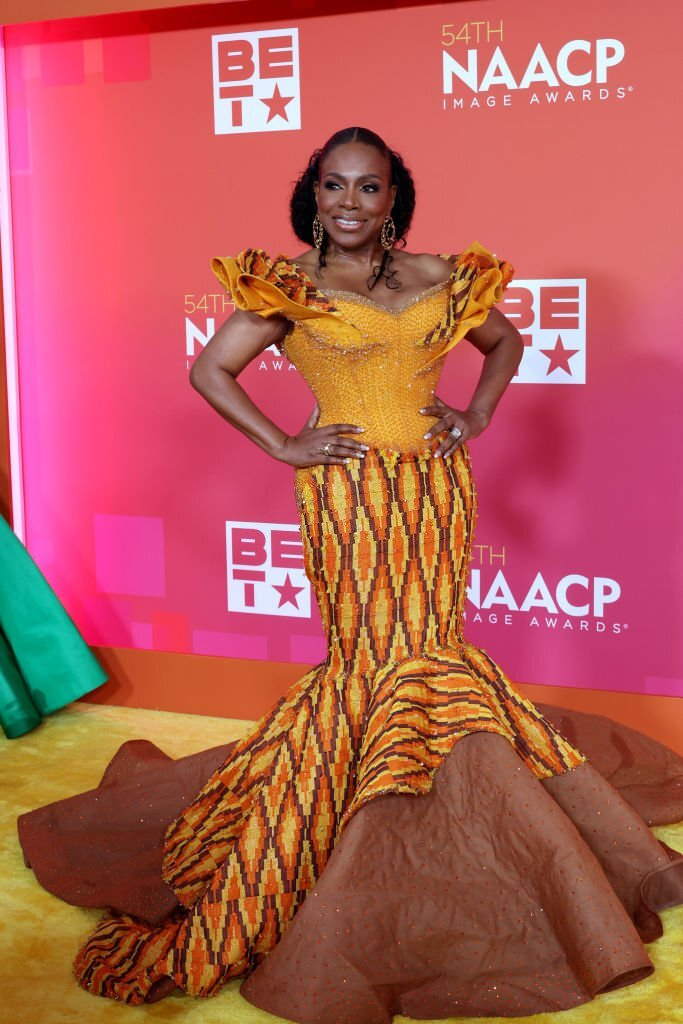
So, what happens when a textile moves from the palace to the global stage?
The future looks like Aristide Loua’s brand, Kente Gentlemen. An Ivorian designer showing at Lagos Fashion Week, Loua uses hand-crafted fabrics from weaving communities and gives them silhouettes that could walk down any street in Tokyo or New York. It looks like weavers in Agotime are embracing ICT skills to design patterns that appeal to modern weddings and celebrations, proving that tradition isn’t static—it evolves.
Ghanaian textiles are no longer just something you wear to a funeral or a wedding at home. They have become a diplomatic tool, a red-carpet statement, and a canvas for diasporic healing. The “Kente Clause” ensures that in a world hungry for meaning, the cloth woven by our ancestors will continue to dress the future.
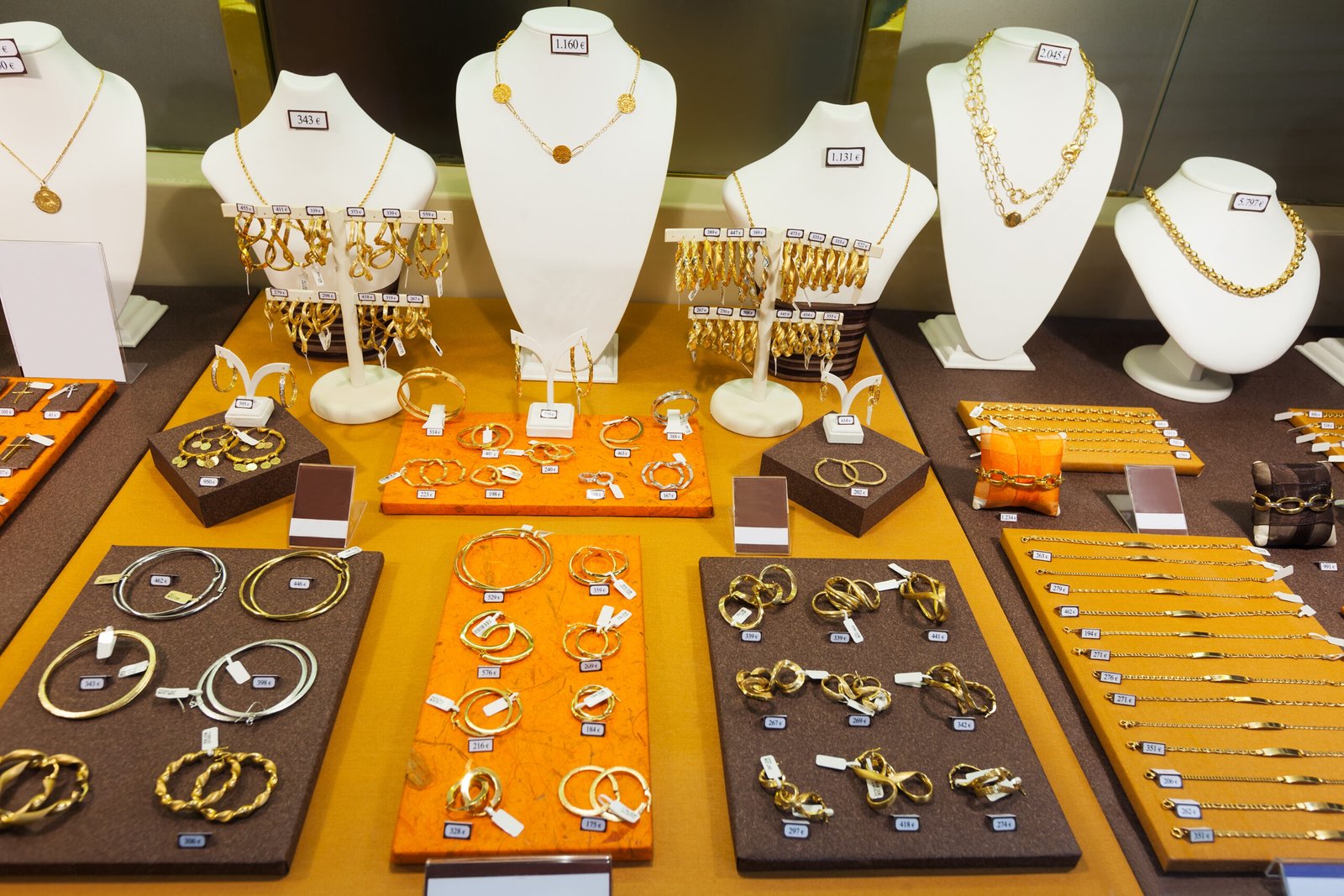
The first time I saw a woman escorted from a funeral grounds for wearing the wrong earrings, I understood something profound: in Ghana, jewelry isn’t just decoration—it’s a language of respect. And right now, as the nation prepares for the final funeral rites of the late Asantehemaa, Nana Konadu Yiadom III, that language matters more than ever.
Let’s talk about the gold-and-silver dilemma haunting dressing tables across Accra this week.
The Great Metal Debate
For years, we were told never to mix gold and silver. Fashion magazines insisted you pick a team and stick to it. But style has grown up, and so have we. The trick lies in balance—letting one metal lead while the other whispers. A chunky gold necklace paired with delicate silver studs creates intentional contrast rather than careless clutter. Think of them as conversation partners, not combatants.
But here’s where the funeral factor changes everything.
The Asante Traditional Council just issued firm directives for the upcoming funeral: no big earrings, no anklets, no loud hairstyles cluttered with accessories. This isn’t about stifling style—it’s about honouring grief. When a nation mourns, humility dresses the part.
Red and black speak louder than diamonds.
For close relatives, kobene—the red mourning cloth—signals profound loss . The wider mourning family wears black, with women tying simple cloth and wrapping their heads in modest duku . In these moments, your jewelry should support the story, not compete with it. Dark pearl earrings. A thin gold chain tucked beneath your collar. Nothing that catches light when your eyes should be downcast .
The age of the deceased writes the dress code.
Under seventy? Black rules. Above seventy? Black and white honours a life well-lived. Past eighty? White celebrates a journey completed . Your metals should follow this palette—silver companions black beautifully, while gold warms the whites and browns.
What I’ve learned watching mourners navigate these waters:
When my own uncle passed, I stood before my jewelry box paralyzed. Too bright, my mother warned of my pearl earrings. But my dad nodded approval, and they stayed . That tension—between self-expression and collective mourning—is where Ghanaian funeral fashion lives.
The safest path? Small studs in either metal. A single thin chain. Nothing that jingles when you walk or catches the afternoon sun. If you must mix metals, keep them close to the body and quiet in spirit.
Because here’s the truth funerals teach us:
Your outfit speaks before you do. At weddings, let your jewelry sing. At festivals, let it dance. But at funerals—especially royal ones where tradition guards the gates—let your metals whisper respect. The Asantehemaa’s farewell demands nothing less.
When in doubt, ask a Ghanaian auntie. She’ll tell you straight: some occasions call for gold, others for silver, and some call for setting both aside entirely. Wisdom is knowing the difference.

We have all been there. Standing in front of the mirror, turning side to side, tugging at a hem or pulling at a waistband, trying to figure out why the look that seemed flawless on the hanger suddenly feels awkward on you.
For years, the fashion industry has told us that if an outfit looks bad, it is because our bodies are the problem. Too tall, too short, too curvy, not curvy enough. But here is the truth they do not want you to know: it is rarely about your body. It is about geometry.
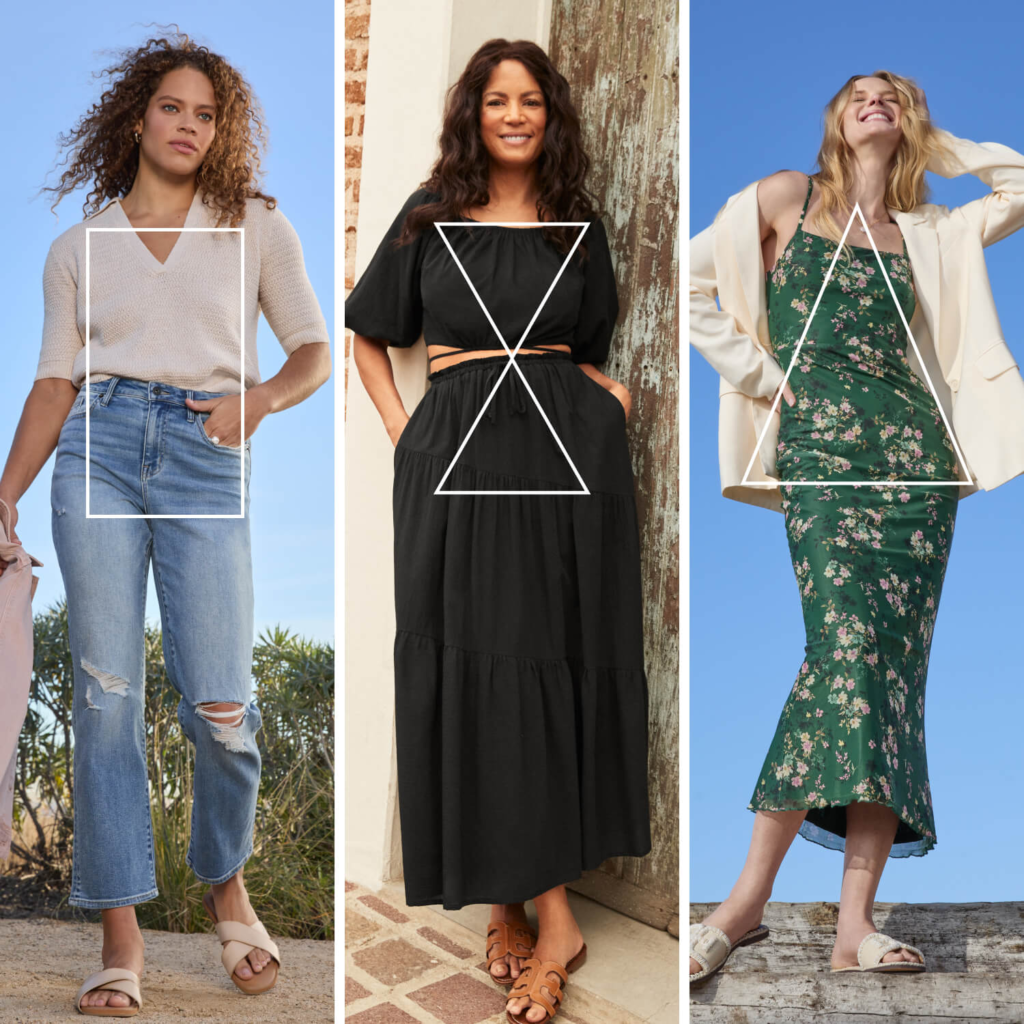
The way fabric drapes over you has less to do with the number on your tag and everything to do with the map of your silhouette. Specifically, how your torso length compares to your legs, and how your shoulders interact with your hips.
Let us start with the torso. If you have a longer torso, those gorgeous high-waisted trousers will likely hit you right at the narrowest part of your waist, creating that classic hourglass effect.
But if you are built like me—short-waisted and proud—those same pants can feel like they are climbing up to your armpits, swallowing your entire midsection. For us, a low or mid-rise cut gives the torso room to breathe, visually stretching that vertical space so we finally look balanced.
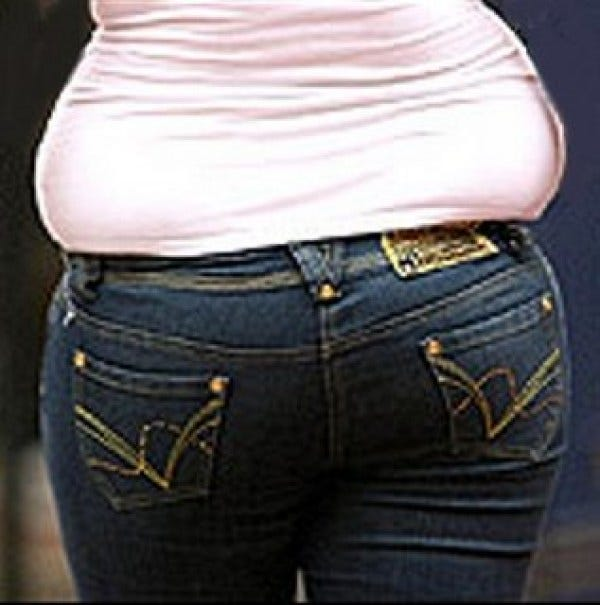
Then there is the shoulder-to-hip equation. Have you ever tried on a blazer with shoulder pads and felt like a linebacker? Before you swear off structured jackets forever, check your hip line.
If your hips are narrow, your shoulders are not necessarily “too wide.” They are simply holding their own against a narrower base. The solution is not to shrink your shoulders, but to add a little volume to the bottom half—a flared skirt or wide-leg trousers—to restore the harmony.
@aasian your body isn’t something to ‘fix’—it’s something to understand. broad shoulders, narrow hips, short torso, long legs—none of these are ‘flaws.’ but the way clothes are designed? they don’t always consider that. instead of thinking, “i don’t like my ___”, shift to “this wasn’t designed for my proportions.” once you start working with your body instead of against it, getting dressed becomes SO much easier. #personalstyle #stylingtips #fashiontips #findyourstyle ♬ original sound – Asia Jackson
Style is not about copying an influencer stroke for stroke. It is a puzzle, and you are the only one who holds the pieces. When you understand your proportions, getting dressed stops being a battle with your reflection and starts becoming a creative act of self-expression.
Henceforth, look in the mirror and make peace with the masterpiece staring back at you.



-

 Ghana News1 day ago
Ghanaian’s Terrifying Experience as Missile Explodes Amid Escalating Middle East Tensions and Other Trending Topics in Ghana (March 1, 2026)
-

 Ghana News1 day ago
Ghana’s Black Queens Stranded in UAE as Government Initiates Partial Evacuation from Tehran Embassy Amid Escalating Israel-Iran Conflict
-

 Ghana News11 hours ago
Court Slaps Barker-Vormawor with GH₵5m for Defaming Kan Dapaah and Other Trending Topics in Ghana (March 2, 2026)
-

 From the Diaspora10 hours ago
Ghanaians and Other Africans in UAE Flood Social Media with Videos as Iranian Missile Strikes Hit Dubai
-

 Ghana News1 day ago
7 Ways the Escalating Middle East Crisis Could Hit Home in Ghana
-

 Ghana News11 hours ago
Newspaper Headlines Today: Monday, March 2, 2026
-

 Ghana News1 day ago
How African Nations Are Responding to the Iran-Israel Conflict
-

 Africa Watch1 day ago
How African Nations Are Evacuating Their Nationals Amid the Escalating Middle East Crisis