
Fashion & Style
A Fitting Guide to Finding Pants That Flatter
You bring them home. You try them on the next morning, and something just feels… off.

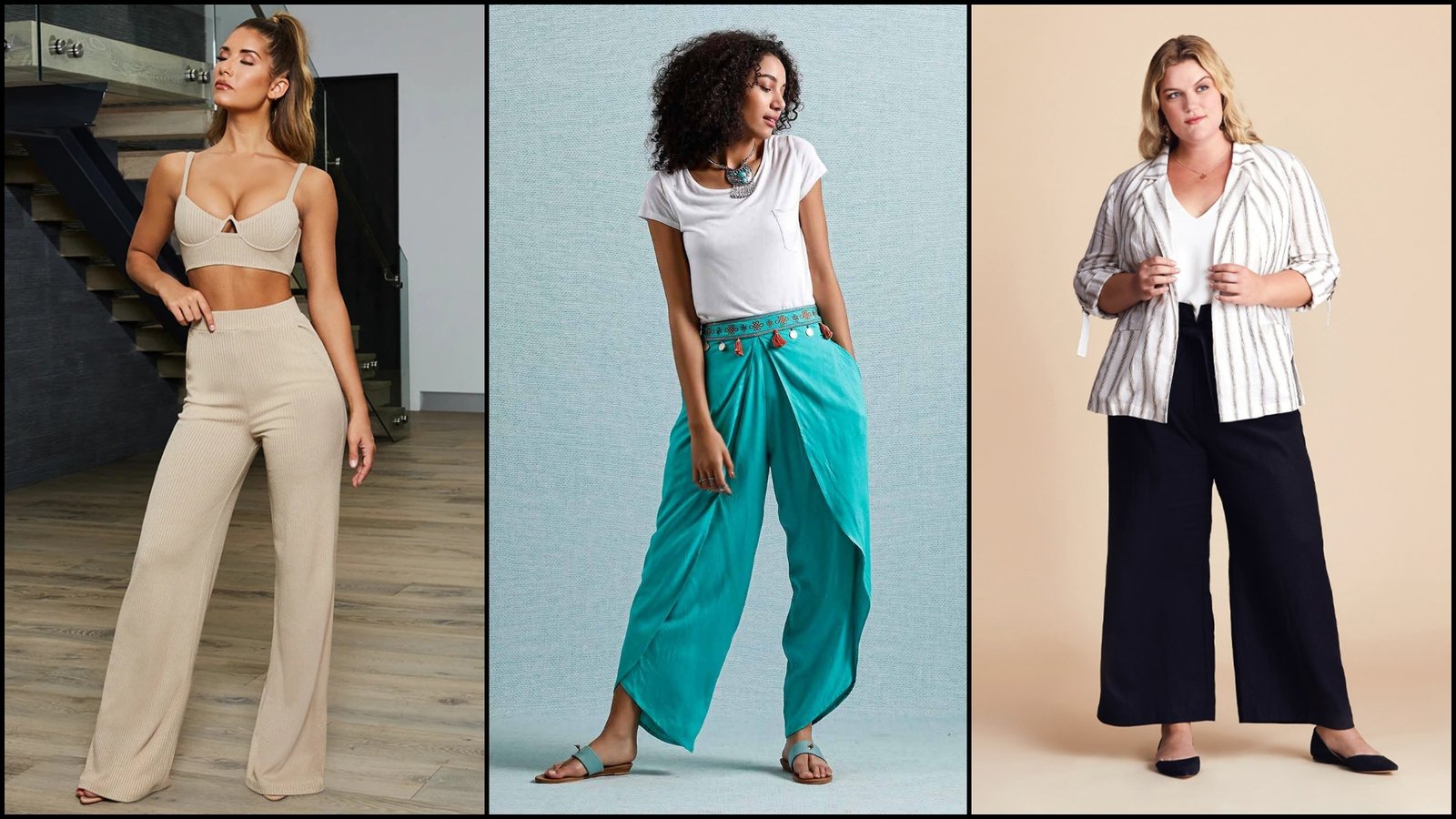
We have all been guilty of it. You spot a pair of pants online or in a shop window. They look sharp, expensive, and like they could single-handedly upgrade your entire style. You buy them. You bring them home. You try them on the next morning, and something just feels… off. You aren’t sure why, so you push them to the back of the closet. Eventually, they get donated, tags still on.
It is a painful cycle, and it is also an expensive one.
The truth is, most of us shop with our eyes, but we need to shop with our bone structure. As an image consultant, I look at how fabric meets the body. And I have learned that the same pair of pants can look like a dream on one person and a disaster on another simply because of the silhouette. Here is how to break it down so you stop wasting money and start dressing with intention.
Read Also: Dressed in Respect: How Funeral Fashion in Ghana Tells a Deeper Story
The Rectangle Shape
If your shoulders, waist, and hips are roughly the same width, you likely have a rectangle body shape. Your goal is usually to create the illusion of curves and dimension.
@withthobile Here are the types of pants to wear based on your body shape. #kindofpantstowear #imageconsultant #withthobile #whatpantstowear #greenscreen ♬ original sound – Withthobile 🇿🇦
Your Power Pant: Cargo pants.
Those pockets and bulk that everyone else worries about? They are your best friend. The extra volume on the hips and thighs adds weight to your lower half, giving you a balanced silhouette that suddenly looks curvier. You can also pull off wide-leg pants beautifully, as they add movement and flow that breaks up a straight line.
The Pear Shape
You are narrower on top and carry your weight below the waist, through the hips and thighs.
Proceed with Caution: Cargo pants.
As much as you might love the trend, cargo pants add volume and character right where you need it least. They draw the eye directly to the widest part of your body, distorting your natural balance. If you want to try them, go for a darker color and ensure the pockets sit flat, not bulging.
Your Power Pant: Flat-front pants.
A smooth, flat-front trouser in a straight or slight bootcut leg glides over the hips and creates a long, lean line. This is your superpower style.
The Apple Shape
You carry weight around your middle, often with slimmer legs and arms.
Your Challenge: Denim waistbands.
Rigid denim can be unforgiving around the waist. It fights you rather than fitting you. Look for pants with stretch or softer cotton fabrics that mold to you.
Your Power Pant: Pleated pants (with a caveat).
Pleats are your friend because they offer extra room through the midsection. However, you must buy them one size up. If the pleats are pulling or stretching open, they create a messy, bunched-up look. Buy for the waist, let the pleat lie flat, and then hem the length. It looks polished, not tight.
The Hourglass Shape
You have a defined waist with bust and hips that are roughly equal in width.
Your Power Pant: Flat-front pants.
Your curves are the feature, not the bug. A flat-front pant sits smoothly over your hips without adding extra bulk. It follows your natural line and highlights your proportions perfectly. High-waisted, wide-leg styles can also work beautifully, as they cinch the waist and let the fabric drape over your curves.
The Inverted Triangle Shape
You have broader shoulders and a wider upper body compared to your narrower hips and legs.
Your Power Pant: Wide-leg pants.
You need weight on the bottom to balance the top. Wide-leg pants with a fluid, drapey fabric create that balance. Look for materials that “dance” and move when you walk—stiff fabric will look boxy. You want something that flows out from the hip to match the width of your shoulders visually.
At the end of the day, trends come and go, but structure is permanent. When you stop forcing your body to fit the pants and start letting the pants fit your body, something clicks. You stop worrying about how you look and start getting on with your day. And that, right there, is the best style of all.








Fashion & Style
Wyclef Jean Gives Ghanaian Kaftan a Global Spotlight After ‘Chineke’ Fashion Inspiration
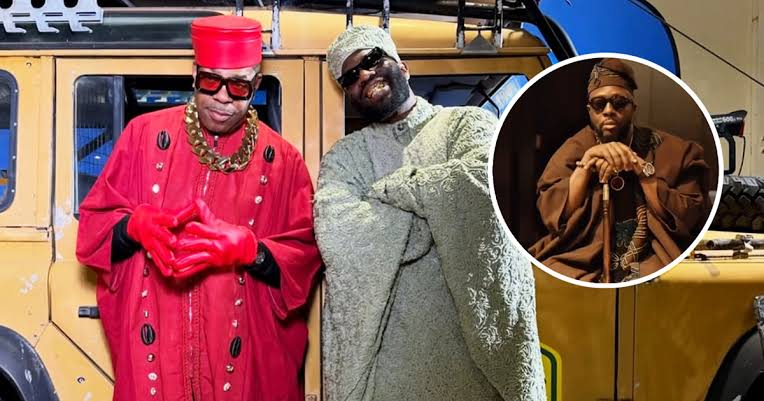
Wyclef Jean is making a statement in African fashion, proving that a striking outfit can carry a message far beyond appearance.
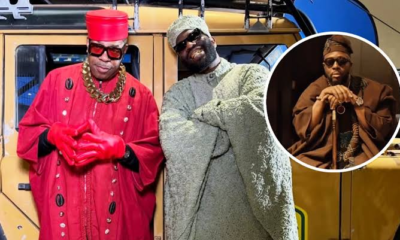
The Grammy-winning musician has showcased an embroidered Ghanaian kaftan inspired by the regal traditional looks worn by Busta Rhymes and Tobe Nwigwe in their Chineke music video, bringing Ghanaian craftsmanship and cultural symbolism into an international fashion conversation.
The chocolate-brown ensemble features intricate cream embroidery, green detailing and a flowing silhouette, complemented by dark sunglasses and a statement pendant necklace.
A particularly meaningful detail is the Gye Nyame Adinkra symbol embroidered on the upper right arm. Representing the supremacy of God, the symbol is widely recognised in Ghana and gives the outfit a distinct cultural identity.
While the Chineke video draws on Yoruba Nigerian traditional styling, Wyclef’s interpretation highlights Ghanaian fashion through the decorated kaftan.
The distinction illustrates how African-inspired fashion can travel across borders while retaining connections to individual cultural traditions.
Known for his work with the Fugees and solo hits such as Gone Till November, Wyclef has long occupied a space where music, personal expression and cultural identity intersect. This latest fashion moment continues that conversation.
The inspiration comes from CHINEKE, the collaboration between Nigerian-American rapper Tobe Nwigwe and hip-hop legend Busta Rhymes, released on October 9 as the opening track of Nwigwe’s album The Bridge. Its visual presentation celebrates heritage through bold styling and imagery.
Wyclef also paired his outfit reveal with a reflection on freedom, writing: “Freedom is using the present to rewrite the future that the past tried to steal from us.”
By choosing a Ghanaian kaftan, Wyclef turns a fashion reference into something more personal: a statement about heritage, creative freedom and the power of African style to speak to the world.
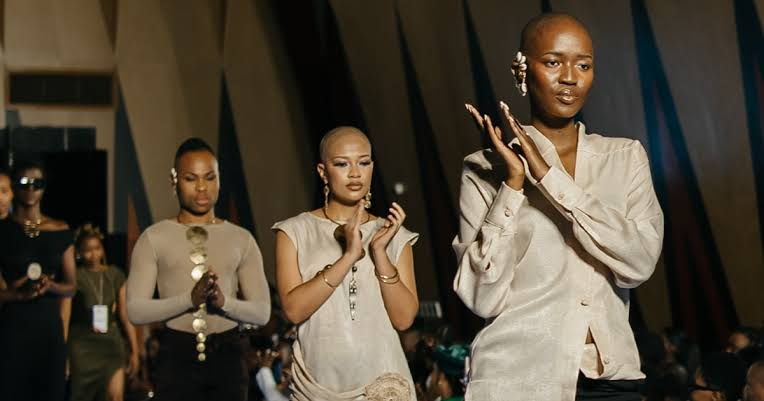
African fashion made a statement in Maputo, Mozambique, where Fancy Africa 2026 celebrated a decade of creativity with a message that reached beyond the runway: cultural identity deserves both recognition and commercial opportunity.
Held from 28 September to 3 October at the Centro Cultural Moçambique-China, the event brought together designers, models and industry professionals under the anniversary theme, “Ubuntu: Temos História. Somos Cultura. Africa Rise” — a celebration of shared history, culture and African progress.
But the 10th-anniversary edition was about more than spectacular clothing. Founder and creative director King Levi Dapper positioned Fancy Africa as a meeting point for fashion, education, entrepreneurship and cultural exchange.
The programme opened with a two-day summit featuring workshops, masterclasses, networking and a hackathon, followed by a cultural day and three days of fashion shows.
Pop-up stores, exhibitions and the Fancy Bazaar gave visitors additional opportunities to engage with African creativity.
One of the event’s most significant developments was the Digital Fancy Store, which enabled participating designers to promote collections and begin selling before the shows. Under the announced arrangement, designers receive 85 per cent of each sale, while the platform retains a 15 per cent commission.
That commercial focus matters in an industry where talented African designers can attract attention without always having the infrastructure to turn recognition into sustainable income.
The Fancy Africa Awards extended the celebration to modelling, with South African model Tsebo Phasha, 36, winning Model of the Year through public voting.
With support from Vodacom as connectivity sponsor and Sir Motors as mobility partner, the event also highlighted the partnerships needed to grow the creative economy.
As Fancy Africa enters its second decade, its ambition is clear: African fashion should not simply inspire audiences on the catwalk. It should build businesses, create opportunities and carry the continent’s stories into international markets.
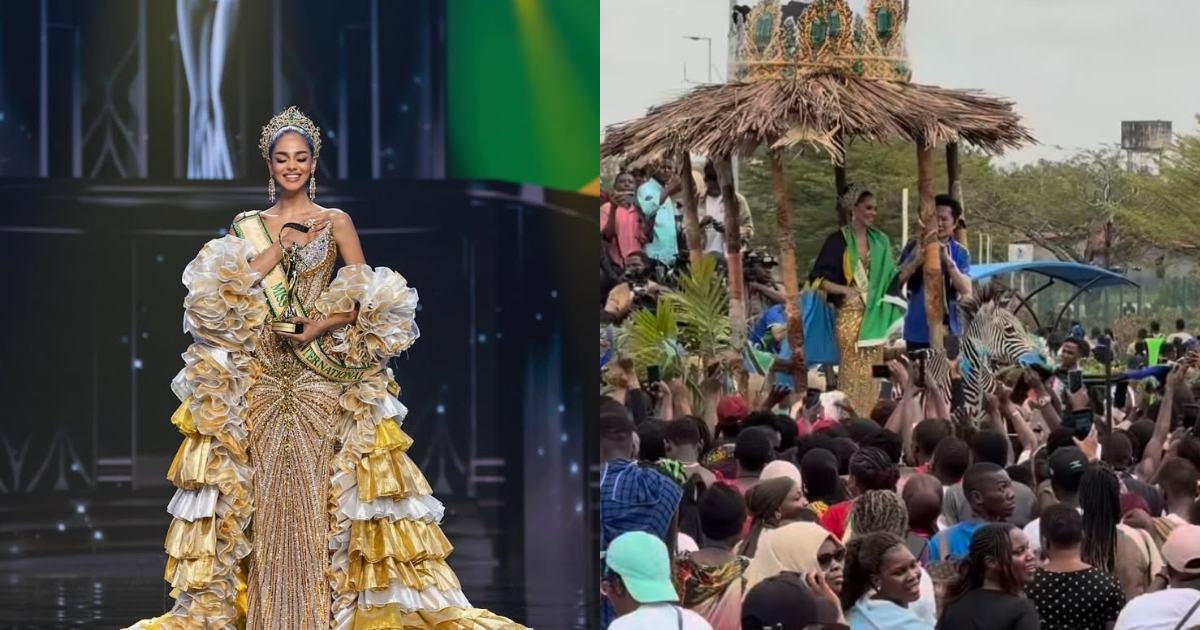
A crown can win a competition, but the welcome waiting at home can turn a victory into a national statement.
For Jihan Dimack, Tanzania’s newly crowned Miss Grand International 2026 queen, that moment arrived with cheering fans, a motorcade and a spectacular water salute at Julius Nyerere International Airport in Dar es Salaam.
The extraordinary reception transformed her return into a celebration of beauty, ambition and national identity.
As airport fire engines sent arcs of water over the arriving aircraft, the ceremonial gesture offered a striking welcome for a woman whose pageant achievement has captured the imagination of supporters across Tanzania.
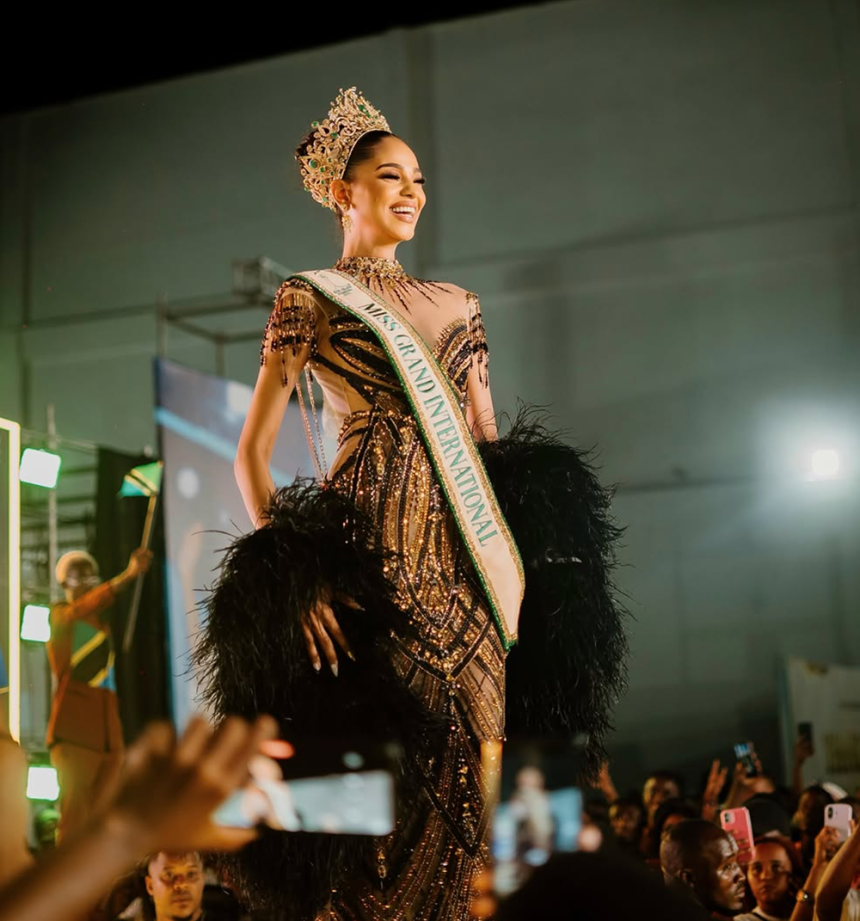
For the fashion world, Dimack’s homecoming highlights how beauty queens can become powerful cultural ambassadors.
Their influence extends beyond evening gowns, carefully styled hair and the confidence required to command an international runway.
Through their public appearances, they also represent their countries, carrying national pride into spaces where fashion, entertainment and cultural identity meet.
The motorcade and enthusiastic airport crowds gave Dimack a different kind of runway: one shaped not by judges or stage lights, but by the people celebrating her success.
The occasion demonstrated how pageantry can create a shared moment of excitement, connecting the glamour of international competition with the emotions of home.
Her achievement also offers an encouraging image for young African women who aspire to enter fashion, modelling and other creative industries.
A crown can open doors, but the visibility that comes with it can create opportunities to influence conversations about representation, confidence and ambition.
“Karibu nyumbani, Queen Jihan!” — welcome home, Queen Jihan!
With Tanzania embracing its returning queen, Dimack’s story shows that the most memorable fashion moments are not always about what a woman wears.
Sometimes, they are about what she represents when she comes home.


Funding Fears Loom For Ghana’s Life-Saving Malaria Vaccine Five Years After Roll Out

‘There was a Coordinated Disclosure Plan’: AI-Discovered Flaw in PHP Triggers Global Internet Chaos as Cybercriminals Race to Exploit It

Yandex Strikes: Can Moscow Host Africa Under Drone Threat?
-

 Ghana News19 hours ago
Major Sexual Abuse Scandal Rocks Ghana High School: Obuasi School Headmaster Sues Journalist for GH¢2 Million as Investigation Into Alleged Misconduct Widens
-

 Reels & Social Media Highlights1 day ago
Ghana’s Digital Heartbeat: Outrage, Satire, and the Fight for Accountability
-

 Festivals & Events23 hours ago
Compozers Fest Ghana Edition: Welcoming 2027 with Music in Accra
-

 Taste GH23 hours ago
Airport Residential Area: Where Accra’s Dining Scene Meets Global Flavours
-
 Fashion & Style2 days ago
Wyclef Jean Gives Ghanaian Kaftan a Global Spotlight After ‘Chineke’ Fashion Inspiration
-

 Health & Wellness2 days ago
Beyond Bigger Muscles: Why Strength Training Matters for Healthy Ageing
-

 Health & Wellness1 day ago
Four Everyday Lifestyle Habits That Can Make Weight Loss Easier
-
 Health & Wellness23 hours ago
Why Keeping Weight Off Can Be Harder Than Losing It