
Ghana News
Explainer: Why Is Ghana, a Nation of Farmers, Importing Its Own Staple Food?

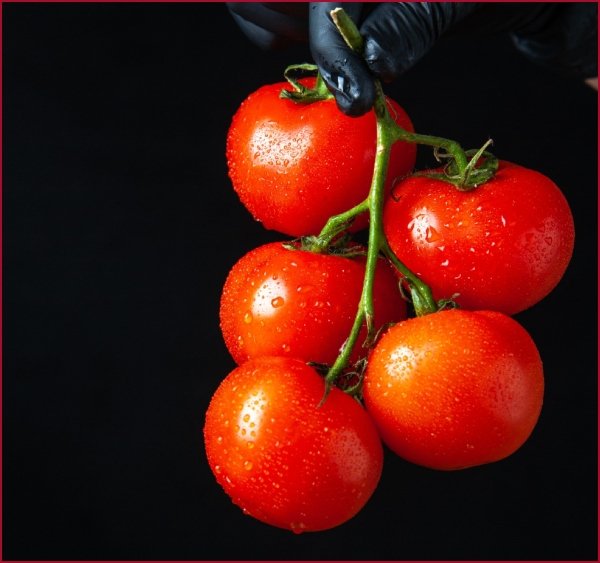
At first glance, the image is jarring: in Ghana, a nation with vast agricultural potential, fresh tomatoes—a staple of local cuisine—have become a scarce and expensive commodity.
In the markets of Accra, a small bowl of four tomatoes can sell for the equivalent of over a dollar, pricing out many families. Traders watch helplessly as their stock rots within days, while farmers in the north abandon tomato fields for more resilient crops.
But the crisis now gripping Ghana’s tomato sector is not merely a story of bad weather or seasonal shortage. It is a textbook example of how the convergence of infrastructure failure, climate vulnerability, post-harvest losses, and a perilous dependence on imports can unravel a nation’s food system.
The Infrastructure Deficit: When Dams Run Dry
Ghana’s tomato production was once anchored by major irrigation infrastructure in the north, particularly the Tono and Vea dams. These projects, built decades ago, were designed to enable year-round farming, allowing the country to produce tomatoes even during the long dry season.
Today, that system has collapsed. Broken dams, neglected canals, and a lack of investment in maintenance mean that water no longer flows reliably to the fields. Without irrigation, tomato farming becomes a gamble on rainfall—a high-risk endeavor in an era of increasing climate volatility.
As a result, farmers in the Upper East Region are shifting to less perishable, more water-efficient crops like pepper, rice, and garden eggs. The logic is sound: why invest months of labor in a crop that may wither without water, and even if it survives, may rot before reaching the market?
The Post-Harvest Problem: A GH¢250 Million Annual Loss
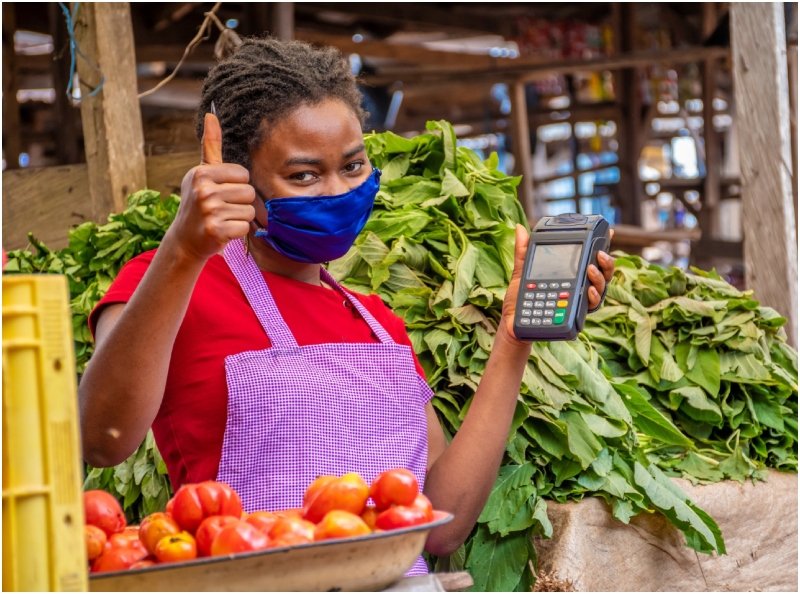
Even when tomatoes are successfully grown, the battle is only half won. Research data indicates that fruit and vegetables in Ghana suffer post-harvest losses of between 30 and 50 percent annually. For tomatoes, the Chamber of Agribusiness Ghana estimates that approximately 45 percent of domestic production—worth GH¢250 million—rots each year.
The culprit is a near-total absence of cold chain infrastructure. From the farm gate to the wholesale market to the retail stall, tomatoes move through a system with no refrigeration. Ripe tomatoes have a shelf life of two to three days at ambient temperature. Without cold storage, every hour of delay is a measurable loss.
This inefficiency carries a staggering economic cost. The chamber estimates that the domestic tomato industry loses approximately GH¢5.7 billion annually when accounting for import costs, foregone tax revenue, post-harvest losses, and unrealized wages from an estimated 250,000 potential jobs that do not exist due to import dependence.
The Import Trap: 1,159 Kilometers of Risk
With domestic production in decline, Ghana has turned to its northern neighbor, Burkina Faso, to fill the gap. Today, the country imports over 75,000 tonnes of fresh tomatoes annually, primarily from Burkinabè farms. At first glance, this appears to be a straightforward case of regional trade.
But the reality is far more precarious. The journey from the tomato-growing regions around Ouahigouya in Burkina Faso to the main markets in Accra spans more than 1,159 kilometers. Under ideal conditions, the trip takes over 20 hours. In practice, traders report that it can take up to 50 hours—more than two full days—due to poor roads, traffic congestion, and delays at border crossings.
By the time the fruit arrives in Accra, its shelf life is already exhausted. Traders must sell within hours or watch their investment rot. The margin for error is zero.
This journey has now become not only economically unsustainable but physically dangerous. In a recent terrorist attack near Ouahigouya, seven Ghanaian tomato traders were killed when their truck was attacked. The incident has thrown the continuity of this cross-border trade into doubt, with traders reportedly instructed to suspend travel for one month.
The Processing Gap: Leaving Value on the Table
Perhaps the most striking symptom of the crisis is the absence of tomato processing capacity. In functioning agricultural systems, surplus production during peak seasons is absorbed by processing factories, which convert fresh tomatoes into paste, puree, or canned products that can be stored for months or even years.
Ghana has no such capacity. When local tomatoes flood the market during the July harvest, prices collapse, and farmers lose money. Without factories to buy the excess, the surplus rots. Meanwhile, Ghana remains the largest importer of tomato paste in Africa and the second largest globally—spending millions annually to buy back what it could have processed itself.
The contrast with Burkina Faso is instructive. Despite being a poorer nation, Burkina Faso has invested in tomato processing infrastructure, launching two major factories in recent years. The government has signaled its intention to restrict raw tomato exports to encourage local processing—a move that, if implemented, would deal a severe blow to Ghana’s food security.
The Policy Disconnect
Successive Ghanaian governments have announced plans to address these challenges. The revival of the Pwalugu tomato factory has been promised. Irrigation rehabilitation has been discussed. Import restrictions have been floated to protect local farmers.
Yet on the ground, nothing has changed. Traders still watch their tomatoes spoil. Farmers still lack access to water. The country still hemorrhages foreign exchange to import what it could grow itself.
For the women selling tomatoes in Tudu market, these distant policy discussions offer little comfort. As one trader put it, scanning the shrinking pile of fruit before her: “God is able to help us to provide for our families.”
In a functioning agricultural economy, divine intervention would not be required. Cold storage, irrigation, and processing facilities would suffice.
Lessons for the Global South
Ghana’s tomato crisis offers a cautionary tale for emerging economies across Africa and beyond. Agricultural development is not solely about production—it is about the entire ecosystem that surrounds it. Irrigation infrastructure, cold chain logistics, processing capacity, and transport networks are not luxuries to be added after the fact. They are the essential scaffolding without which production cannot translate into prosperity.
When that scaffolding collapses, the consequences ripple outward: farmers abandon the land, traders face impossible risks, consumers pay higher prices, and nations surrender their food sovereignty to forces they cannot control.
The tomatoes rotting in Accra’s markets are not just food gone to waste. They are a measure of how far a country must go to build a system that truly works.







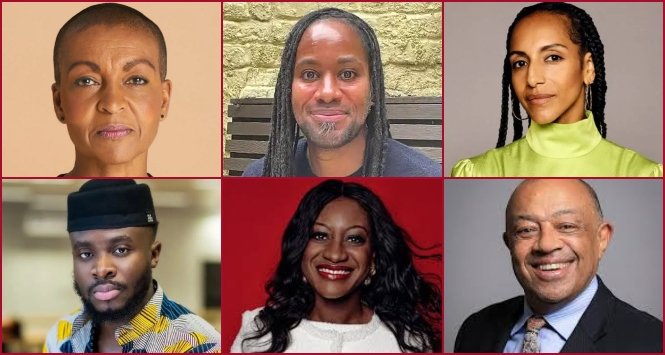
London / Accra – March 2, 2026 – As Ghana marks its 69th Independence Day, the UK’s All-Party Parliamentary Group (APPG) for Ghana has launched the “UK Black Stars” initiative—a new recognition program honoring the most impactful and influential British-Ghanaians shaping life across Britain.
In a video message shared on social media and parliamentary channels, the APPG Chair, Bell Ribeiro-Addy, declared:
“Ghana turns 69 and here in the United Kingdom people of Ghanaian heritage aren’t just celebrating, we’re building.”
The campaign highlights the dual identity and excellence of the British-Ghanaian community, from boardrooms and courtrooms to classrooms, hospitals, labs, and creative industries.
The launch spotlights high-profile figures already making waves, including:
- Jason Arday (University of Cambridge academic)
- Afua Hirsch (journalist, author, broadcaster)
- June Sarpong (media executive)
- Adjoa Andoh (Bridgerton actress)
- Fuse ODG, Raye, and Stormzy (music artists)
- Lord Paul Boateng (one of the first Black MPs in Britain)
- Afua Kyei (Bank of England)
- Barbara Mills KC (Bar Council)
- Michelle Agyemang (footballer)
The APPG stated that these are just the beginning. “Excellence is everywhere,” the statement continued, calling for nominations of doctors, entrepreneurs, artists, young leaders, and community changemakers who embody British-Ghanaian pride and contribution.
Nominations are now open via ukblackstars.com. The initiative aims to amplify visibility, celebrate dual heritage, and demonstrate the positive impact of the diaspora on UK society while reinforcing ties with Ghana.
The launch coincides with Ghana’s 69th Independence Day celebrations worldwide and reflects growing recognition of diaspora contributions to both host nations and the homeland.
The APPG for Ghana continues to advocate for stronger bilateral ties, trade, education, and cultural exchange between the UK and Ghana.
Ghana News
Court Slaps Barker-Vormawor with GH₵5m for Defaming Kan Dapaah and Other Trending Topics in Ghana (March 2, 2026)
Welcome to our rolling news update from Ghana, delivering timely insights and developments as they break. Return often as we continue to add the latest stories.
Court Slaps Barker-Vormawor with GH₵5m in Favour of Kan Dapaah for Defamation
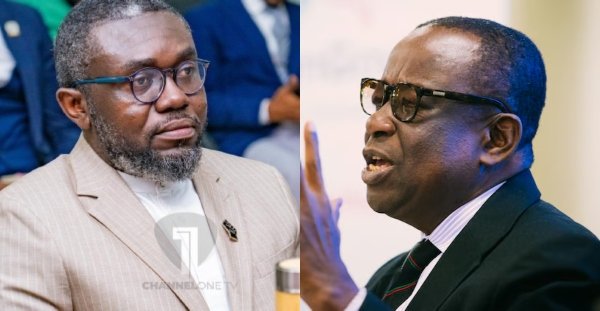
The High Court in Accra has awarded GH₵5 million in general damages to former National Security Minister Albert Kan Dapaah against Oliver Barker-Vormawor, the former convener of the FixTheCountry Movement, for defamation. The ruling, delivered on March 2, 2026, also includes GH₵100,000 in costs. Justice (Rev.) Joseph Owusu Adu-Agyeman granted all reliefs claimed by Kan Dapaah except reducing the compensation from GH₵10 million to GH₵5 million. The case stemmed from Barker-Vormawor’s allegations of a $1 million bribery offer involving Kan Dapaah and government officials to halt activism. The court dismissed Barker-Vormawor’s application to relist his struck-out Statement of Defence and Witness Statement, deeming it irregular.
Read the full story here
Barker-Vormawor Vows to Challenge GH₵5.1m Kan Dapaah Defamation Judgment
Oliver Barker-Vormawor has announced plans to challenge the High Court’s March 2, 2026, ruling awarding GH₵5 million in damages and GH₵100,000 in costs to Albert Kan Dapaah for defamation. In a Facebook post, Barker-Vormawor cited procedural irregularities, including the court’s refusal to allow completion of cross-examination, striking out his defence after an adjournment due to his lawyer’s new appointment as Deputy Attorney General, and not considering his filed witness statement. He stated, “Of course we will seek to set it aside. But he can take his victory lap,” and invited the public to review his unconsidered witness statement. The judgment granted all of Kan Dapaah’s reliefs except reducing the claim from GH₵10 million to GH₵5 million.
Read the full story here
Presidential Wardrobe: Mahama’s Repeated Smock at SONA – Coincidence or a Statement?
President John Dramani Mahama’s choice to wear the same traditional handwoven smock (fugu/batakari) with bold vertical stripes in deep burgundy, brown, mustard yellow, black, and white details for his second consecutive State of the Nation Address (SONA) has sparked discussions on symbolism. The outfit, paired with a matching cap, is seen as representing continuity of his Reset Agenda, consistency of purpose, humility, and pride in Northern Ghanaian heritage. Historian Kwaku Darko Ankrah interprets it as a reassurance of steadfast commitment and resilience, echoing independence-era use of traditional attire for economic and developmental strength. During the SONA, the Minority caucus wore black attire with protest sashes reading “Cocoa farmers are pitiful,” while the Majority wore white signifying unity and support.
Read the full story here
Government Must Liaise with Gulf States to Safeguard Ghanaians – Prof Antwi-Danso
International relations expert Prof Vladimir Antwi-Danso has urged the Ghanaian government to coordinate with Gulf states and partners to ensure the safety and potential evacuation of nationals amid flight cancellations and air travel disruptions caused by escalating Middle East tensions. Speaking on JoyNews’ The Probe on March 1, 2026, he recommended diplomatic and consular actions, real-time updates for families, and work within the UN framework for de-escalation. The call follows regional instability, including missile threats and airspace closures, stranding Ghanaians and highlighting risks to citizens abroad.
Read the full story here
US/Israel Attack: Iranian Ambassador to Ghana Slams ‘State Terrorism’; Violation of the UN Charter
Iran’s Ambassador to Ghana, Ali Ghomshi, has condemned the joint US-Israeli strikes on Iran as “cowardly assassination” and “state terrorism,” violating international law and the UN Charter (Article 2, Paragraph 4). In a statement on March 2, 2026, he described attacks on civilian infrastructure—including hospitals, Red Crescent facilities, schools, and a girls’ school in Minab where over 150 children were martyred—during Ramadan and Nowruz as war crimes. Iran vows a “lawful and decisive” response and calls on the UN, Islamic nations, and Non-Aligned Movement to act against the aggression. Ghomshi emphasized Iran’s resilience, internal cohesion, and right to self-defense, paying tribute to Supreme Leader Khamenei as a symbol of resistance and assuring no power vacuum.
Read the full story here
Ghanaian Residents in Qatar Urged to Register for Emergency Preparedness Amid Regional Tensions
The Embassy of Ghana in Doha has urgently called on all Ghanaian nationals in Qatar to register immediately with the mission as part of ongoing emergency preparedness measures amid heightened tensions and unrest in the Middle East. The registration, accessible via an online form, will enable the embassy to communicate effectively, provide assistance, and coordinate evacuation arrangements if necessary. All information submitted will be treated with strict confidentiality and used solely for official consular and emergency purposes. The advisory follows recent regional hostilities, including missile and drone activity affecting Gulf countries, and complements earlier shelter-in-place guidance. Ghanaians in Qatar—including students, workers, families, and visitors—are encouraged to complete the form promptly.
Read the full story here
Mother and Three Children Drown in Abandoned Galamsey Pit at Wassa Dankwa
A tragic incident in the Amenfi West Municipality of the Western Region claimed the lives of a 42-year-old woman and her three sons after they drowned in an abandoned illegal mining (galamsey) pit at Wassa Dunkwa on Saturday afternoon. The family had gone to collect firewood from dried cocoa trees near the site—a common practice among residents—when the children decided to swim in the water-filled pit. The mother rushed to rescue them but was unable to save them or herself. Bodies were retrieved and conveyed to the morgue at Catholic Hospital in Asankragwa. Police at Asankrangwa have commenced investigations. The incident renews concerns about the persistent dangers posed by unregulated and abandoned galamsey pits in many communities across the Western Region.
Read the full story here
‘I Dreamt of My Father Awaiting Judgment’ — Mahama Recalls Teen Nightmares
President John Dramani Mahama shared a deeply personal reflection on his teenage years during the opening of the 2026 Judicial Year of the African Court on Human and Peoples’ Rights in Arusha, Tanzania, on March 2, 2026. He recounted recurring nightmares about his father— a minister in Kwame Nkrumah’s government—standing before judges awaiting judgment after detention following the 1966 coup. Mahama described how his father was interrogated, held for over a year, and later faced renewed risk during the 1974 Acheampong coup despite being a private rice farmer. In a letter to Acheampong, his father offered unsolicited advice: “Do not hold on to power for too long. Leave when the applause is the loudest.” The President said these experiences shaped his understanding of the dangers of challenging power and the importance of justice, stating: “Although I stand before you as a head of state, I remain the child whose father was detained for serving his country and advising its leader.” The anecdote underscored themes of human rights, impunity, and judicial independence.
Read the full story here
Ghana Maintains Over 5 Weeks of Fuel Stock Amid Middle East Tensions – NPA Assures
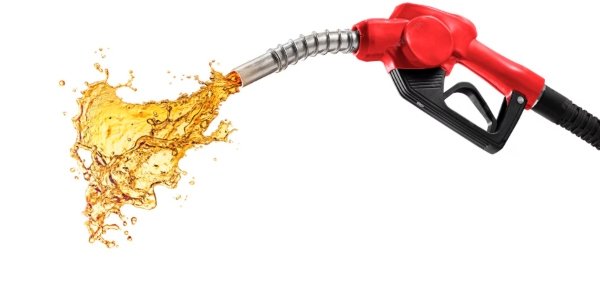
The National Petroleum Authority (NPA) has reassured Ghanaians that the country has sufficient fuel reserves despite escalating tensions in the Middle East, including the recent Israel-Iran conflict and threats to the Strait of Hormuz. As of last Friday (February 27, 2026), diesel stocks are projected to last over 5 weeks (approximately 5.3 weeks), while petrol stocks can sustain nearly 6.8 weeks. NPA Director of Economic Regulation and Planning Abass Ibrahim Tasunti, speaking on JoyNews’ The Probe on March 1, 2026, attributed the robust buffer to regular import mandates, daily product discharges, production from the Sentuo oil refinery (operational since June 2025), and the Atuabo gas processing plant for LPG. He emphasized continuous monitoring and planned imports to prevent disruptions, stating, “Even without this war, we always ensure that we have a plan to make petroleum products available for consumers in the country.” Vessels with diesel and petrol cargoes are already at Tema anchorage, with more scheduled.
Read the full story here
Three Arrested for Beating Liberian National to Death in Sakumono
Three suspects—Francis Amuzu (44), William Adison (36), and Vincent Adzikah (34)—have been arrested by Sakumono District Patrol Team after a mob beat a 26-year-old Liberian national, Austin Tengeeh, to death near the Electricity Company of Ghana (ECG) facility at Lashibi in Sakumono, Greater Accra Region, on February 27, 2026. The victim was mistaken for a thief. Police responded to a distress call, found him unconscious with assault marks, and rushed him to Sakumono Community Hospital, where he was pronounced dead on arrival. His body is at the hospital morgue, and diplomatic protocols are being followed. The National Police Headquarters’ Cyber Vetting and Enforcement Team is pursuing additional suspects. Investigations continue.
Read the full story here
10 Confirmed Dead, 30 Critical After Manso Tontokrom Mine Cave-In
A cave-in at an illegal mining site (galamsey) in Manso Tontokrom, Ashanti Region, has claimed 10 lives, with 30 others in critical condition as of March 2, 2026. Emergency teams are intensifying rescue operations, with an unspecified number still believed trapped underground. Injured victims have been transported to Hwidiem Hospital. Officials have not disclosed the exact cause or total number of miners present at the time, but investigations are underway to determine the circumstances. The incident highlights ongoing safety risks in unregulated small-scale mining operations.
Read the full story here
President Mahama Arrives in Tanzania for African Court’s 20th Anniversary
President John Dramani Mahama arrived at Kilimanjaro International Airport in Tanzania on March 1, 2026, to participate in the 20th anniversary celebrations of the African Court on Human and Peoples’ Rights and the African Court of Justice and Human Rights in Arusha. He will deliver the keynote address at the solemn opening of the 2026 Judicial Year on March 2, themed “20 Years of Service in Protecting Human and Peoples’ Rights in Africa,” at Kibo Hall. Accompanied by senior officials including Presidential Advisor Joyce Bawa Mogtari and Legal Advisor Marietta Brew, his visit underscores Ghana’s commitment to the rule of law, human rights, and African Union judicial institutions. He was received by Tanzania’s Minister of Foreign Affairs Ambassador Mahmoud Thabit Kombo, Ghana’s High Commissioner to Kenya Paul Evans Aidoo, and Supreme Court Judge Justice Sir Dennis Dominic Adjei.
Read the full story here
TikToker Arrested for Spreading False Claims About Kumasi Police Officers
Isaac Boafo, a 45-year-old TikTok content creator known as “Duabo King,” has been arrested by the Police Intelligence Directorate (Ashanti Region) for publishing false information. He alleged on TikTok that four officers at the Central Police Station in Kumasi engaged in inappropriate sexual conduct with commercial sex workers during night patrols at Asafo. During interrogation, Boafo admitted fabricating the claims to gain views and engagement, and also confessed to making unverified comments about the President for similar reasons. He was formally charged and detained pending further investigations. The Ashanti Regional Police Command, in a March 1, 2026, press release signed by Deputy Superintendent of Police Godwin Ahianyo, warned that such conduct will be dealt with according to law.
Read the full story here
Diplomatic Reset: President Mahama Appoints Baba Sadiq High Commissioner-Designate to Nigeria
President John Dramani Mahama has appointed Baba Sadiq Abdulai Abu as Ghana’s High Commissioner-designate to Nigeria, as announced by the Ministry of Foreign Affairs on March 1, 2026. The move signals a diplomatic reset in Ghana-Nigeria relations under the Mahama administration. Baba Sadiq, a prominent figure in Ghana’s creative and media industries, recently served as the National Democratic Congress parliamentary candidate for Okaikwei Central in the 2024 elections. The appointment follows the recall of previous envoy Mohammed Baba Jamal Ahmed (Baba Jamal) after he contested the Ayawaso East by-election amid allegations of voter inducement in NDC primaries. Ghana and Nigeria share deep historical, cultural, and economic ties, though relations have faced challenges from trade disputes, migration concerns, and regulatory issues affecting businesses.
Read the full story here
32-Year-Old Missing Woman Reportedly Killed in Road Crash
A 32-year-old woman who went missing after booking a ride-hailing trip to Kumasi Airport on Thursday, February 26, 2026, has reportedly died in a road accident. The Uber vehicle, traveling at high speed in the early hours (around 4–5 a.m.), crashed into a broken-down bus parked in the middle of the road. An eyewitness rushed the woman and the driver to hospital; she succumbed to her injuries, while the driver survived but remains in a coma. Further details on the exact crash location or family response were not immediately available, and police involvement is not yet confirmed.
Read the full story here
Return often as we continue to add the latest stories.

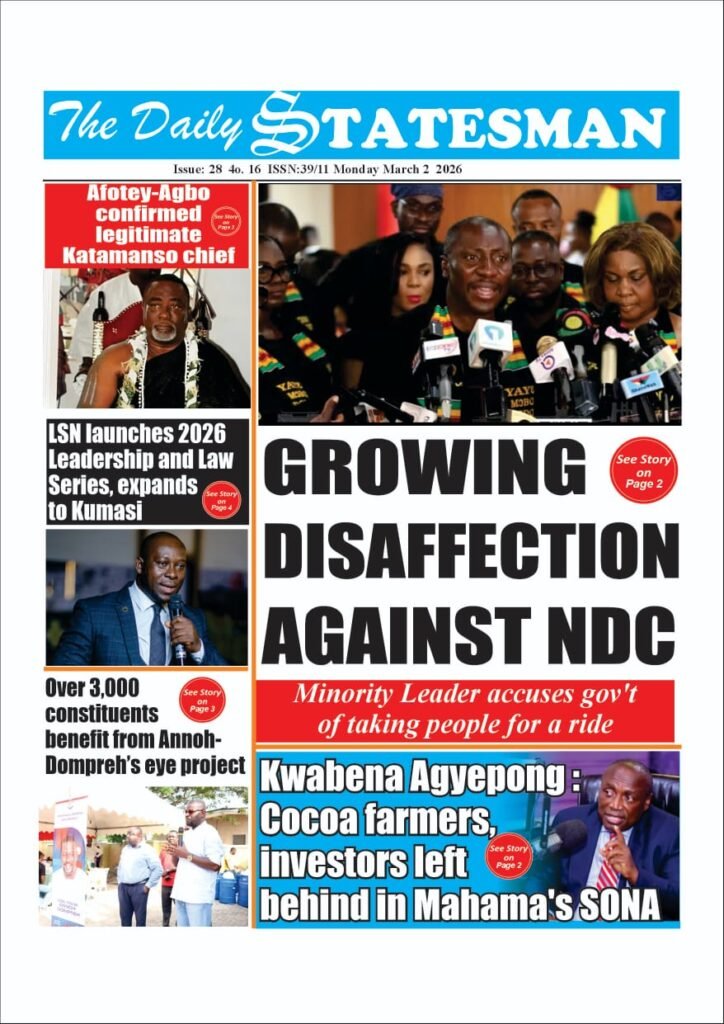
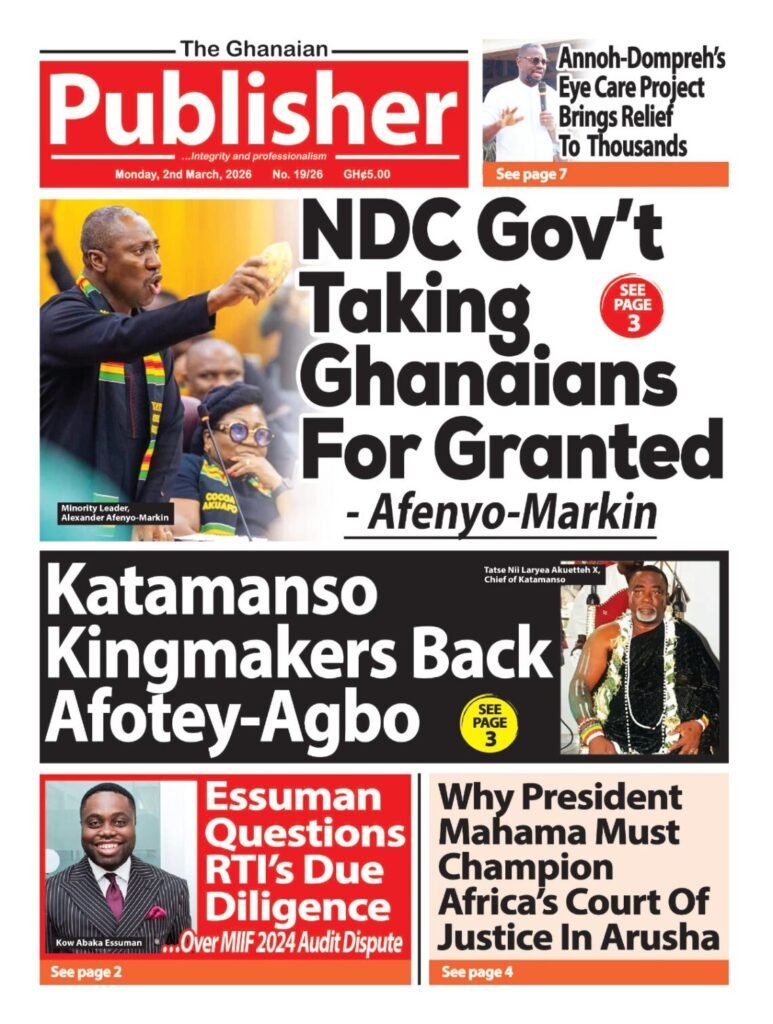
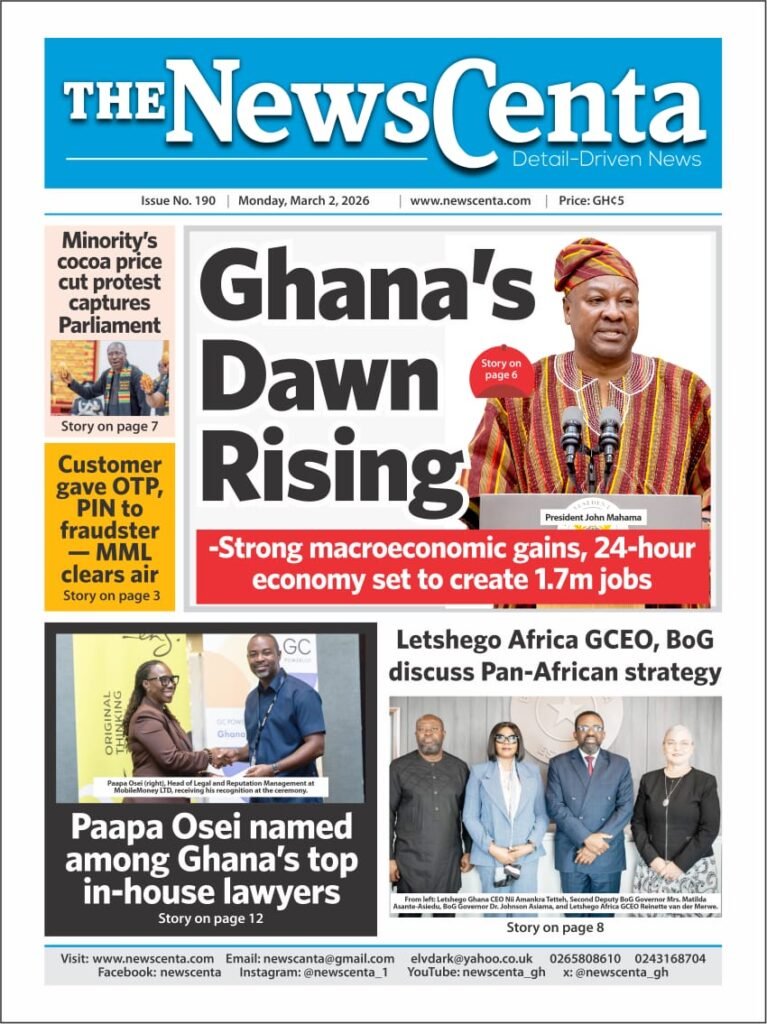
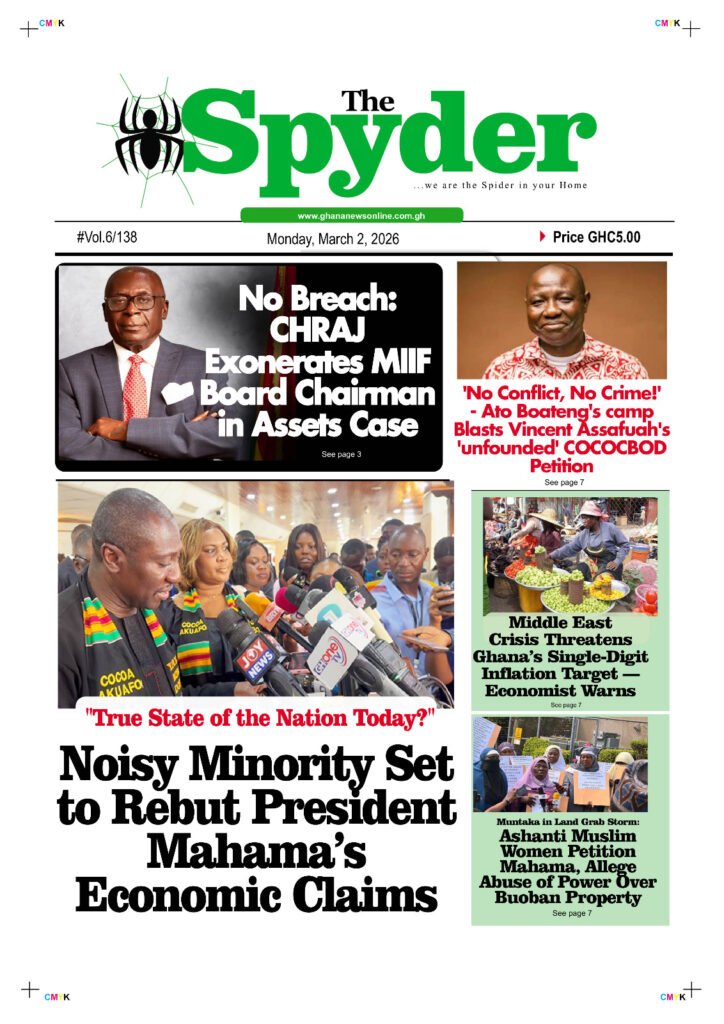
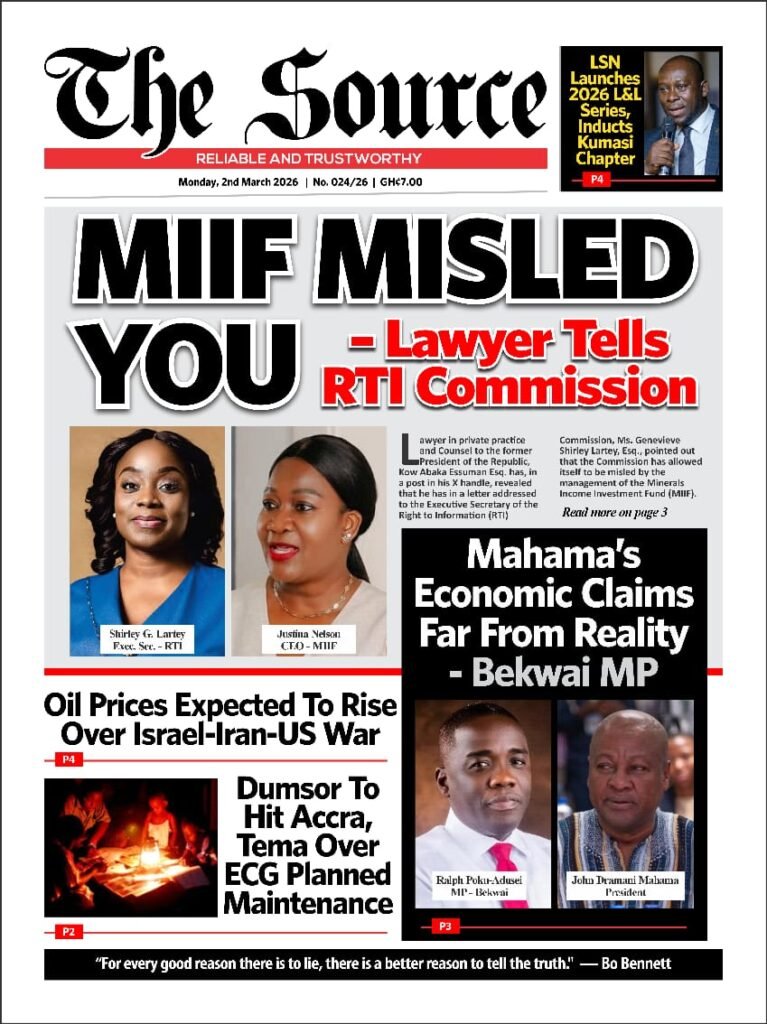
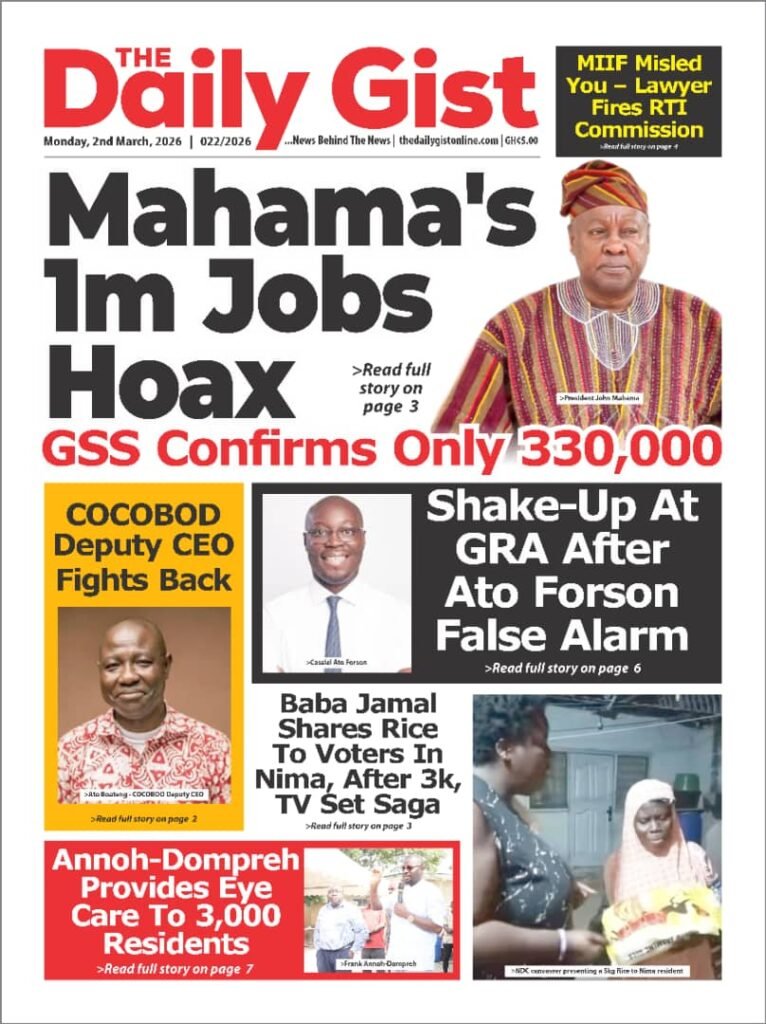
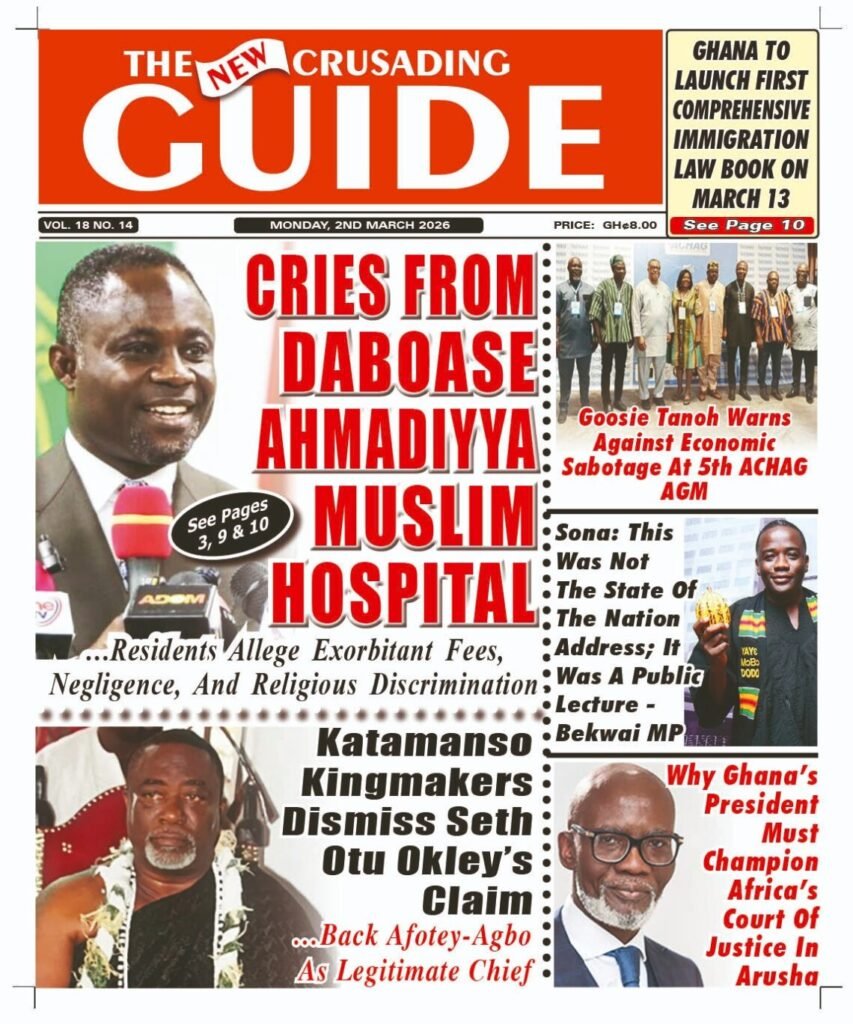
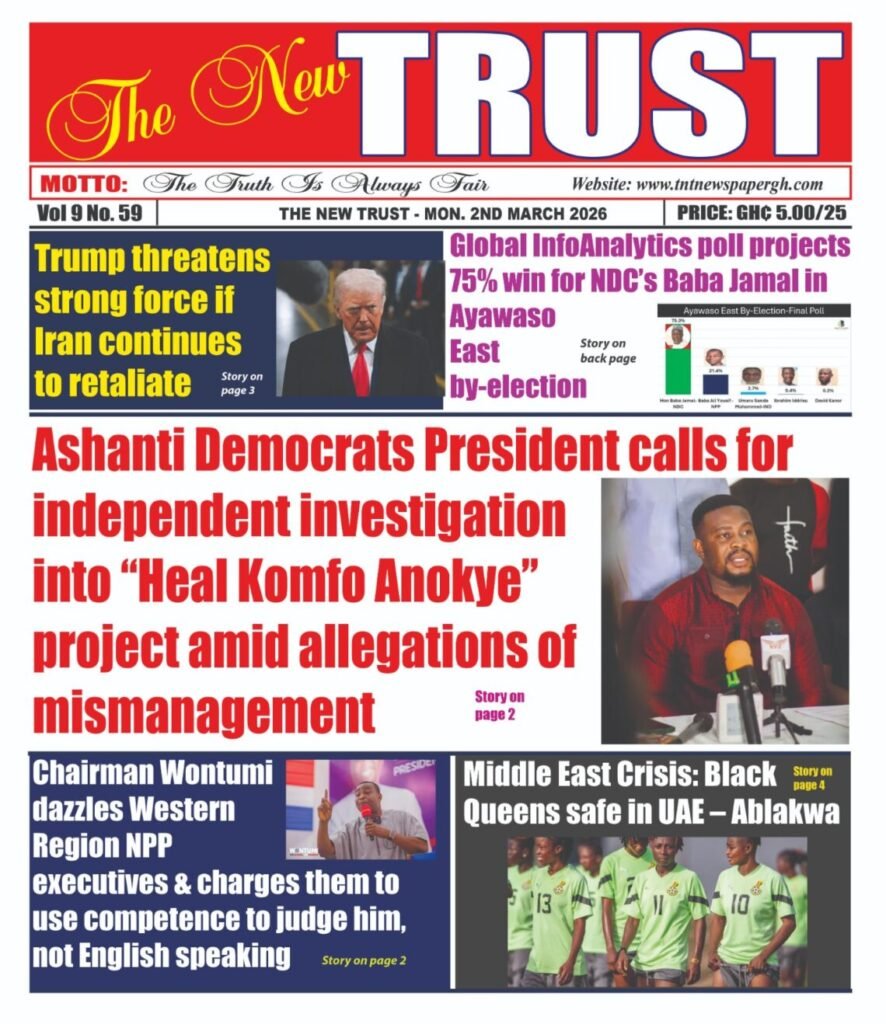
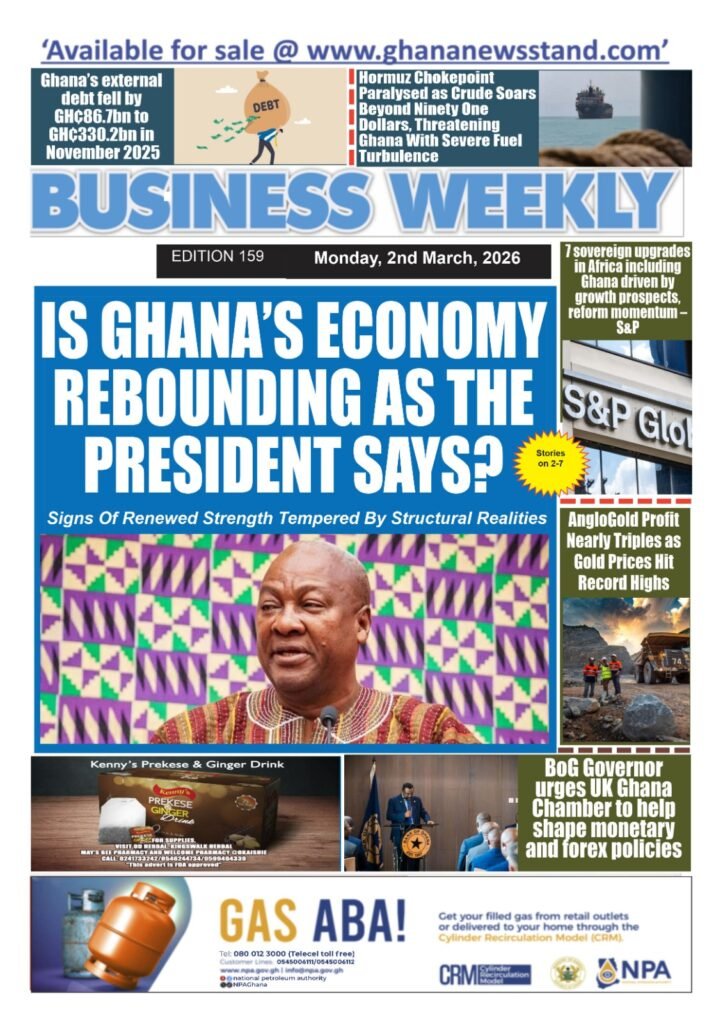
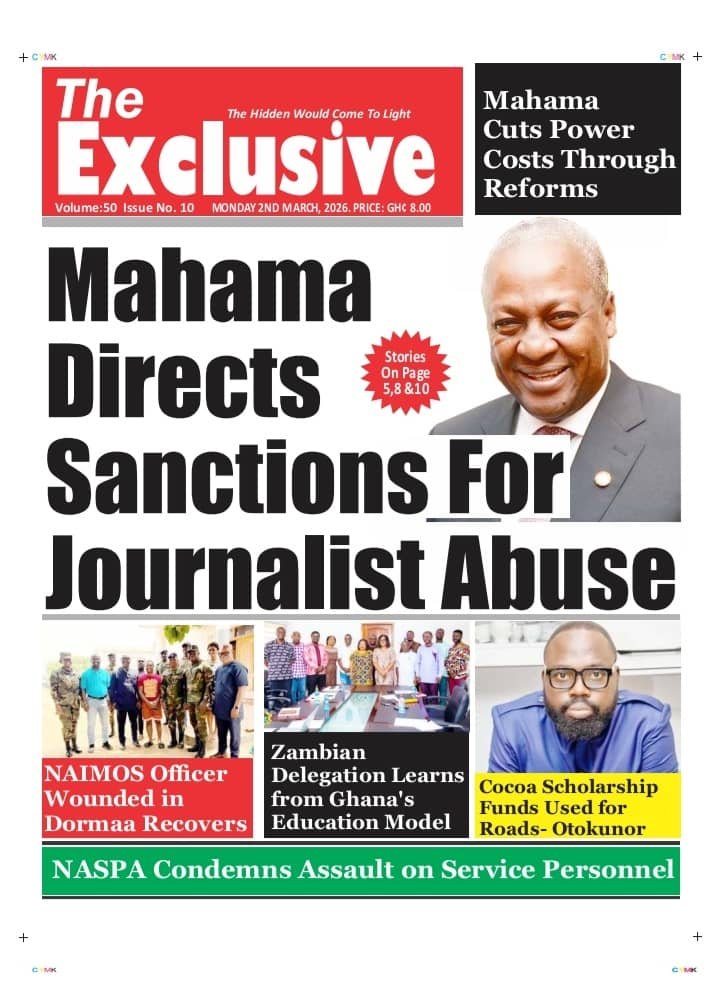
Monday, March 2, 2026. Stay informed with today’s front pages of Ghanaian newspapers, all in one place.
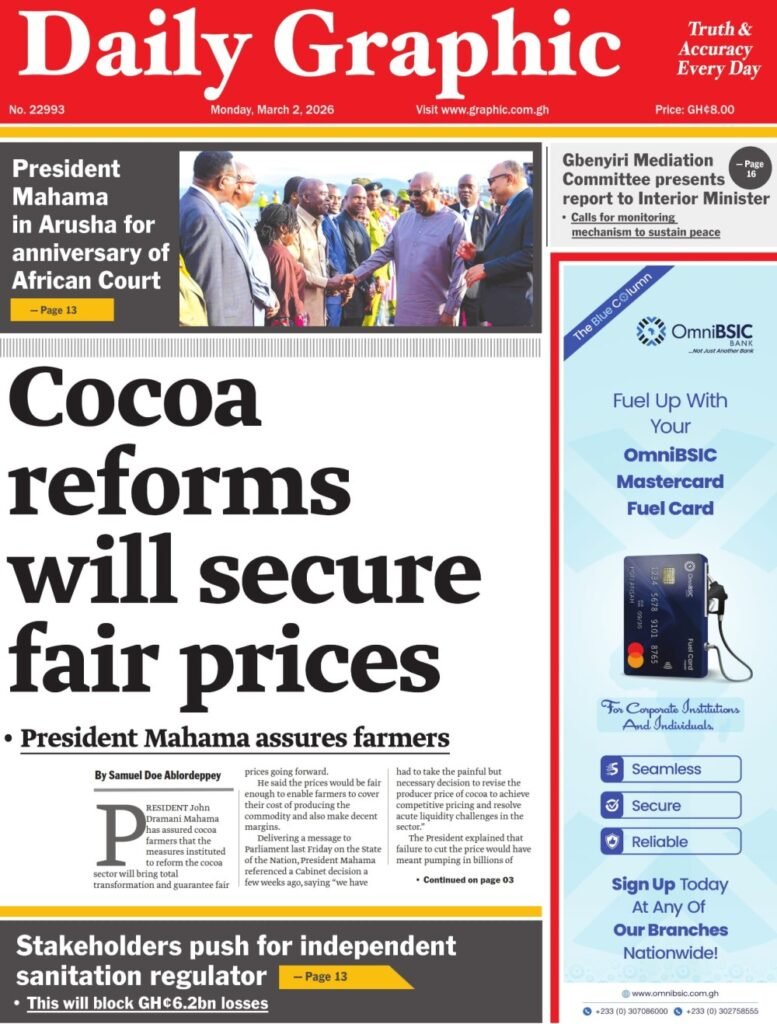
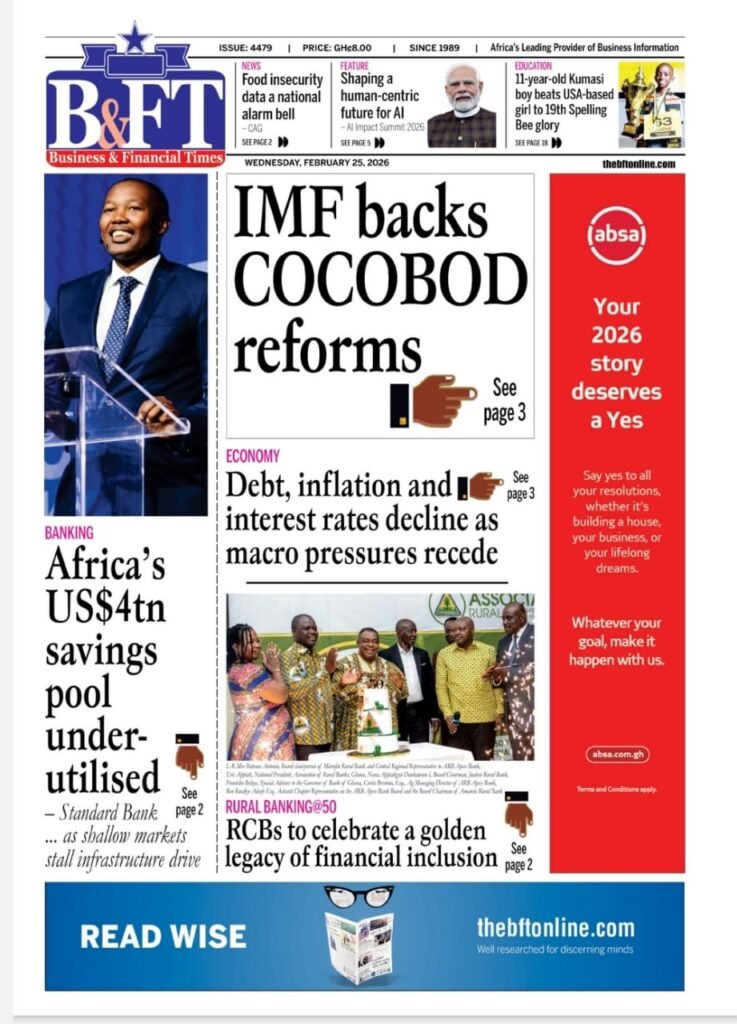
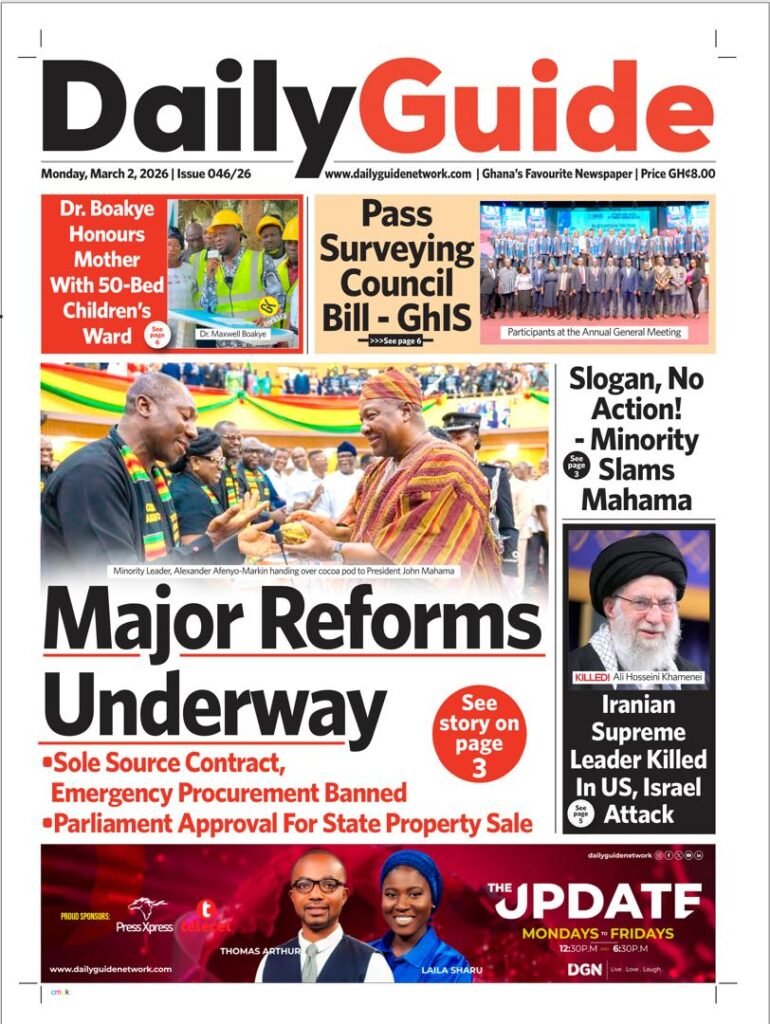








-

 Ghana News2 days ago
Ghanaian’s Terrifying Experience as Missile Explodes Amid Escalating Middle East Tensions and Other Trending Topics in Ghana (March 1, 2026)
-

 Ghana News2 days ago
Ghana’s Black Queens Stranded in UAE as Government Initiates Partial Evacuation from Tehran Embassy Amid Escalating Israel-Iran Conflict
-

 Ghana News15 hours ago
Court Slaps Barker-Vormawor with GH₵5m for Defaming Kan Dapaah and Other Trending Topics in Ghana (March 2, 2026)
-

 From the Diaspora14 hours ago
Ghanaians and Other Africans in UAE Flood Social Media with Videos as Iranian Missile Strikes Hit Dubai
-
 Ghana News2 days ago
7 Ways the Escalating Middle East Crisis Could Hit Home in Ghana
-

 Ghana News15 hours ago
Newspaper Headlines Today: Monday, March 2, 2026
-
 Ghana News1 day ago
How African Nations Are Responding to the Iran-Israel Conflict
-
 Africa Watch1 day ago
How African Nations Are Evacuating Their Nationals Amid the Escalating Middle East Crisis