
Health & Wellness
The Real Reason Women Over 35 Struggle with Weight Fluctuations
If you are a woman over 35, weight fluctuation is a universal experience, and there is a biological reason for it that has nothing to do with your effort.


Let’s be real for a second. You’re doing the work. You’re hitting the pavement in Accra, joining the virtual HIIT classes, or sticking to your weekend swim. Yet, when you step on the scale, the numbers are doing the Azonto—up three kilos one day, down two the next. If you are a woman over 35, this frustrating dance is a universal experience, and there is a biological reason for it that has nothing to do with your effort.
First, take a deep breath. You haven’t lost your fitness mojo. What you are experiencing is a normal shift in how your body manages fluid. When the scale jumps up, it isn’t packing on fat; it is holding onto water. Your body is simply storing and shedding H2O, and the puppet master behind this is your hormones.
Read Also: Snacks she ate to loose 95 pounds
After the age of 35, your estrogen levels begin their natural decline as you approach perimenopause. Estrogen plays a significant role in regulating your body’s fluid balance. When these levels fluctuate, your body retains more water. It happens to every woman, but it becomes more noticeable as we get older because the hormonal swings become less predictable.
So, how do you stop the madness? You don’t need a drastic detox or a punishing diet. You need to steady the ship with a few simple habits.
Drink More to Hold Less
It sounds counterintuitive, but when you are dehydrated, your body panics and holds onto every drop. Drink roughly 30ml of water for every kilo you weigh. This signals to your body that the coast is clear.
Prioritize Rest
Sleep is when your body regulates cortisol and balances hormones. Skimping on it throws everything off. Aim for seven to eight hours. It’s tough, but your best effort here pays off.
Watch the Carbs
Starchy and sugary foods cause your body to store glycogen, which binds with water. Limiting these helps prevent those sudden spikes.
Conclusion
The scale is just a number, not a report card. By understanding that these fluctuations are about water and hormones—not failure—you can stop the frustration. Focus on hydration, rest, and balanced eating, and you’ll find the numbers settle down, allowing the real results of your hard work to shine through.

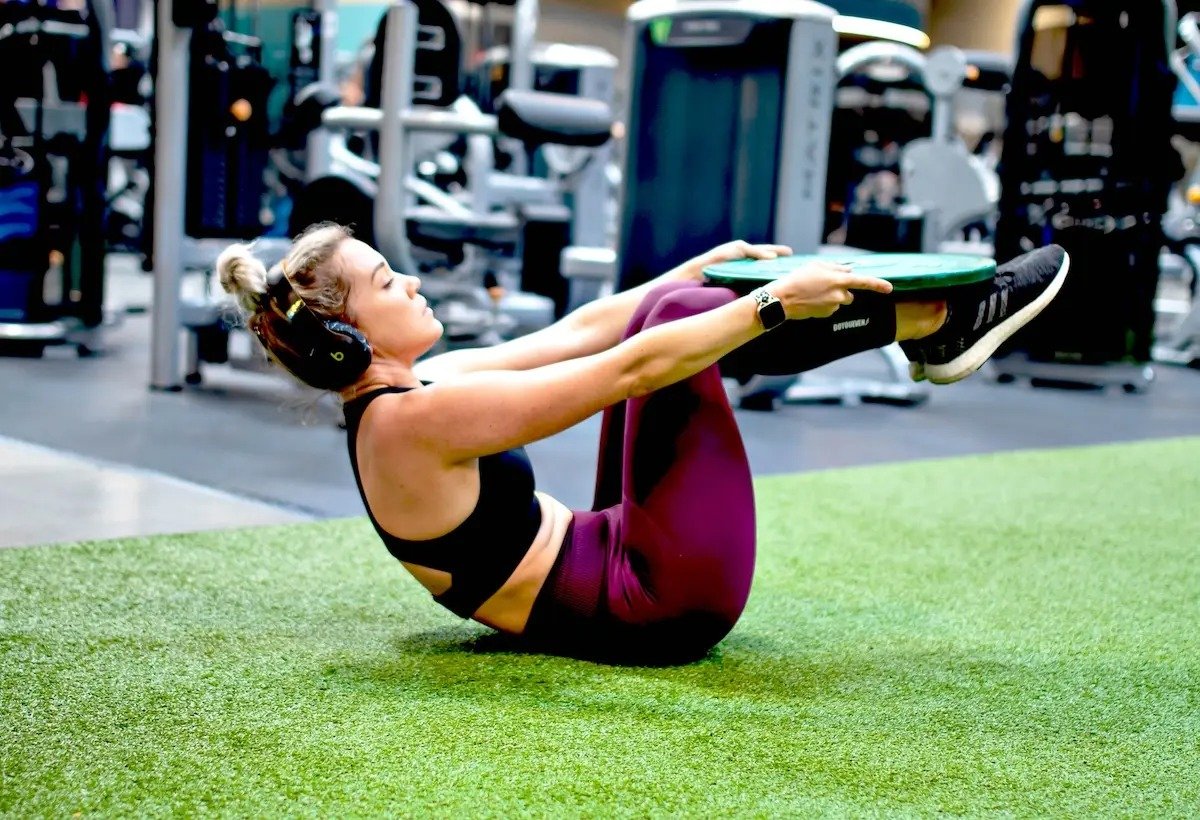
We often judge the effectiveness of a workout by how much we sweat or how sore we feel the next day, but the real magic often happens in the quiet, steady work we do to build a strong foundation. When we talk about “core exercises,” it’s easy to picture someone doing hundreds of crunches on a gym mat. However, the benefits of a strong midsection extend far beyond the aesthetic; they are the biological engine for nearly every move you make.
1. The Ultimate Postural Support System
In a world where we spend hours hunched over laptops and smartphones, our posture is under constant assault. Core exercises act as a corrective suit of armor for your spine. By strengthening the deep muscles surrounding your trunk—including the transverse abdominis and obliques—you naturally pull your shoulders back and align your pelvis. This doesn’t just make you look taller and more confident; it prevents the chronic back pain that plagues millions.
2. Supercharging Everyday Life
Have you ever felt a “tweak” in your back just from lifting a grocery bag or bending down to tie your shoes? That is a cry for core strength. When your core is engaged, it stabilizes your entire torso, allowing your arms and legs to work more efficiently. Think of your core as the cable that stabilizes a radio tower; without it, the structure wobbles. With it, you can lift, twist, and reach with power and safety.
3. The Foundation of Athletic Power
Whether you are a weekend warrior on the tennis court or a runner trying to shave seconds off your mile time, power is generated from the center out. A strong core allows for a more efficient transfer of energy between your lower and upper body. Every punch thrown by a boxer and every swing of a golf club relies on a rotational force that starts deep in the hips and torso. If that center is weak, your power leaks out before it ever reaches your limbs.
4. Balance and Stability as You Age
Core work is the secret to aging gracefully. As we get older, balance is one of the first things to decline, leading to a fear of falling. A strong core improves proprioception—your brain’s ability to know where your body is in space. This translates to steady footing on uneven sidewalks and the ability to catch yourself if you trip.
The Hidden Link: Core Strength and Fat Loss
While a strong core is vital for structure, it also plays a fascinating role in changing your body composition. If your goal is to lean out, here is how strengthening this area helps.
1. You Move Better, So You Burn More
When your core is weak, your body inhibits certain movements to protect itself from injury. You might run slower or avoid certain exercises because they feel “awkward.” A strong core removes these physical inhibitors, allowing you to push harder and longer in your cardio and strength sessions, ultimately torching more calories.
2. Increased Muscle Mass = Higher Metabolism
While you can’t spot-reduce fat from your belly, you can build muscle underneath the fat. Core exercises often involve compound movements (like planks or standing presses) that recruit multiple muscle groups. Increasing this lean muscle mass elevates your resting metabolic rate, meaning you burn more calories even when you’re sitting on the couch.
3. The “Tightening” Effect
When you strengthen the rectus abdominis and transverse abdominis, you are essentially creating a natural “corset” for your torso. As you lose body fat through a caloric deficit, the toned muscle underneath reveals a tighter, leaner appearance. You aren’t just getting smaller; you are getting more defined.
4. Better Digestion and De-Stressing
High-intensity core work stimulates blood flow to the digestive organs. Furthermore, the focus required to hold a plank or balance on a stability ball activates the parasympathetic nervous system, reducing cortisol levels. Lower cortisol means less stress-induced fat storage around the midsection.
Conclusion
Core training is the ultimate long-game investment in your health. It is the bridge between the upper and lower body, the guardian of your spine, and the secret weapon in your fitness journey. So, the next time you drop to the mat for a plank, remember: you aren’t just working toward a six-pack; you are building a resilient, powerful, and efficient body for life.

We check our phones an average of 96 times a day. We sleep with them on our nightstands, wake up to them, and feel a phantom vibration in our pocket even when the device isn’t there. In a world that demands we be constantly available, the most radical act of self-care isn’t a green juice or a 5 AM workout—it is the decision to simply switch off. Stepping away from the screen isn’t about rejecting technology; it is about reclaiming your attention span, your peace, and your presence.
1. Rescuing Your Attention Span from the Scroll
Remember when you used to read books for hours? Or watch a movie without reaching for your phone? The endless scroll of social media is designed to fracture our attention, rewarding our brains with micro-doses of dopamine for quick, shallow engagement. A digital detox forces your brain to reset. Without the constant “ping” of notifications, you slowly rebuild the mental muscle required for deep focus, allowing you to rediscover the joy of finishing a task without interruption.
2. The Cure for “Social Comparison Syndrome”
Scrolling through curated highlight reels of other people’s lives is a fast track to feeling inadequate. We compare our blooper reel to their greatest hits without even realizing it. Stepping away from Instagram and Facebook removes the constant measuring stick. When you stop looking at what everyone else is doing, you suddenly become more present for what you are doing. The pressure to perform your life online disappears, leaving room to actually enjoy it.
3. Reclaiming Real-Life Connection
There is a cruel irony to the smartphone: it connects us to people across the globe while simultaneously disconnecting us from the person sitting right next to us. A digital detox forces eye contact. It makes conversations less distracted and more meaningful. When you aren’t mentally drafting a tweet while your friend is talking, you hear them. You notice the way they laugh, the expression in their eyes—the subtle human nuances that a screen can never transmit.
4. Banishing the Bedtime Blues
The blue light emitted from our devices is the enemy of sleep. It suppresses melatonin, the hormone that tells our bodies it’s time to rest. By instituting a “no screens” rule for the hour before bed, you allow your brain to wind down naturally. Instead of falling asleep with the anxiety of the news cycle, you fall asleep with a book or a quiet mind. The result? Deeper sleep, more vivid dreams, and waking up feeling genuinely restored rather than groggy.
5. Unlocking Boredom (The Secret to Creativity)
We have been conditioned to treat boredom as an emergency that must be solved with a screen. But boredom is actually the birthplace of creativity. When you aren’t stimulating your brain with external input, it starts to wander, to daydream, to solve problems in the background. A digital detox reintroduces those quiet moments of boredom—waiting in line, riding the bus—that often spark our best ideas.
Conclusion
We built technology to serve us, but somewhere along the way, the lines blurred. A digital detox isn’t about living like a Luddite in the woods; it is about resetting the relationship. By intentionally stepping away from the noise, we remember how to hear ourselves think, how to connect deeply, and how to be truly present in our own lives. Sometimes, the best thing you can do for your mental health is to put the phone down and just… be.
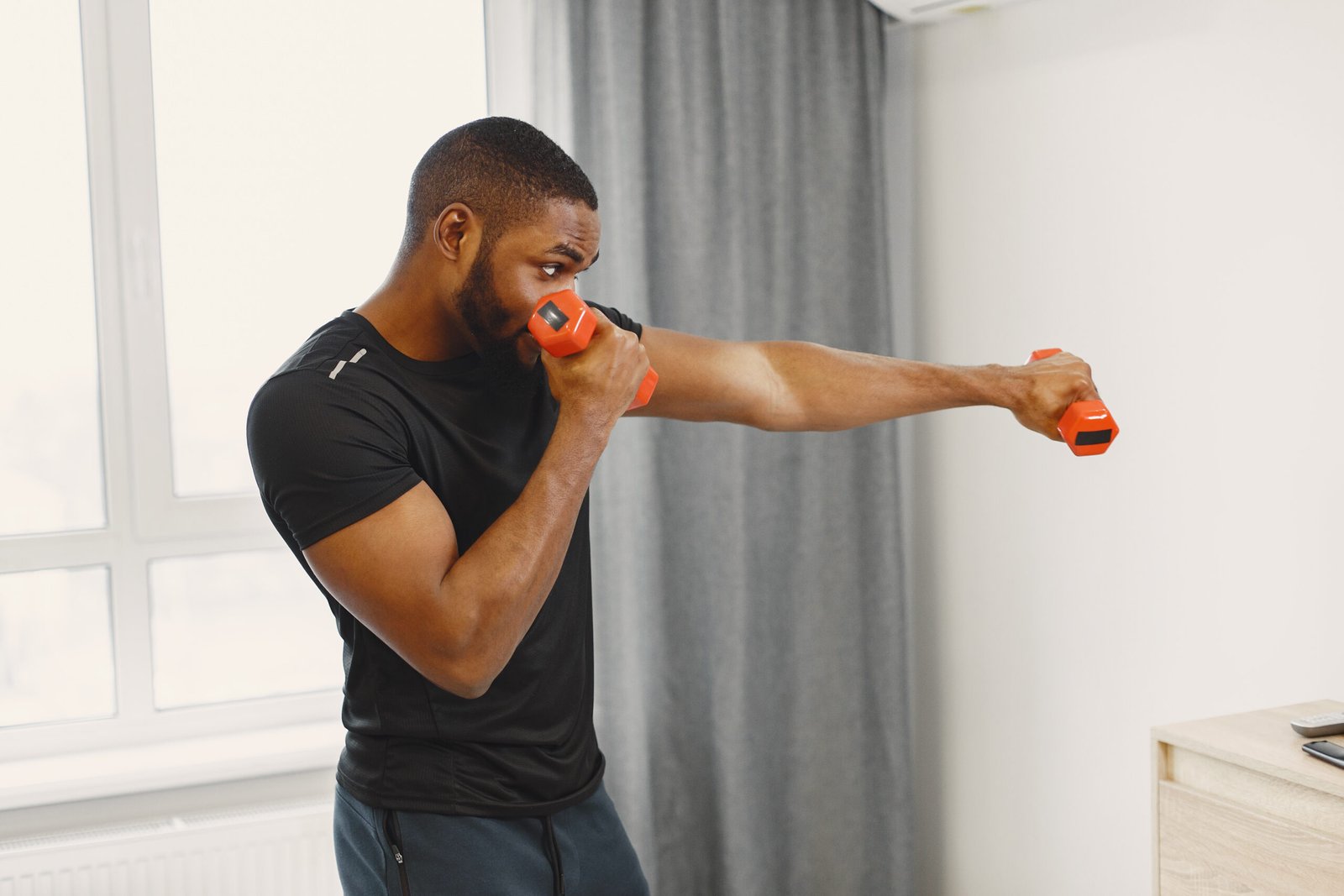
We often hear about the importance of leg day, but what if the secret to unlocking a more confident, capable, and defined physique has been hiding in plain sight—right above your shoulders?
While running on the treadmill might get your heart pumping, dedicating time to upper-body strength training is the ultimate power move for anyone looking to change their body composition and feel amazing in their own skin. If you’ve been skipping the dumbbells in favor of the elliptical, here are four compelling reasons to switch up your routine immediately.
1. The Afterburn Effect: Burn Calories While You Binge-Watch
One of the most magical aspects of lifting heavy (or even moderate) weights for your upper body is the “afterburn effect,” scientifically known as Excess Post-Exercise Oxygen Consumption (EPOC). When you challenge your pecs, lats, and delts, your body needs significant energy to repair the micro-tears in the muscle tissue. This means your metabolism stays elevated for hours after you’ve left the gym. You aren’t just burning calories during the workout; you are turning your body into a 24-hour fat-burning furnace.

2. Muscle is a Metabolic Engine
When it comes to fat loss, muscle mass is your best friend. It’s living, active tissue that requires calories to maintain. By building strength in your upper body, you are increasing your overall lean muscle mass. This directly boosts your Resting Metabolic Rate (RMR)—the number of calories you burn just by existing. Essentially, the more defined your shoulders and arms become, the more calories you burn while sitting at your desk or sleeping. It’s the ultimate passive income for your metabolism.
3. Structural Integrity for High-Intensity Workouts
To torch fat effectively, you need to maintain a high intensity during your cardio or HIIT sessions. A weak upper body is often the limiting factor here. If your shoulders, back, and core are weak, your form crumbles during a burpee, a sprint, or a box jump. Strengthening these areas builds a solid foundation, allowing you to push harder and longer without injury. When your frame can handle the load, your workouts become more efficient, driving up your total energy expenditure.
4. The Posture Bonus: Look Leaner Instantly
One of the fastest ways to look slimmer doesn’t involve losing an ounce of fat; it involves standing up straight. Upper body exercises, particularly those targeting the rear delts and rhomboids (the muscles that retract your shoulder blades), pull your shoulders back and open up your chest. This instantly creates the illusion of a smaller waist and a more toned torso. Good posture isn’t just about confidence—it makes your physique look tighter and more streamlined, amplifying the visual results of your fat loss efforts.
The Takeaway
Incorporating upper body training into your fitness regimen is about so much more than achieving “toned arms” or a defined back. It is a strategic move to amplify your metabolism, increase your calorie burn around the clock, and build a body that is as functional as it is fit. So, the next time you hit the gym, give the bench press or the pull-up bar the same love you give the squat rack. Your future, stronger, leaner self will thank you.



-

 Ghana News2 days ago
Ghanaian’s Terrifying Experience as Missile Explodes Amid Escalating Middle East Tensions and Other Trending Topics in Ghana (March 1, 2026)
-

 Ghana News2 days ago
Ghana’s Black Queens Stranded in UAE as Government Initiates Partial Evacuation from Tehran Embassy Amid Escalating Israel-Iran Conflict
-

 Ghana News14 hours ago
Court Slaps Barker-Vormawor with GH₵5m for Defaming Kan Dapaah and Other Trending Topics in Ghana (March 2, 2026)
-

 From the Diaspora14 hours ago
Ghanaians and Other Africans in UAE Flood Social Media with Videos as Iranian Missile Strikes Hit Dubai
-

 Ghana News2 days ago
7 Ways the Escalating Middle East Crisis Could Hit Home in Ghana
-

 Ghana News15 hours ago
Newspaper Headlines Today: Monday, March 2, 2026
-

 Ghana News1 day ago
How African Nations Are Responding to the Iran-Israel Conflict
-

 Africa Watch1 day ago
How African Nations Are Evacuating Their Nationals Amid the Escalating Middle East Crisis