
Fashion & Style
Dakar Fashion Week Turns Atlantic Ocean Into a Floating Runway (PHOTOS)

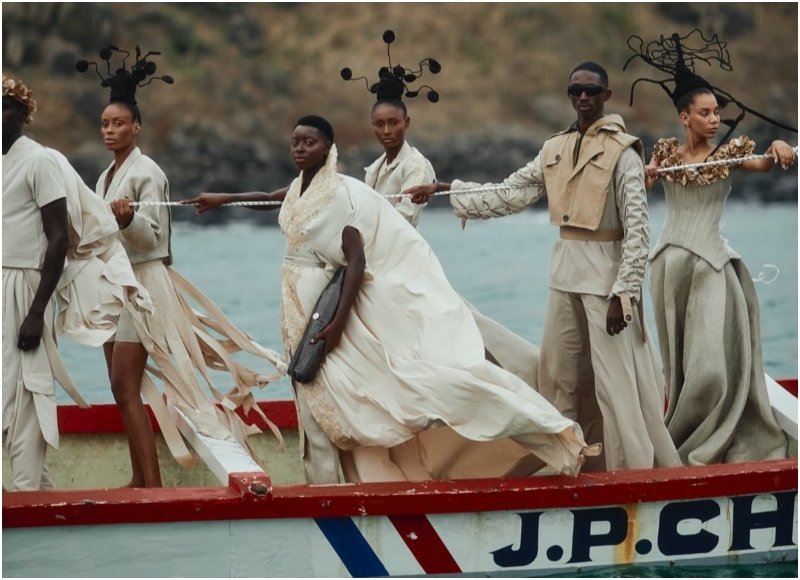
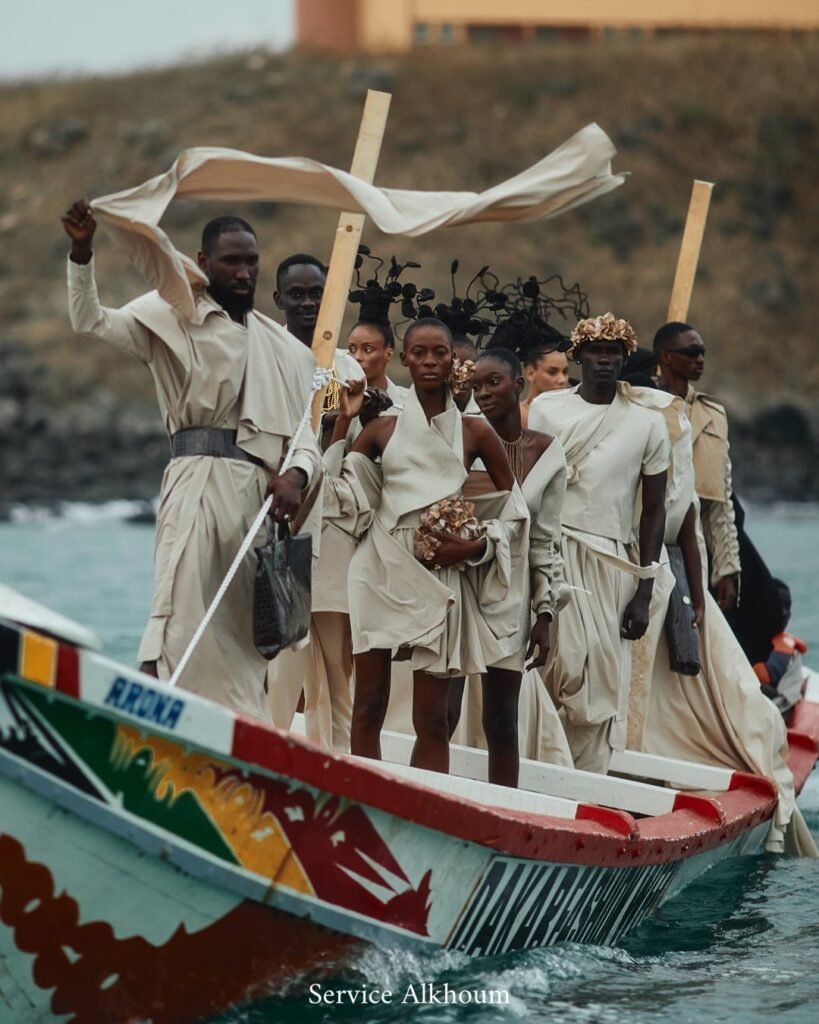
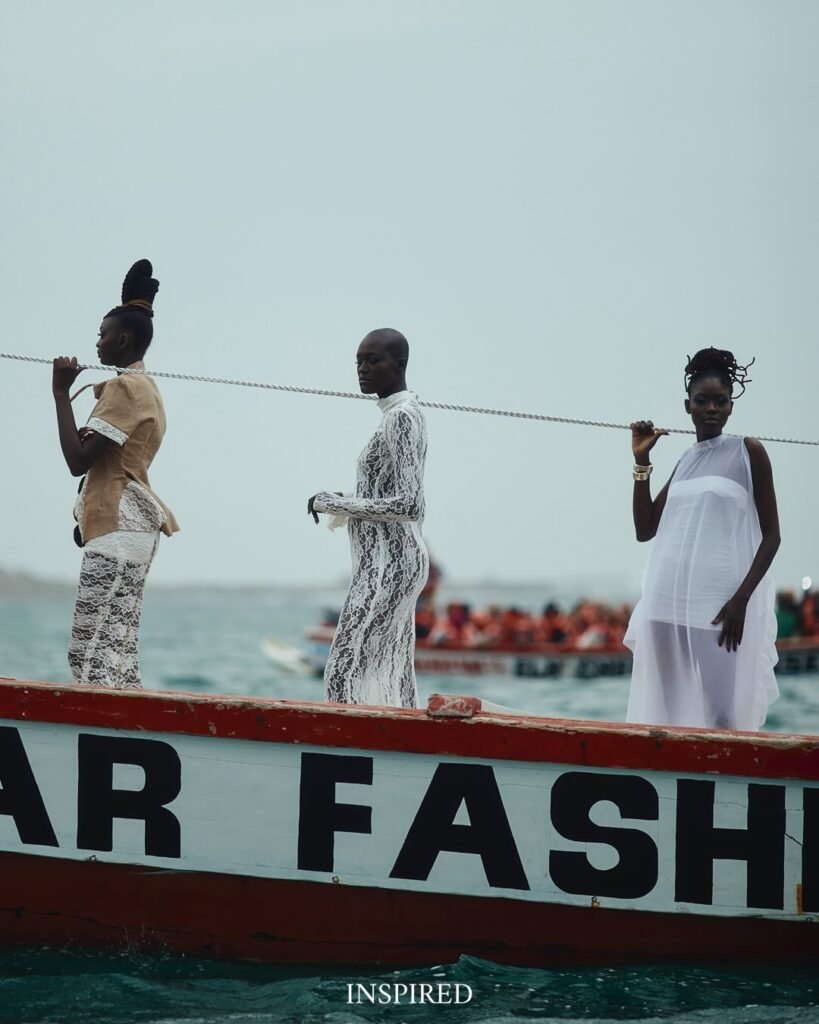
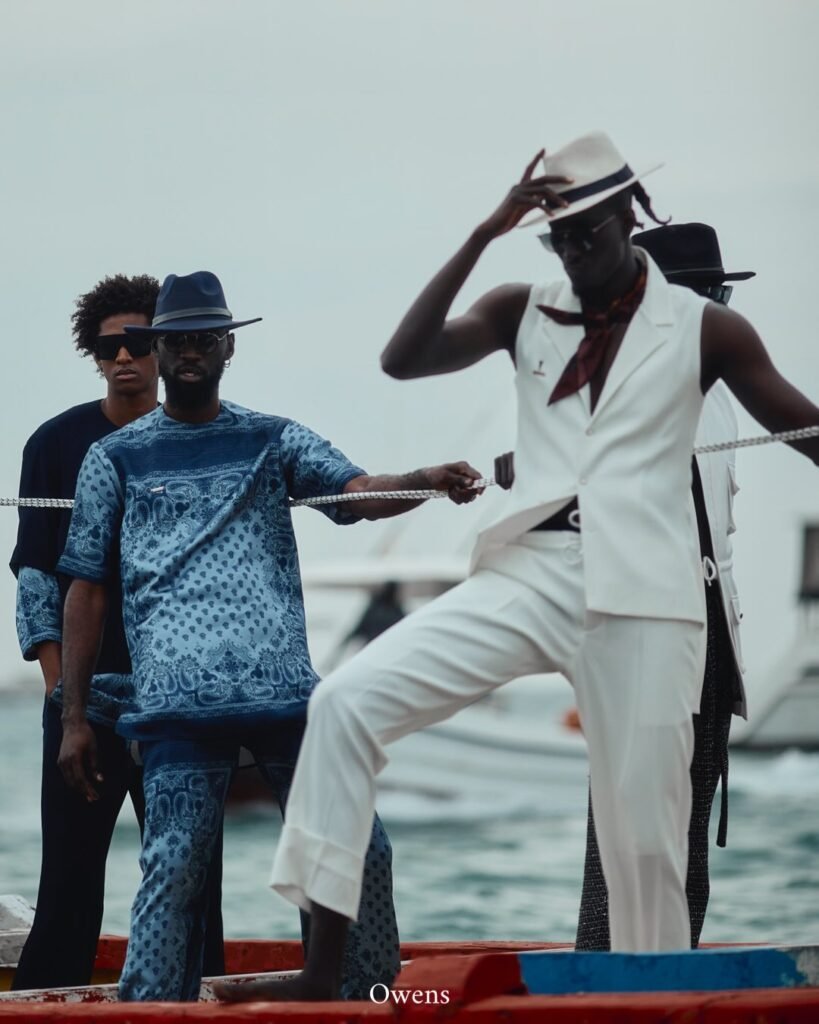
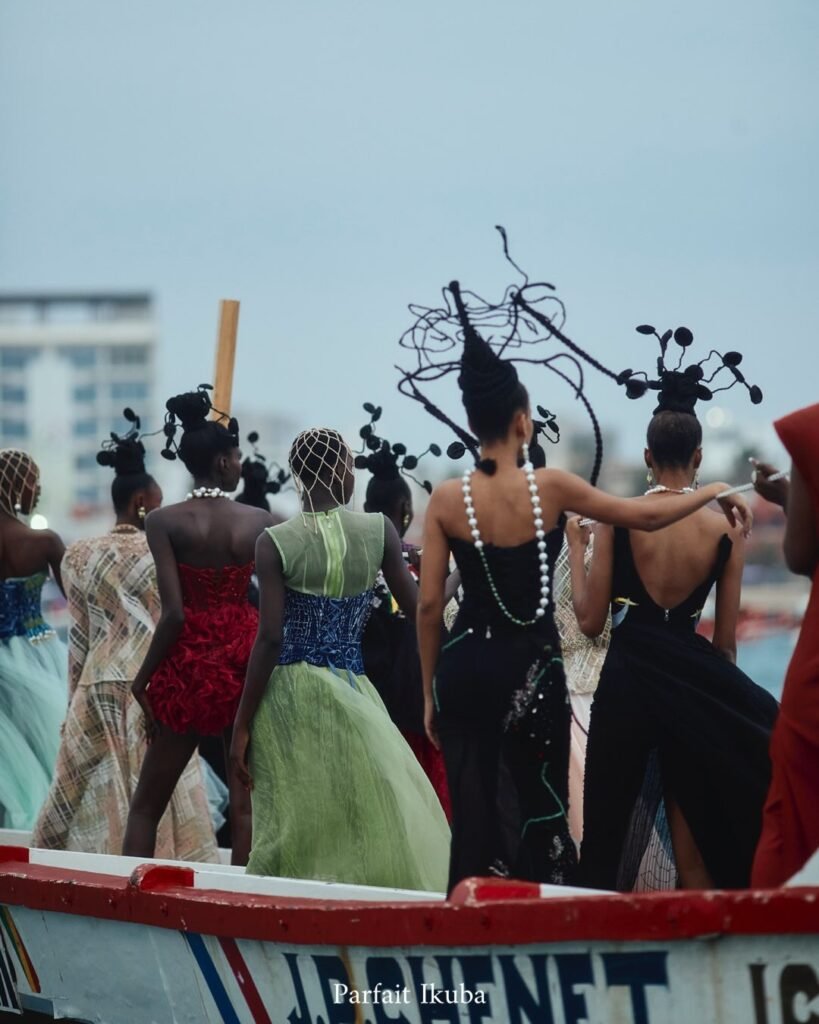
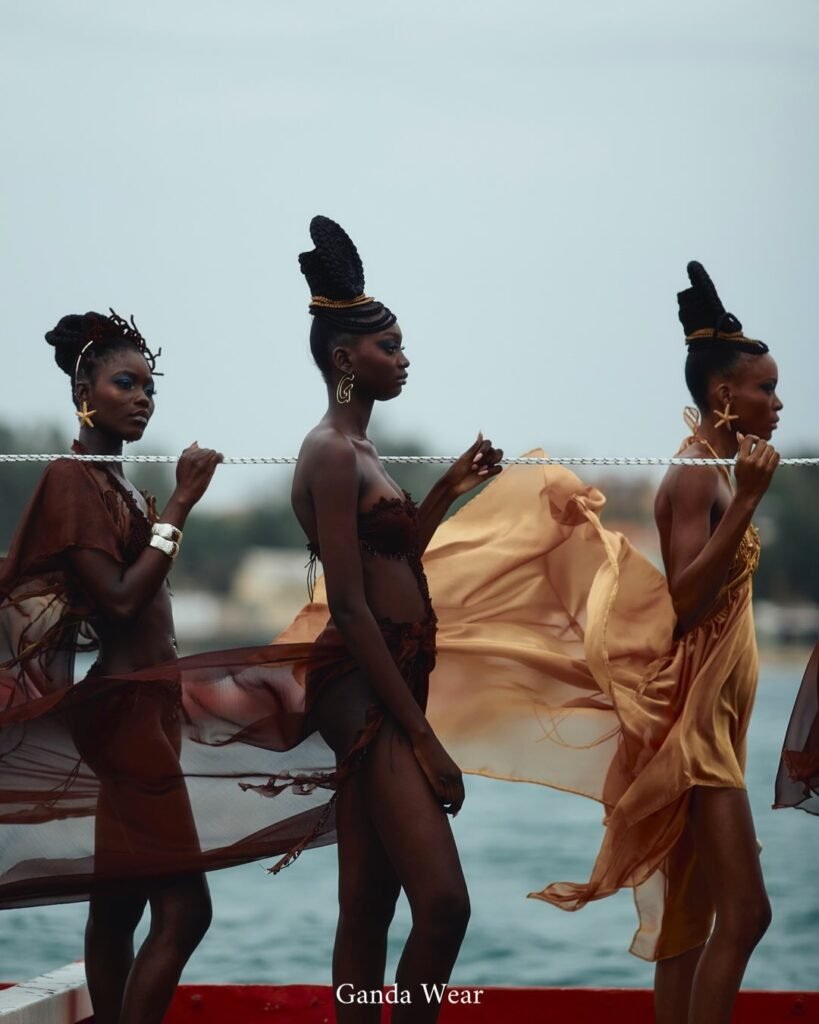
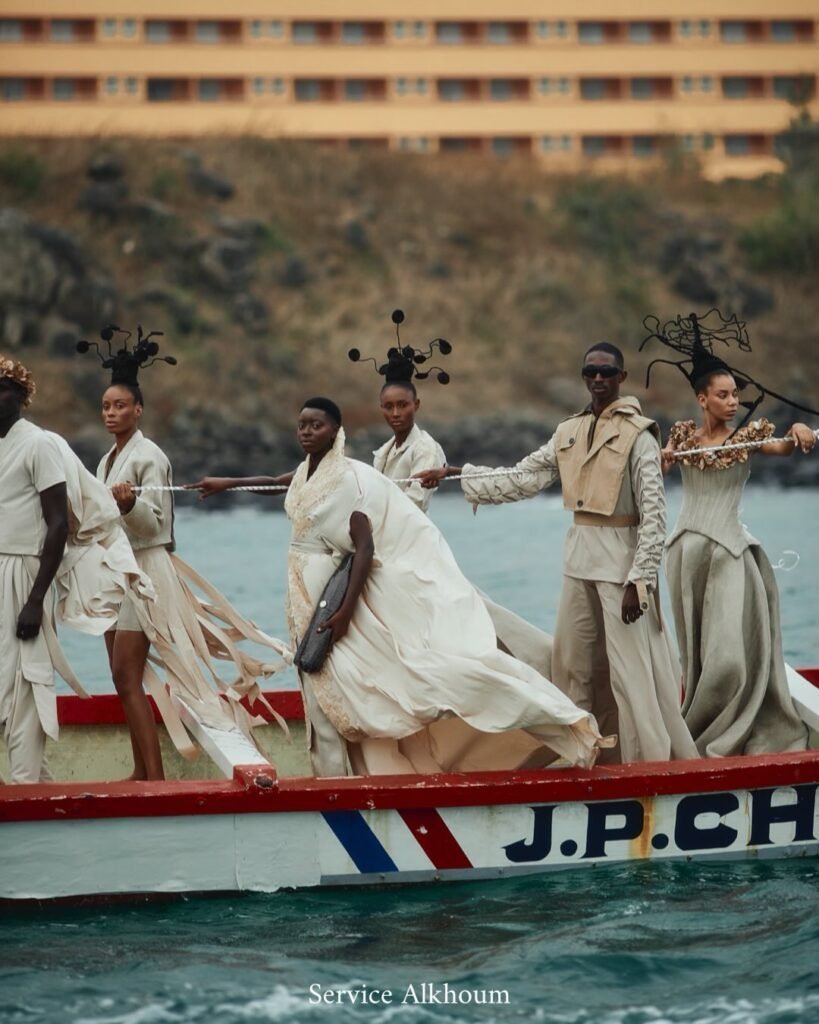
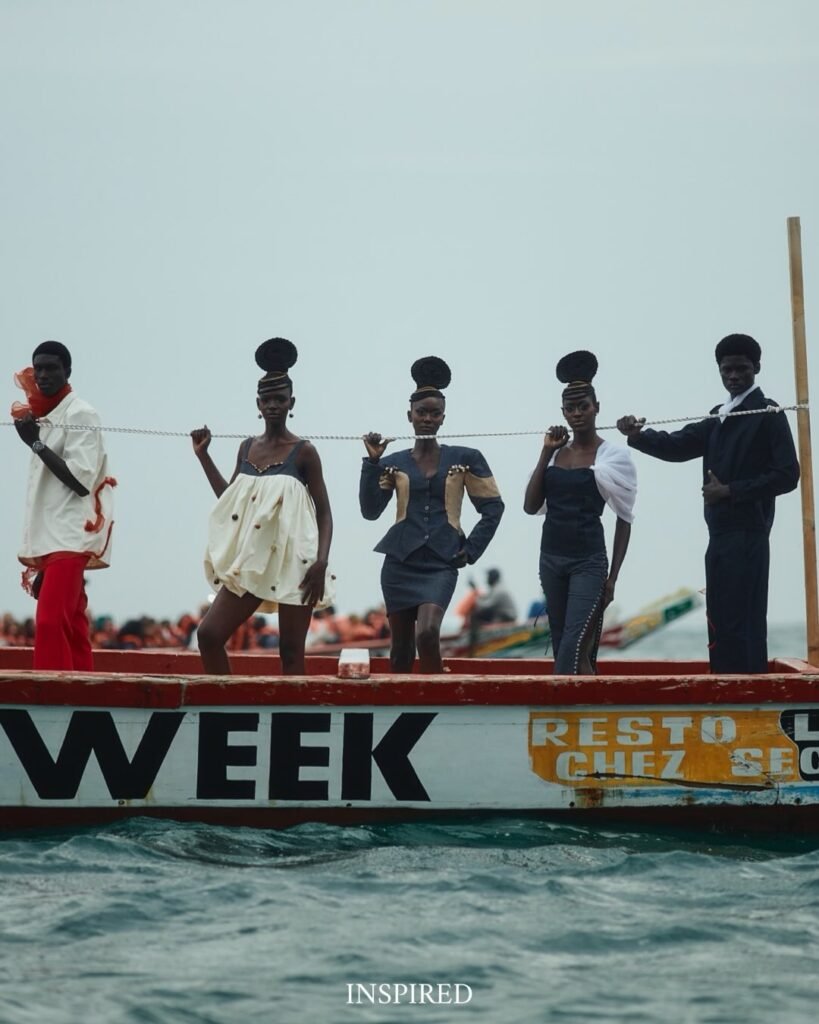
Dakar Fashion Week on Saturday transformed the Atlantic Ocean into an open-air catwalk, as models showcased new collections from the decks of fishing boats off the coast of Senegal’s capital, blending fashion, culture and the rhythms of the sea.
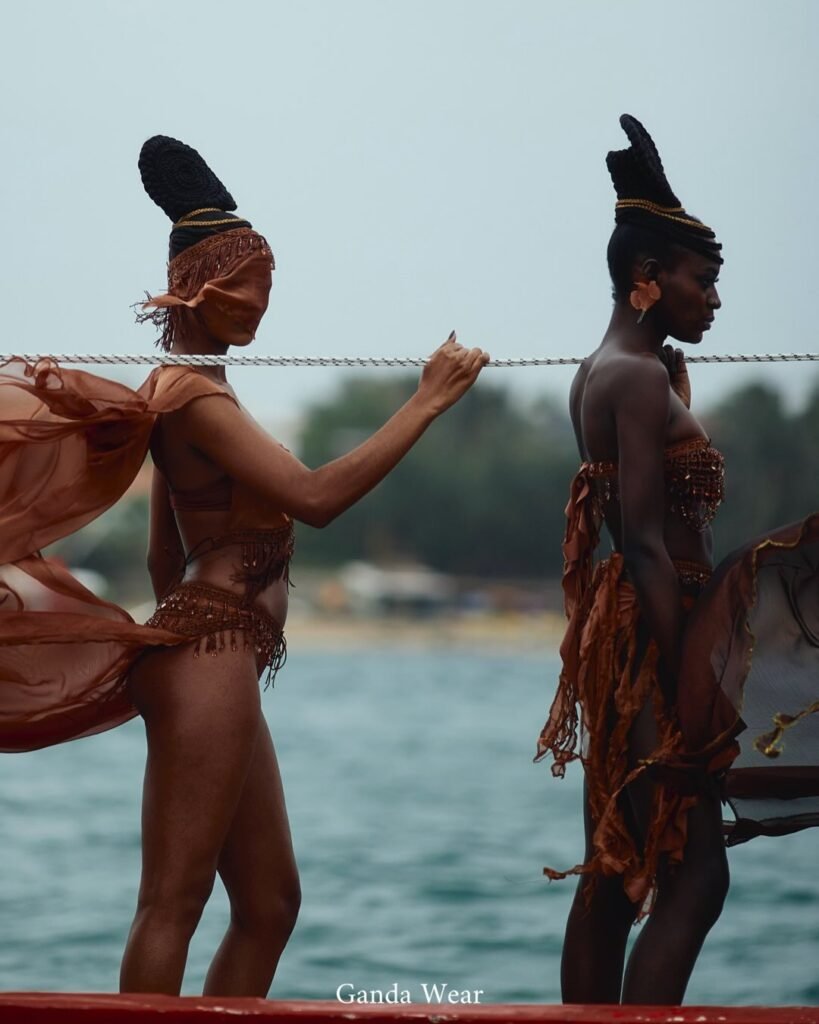
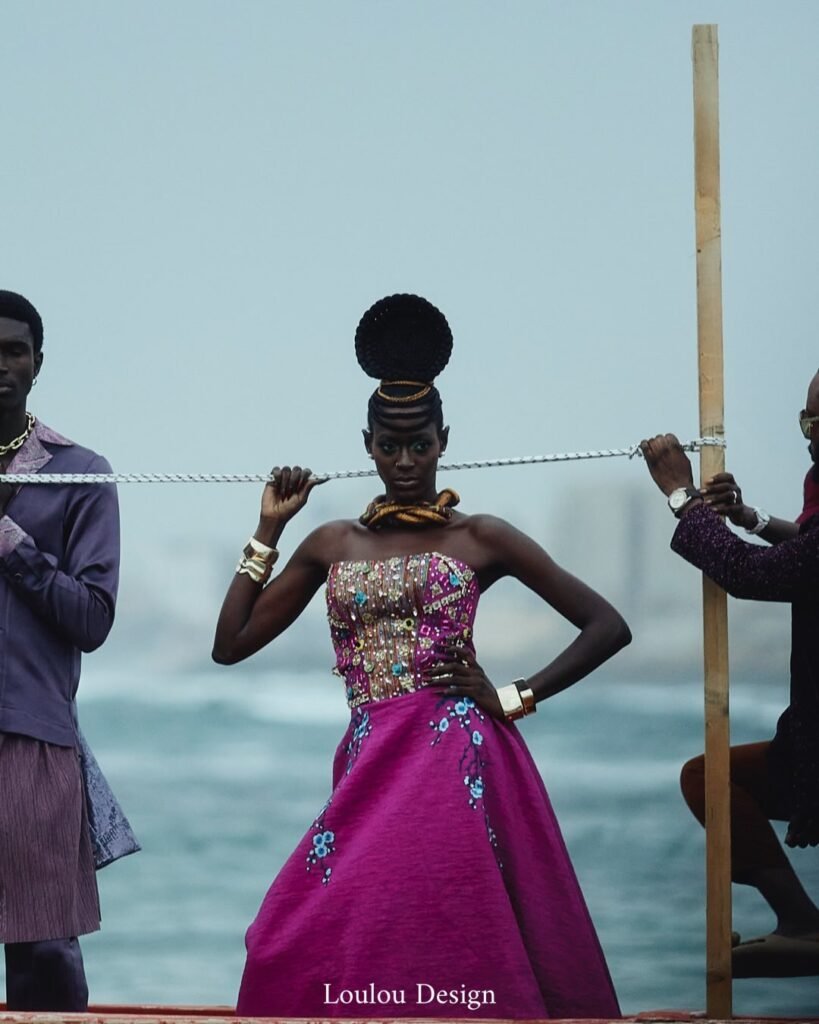
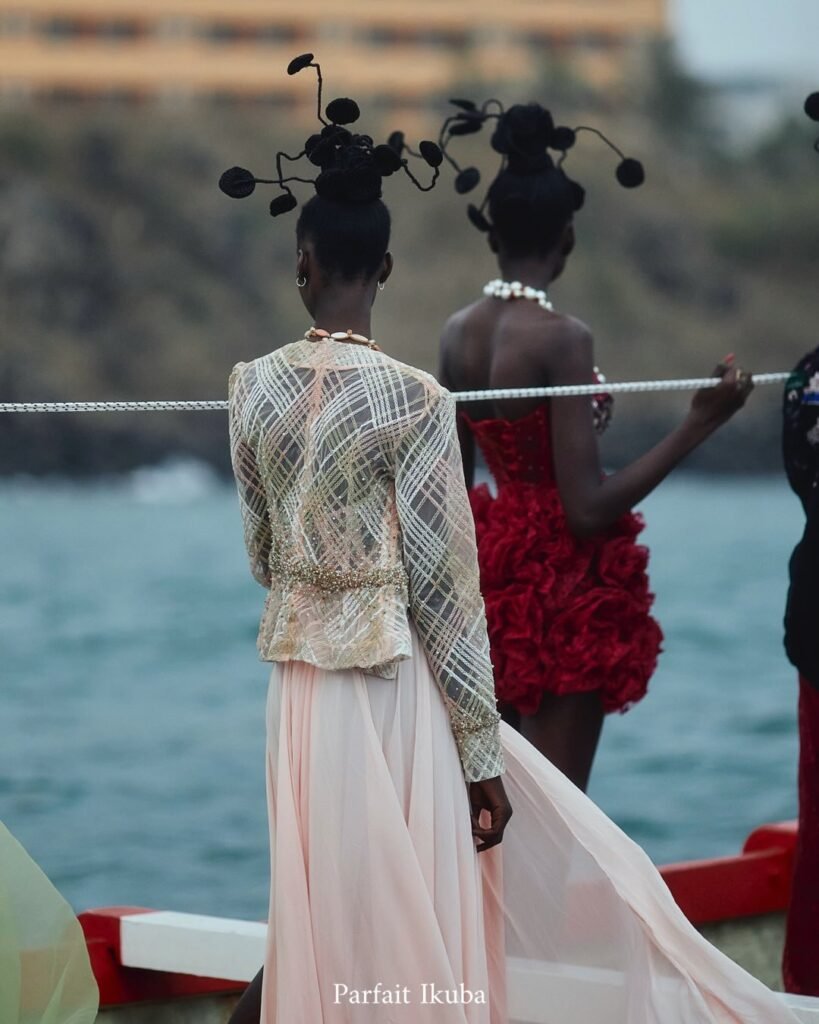
Balancing on ropes as waves rocked the small vessels, the models presented designs in a setting that was both dramatic and playful. The unconventional runway drew spectators onto nearby boats, creating a floating audience and giving the show an immersive, almost theatrical quality.
The ocean display marked the 23rd edition of Dakar Fashion Week, an influential festival founded in 2002 by Senegalese designer Adama Paris to promote African fashion on the global stage. This year’s theme—using the ocean as a stage—pushed creative boundaries while highlighting Dakar’s close historical and cultural ties to the sea.
Dakar has long been regarded as a hub of African style, supported by a deep-rooted textile tradition and a vibrant arts culture that influences fashion across West Africa. Designers and creatives say the annual event continues to raise international visibility for African labels, offering a platform that blends heritage with innovation.
Attendees described the boat runway as a bold departure from convention. Some visitors, including fashion professionals returning from Europe and North America, said the maritime setting underscored the confidence and originality of African fashion, turning a familiar natural landscape into a powerful creative statement.
As Dakar Fashion Week continues to evolve, this year’s ocean runway reinforced its reputation for experimentation and cultural storytelling—positioning African fashion not just on traditional stages, but in spaces that reflect its identity, resilience and global ambition.
Watch some photos from the spectacular event below:










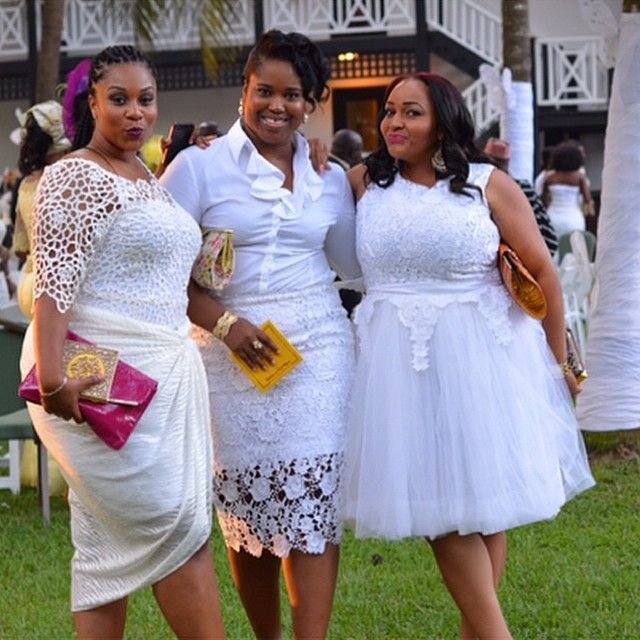
The first time my American friend attended a Ghanaian wedding, she clutched my arm like I had led her into a trap. “Another bride is coming,” she whispered, eyes fixed on a woman in a dazzling white lace dress sweeping past us. “Should we move?”
I laughed. The woman in white wasn’t a bride. She was somebody’s mother. And across the reception hall, three more women in white were fanning themselves near the DJ table.
My friend spent the next hour waiting for a confrontation that never came. No one pulled the woman aside. No aunties whispered. The actual bride showed up later in a gold kente heavier than a car engine, and somehow, everyone understood the assignment.
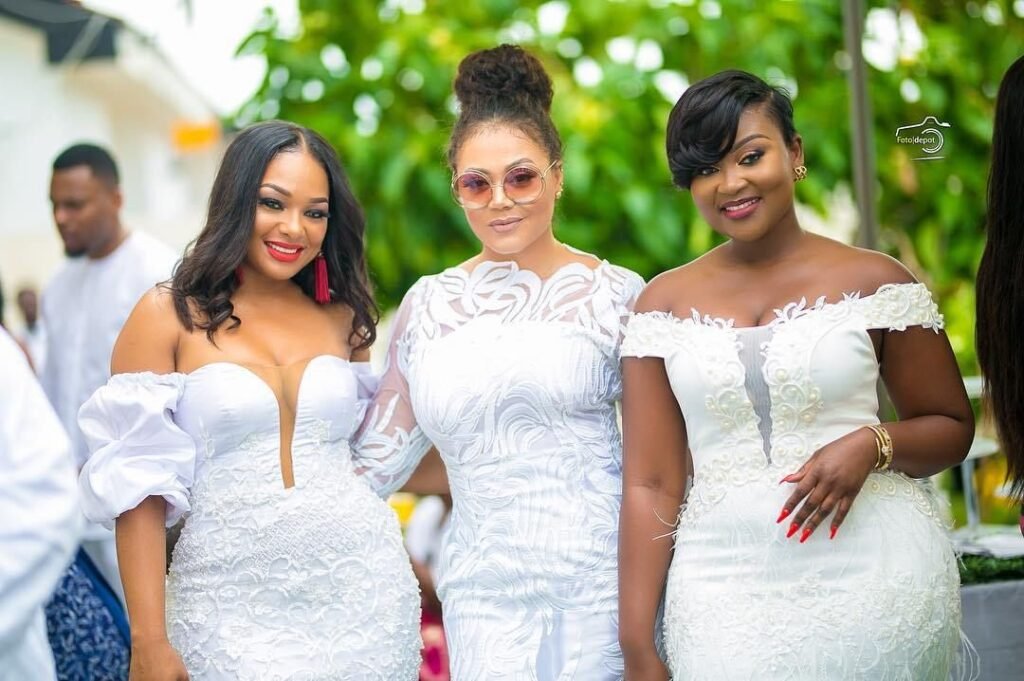
This confusion makes sense if you grew up where white means “look at me, I’m the main character today.” But in Ghana, we’ve never signed that particular rulebook. White here isn’t a threat to the bride. It’s a canvas.
Think about it. The Ghanaian wedding guest in white isn’t trying to upstage anyone. She’s responding to the heat, first of all. White reflects the sun that beats down on the church steps while we wait for the couple to finish taking photos. White lets her dance the kpanlogo without sweating through five layers of Ankara. White says, “I dressed up, but I also plan to eat fufu without passing out.”
There’s something else too. White in our context signals celebration. It’s the color of the cloth we drape over mourning clothes at funerals when we want to honor a life fully lived. It’s what the priest wears on joyful Sundays. It’s not stealing attention—it’s adding to the collective brightness of the occasion.
My grandmother put it simply once when a younger relative fretted about wearing white to a wedding: “Are you the one marrying the man? No? Then wear your white and mind your business.”
She wasn’t being dismissive. She was stating a cultural fact. In Ghana, we understand that a bride’s importance doesn’t rest on being the only person in a particular color. Her importance rests on the vows, the family alliances forming, the palm wine about to flow. No amount of white lace in the crowd can touch that.
So if you’re coming to a Ghanaian wedding and staring at your suitcase full of color, wondering if you should leave the white dress behind—don’t. Pack it. Wear it. Just know that when you step out looking like a cloud, nobody will mistake you for the bride. They’ll simply see another person ready to celebrate, properly dressed for the weather and the occasion.
And really, isn’t that the point?
Fashion & Style
The “Kente Clause”: How Ghanaian Textiles Rewrote the Rules of Red Carpets and Royalty

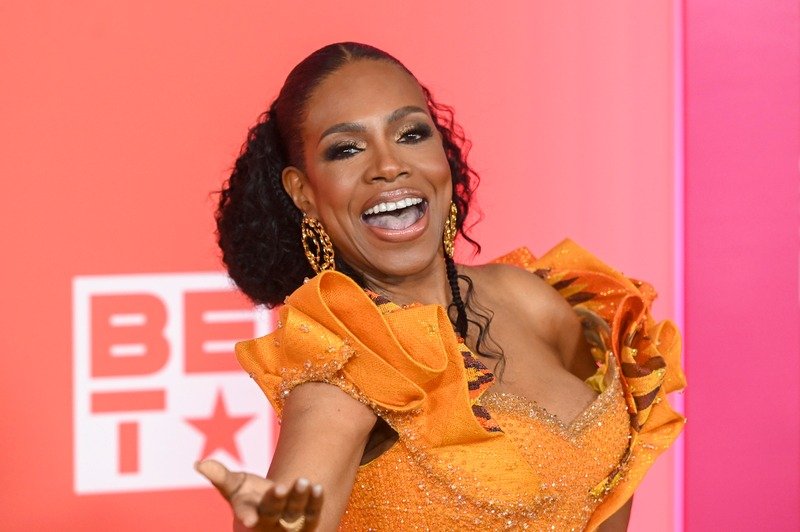
For centuries, if you wanted to signal that you had arrived—truly arrived—you slipped into something by a French fashion house. Paris and Milan dictated what royalty wore to galas and what stars wore to award shows. But lately, the most powerful garment on the planet isn’t coming down a runway in Europe. It is coming from a loom in Bonwire or a design house in Accra.
We are living through a quiet revolution in global fashion. You can call it the “Kente Clause”—an unwritten rule that says if you want to make a statement about power, heritage, or identity on a world stage, you are now likely to do it in Ghanaian cloth. Whether it is a Duchess stepping out in a handwoven stole, a musician accepting a Grammy in bold print, or an artist using recycled wood to tell stories of the diaspora, Ghanaian textiles are no longer just “traditional attire.” They have become the new language of luxury and political weight.
The Royal Seal: More Than Just a Pattern
When Meghan Markle walked into the Africa Centre in London in 2022 wearing a custom shirt dress in a vibrant kente print, the internet did what it always does—it debated the politics of it. Was it appreciation? Appropriation? A calculated nod?
But for those who know the fabric, the story went deeper than the headlines. Kente is not a generic “African print.” It is a textile with royal blood. Historically, certain patterns, such as Adweneasa (meaning “my skills are exhausted”), were reserved for the highest officeholders. When Meghan wore it, she wasn’t just acknowledging a continent; she was tapping into a visual history of sovereignty.
This is the shift we are seeing. In the past, African textiles on Western bodies were often anthropological curiosities. Today, when celebrities choose a custom kente gown over a standard Versace slip dress, they are rewriting the dress code of celebrity. They are saying that heritage has more currency than hype.
Weaving a New Economy
This global hunger for authenticity isn’t just about red carpet photos; it is sending ripples back to the weavers’ villages. For a long time, the people who actually made these masterpieces were the invisible hands behind the luxury. That is changing.
Take the recent announcement from Ghana’s Foreign Minister, Samuel Okudzeto Ablakwa. He revealed that ECOWAS foreign ministers have specifically requested fugu (smocks) made in their national colours for upcoming summits. Think about that. Diplomats, whose uniform is usually a stiff suit and tie, are choosing to sit around negotiation tables wrapped in Ghanaian handiwork. This isn’t fashion; this is soft power.
We are also seeing institutional efforts to protect this legacy. The launch of the Royal Kente Gala 2025 in Kumasi, held with the blessing of the Asantehene, is a direct response to the global demand. The mission is twofold: to preserve the sacred traditions by building modern weaving centres in communities like Adanwomase, and to ensure that when the world comes calling for kente, it is the authentic, handwoven product—not a mass-produced imitation—that answers. As Kwame Nyame of ROKWESA put it, “It is our story, pride, and legacy”.
The Diaspora Comes Home
The most interesting part of this story, however, isn’t happening on a runway or at a diplomatic gathering. It is happening in the hands of artists reinterpreting the cloth itself.
Consider the work of Ato Ribeiro, exhibited at the Museum of Contemporary Art of Georgia. Ribeiro doesn’t weave with thread; he weaves with discarded wood scraps collected from carpentry workshops. By translating Kente patterns like ntata (chevron) into wooden sculptures, he comments on the extraction of African resources while simultaneously building a bridge for the diaspora. He uses the grid of Kente—traditionally a fabric for royalty—as a “framework upon which to weave diasporic stories” .
This is the “Kente Clause” in its purest form. It is a clause that grants permission to Black people everywhere to claim a piece of the throne. When a young professional in Atlanta wears a kente stole at their graduation, they are participating in a tradition that was once the exclusive domain of kings, re-purposed for a new generation of leaders .
Appreciation vs. Appropriation
Of course, with great exposure comes great risk. When Virgil Abloh used kente patterns in his Louis Vuitton menswear, it sparked a fierce debate. Abloh, whose grandmother was Ghanaian, defended the collection by saying, “Provenance is reality; ownership is a myth”.
But for the weavers back home, ownership isn’t a myth—it is their livelihood. The Ghanaian market is flooded with cheaper, machine-printed versions made in China, which undercuts the labor-intensive work of master weavers who spend weeks on a single cloth. This is why initiatives like the proposed BataKente concept are so crucial. By pushing for certification and standardization, Ghana is fighting to ensure that when the world buys “Kente,” it is buying the real story, not a cheap copy.
The Fabric of the Future
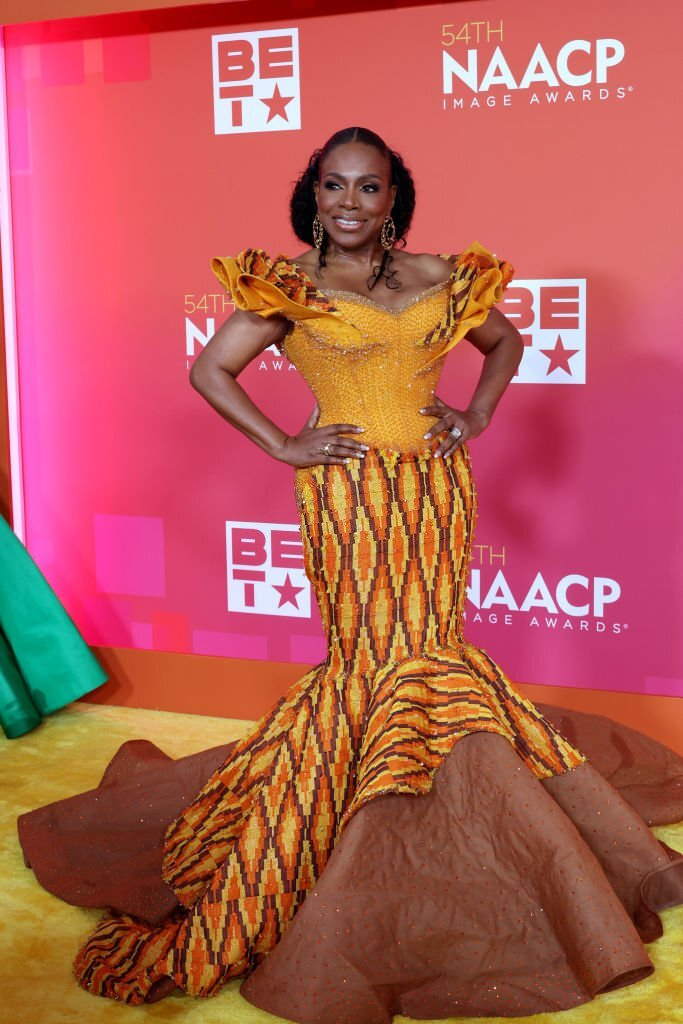
So, what happens when a textile moves from the palace to the global stage?
The future looks like Aristide Loua’s brand, Kente Gentlemen. An Ivorian designer showing at Lagos Fashion Week, Loua uses hand-crafted fabrics from weaving communities and gives them silhouettes that could walk down any street in Tokyo or New York. It looks like weavers in Agotime are embracing ICT skills to design patterns that appeal to modern weddings and celebrations, proving that tradition isn’t static—it evolves.
Ghanaian textiles are no longer just something you wear to a funeral or a wedding at home. They have become a diplomatic tool, a red-carpet statement, and a canvas for diasporic healing. The “Kente Clause” ensures that in a world hungry for meaning, the cloth woven by our ancestors will continue to dress the future.
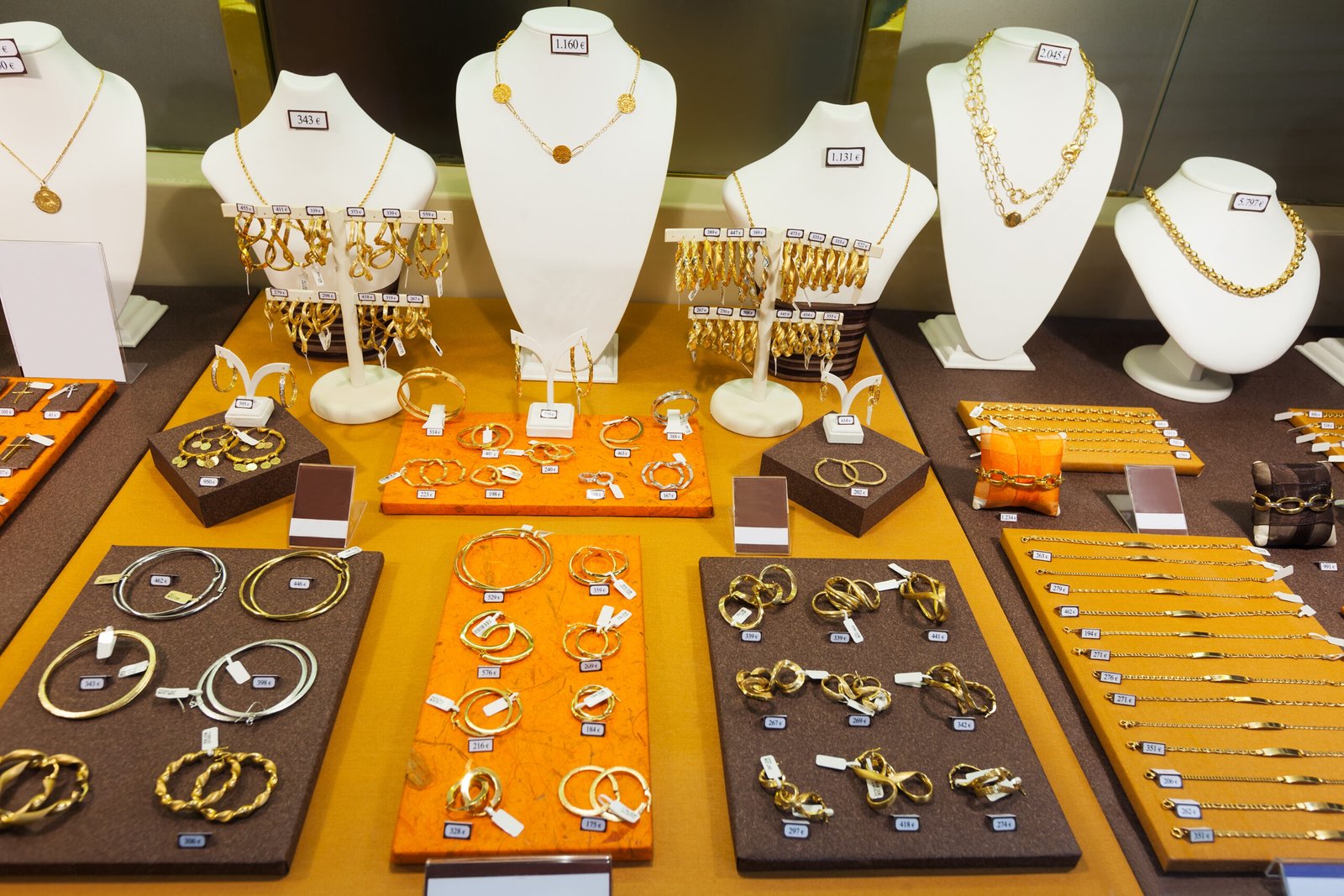
The first time I saw a woman escorted from a funeral grounds for wearing the wrong earrings, I understood something profound: in Ghana, jewelry isn’t just decoration—it’s a language of respect. And right now, as the nation prepares for the final funeral rites of the late Asantehemaa, Nana Konadu Yiadom III, that language matters more than ever.
Let’s talk about the gold-and-silver dilemma haunting dressing tables across Accra this week.
The Great Metal Debate
For years, we were told never to mix gold and silver. Fashion magazines insisted you pick a team and stick to it. But style has grown up, and so have we. The trick lies in balance—letting one metal lead while the other whispers. A chunky gold necklace paired with delicate silver studs creates intentional contrast rather than careless clutter. Think of them as conversation partners, not combatants.
But here’s where the funeral factor changes everything.
The Asante Traditional Council just issued firm directives for the upcoming funeral: no big earrings, no anklets, no loud hairstyles cluttered with accessories. This isn’t about stifling style—it’s about honouring grief. When a nation mourns, humility dresses the part.
Red and black speak louder than diamonds.
For close relatives, kobene—the red mourning cloth—signals profound loss . The wider mourning family wears black, with women tying simple cloth and wrapping their heads in modest duku . In these moments, your jewelry should support the story, not compete with it. Dark pearl earrings. A thin gold chain tucked beneath your collar. Nothing that catches light when your eyes should be downcast .
The age of the deceased writes the dress code.
Under seventy? Black rules. Above seventy? Black and white honours a life well-lived. Past eighty? White celebrates a journey completed . Your metals should follow this palette—silver companions black beautifully, while gold warms the whites and browns.
What I’ve learned watching mourners navigate these waters:
When my own uncle passed, I stood before my jewelry box paralyzed. Too bright, my mother warned of my pearl earrings. But my dad nodded approval, and they stayed . That tension—between self-expression and collective mourning—is where Ghanaian funeral fashion lives.
The safest path? Small studs in either metal. A single thin chain. Nothing that jingles when you walk or catches the afternoon sun. If you must mix metals, keep them close to the body and quiet in spirit.
Because here’s the truth funerals teach us:
Your outfit speaks before you do. At weddings, let your jewelry sing. At festivals, let it dance. But at funerals—especially royal ones where tradition guards the gates—let your metals whisper respect. The Asantehemaa’s farewell demands nothing less.
When in doubt, ask a Ghanaian auntie. She’ll tell you straight: some occasions call for gold, others for silver, and some call for setting both aside entirely. Wisdom is knowing the difference.


Foreign Minister Ablakwa Praises UAE Embassy Staff for Supporting Stranded Black Queens

Ghana’s Mega Infrastructure Push: 10 Game-Changing Projects Set to Transform the Country in 2026

FULL LIST: African Countries That Signed Trump’s Controversial Bilateral Health Deals
-

 News7 hours ago
Ghana Gears Up for Vibrant 69th Independence Day Celebrations: Parades, Plays, Poetry, and Heritage in Focus
-

 Ghana News1 day ago
Court Slaps Barker-Vormawor with GH₵5m for Defaming Kan Dapaah and Other Trending Topics in Ghana (March 2, 2026)
-

 Ghana News8 hours ago
Newspaper Headlines Today: Tuesday, March 3, 2026
-

 Tourism5 hours ago
Emirates Resumes Limited Flights from Dubai as Middle East Airspace Slowly Reopens Amid Ongoing Conflict
-

 From the Diaspora1 day ago
Ghanaians and Other Africans in UAE Flood Social Media with Videos as Iranian Missile Strikes Hit Dubai
-

 Ghana News7 hours ago
541 Last-Minute Appointments by Akufo-Addo Revoked, Agradaa Released and Other Trending Topics in Ghana (March 3, 2026)
-

 Commentary4 hours ago
At a glance: US‑Israel attack on Iran
-

 Ghana News1 day ago
Newspaper Headlines Today: Monday, March 2, 2026