
Health & Wellness
Grapes: The Little Purple Spheres That Know Your Secrets

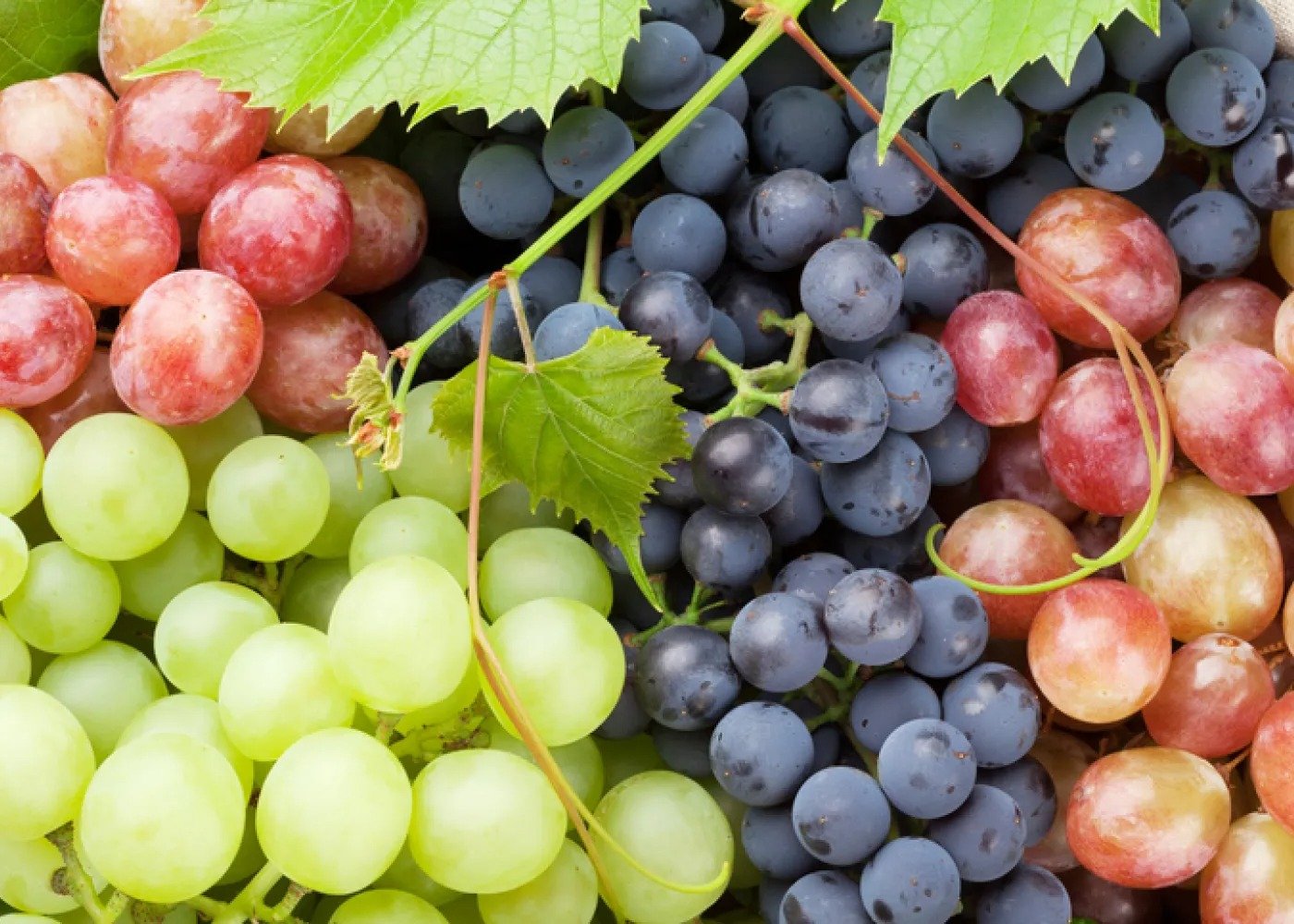
The first thing grapes do is station themselves at the gates of your cardiovascular system. Not dramatically—they don’t need capes or sirens.
They just show up with flavonoids and potassium, quietly telling your blood pressure to calm down, reminding your arteries to stay flexible.
People spend fortunes on supplements that try to mimic what a handful of red grapes does naturally. The difference is, supplements don’t taste like summer.
Your Brain Gets a Second Wind
Here’s something they don’t put on the fancy health blogs: grapes remember things. Well, technically, they help you remember things.
Resveratrol—that compound in the skin that makes nutritionists nod knowingly—slips past your blood-brain barrier and wakes up sleepy neurons.
My uncle who sells provisions at the Madina market, swears his mother-in-law’s memory improved after she started keeping grapes in her fridge.
I can’t verify this scientifically, but I can tell you she hasn’t forgotten to collect her rent from him since.
They Stand Guard While You Sleep
Grapes contain melatonin. Not a lot—just enough to gently remind your body that darkness has fallen and rest would be appropriate.
No wrestling with tablets, no counting sheep until you’re dizzy. A small bowl an hour before bed gives your circadian rhythm the nudge it needs.
The Japanese have known this for years. They put grapes in lunchboxes specifically to help children nap. Children who nap are children who don’t terrorize their parents at 4 p.m. Grapes are peacekeepers.
Inflammation Backs Down Slowly
The body keeps score, as they say. Every stressful day, every piece of fried food, every night of poor sleep leaves little marks on your cells.
Grapes send in the cleanup crew, not with aggressive promises or flashy marketing campaigns, but with quiet, persistent anti-inflammatory compounds that work like aunties who show up uninvited and start scrubbing your kitchen.
You don’t notice them doing the work until suddenly everything feels lighter.
A Small Conclusion
I think about my grandmother sometimes, sitting there with her grapes, watching the world exhaust itself around her. She lived to ninety-three, sharp until the very end. When we cleared her house, we found an empty grape bunch in her fruit bowl. It felt like finding a signature.
We spend so much time looking for complicated solutions. Juices that cost a week’s salary. Powders from distant countries with unpronounceable names. Meanwhile, the little purple spheres sit quietly in market stalls all over Ghana, waiting to be noticed. They don’t shout. They don’t need to. They just do their work, one sweet bite at a time.
Pick up a bunch this weekend. Eat them slowly. Your heart, your brain, your sleep, and your cells will thank you in ways you won’t hear but will definitely feel.






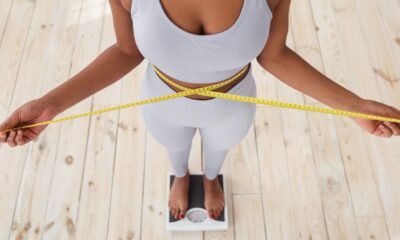




A growing body of research suggests that healthy habits often begin with the people who keep us accountable.
When people talk about lowering their cancer risk, the advice is usually familiar: stop smoking, stay active, eat well, and attend regular health screenings. Few would expect relationship status to enter the conversation.
Yet recent research has sparked an interesting discussion—not because marriage itself appears to protect against cancer, but because it often comes with something equally valuable: consistent support.
Healthy Habits Thrive With Accountability
Think about how easy it is to postpone a medical check-up, ignore a strange symptom or promise yourself you’ll start exercising “next week.” For many people, having someone nearby—a spouse, partner, sibling or close friend—creates gentle accountability.
Someone notices when you’re unwell, reminds you to book that screening appointment or encourages healthier meals instead of another late-night takeaway.
Researchers believe these everyday behaviours may help explain why married people, on average, appear to have lower rates of certain cancers than those who have never married. The difference is less about a wedding ring and more about lifestyle.
Married people often smoke less, drink less heavily, seek preventive healthcare more frequently and benefit from stronger emotional support.
That lesson travels well beyond marriage. In Ghana, where extended families, churches and neighbourhood communities remain important parts of daily life, social connections can become powerful health partners.
A friend who insists you attend your blood pressure check, a relative who joins your morning walks or a church group that encourages healthier living may be providing benefits similar to those found in committed relationships.
Building Your Own Circle of Prevention
No one should feel pressured to marry for the sake of better health. Strong friendships, supportive relatives and committed long-term partners can all encourage healthier choices.
Even joining a fitness group or community organisation can create the accountability that makes healthy routines easier to maintain.
Cancer prevention still rests on well-established habits: avoiding tobacco, limiting alcohol, maintaining a healthy weight, eating a balanced diet, staying physically active and attending recommended screenings.
Perhaps the biggest takeaway is this: good health rarely happens in isolation. Whether encouragement comes from a spouse, a lifelong friend or a caring neighbour, the people around us often influence the decisions that shape our future.
Sometimes the strongest medicine isn’t found in a bottle—it’s found in a community that reminds us to take care of ourselves.
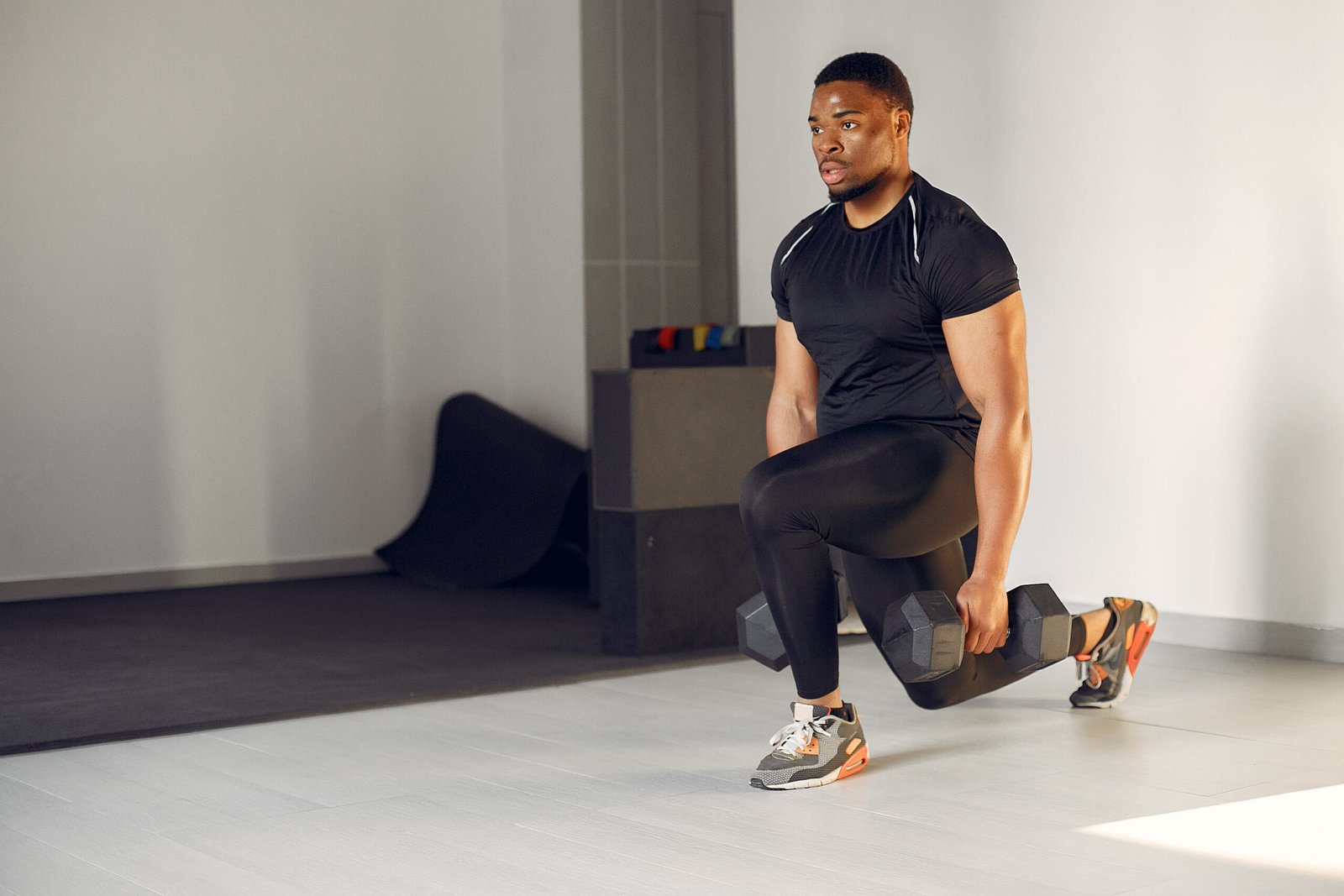
Your body isn’t running on a bigger battery—it’s learning to use the one it has more efficiently
It sounds like a contradiction. You finish a demanding workout, your muscles are tired, you’ve burned hundreds of calories—and somehow you feel more energized than before you walked into the gym.
The secret isn’t that exercise creates extra energy. It teaches your body to waste less of it.
Many people assume feeling constantly drained means they need more food, another cup of coffee, or an energy drink.
While nutrition certainly matters, scientists increasingly understand that long-term vitality has as much to do with efficiency as it does with fuel.
Think of your body like a well-maintained car. A vehicle with a finely tuned engine can travel farther on the same amount of fuel than one overdue for servicing.
Training Your Body to Work Smarter
Resistance training and regular physical activity trigger remarkable changes beneath the surface. Muscles develop more mitochondria—the tiny structures often described as the powerhouses of cells—which improve the body’s ability to convert nutrients into usable energy. The heart pumps blood more effectively, blood vessels become more flexible, and chronic inflammation, which quietly drains energy over time, can begin to decline.
These improvements don’t simply help during exercise. They make everyday tasks feel easier, whether climbing stairs in Accra’s busy neighbourhoods, carrying groceries home from the market, or chasing children around the compound after work.
Mental health benefits follow closely behind. Regular exercise reduces stress and builds confidence, two factors that influence how energetic people feel throughout the day. When the brain spends less time reacting to anxiety and more time focused on the present, it also conserves valuable resources.
Energy for Today—and Tomorrow
The real reward of exercise may not be the calories burned but the body’s growing ability to maintain itself. Greater efficiency means more energy can be directed toward repairing tissues, supporting healthy muscles, protecting the cardiovascular system, and preserving vitality as the years pass.
That is why people who exercise consistently often describe having “more energy,” even though they are using plenty of it. Their bodies have simply become better at managing what they already possess.
Rather than searching for quick energy fixes, investing in stronger muscles, a healthier heart, and regular movement may be one of the smartest ways to feel younger—not because your body has found extra fuel, but because it has learned to use every drop wisely.
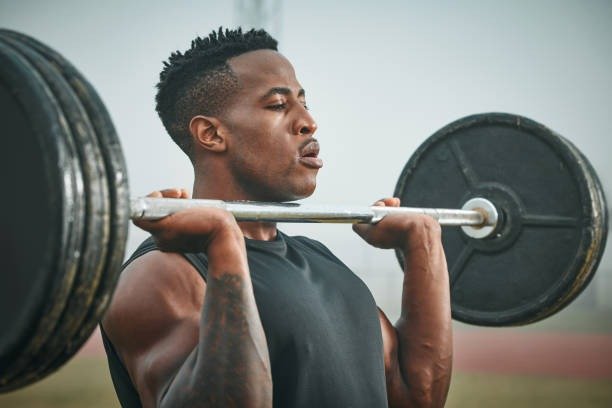
“One day you’re doing deadlifts in the gym, the next you’re paralyzed for the rest of your life.”
It’s a dramatic warning, but it captures a truth that many gym-goers overlook: the biggest threat in the weight room often isn’t the barbell—it’s the temptation to lift more than your body is ready for.
Across gyms in Ghana and around the world, social media has turned personal records into public performances. Heavy squats, towering deadlifts, and overhead presses attract likes and admiration, but they can also encourage people to sacrifice technique for bigger numbers.
While catastrophic injuries are uncommon, they can happen, particularly when heavy weights are lifted without proper form, supervision or safety equipment.
Strong Doesn’t Mean Reckless
Exercises such as squats, deadlifts and overhead presses remain some of the most effective strength-building movements available. They improve bone density, build muscle, support healthy metabolism and make everyday activities easier as we age.
The problem isn’t the exercises themselves. It’s poor technique, excessive loads and ignoring warning signs like pain or fatigue.
For example, a heavy squat performed without safety bars or a spotter can become dangerous if the lifter loses balance. Deadlifts done with poor spinal positioning or loads beyond one’s ability increase the risk of muscle strains and back injuries, even though serious spinal injuries are rare. Overhead presses can also stress the shoulders when mobility is limited or the weight is too heavy.
Train for the Long Run
Experienced coaches often say the strongest athlete isn’t the one who lifts the heaviest weight today—it’s the one still training consistently years later.
Building strength safely means progressing gradually, mastering movement before adding weight, warming up properly and allowing enough recovery between sessions. Listening to your body is just as important as following a workout programme. Sharp pain is never a badge of honour.
Fitness should improve your quality of life, not put it at risk. The smartest people in the gym aren’t always the ones with the biggest plates on the bar. They’re the ones who understand that strength is measured by consistency, patience and good judgment.
The next time you’re tempted to impress others with a heavier lift, remember this: your healthiest personal record is being able to return to the gym tomorrow.


Could Your Support Network Help Lower Your Cancer Risk?

Breakfast, Business and Big Ideas: Inside One of Accra’s Must-Attend Professional Gatherings

Gideon Hanyame Turns Stains Into Symbols of Memory and Transformation
-

 Ghana News2 days ago
Top Headline Stories from Ghanaian Newspapers: Wednesday, July 22, 2026
-

 Ghana News1 day ago
In a First for Africa, Ghana and US Sign Landmark Patent Deal to Fast-Track Innovation
-

 Ghana News1 day ago
US State-Level Diplomacy: Governor Evers’ Ghana Visit Signals Deepening Economic Ties
-

 Sights and Sounds2 days ago
From Wli to Tagbo: Discover the Waterfall Trails That Define Ghana’s Volta Region
-

 Festivals & Events2 days ago
An Evening of Conversation and Community Awaits at LOLA Africa Liberty Mixer Night
-

 Homes & Real Estate1 day ago
Relocating in Ghana: The Property Decisions That Can Make or Break Your Fresh Start
-
Ghana News12 hours ago
Top 10 Front-Page Headlines from Ghanaian Newspapers Today: Thursday, July 23, 2026
-

 Ghana News12 hours ago
Africa Demands a Seat at the Table: Mahama Calls for Reshaping Global Health Governance