
Health & Wellness
7 Best Places to Jog in Accra: Escape the Hustle with Scenic Runs in Ghana’s Vibrant Capital


Accra, Ghana’s bustling capital of over 5 million people, offers a mix of colonial history, modern energy, and Atlantic Ocean views; but running here can be tricky due to heavy traffic, pollution, poor air quality, and limited sidewalks.
The hot, humid equatorial climate year-round means early mornings or evenings are best for jogs.
Whether you’re a local fitness enthusiast or an expat/visitor exploring the city, these top spots provide safer, more scenic routes away from chaotic roads. From historic “runseeing” tours to serene beaches and gardens, here’s our pick of the 7 best places to jog in Accra and nearby.
Accra Runseeing Tour (Osu Castle to Independence Square)
Kick off your Accra jogging adventure with this classic 6km urban route. Pass iconic landmarks like Osu Castle (historic seat of government), the vast Independence Square, and Parliament House. It’s a perfect “runseeing” blend of history and city vibes—ideal for tourists wanting culture with their cardio.
University of Ghana Campus (Legon)
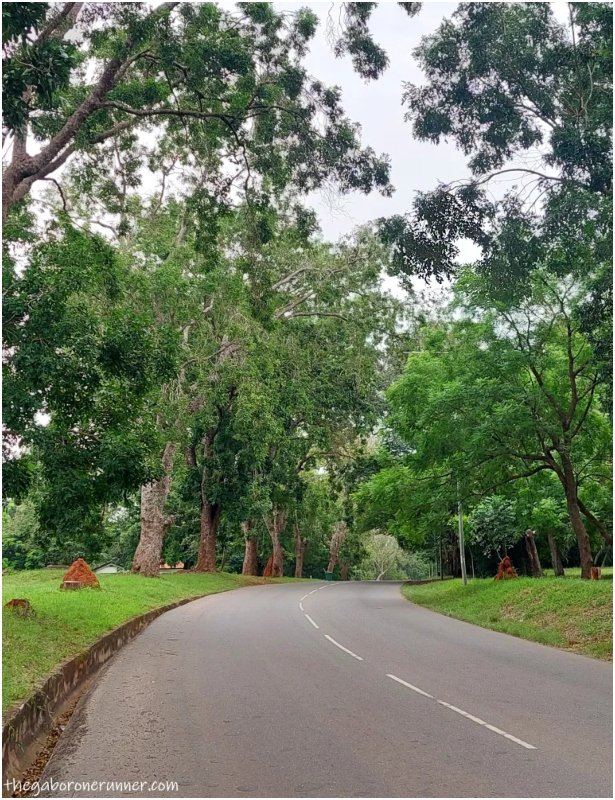
For a quieter, off-road experience, head to the expansive University of Ghana campus in Legon. Wide paths, tree-lined roads, and green spaces make it runner-friendly and serene—great for longer sessions without traffic hassles.
Legon Botanical Garden
Combine with the university campus for an extended trail. This lush garden offers shaded, natural paths amid exotic plants and wildlife—perfect for trail-like jogging with fresh air away from urban pollution.
Labadi Beach
Accra’s most central and popular beach run. Jog along the sandy shore with ocean breezes cooling the humidity. It’s vibrant with locals and visitors—best at sunrise for fewer crowds and stunning views.
Kokrobite Beach
West of central Accra, this relaxed beach offers softer sand and a laid-back vibe. Great for barefoot running or combining with nearby stretches for variety.
Kusum & Bojo Beaches (Combined Run)
Link these lesser-known beaches near Kokrobite for an epic longer coastal jog. Pristine sands, fewer people, and Atlantic waves make it a hidden gem for endurance runners seeking peace.
Aburi Botanical Gardens
A short drive north of Accra, these hilltop gardens provide cooler temps, paved trails, and breathtaking flora. It’s a destination run worth the trip—reward yourself with panoramic views after your workout.
Pro tip: Stay hydrated, use sunscreen, and watch for uneven surfaces. These spots highlight Accra’s runnable side, where you can stay fit amid the city’s energy!
Inspired by Great Runs guide.







Your body may resist your new weight after weight loss. Understanding metabolic adaptation can help you build a more realistic, sustainable maintenance plan.
Imagine two people who weigh 75 kilograms. One has maintained that weight for years, while the other has recently lost 10 kilograms after weighing 85.
Although the scale shows the same number, their bodies may not respond to food and energy in exactly the same way.
For someone who has lost substantial weight, the challenge may not end when the target is reached. The body can adapt to weight loss, making long-term maintenance more difficult than expected.
When the Body Adjusts
Weight loss reduces the amount of energy the body needs because a smaller body generally requires fewer calories to function and move.
In some people, energy expenditure also falls more than expected for their new body size, a response known as adaptive thermogenesis.
Hormonal changes can contribute, too. Signals involved in hunger and fullness may shift, leaving a person feeling hungrier while their body uses less energy than before.
This does not mean the metabolism is permanently damaged. Nor does it mean everyone who loses weight must eat less than another person of the same weight for the rest of their life. The degree of adaptation varies, and individual differences in muscle mass, activity and physiology matter.
Making Maintenance Sustainable
For people in Ghana and elsewhere, the practical lesson is to treat weight maintenance as part of the journey, not an afterthought. Regular physical activity, resistance training to preserve muscle, adequate protein and filling, nutritious meals can all support long-term progress.
After losing weight, it may also help to monitor changing hunger levels, activity and weight trends without responding to every fluctuation with severe restriction.
The goal is not to fight your body through endless dieting. It is to build routines you can live with, recognising that maintaining a lower weight may require continued attention, patience and flexibility.
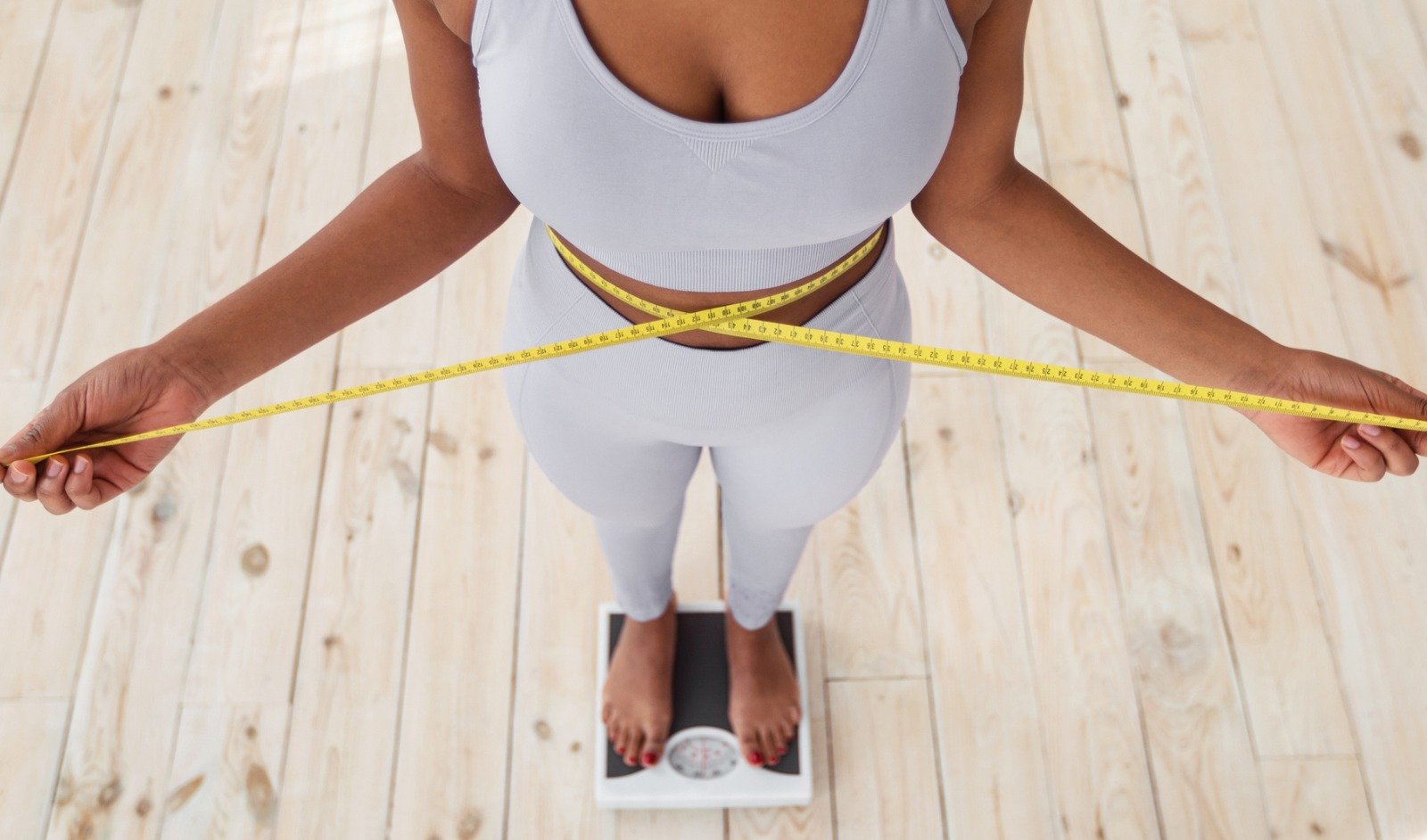
From filling your plate with nutritious foods to walking without a destination, small daily choices can help build a sustainable approach to weight management.
What if losing weight started with eating more food, not less?
It may sound surprising, but filling your plate with the right foods can make managing your weight easier. Instead of beginning with strict restrictions, a more sustainable approach focuses on everyday habits that help control hunger, manage calorie intake and keep the body moving.
Eat More Without Overloading on Calories
Volume eating is built around choosing foods that provide plenty of food for relatively few calories. Vegetables, fruits, beans and lean proteins can help make meals satisfying without pushing calorie intake too high.
For Ghanaian households, this might mean adding more kontomire, garden eggs, okra or other vegetables to meals, alongside beans, fish or lean meat. Portion sizes and cooking methods still matter, particularly when dishes contain generous amounts of oil.
Give Snacking a Second Thought
Eating between meals is not automatically unhealthy, but habitual snacking can add calories without providing much satisfaction. Establishing regular meal times and paying attention to genuine hunger may help people distinguish between needing food and simply eating out of boredom.
Intermittent fasting is optional, not essential. The aim is to develop a routine that supports adequate nutrition rather than forcing yourself to ignore hunger.
Enjoy Treats Without Losing Control
Weight management does not require abandoning favourite foods. Allowing yourself a reasonable portion of something sweet, crunchy or indulgent can make a balanced eating pattern easier to maintain. The key is enjoying it without automatically reaching for more.
Make Movement Part of Everyday Life
Walking to a nearby shop, taking the stairs or volunteering to run an errand all create opportunities to move. These activities complement planned exercise and help reduce sedentary time.
The lasting lesson is simple: sustainable weight loss is rarely built on one dramatic change. It grows from ordinary choices repeated consistently, with enough flexibility to make healthy habits part of everyday life.

What if spending just two hours a week lifting weights could do more than strengthen your muscles?
Research examining the relationship between resistance training and longevity suggests that building strength may be an important part of protecting long-term health.
The Case for Stronger Muscles
A large observational study involving approximately 147,000 participants, with a 30-year follow-up, examined how strength-training habits were associated with mortality.
Published in the British Journal of Sports Medicine, the research found that people who reported around 90 to 120 minutes of resistance training weekly experienced particularly favourable associations with longevity compared with those who did none.
The analysis reported a 13 per cent lower risk of death from all causes, a 19 per cent lower risk of cardiovascular mortality and a 27 per cent lower risk of neurological disease mortality among the relevant strength-training group.
These figures are encouraging, but they do not prove that lifting weights directly prevents death or guarantees a longer life. Observational studies identify associations, and other lifestyle factors may contribute to the results.
Making Strength Part of Everyday Life
Strength training does not have to mean lifting heavy barbells in an expensive gym. Squats, wall push-ups, resistance bands and exercises using manageable dumbbells can help build strength at home.
Carrying groceries or rising from a chair may seem ordinary, but maintaining the strength needed for such tasks becomes increasingly valuable with age.
For adults in Ghana balancing work, family responsibilities and long commutes, short, consistent sessions can be a practical starting point. Beginners should choose manageable resistance, focus on proper technique and increase difficulty gradually.
An Investment in the Years Ahead
Walking and other aerobic activities remain important for heart health, but strength training deserves a place alongside them. The goal is not simply to look stronger today; it is to preserve mobility, independence and physical capacity for the future.
Two hours a week may be a worthwhile investment in a healthier ageing journey.


Funding Fears Loom For Ghana’s Life-Saving Malaria Vaccine Five Years After Roll Out

‘There was a Coordinated Disclosure Plan’: AI-Discovered Flaw in PHP Triggers Global Internet Chaos as Cybercriminals Race to Exploit It
