
Fashion & Style
Dressed in Respect: How Funeral Fashion in Ghana Tells a Deeper Story
Funeral fashion in Ghana blends tradition and personal expression, allowing attendees to honor the departed with style and cultural reverence.

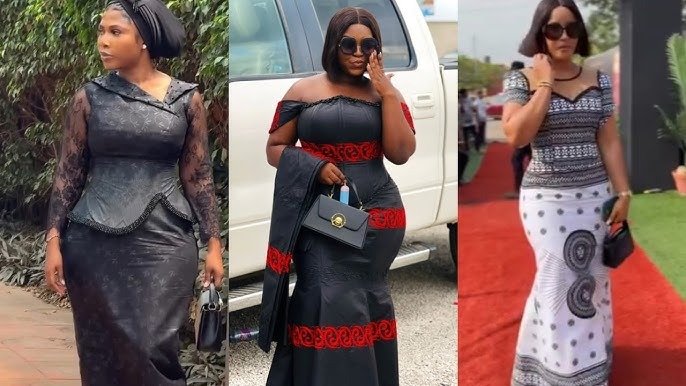
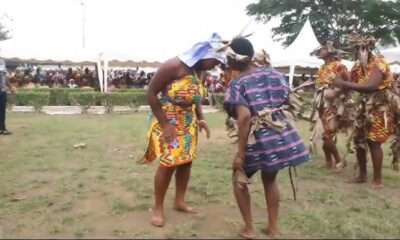
If you’re ever invited to attend a funeral in Ghana, know that how you appear is as important as your body language at the funeral grounds. Your attire is a cultural experience shaped by memory, reverence, and an unspoken dress code that carries meaning far beyond fabric.
Funerals remain among the most significant social gatherings in Ghanaian life, where rites honor not only the dead but also the legacy they leave behind. And as solemn as these occasions are, fashion has always played a quiet but powerful role.
Traditionally, black and red dominate funeral grounds, signaling grief, reverence, and deep respect. Today, these colors remain central, but the silhouettes have evolved.
Structured kaba and slit sets are now cut with cleaner lines, while men lean into tailored smocks, crisp kaftans, and well-fitted suits softened by traditional fabrics. The message is clear: dignity first, but never at the expense of personal expression.
What stands out most in recent years is the careful balance between tradition and modern taste. Women accessorize minimally—beaded earrings, modest headwraps, or a simple clutch—allowing the fabric and fit to speak.
Lace, once reserved for celebrations, now appears in muted tones, while velvet and heavy cottons add gravitas.
For men, funeral style has become less about uniformity and more about quiet confidence: polished shoes, subtle embroidery, and thoughtful layering.
For those flying in from London, New York, or Toronto, dressing for a Ghanaian funeral is also about reconnecting.
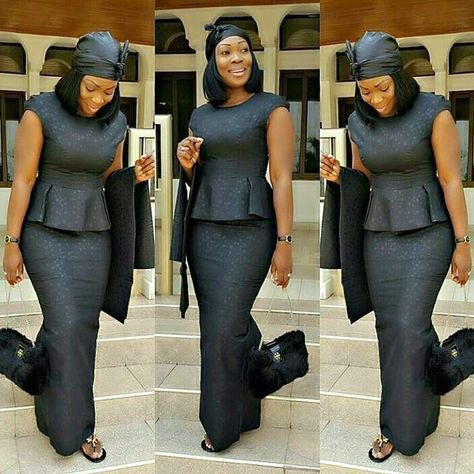
It is a way of saying, “I understand where I come from.” In that sense, funeral fashion is not about spectacle. It is about belonging—showing up, standing still, and letting your clothes reflect the weight of the moment.
In Ghana, even in grief, style carries meaning. And that, perhaps, is what makes these funerals unforgettable.










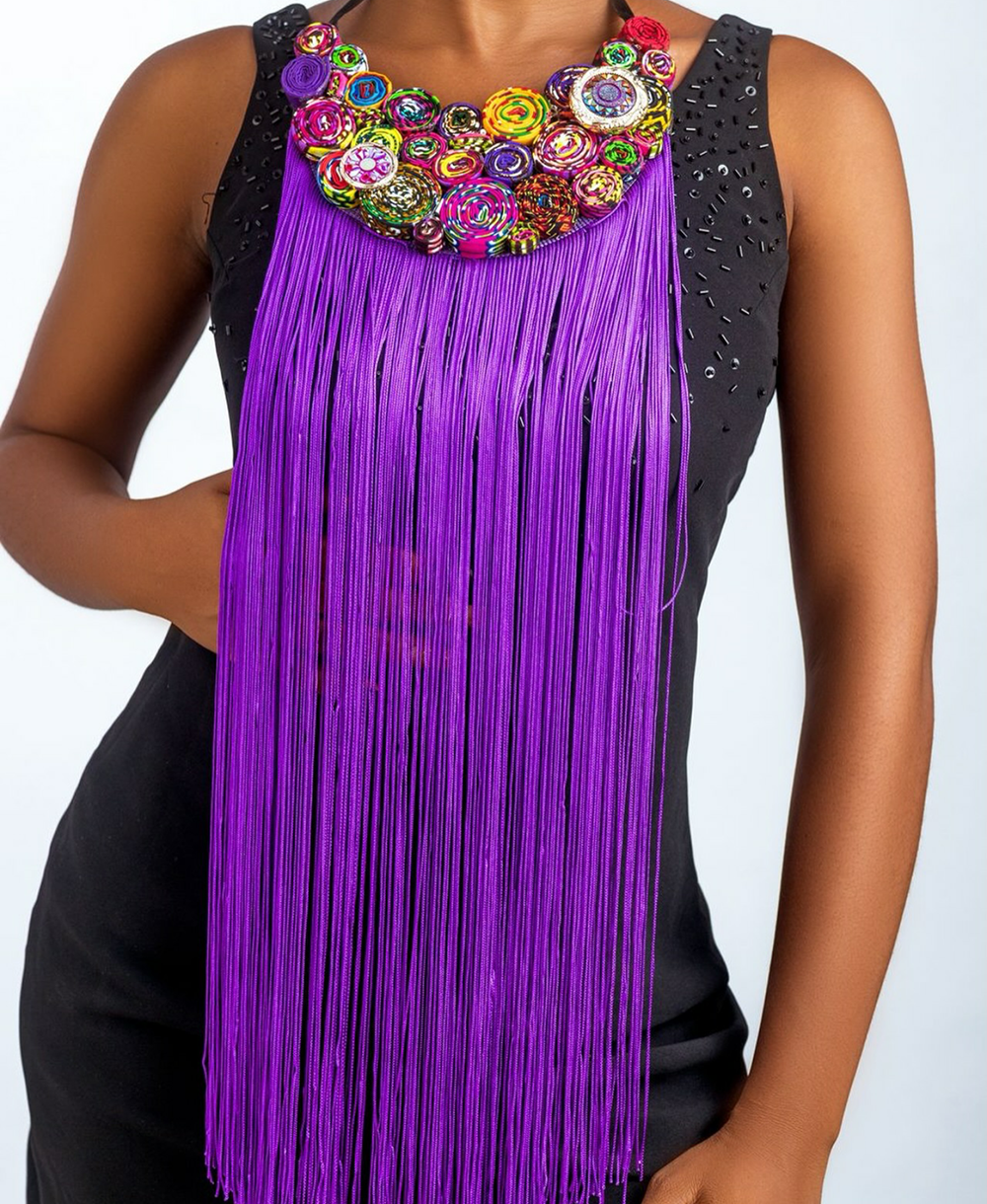
In a fashion world increasingly drawn to cultural authenticity, Ghanaian accessory label Poquaa GH is proving that heritage can be both playful and powerful.
Through bold materials, sculptural forms, and unmistakably Ghanaian references, the brand is carving out a space where tradition meets contemporary style.
What sets Poquaa GH apart is its ability to transform everyday objects into statement fashion pieces. One of the brand’s most unexpected design signatures is its reinvention of the humble flip flop—an item found in nearly every Ghanaian household.
Instead of remaining footwear, the material is reworked into distinctive accessories that highlight creativity and resourcefulness.
The result is a striking visual language that celebrates local lifestyle culture while challenging ideas about what luxury craftsmanship can look like.
Equally eye-catching are the brand’s vibrant fringe and feathered necklaces. These pieces burst with colour and movement, instantly drawing attention to the neckline.
Their layered textures echo ceremonial adornments often seen during traditional festivals, yet the styling feels refreshingly modern. Paired with contemporary outfits, the pieces introduce a sense of drama without losing their cultural roots.
Another standout in the Poquaa GH collection is its bold statement necklaces crafted from strands of African print fabric.
Instead of appearing as garments, the textiles are twisted and reconstructed into sculptural neckpieces. The technique transforms familiar prints into wearable art—pieces that carry both the symbolism of Ghanaian textiles and the energy of modern fashion design.
The brand also experiments with layered cape-style accessories that blur the line between jewelry and clothing. Draped across the shoulders, the designs resemble miniature ceremonial regalia.
The flowing forms subtly reference royal adornment and traditional authority, yet they remain lightweight and versatile enough for everyday styling.
Behind these creations is a designer deeply interested in preserving cultural identity through fashion innovation. Rather than simply reproducing traditional aesthetics, Poquaa GH reinterprets them for a new generation of wearers who want their accessories to tell a story.
In doing so, the brand reminds the fashion world that tradition is not static—it evolves through creativity and reinterpretation.
With designs that merge heritage, experimentation, and bold self-expression, Poquaa GH is quietly building a reputation for accessories that feel both rooted and refreshingly modern.
Fashion & Style
The Pleated Skirt Comeback: One Wardrobe Piece, Endless Style Possibilities
Yet in today’s style conversations—from street fashion in Accra to global fashion feeds—the pleated skirt is proving that versatility can be just as striking as bold trends.
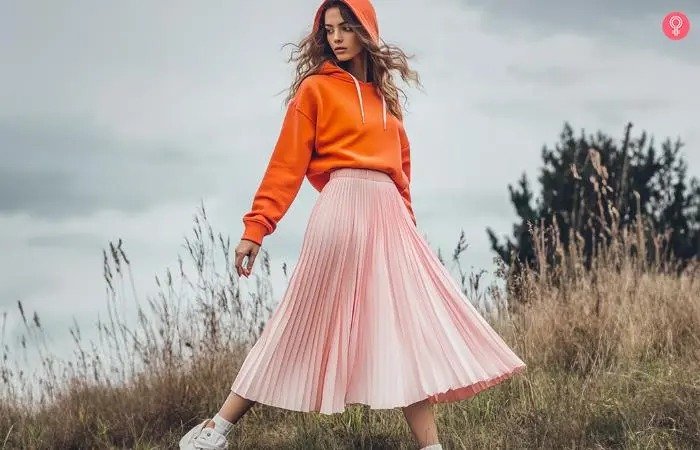
A pleated skirt has a quiet kind of power. With its soft folds and effortless movement, the piece has long been a staple in wardrobes across continents. Yet in today’s style conversations—from street fashion in Accra to global fashion feeds—the pleated skirt is proving that versatility can be just as striking as bold trends.
What makes the garment stand out is how easily it adapts to different moods and personalities. Pair it with a tailored blazer, and the look instantly feels polished and confident. The structured jacket sharpens the flowing silhouette of the skirt, creating an outfit that moves comfortably between office meetings and evening outings.
Swap the blazer for a simple T-shirt, and the mood shifts completely. The look becomes balanced and relaxed—an everyday style that feels both casual and intentional. This flexibility has made the pleated skirt a favourite among young professionals and fashion enthusiasts who want pieces that work across multiple settings.
Accessories also reshape the story. Add striped shades, and the outfit takes on an elegant, slightly playful edge. Throw on a sweater and the skirt suddenly becomes cozy and refined, ideal for cooler evenings or air-conditioned workspaces.
The magic of the pleated skirt, however, lies in its ability to keep up with changing fashion moods. When paired with a cropped top, it leans into contemporary trends—fresh, youthful and confident. Add a denim jacket and the outfit feels relaxed and weekend-ready, perfect for brunch dates or casual city strolls.
For those who prefer bolder style statements, a leather jacket changes the tone entirely. The softness of the pleats contrasts beautifully with the sharp, rebellious attitude of leather, producing a look that feels edgy without losing its elegance.
In many ways, the pleated skirt reflects a larger shift in modern fashion: the move toward adaptable pieces that allow people to express different sides of their identity. One garment, countless possibilities.
Sometimes the most powerful style choices aren’t the loudest ones. They’re the pieces that quietly transform with every pairing—and the pleated skirt does exactly that.
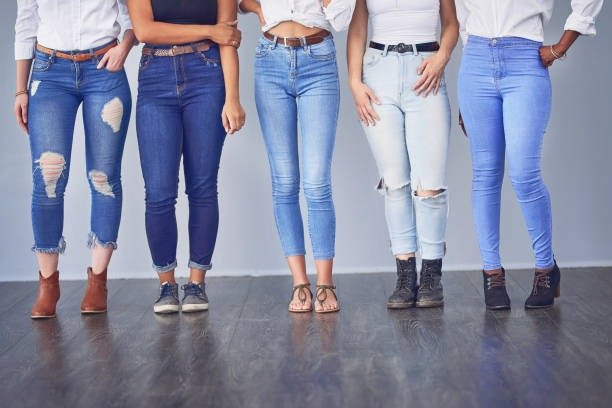
Denim may be the most democratic item in the global wardrobe, but wearing it well often comes down to a surprisingly simple detail: the shoes.
The right pairing can transform a basic outfit into something polished, modern, and intentional. Get it wrong, and even the most stylish pair of jeans can look slightly off.
Fashion insiders have long relied on a quiet styling rule—matching specific jean cuts with the footwear that complements their shape.
From flared silhouettes to wide-leg statements, the combination of denim and shoes creates the balance that defines a complete look.
Flared Jeans: Lean Into Sleek Footwear
Flared jeans carry a retro energy that traces back to the 1970s, and their wide hem naturally draws the eye downward. To keep the look balanced, stylists often recommend footwear that stays streamlined.
Low-profile sneakers offer a casual, everyday option, while kitten heels add a subtle lift without competing with the flare. Low-heel booties or western-inspired boots also work particularly well, peeking out just beneath the hem and reinforcing the vintage mood of the silhouette.
The key is proportion—letting the flare’s drama remain the focal point.
Straight-Leg Jeans: The Most Versatile Match
Straight-leg denim has become a modern wardrobe staple thanks to its simplicity and adaptability. It sits comfortably between fitted and relaxed, making it one of the easiest cuts to style.
This silhouette pairs well with runners for an athletic, off-duty look, while flats or clogs add a relaxed everyday feel. High-ankle booties create a sharper finish, especially during cooler months when denim meets layered outerwear.
Because straight-leg jeans neither taper dramatically nor widen at the hem, they act as a neutral base that works with almost any shoe.
Skinny and Wide-Leg Jeans: Opposites That Need Balance
Skinny jeans and wide-leg jeans sit at opposite ends of the denim spectrum, but both benefit from thoughtful shoe pairings.
Skinny jeans work best with sleek footwear that mirrors their streamlined shape. Sneakers, pointed-toe flats, loafers, or slim booties keep the outfit clean and proportional.
Wide-leg jeans, by contrast, invite a bit more structure at the base. Ballet flats maintain elegance, pointed-toe flats sharpen the silhouette, while block-heel mules or booties provide the height and stability that wide hems often need.
In fashion, small details often shape the final impression. And with denim—arguably the most universal garment in the world—the shoes you choose can quietly define the entire look.


Renowned Global Bodies Warn Middle East War Will Scuttle Africa’s 2026 Growth

Ex-President Akufo-Addo and President Mahama Exchange Pleasantries on Easter
