
Homes & Real Estate
The Costly Property Mistakes Many in the Diaspora Don’t See Coming
Many in the diaspora overlook key risks when acquiring a property in Ghana, turning what should be a dream home into costly mistakes.

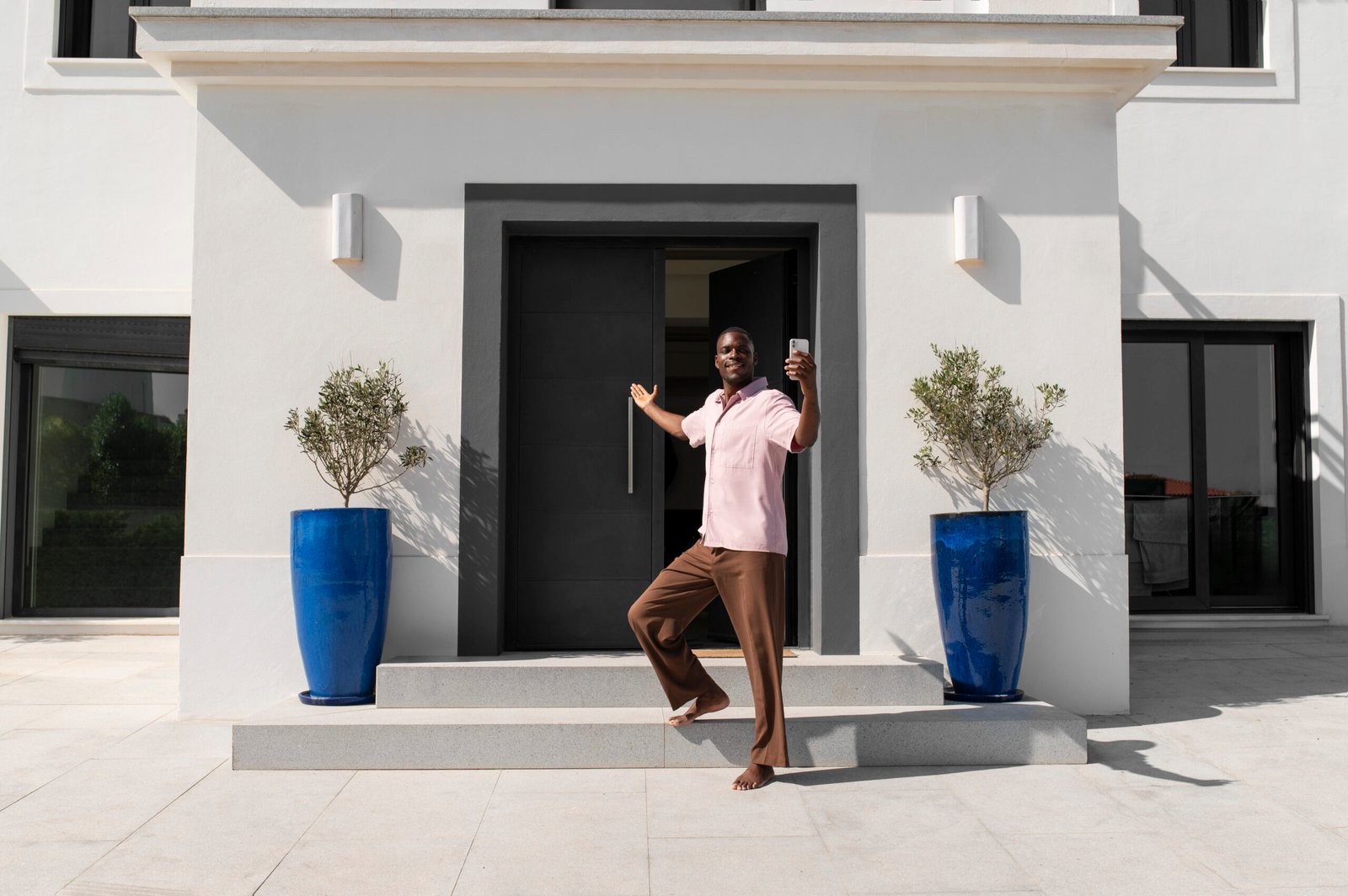
For many Black people living abroad, owning property in Ghana feels like more than a financial goal. It’s emotional. It’s legacy. It’s a future retirement plan, a holiday base, or something tangible to pass on to the next generation. But between intention and ownership, many people fall into the same traps—costly ones that could have been avoided.
Here are five things people in the diaspora often get wrong when trying to acquire property in Ghana.
1. Assuming Land Ownership Works as It Does Abroad
One of the biggest misconceptions is believing that land ownership in Ghana follows the same rules as in the UK, the US, or Canada. It doesn’t. Land in Ghana can be family-owned, stool-owned, state-owned, or privately owned, and each comes with its own process and risks.
Many buyers rely on verbal assurances or family connections instead of proper documentation. In Ghana, who sells you land matters just as much as the land itself. Without thorough checks, you may end up buying land that has multiple claimants—or none legally entitled to sell it in the first place.

2. Trusting Too Much Because “It’s Home”
Trust is cultural, but real estate demands caution. A common mistake is assuming that because a seller is a distant relative, childhood friend, or recommended by someone back home, everything will be fine.
Unfortunately, many disputes begin this way. Land guards, court cases, and unfinished buildings often trace back to informal arrangements sealed with handshakes and goodwill. Ghana may be home, but property transactions still require contracts, lawyers, and verified records.
Read Also: Why Ghana’s Property Market Keeps Calling Us Home
3. Underestimating the True Cost of Building
Many diaspora buyers budget for land and construction but forget the hidden costs that come with building in Ghana. Site supervision, security, permits, utility connections, inflation in material prices, and prolonged timelines can quietly drain finances.
Building from abroad without a trusted and accountable project manager is especially risky. Delays stretch for years. Materials disappear. Costs rise. What was meant to be a two-year project can turn into a decade-long frustration.
4. Buying Property Without Being Present—At Least Once
Some buyers complete entire transactions without ever setting foot on the land or seeing the property in person. Photos and videos can be misleading. Boundaries can shift. Neighbourhood plans can change.

Being physically present—at least once—helps you understand access roads, drainage, surrounding developments, and the general feel of the area. It also signals seriousness to sellers and professionals involved. Real estate is not just paperwork; it’s geography, environment, and context.
5. Focusing on Sentiment Over Strategy
Many diaspora buyers choose locations based purely on emotional attachment—where parents are from, where grandparents lived, or where “home” feels familiar. While sentiment matters, it shouldn’t override practical considerations.
Is the area developing? Are there access roads, water, electricity, and drainage? What is the resale or rental potential? A property meant to preserve legacy should also hold value, not become a burden to future generations.
Way Forward
Buying property in Ghana can still be a rewarding and empowering experience. The key is approaching it with clarity, patience, and structure. Work with qualified lawyers. Verify documents independently. Separate family loyalty from financial decisions. And most importantly, don’t rush.
For the diaspora, property ownership isn’t just about bricks and land—it’s about securing a future connection to home. When done right, it becomes a source of pride, stability, and long-term value. When done wrong, it becomes a lesson far more expensive than expected.
Ghana will always be home. The goal is to make sure your investment there feels just as solid.













Homes & Real Estate
How Mechanical, Electrical, and Plumbing Audits Protect Your Real Estate Investment
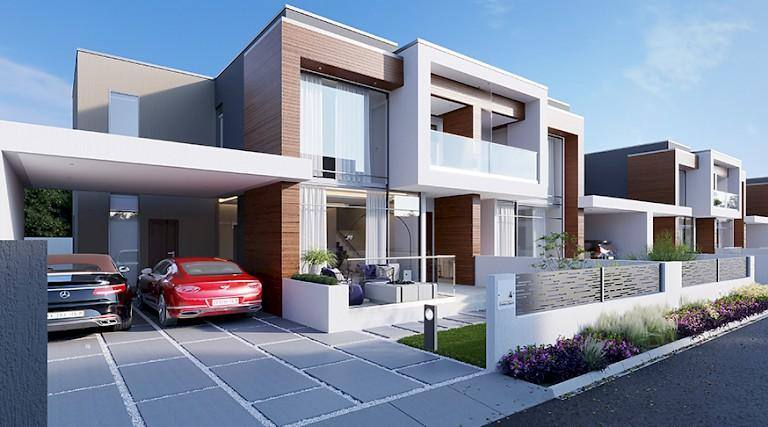
In Ghana’s rapidly expanding real estate landscape, buyers and property developers routinely focus on visible luxuries—imported floor tiles, high-end kitchen islands, and sleek modern facades.
However, a building’s true longevity depends on what remains hidden behind the plasterwork. Substandard mechanical, electrical, and plumbing (MEP) execution represents one of the most widespread yet preventable threats to property preservation and long-term asset value.
The Physics of Proper Drainage
Faulty drainage runs can transform a dream home into a maintenance nightmare. Proper plumbing relies on basic physics that cannot be compromised:
- Drainage Slopes: Every horizontal line requires a continuous downward pitch. Without verified slope angles, wastewater stalls, creating persistent foul odors and systemic blockages.
- Sweeping Bends: Drainage systems should utilize 45-degree bends rather than sharp 90-degree elbows, which trap solid waste and eventually obstruct main stacks.
- Fixtures and Traps: Every sink, toilet, and floor drain requires a dedicated trap holding a water seal to prevent sewer gases from entering living spaces.
- Roof Venting: Without vertical vent pipes extending through the roofline, negative pressure siphons water directly out of traps, causing the telltale gurgling sounds that precede sewer gas leaks.
Oversight Protects Capital
Fixing hidden plumbing errors after construction requires breaking imported tiles and core-drilling through reinforced concrete—unnecessary expenses that erode rental yields and home equity.
While buyers can execute basic checks like running taps and flushing toilets, certified MEP engineers must pressure-test buried joints and verify slope angles before walls are sealed.
In West Africa’s booming housing market, rigorous technical oversight remains the ultimate safeguard for real estate capital.
Festivals & Events
Building the Future, Honoring the Past: Discover West Africa’s Real Estate Transformation in Accra
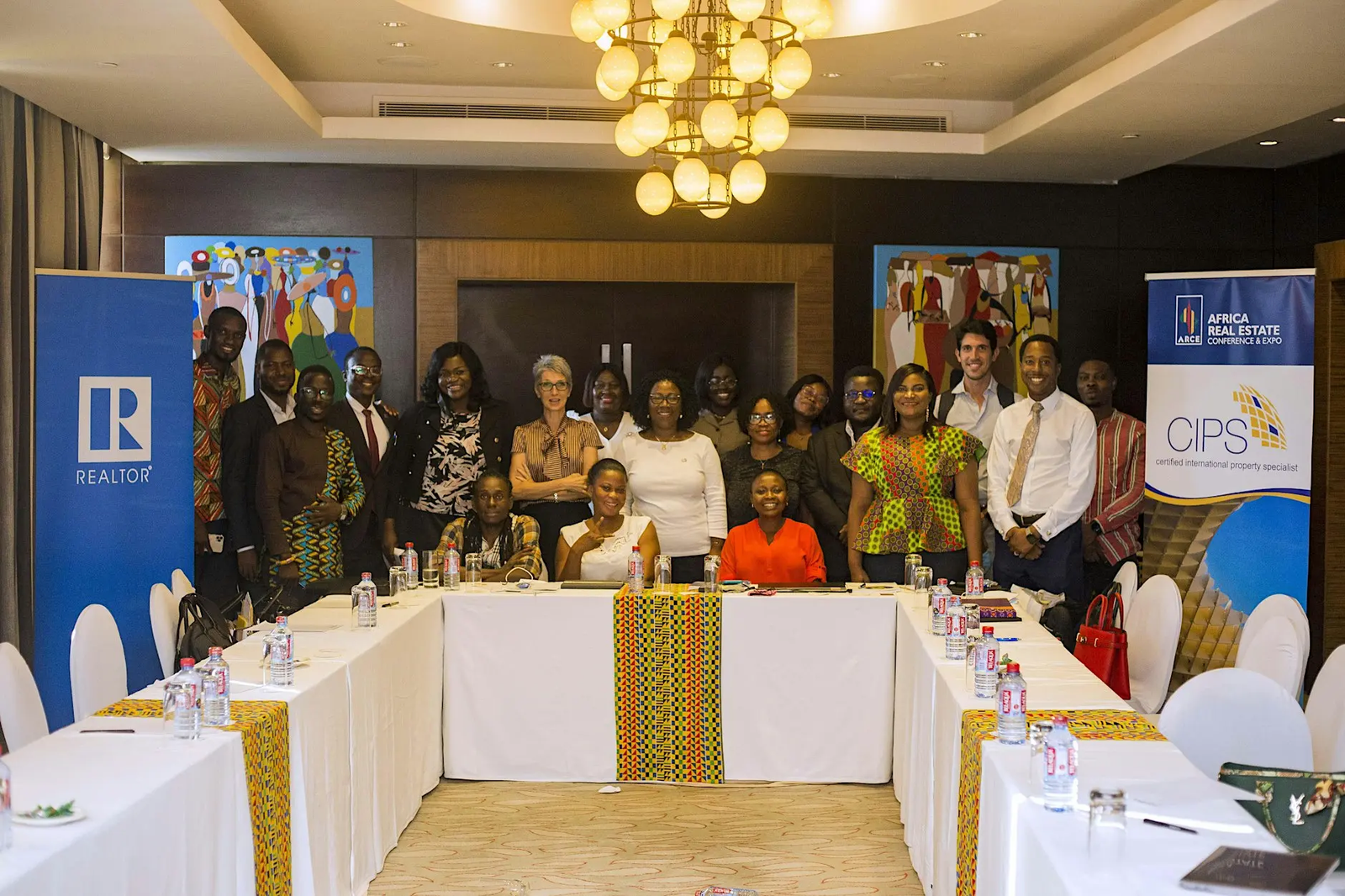
As coastal breezes drift across the Atlantic toward The Palms Convention Center in Accra, a powerful transformation is sweeping through West Africa.
From October 14 to 16, 2026, real estate leaders, PropTech visionaries, and policymakers from over 30 countries will gather for the Africa Real Estate Conference & Expo (ARCE 2026).
More than a corporate summit, ARCE serves as a living laboratory where policy, sustainable design, and digital innovation intersect to reshape the continent’s built environment.
The atmosphere inside the convention hall will buzz with delegates navigating interactive workshops, high-stakes investment pitching, and cutting-edge PropTech showcases.

Over 70 international exhibitors will present dynamic solutions—from digital land administration systems to eco-friendly building materials.
The defining highlight for many will be the African Culture Day, a vibrant celebration that fuses trade with tradition.

Here, attendees will experience rich Ghanaian rhythm, savor local culinary specialties like rich jollof rice and grilled kyinkyinga, and connect over shared stories of heritage and urban growth.
For international travelers, ARCE offers a rare front-row seat to West Africa’s economic energy while delivering warm, authentic Ghanaian hospitality (Akwaaba).

For local professionals and diaspora returnees, it is an empowering space to reclaim land narratives, explore affordable housing solutions, and directly shape community development.
Whether you are looking to invest in Africa’s fast-evolving urban landscape or simply reconnect with the continent’s dynamic spirit, ARCE 2026 delivers an unforgettable blend of global enterprise and rich local culture.
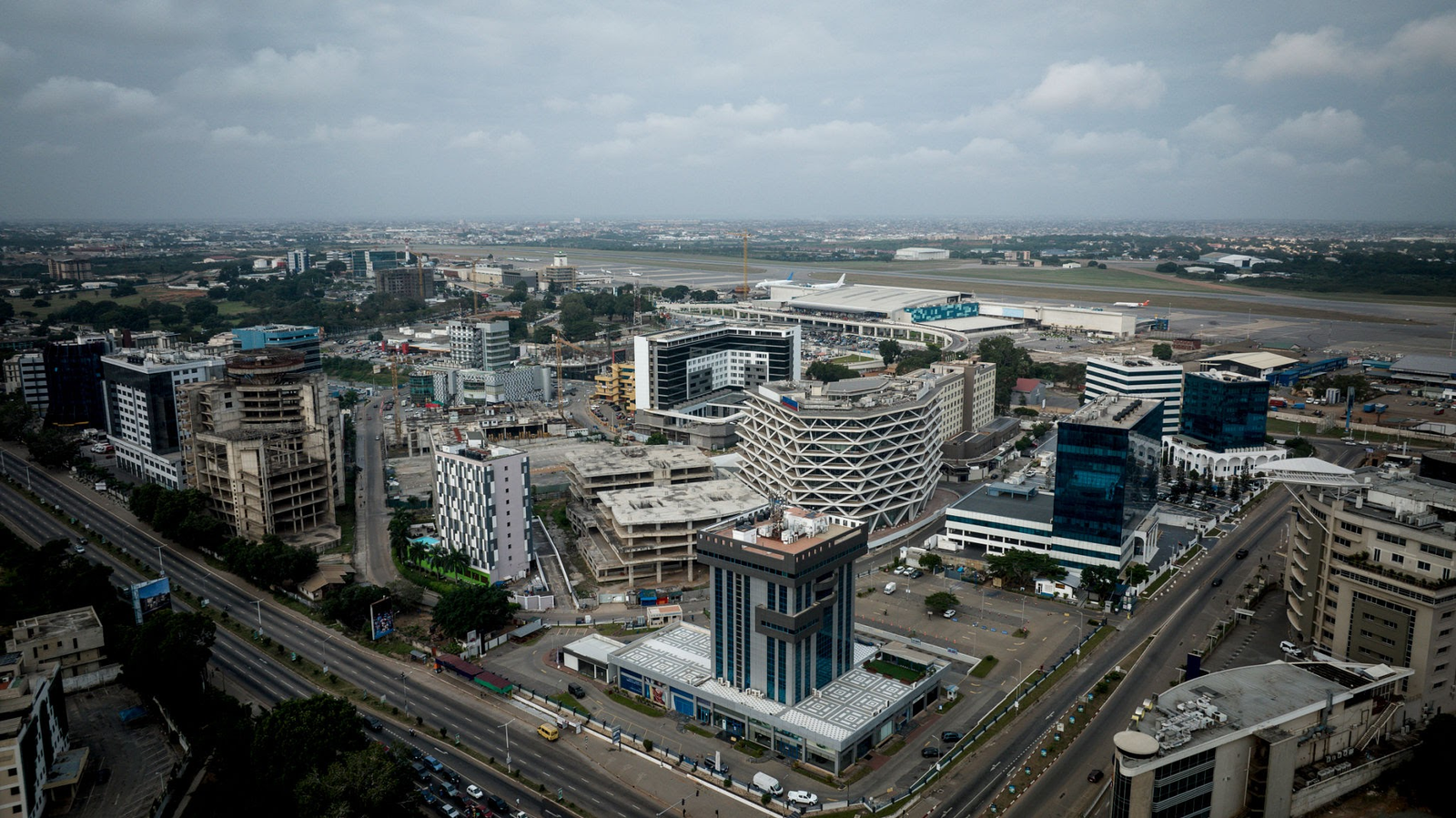
In real estate, physical structures can be renovated or redesigned, but a property’s geographic footprint remains permanent.
Across Accra’s fast-evolving urban landscape, location continues to operate as the single most critical engine of long-term property value, rental yield, and capital growth.
The Economics of Prime Enclaves
For international buyers and local investors navigating West Africa’s property market, neighborhoods like Cantonments, Airport Residential Area, Labone, Dzorwulu, and Roman Ridge represent more than prestige.
They offer localized stability. High-performing districts maintain steady demand because they solve urban friction through infrastructure: seamless proximity to Kotoka International Airport, top-tier international schools, private medical centers, and central commercial hubs.
This connectivity generates two key investor advantages: consistently high occupancy rates and resilient marketability. While outlying suburban developments face market volatility and long commutes, central residential nodes sustain robust demand from expatriates, diplomats, and business executives.
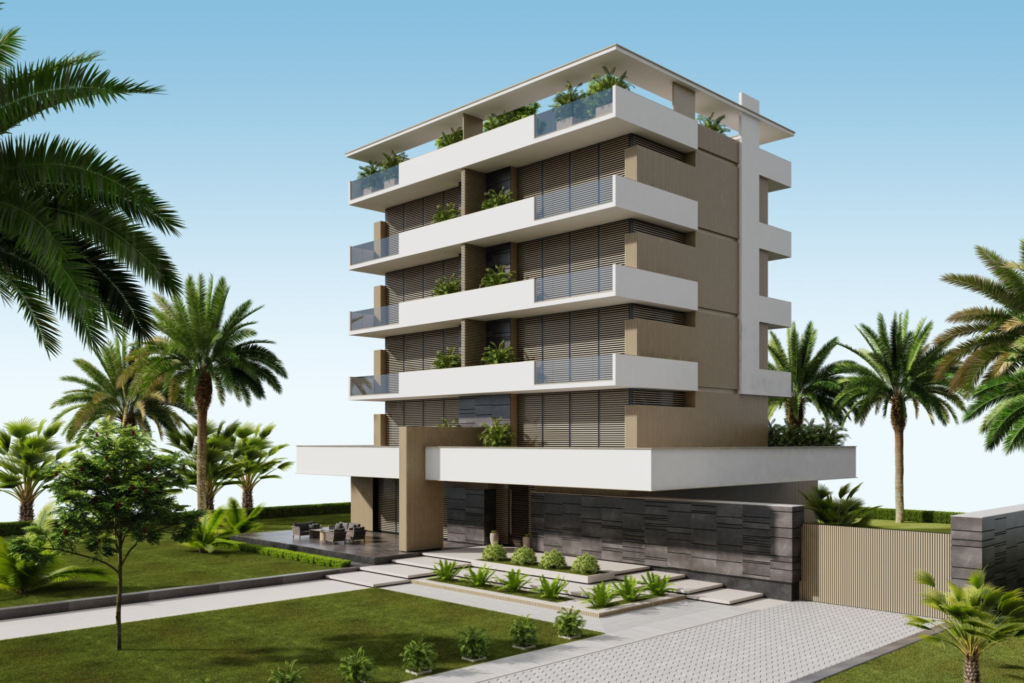
The modern strategy relies on securing off-plan developments within these established zones before construction completion drives valuation spikes.
Devtraco Plus’s multi-tower residential project, The Address, highlights this trend in Roman Ridge. By structuring flexible unit configurations across three towers, the development caters to both short-term corporate stays and long-term residential leases.
As Accra reinforces its position as a West African commercial gateway, prime urban addresses provide investors with an effective hedge against market fluctuations, capturing steady rental yields while establishing a firm foothold in Ghana’s expanding property sector.


When Aesthetics Backfire: What the Converse Imagery Controversy Teaches the Global Style Industry

How Mechanical, Electrical, and Plumbing Audits Protect Your Real Estate Investment

The Timeless Appeal of Koose and Spiced Millet Koko
-

 Sights and Sounds1 day ago
Why Bliss Family Entertainment Is Airport City’s Go-To Haven
-

 Health & Wellness2 days ago
First In, Last Out: Understanding Your Body’s Natural Fat Storage Blueprint
-
 Festivals & Events14 hours ago
Accra Welcomes New York Leadership for a Historic Night of Community
-
 Taste GH13 hours ago
The Timeless Appeal of Koose and Spiced Millet Koko
-

 Festivals & Events1 day ago
Where Cascades Meet Culture: The Majestic Grandeur of the Wli Falls Festival
-
 Homes & Real Estate2 hours ago
How Mechanical, Electrical, and Plumbing Audits Protect Your Real Estate Investment
-
 Fashion & Style2 hours ago
When Aesthetics Backfire: What the Converse Imagery Controversy Teaches the Global Style Industry