
Reels & Social Media Highlights
Love, Loud and Online: How Valentine’s Day Took Over Our Timelines

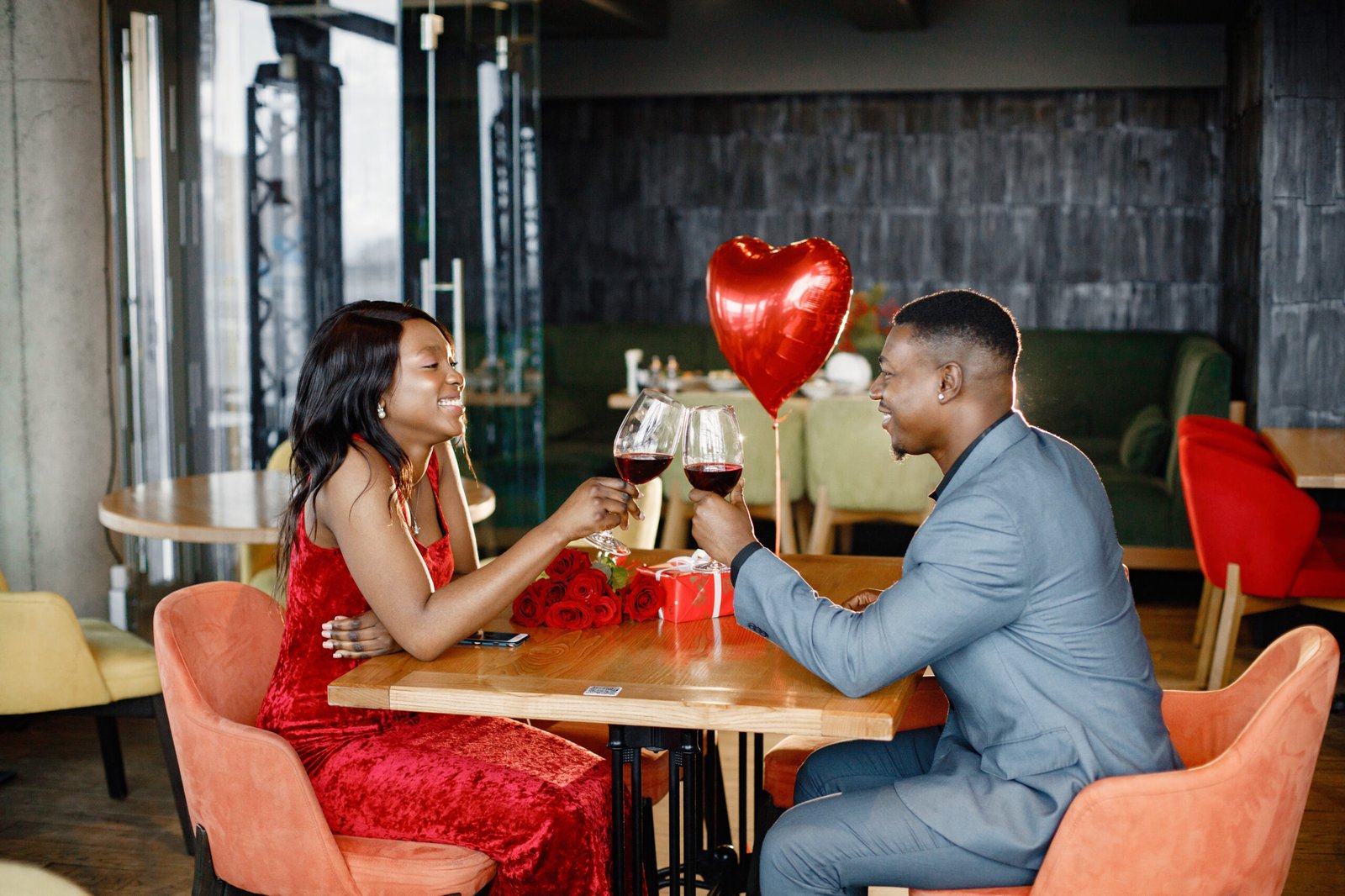
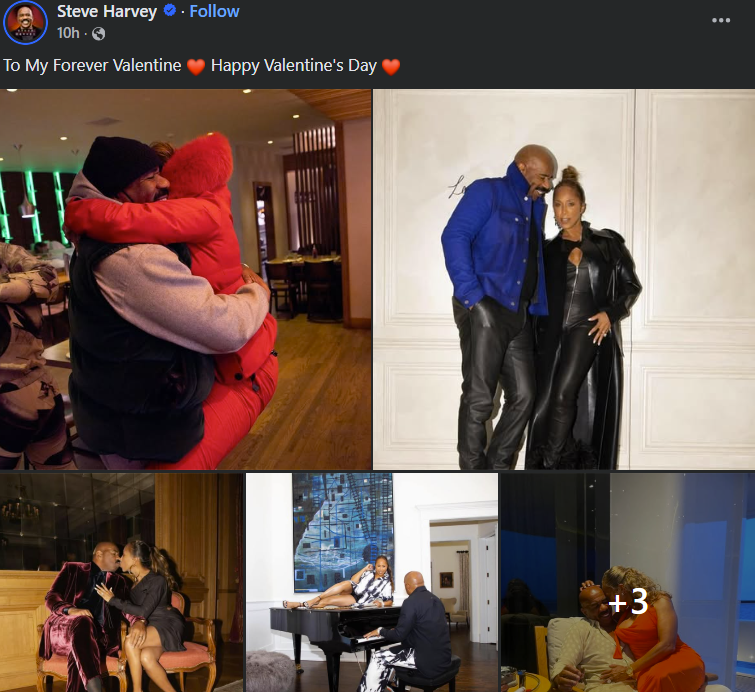
By the time you unlocked your phone yesterday, it was already clear that Valentine’s Day wasn’t whispering this year. It was shouting [Even the Prince and Princess of Whales joined in]. From breakfast in bed to surprise trips, luxury gifts to handwritten notes, love showed up online in full color.
Across timelines, couples leaned all the way in. Rose-petal trails were leading to hotel rooms, coordinated outfits for dinner dates, and gift boxes stacked so neatly they looked staged for a shoot. Some people booked private chefs. Others flew out. A few turned their living rooms into candle-lit restaurants, proving that romance doesn’t always need a reservation.
Read Also: “Living in Ghana Taught Me to Slow Down”: Diaspora Creator Shares How She Found Patience and Purpose in Everyday Life
But what stood out most wasn’t just the spending. It was the performance of intention. Carefully edited videos. Captions that read like open love letters. For many couples, Valentine’s Day became a moment to publicly affirm softness, effort, and visibility—things our communities are too often denied or stereotyped away from.
Single people weren’t silent either. Some reclaimed the day loudly, posting flowers bought for themselves, solo dinner dates, and reminders that love doesn’t expire because you’re unattached. Others chose humour, poking fun at the pressure with memes and commentary that cut through the pink haze.
Of course, not everyone was impressed. A familiar debate surfaced: is love still real if it’s filmed? Are these moments shared or staged? But even that conversation says something. Social media has become the public square where affection is debated, validated, and sometimes questioned.
Happy Valentine’s Day from the Crossroads of the World! 💞 Nothing tops the sweetness of not one, but TWO surprise proposals right in the heart of #TimesSquare! 💍💍💝 https://t.co/M7gVeRz4kv#LoveTSQ #ValentinesDay #NYC #surpriseproposal pic.twitter.com/sa4Oa38aXh
— Times Square (@TimesSquareNYC) February 14, 2026
At its core, yesterday wasn’t just about romance. It was about visibility. About being seen loving and being loved. Whether quiet or extravagant, ironic or sincere, Valentine’s Day reminded us of one thing: in the age of timelines and stories, love gets posted.
Kwesta and his wife Yolanda celebrate Valentine’s Day.#ValentinesDay pic.twitter.com/tErC6R7TsA
— MDN NEWS (@MDNnewss) February 14, 2026




Reels & Social Media Highlights
From Black Stars to Bodyguards: Inside Ghana’s Viral Conversations on Facebook and X
Ghana’s social media landscape on Wednesday, September 16, 2026, pulsed with a familiar cocktail of football passion, celebrity drama, and sharp public debate.
The Black Stars’ World Cup aspirations, a dancehall star’s controversial moment, and a sobering national conversation about digital privacy all competed for attention, painting a vivid picture of a nation deeply engaged with both its entertainers and its future.
Football, as always, commanded significant space. Discussions around the Black Stars, coach Otto Addo, and World Cup qualifiers dominated X trends, reflecting the perpetual hope and anxiety that grips Ghanaian fans whenever the national team is in focus.
The beautiful game remains the great unifier, a topic that cuts across political and social divides.
Yet, the day’s most polarizing figure was undoubtedly Shatta Wale. A video of his Rolls-Royce knocking down fans outside the Movenpick Hotel continued to generate fierce reactions.
While some criticized the fans for recklessness, others questioned the artist’s handling of the situation, exposing the complex relationship between Ghanaian celebrities and their adoring publics.
On a more somber note, the arrest of 36 suspects following the lynching of a police officer at Gindabour sparked serious conversations about mob justice and community-police relations.
This, alongside ongoing discussions about “Azigi” and non-consensual image sharing, revealed a digital public increasingly willing to confront uncomfortable societal issues .
What united these conversations was their ability to transcend the screen. From football banter to ethical debates about celebrity conduct and community violence, Ghana’s digital culture on that Wednesday was less about passive scrolling and more about active, often passionate, engagement with the realities of national life.
Ghana’s social media space on Monday, September 14, 2026, felt less like a timeline and more like a stadium. Every scroll delivered fresh drama, and Ghanaians packed the stands.
The day’s loudest roar came from Shatta Wale. Viral footage showed his Rolls-Royce knocking down fans outside Accra’s Mövenpick Hotel as he departed an event.
X exploded instantly, splitting into camps: those condemning the chaos, others blaming fans who surrounded the vehicle, and a third group turning the moment into memes.
The clip circulated for hours, a reminder of how quickly celebrity worship can curdle into public spectacle.
Music kept the fire burning. Kweku Smoke’s No Days Off album dominated nine of Apple Music Ghana’s top ten spots, while Black Sherif’s “Jolie” sat wedged between his tracks. Fans turned the chart into a battlefield, with Medikal’s cryptic post about artistic decline adding fuel.
Meanwhile, Wendy Shay’s claim that Ghana’s music industry discriminates against women sparked heated debate between those validating her frustration and critics urging harder work.
Perhaps the most surreal moment arrived when radio host Ola Michael mimicked Bishop Obinim’s anointing-oil theatrics, praying for God to forgive the bishop for alleged deception. Ghanaians watched, laughed, and shared, unsure whether they were witnessing a spiritual rebuke or performance art.
The day captured Ghana’s digital culture at full volume: celebrity chaos, musical rivalry, gender debates, and spiritual spectacle — all consumed in real time, together.
Reels & Social Media Highlights
Jollof, Feuds, and Football: Inside Ghana’s Explosive Social Media Day

Ghana’s social media landscape on Thursday, 10th September 2026, was a vibrant tapestry of sporting triumph, celebrity drama, and cultural pride that kept timelines refreshing faster than ever.
The day’s most electrifying conversation centered on the Black Princesses’ stunning 3-1 victory over South Korea at the FIFA U-20 Women’s World Cup.
Ghanaians flooded X with celebratory posts, praising Sarah Nyarko’s spectacular long-range strike and the team’s remarkable resilience after their opening-day defeat.
The win reignited national pride and sparked renewed conversations about investing in women’s football.
🎥 🇬🇭 GOALLLLLL! Ivy Osei Owusu doubles the Black Princesses’ lead with a beautiful chip over the goalkeeper against South Korea at the FIFA U-20 Women’s World Cup.#CitiSports pic.twitter.com/zoDhfYnpC5
— Citi Sports (@CitiSportsGHA) September 9, 2026
Meanwhile, the Sarkodie-Stonebwoy saga took an unexpectedly humorous turn. Musician Captain Planet publicly called on President Mahama to intervene in the ongoing feud, joking that “your sons are fighting”.
The twist? A viral debate over who actually cooked the jollof rice Sarkodie allegedly ate at Stonebwoy’s home—Sarkodie credited Dr Louisa, while Stonebwoy insisted he cooked it himself.
Mr President HH @JDMahama Father for all Baba i dey greet you oo . Baba your sons are fighting @sarkodie & @stonebwoy . Baba kindly call them and resolve this issue amicably. Baba i get 1 kind song i dey come release on the 16/09/26 Title be #Fulani and i dont want hear any… pic.twitter.com/GuvATFjUkH
— CAPTAIN PLANET 4X4 (@CAPTAINPLANETGH) September 9, 2026
The playful controversy had Ghanaians debating everything from celebrity loyalty to the sacred art of jollof preparation.
In more heartwarming news, a Ghanaian pilot identified as Nana Koranteng captured hearts by proposing to his partner mid-flight.
The romantic gesture sparked widespread admiration, with many calling it “the ultimate Ghanaian love story.”
Ghanaian pilot Nana Koranteng shares the beautiful moment he flew his partner into the sky and proposed to her. pic.twitter.com/S4qBD96dk3
— 𝐀𝐒𝐊 (@askghmedia) September 7, 2026
These trends reveal a digital culture that oscillates between fierce national pride, celebrity fascination, and communal humour.
Ghanaians don’t just consume content—they debate, meme, and celebrate together, transforming social media into a truly democratic town square where football glory and jollof arguments carry equal weight.



-

 Ghana News1 day ago
“It Slipped Through”: Ghana Customs Boss Admits Airport Security Failure After 3.9-Ton Drug Bust
-

 Opinion1 day ago
African Blood for Other People’s War?
-
 Festivals & Events2 days ago
Accra Welcomes New York Leadership for a Historic Night of Community
-

 Homes & Real Estate1 day ago
How Mechanical, Electrical, and Plumbing Audits Protect Your Real Estate Investment
-

 Global Update1 day ago
White House Launches ‘Trump TV’ on YouTube After Banning Three News Outlets: Here’s What It’s Showing
-
 Taste GH2 days ago
The Timeless Appeal of Koose and Spiced Millet Koko
-
 Ghana News4 hours ago
Ghana Parliament Faces Emergency Recall Over Heightening Narcotics Crisis
-
 Fashion & Style1 day ago
When Aesthetics Backfire: What the Converse Imagery Controversy Teaches the Global Style Industry