
Sights and Sounds
Bigger Than Manhyia: Discover the Grandeur of the Assin Kushea Palace, West Africa’s Largest

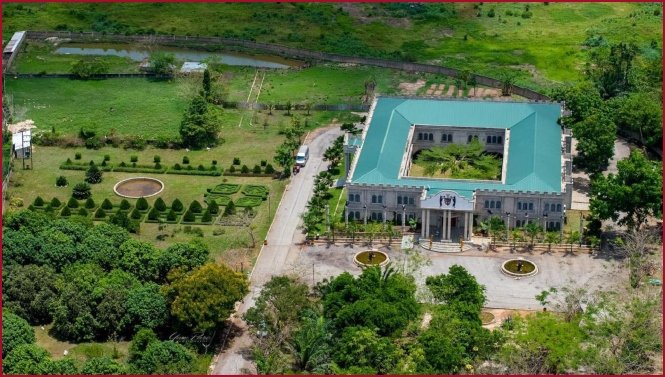
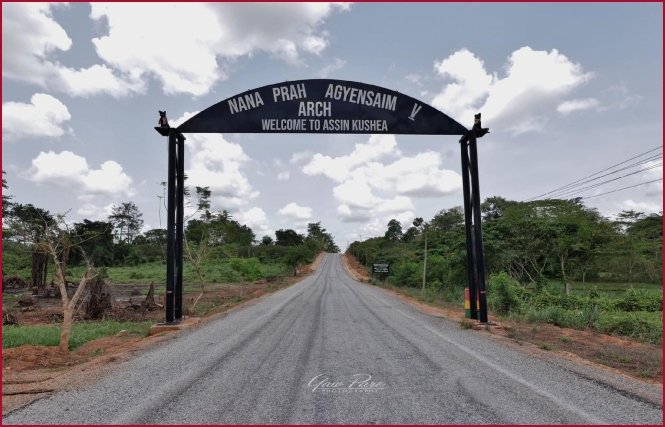
Tucked away in the quiet Central Region town of Assin Kushea lies a masterpiece of traditional architecture that is quietly redefining Ghana’s tourism landscape.
The Assin Kushea Palace, built by Nana Prah Agyensaim VI, Paramount Chief of the Owirenkyi Traditional Area, is believed to be the largest palace in West Africa—surpassing even the renowned Manhyia Palace in Kumasi in physical size and scale.
For travel influencer Gladys Cassandra Bugashie (@iamcassie_gh), the discovery was nothing short of revelation.
“I don’t even know why I am now discovering this gem,” she exclaims in a recent Instagram video that has since gone viral. “They said this is the largest palace in West Africa. Honestly, when I was coming, I just decided not to give myself any expectations. Guys, I absolutely agree this place is the biggest palace in West Africa. I am shocked, like properly shocked.”
A Vision Born from a Wife’s Encouragement
The story of how this magnificent structure came to be is as compelling as the palace itself. Speaking to Etsey Atisu, host of People & Places on GhanaWeb TV, Nana Prah Agyensaim VI revealed that the inspiration came from an unexpected source: his wife.
“I remember one day, I was talking to my wife about Kushea and she said, ‘You should build a palace o, you should build a palace before you go—you should build a palace.’ I said OK, I hear. I will; I will. Little did she know all her ‘chop money’ would go into the palace,” the chief recounted with a chuckle.
Construction began 13 years ago, and on the very same day, the chief planted a tree on the palace grounds.
“So, they have the same birthdays; the tree and the palace,” he noted. Though still not fully completed, the palace already stands as a testament to what the chief calls “inter-generational leadership”—a legacy meant to endure long after he is gone.
Grandeur on a 7.4-Acre Scale
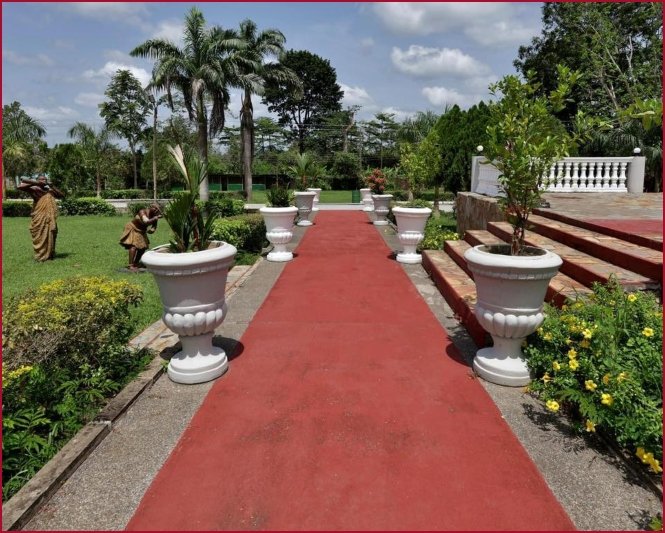
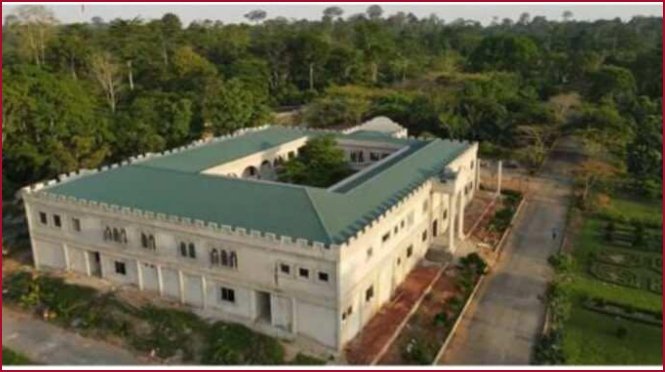
Sitting on approximately 7.4 acres of land, the Assin Kushea Palace is a sprawling complex that defies expectations.
Unlike the more famous Manhyia Palace in the Ashanti Region—primarily a residence and historical museum for the Asantehene—the Assin Kushea Palace was conceived from the outset as a tourism and community asset.
The chief has stated that he does not intend to reside in the palace himself; rather, it is being built to promote tourism and showcase Ghanaian culture to the world.
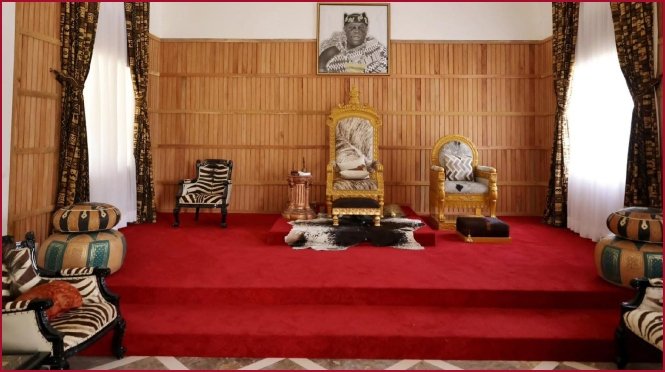
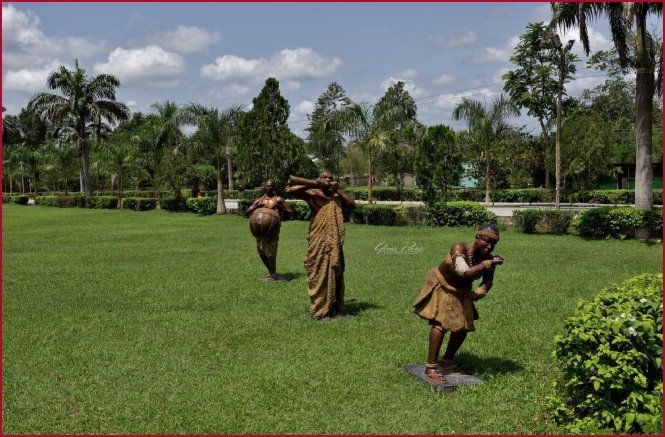
Visitors to the palace are greeted by an imposing entrance flanked by two statues of warriors, spears and shields in hand, standing guard. Beyond lies a massive courtyard suitable for ceremonial gatherings, complete with an elevated platform where the chief presides during functions.
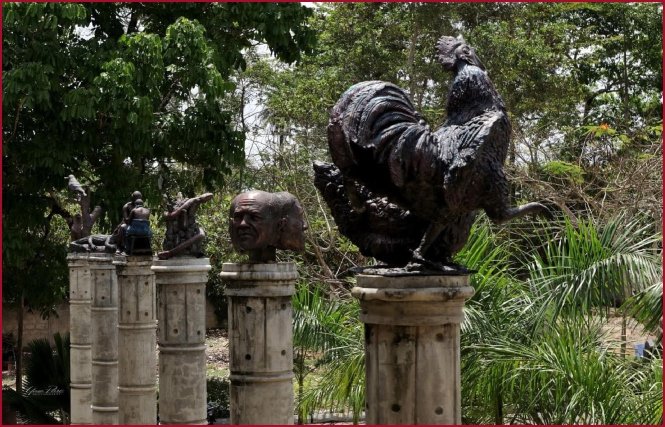
The architectural details tell stories. Throughout the complex, visitors will encounter numerous sculptures of dogs—the totem of the chief’s Aduana Clan. According to legend, a dog guided the clan during their migration, lighting the path with fire from its mouth. The dog represents honesty and industriousness, values that the chief has clearly embedded in his vision for the community.
More Than Just a Palace
What sets the Assin Kushea Palace apart is its multifaceted nature. The complex includes:
- A botanical garden showcasing local flora
- A mini-zoo housing various animals
- A fishpond, created by the chief to address potential future fish shortages resulting from the environmental impact of illegal mining (galamsey) on the Pra River
- Guest rooms for visitors who wish to stay overnight and immerse themselves in the peaceful environment
- Walls adorned with African proverbs, traditional artifacts, and depictions of animals and birds
“The place is huge, neat, and very grand,” Bugashie marvels in her video. “You just stand there and you’re like, whoa, so this is actually in my country. The funny thing is, it’s quietly tucked away in the Central Region of Ghana, not even loud about it. Just sitting there like a gem.”
The Cleanest Town in Ghana
The palace is not the only point of pride for Assin Kushea. Under Nana Prah Agyensaim VI’s leadership, the town has earned the distinction of being the cleanest in Ghana . The chief recognized early that he could not compete with larger, wealthier paramountcies, so he chose to be different—focusing on sanitation as a unique selling point .
His approach was rooted in understanding Ghanaian cultural habits.
“We as Ghanaians had the tradition of throwing leaves away, when we used to eat from leaves… after you finish eating, the natural thing to do is throw the leaves away. In those days, it didn’t matter because the leaves would decompose. So, we were not littering, but the habit of throwing had been ingrained in us,” he explained. “So, when this creature called plastic came, we put our food in the plastic. After eating, we throw it away because that is the habit that we had inculcated in us. So, my problem was to stop the throwing away”.
Today, Assin Kushea’s streets are tarred, dustbins are ubiquitous, and the chief personally conducts visits to communities and schools to emphasize the importance of hygiene .
A Call to Domestic Tourism
For Bugashie, the experience carried a deeper message about how Ghanaians view their own country.
“Sometimes, we are just looking outside Ghana to find nice places to visit, but the real beauty is right here at home,” she reflects. “Trust me, you will love it. I loved it, so I’m sure you would.”
Her sentiment echoes a growing movement encouraging Ghanaians to explore their own backyard. While the slave castles of Cape Coast and Elmina draw international visitors, and the Manhyia Palace attracts those interested in Ashanti history, the Assin Kushea Palace offers something different: a living, growing monument to what visionary leadership can achieve.
Practical Information for Visitors
The Assin Kushea Palace is located approximately 12 kilometers off the Assin Fosu highway in the Central Region . Tour operators such as Obed B. offer guided day tours from Accra and surrounding areas, with itineraries that include the palace, the mini-zoo, and opportunities to learn about the history of the Akan people and the surrounding communities .
For those seeking a deeper experience, guest rooms are available on-site, allowing visitors to stay overnight and fully absorb the peaceful atmosphere that characterizes both the palace grounds and the town itself .
As Bugashie concludes in her video: “If you like traveling and exploring or just seeing nice places, please add this to your bucket list. Do not sleep on it. Go and experience it for yourself.”
The Assin Kushea Palace stands as proof that Ghana’s tourism treasures extend far beyond the well-trodden paths—and that sometimes, the most magnificent discoveries are hiding in plain sight.









Sights and Sounds
Mind Craft Camps Accra Turns School Holidays into Adventures in Creativity and Discovery

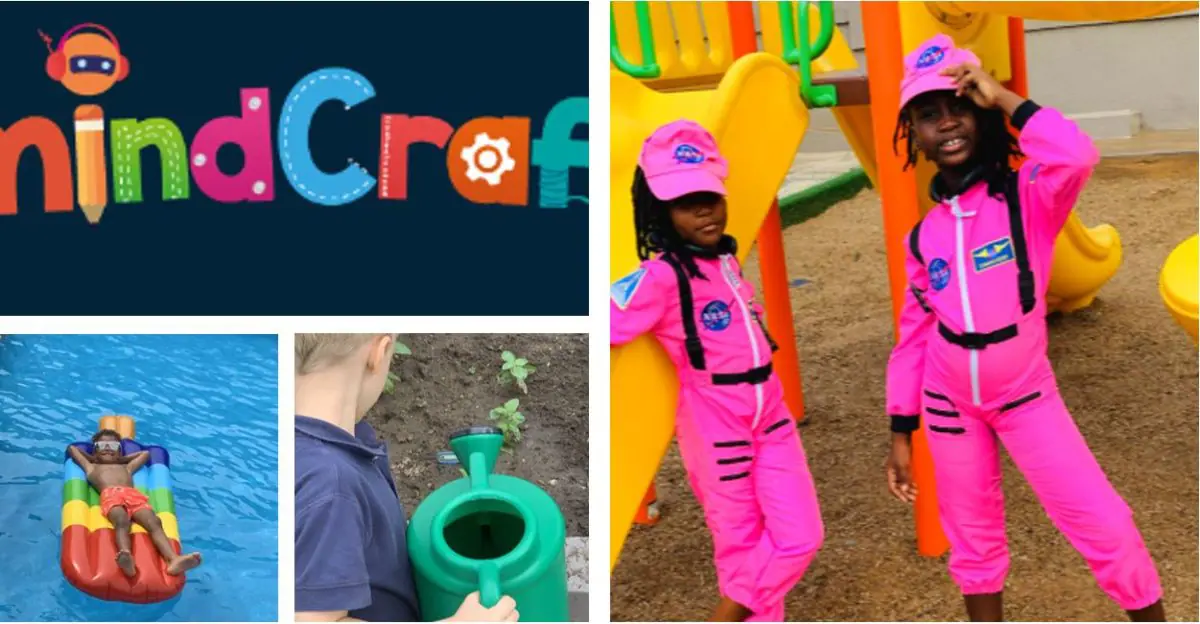
For children, a school holiday is an invitation to explore, imagine and play. For parents, finding activities that keep young minds engaged while providing a safe, supervised environment can be a challenge.
In Accra, Mind Craft Camps offers a way to bring both needs together, turning school breaks into opportunities for creativity, discovery and practical learning.
Organised by Cheeky Monkey Club, a provider of holiday camps in Ghana’s capital, Mind Craft is a multi-activity, outdoor-based programme built around invention literacy and skill development.
Its approach gives children room to enjoy their holidays while engaging in imaginative activities designed to encourage curiosity and new skills.
The camps run around school holidays throughout the year, with the summer programme taking place from July through August. Sessions run from 9am to 3pm and welcome children aged three to 12, offering families a structured option during the long school break.
A key feature is the way children are grouped according to age. Participants aged three to five, six to eight, and nine to 12 are placed in separate groups, allowing activities to be suited to their different stages of development.
This arrangement helps ensure that younger children and older participants can engage with programmes appropriate to their abilities and interests.
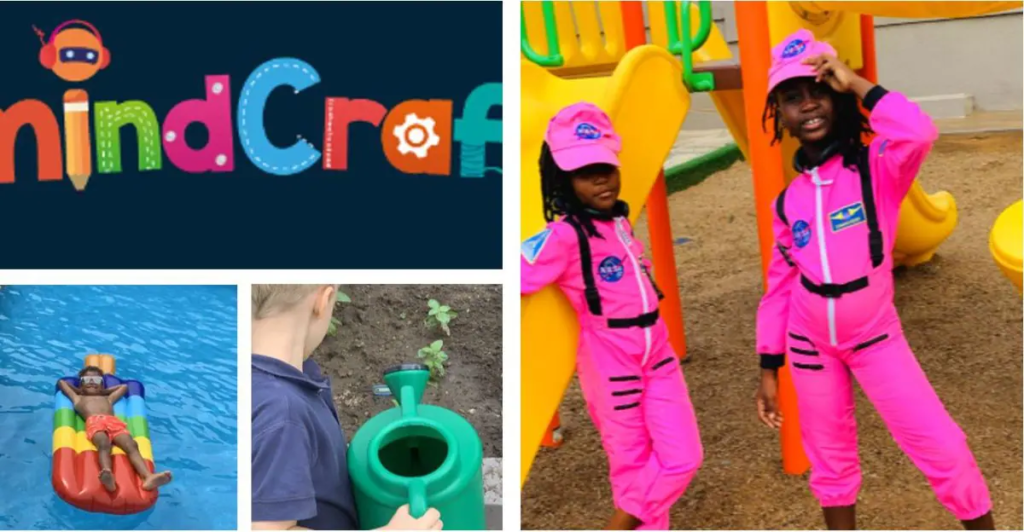
Located in East Legon and Cantonments, Mind Craft also offers parents flexibility when planning their children’s holiday schedules. Depending on availability, families can choose drop-in sessions, half-day or full-day attendance, bookings for the entire summer, or weekly packages.
Fees are charged in Ghanaian cedis, with options starting from GH₵100, making it possible for parents to consider different arrangements based on their schedules and budgets.
By combining outdoor activities, supervised play and skill-building, Mind Craft Camps presents school holidays as more than a pause from classroom learning.
They become an opportunity for children to experiment, make discoveries and develop their abilities while enjoying the freedom of play.
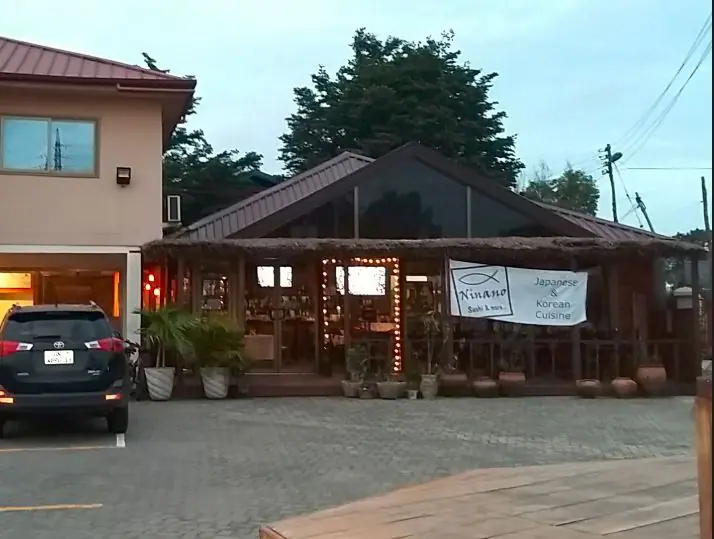
Step inside Ninano Korean and Japanese Restaurant, and the atmosphere offers a welcome escape from the familiar.
With its distinctive wooden interiors, freshly prepared sushi and traditional East Asian dishes, the restaurant brings a taste of Japan and Korea to Ghana, creating a dining experience that has attracted both international attention and expatriate diners.
For Japanese and Korean nationals living and working in Ghana, Ninano offers familiar flavours far from home.
For other diners, it presents an opportunity to explore two celebrated Asian culinary traditions under one roof.
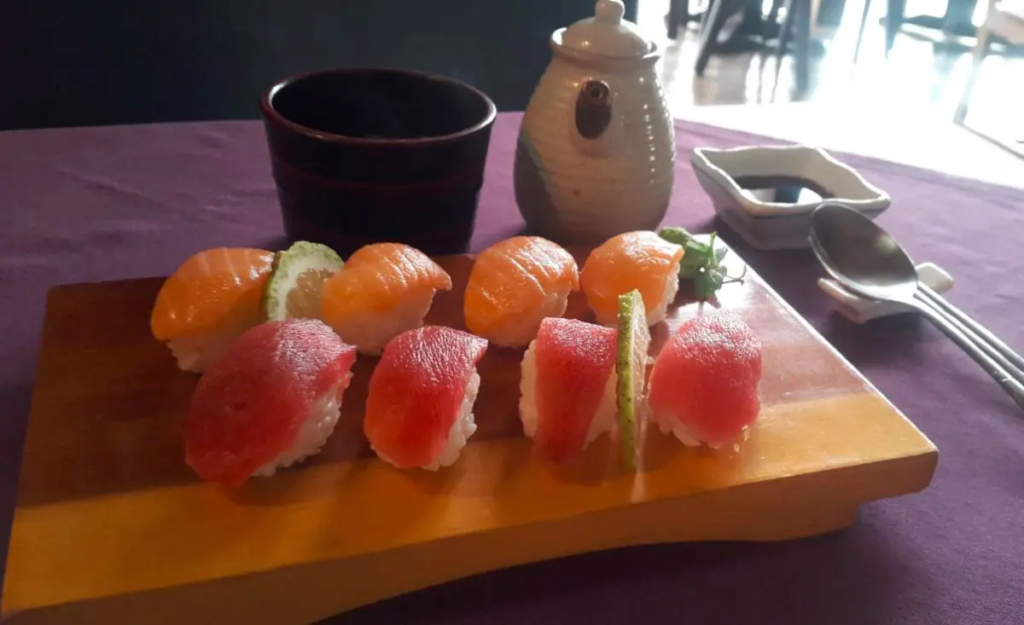
Japanese cuisine takes centre stage through freshly prepared sushi and udon noodles. Thick and satisfying, udon is a Japanese wheat-flour noodle commonly served in a hot broth, offering a comforting alternative to lighter dishes.
Sushi, meanwhile, provides a fresh, carefully prepared option that has helped the restaurant gain recognition beyond Ghana, including a feature on Japanese television.
Korean food brings a different character to the menu. Bulgogi, a popular Korean dish whose name translates roughly to “fire meat”, features thin slices of beef or pork marinated before being grilled.
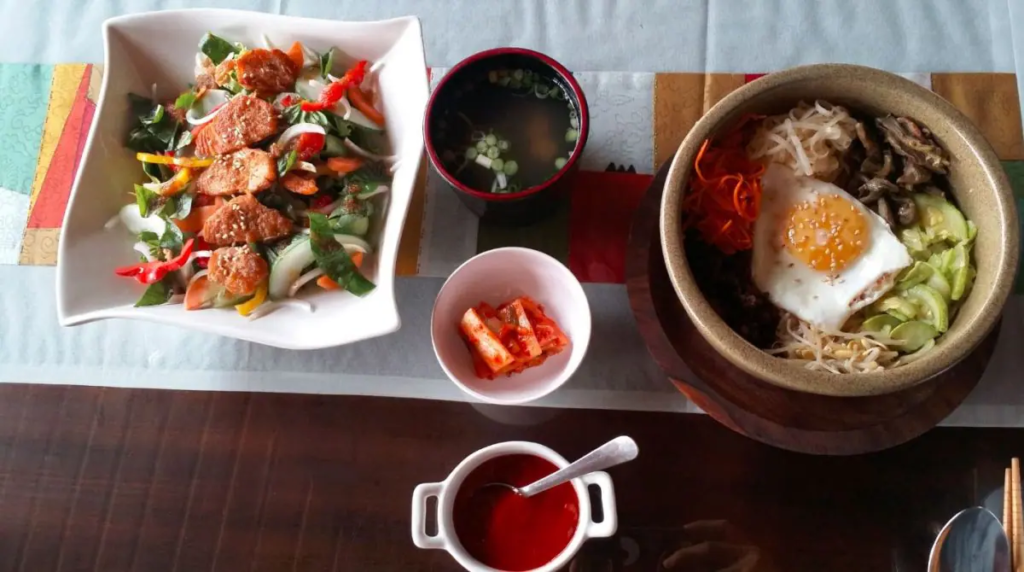
Its savoury, richly seasoned flavour makes it a natural companion to the restaurant’s Japanese offerings.
Yet Ninano’s appeal extends beyond the food. Live music adds to the atmosphere, while large-screen televisions occasionally show live sports and other events.
The bar serves cocktails, wines, soft drinks and Japanese and Korean favourites, giving guests another reason to linger after their meal.
Service and ambience also contribute to the experience. Previous diners have praised the speedy service and quality of the food, describing the restaurant’s wooden setting as an environment that can momentarily make them feel as though they have travelled beyond Ghana’s borders.
Ultimately, Ninano offers more than a menu of Asian specialities. It provides a meeting point for familiar tastes and new discoveries, making it a distinctive destination for sushi lovers, Korean food enthusiasts and anyone seeking an East Asian dining experience in Ghana.
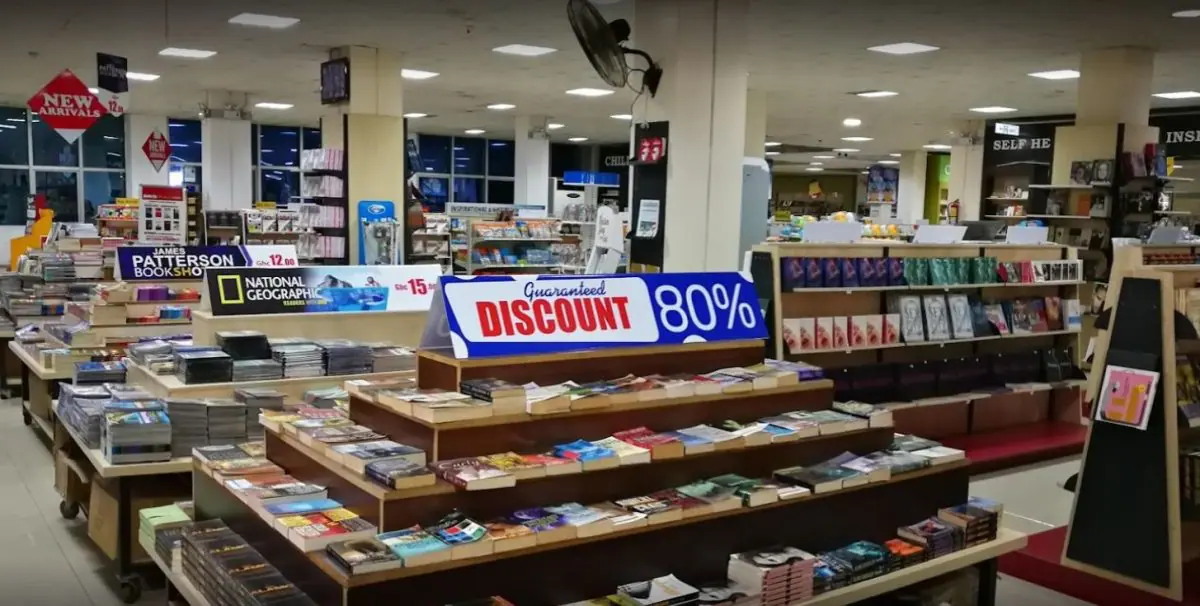
A child searching for their first picture book, a university student hunting for a prescribed textbook or a reader hoping to find their next favourite novel can all begin their search at the same place: EPP BookShop at Legon City Mall.
Located at 7 Lagoon Street, off Giffard Road, the Legon branch brings together books for different ages, interests and stages of learning.
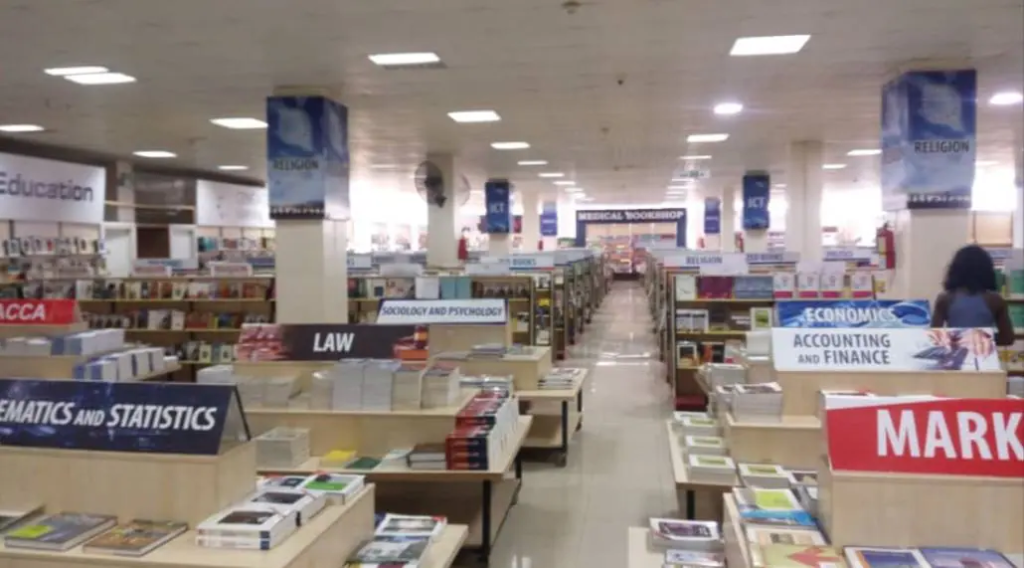
Its appeal lies in the range of titles available, making it a useful stop for families preparing children for school, students pursuing higher education and readers looking beyond the classroom.
From a Small Accra Shop to a Growing Book Business
EPP Books began in 1991 as a modest bookshop in Accra, occupying a space of no more than 20 square metres.
Over the years, it grew into a chain with branches across the West African sub-region, expanding its reach beyond its original location.
That journey reflects the continuing need for accessible books in homes, schools and educational institutions.
For many learners, textbooks and supplementary readers are essential tools, while novels and self-help books offer opportunities for entertainment, personal growth and discovery.
Books for Different Stages of Life
At the Legon branch, the selection spans preschool materials, children’s readers, school curriculum books, secondary-school textbooks and university-level titles. Customers can also browse bestselling novels and books on personal development.
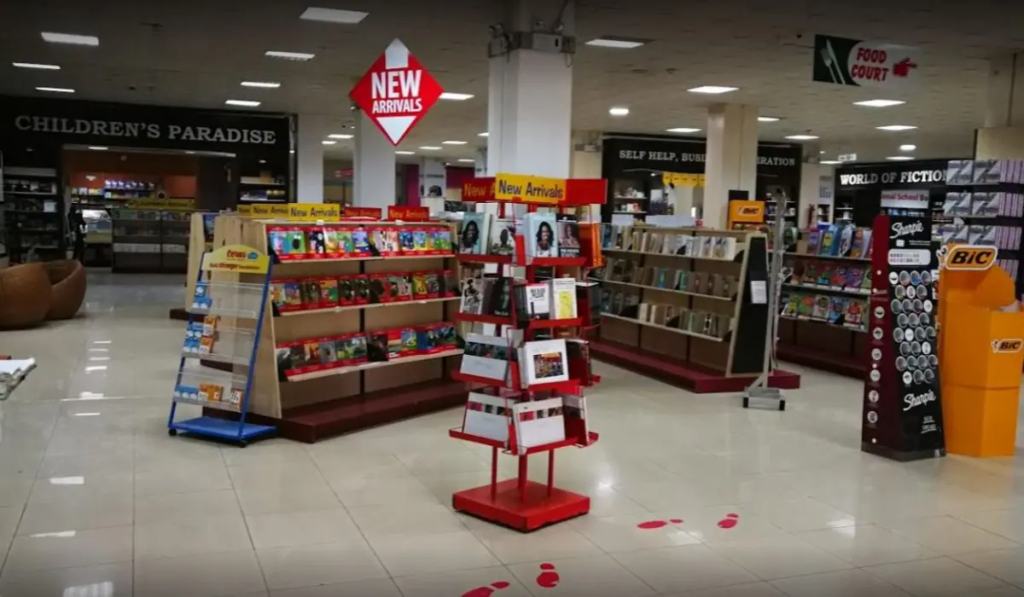
EPP BookShop serves both retail and wholesale customers, giving individual readers and organisations options for purchasing books. If a particular title is unavailable on the shelves, the shop can also arrange to order it.
For residents, students and visitors in the Legon area, the branch offers more than a place to buy reading materials. It provides a practical starting point for the search for knowledge, whether that begins with a child’s first schoolbook or a reader’s next literary adventure.


Funding Fears Loom For Ghana’s Life-Saving Malaria Vaccine Five Years After Roll Out

‘There was a Coordinated Disclosure Plan’: AI-Discovered Flaw in PHP Triggers Global Internet Chaos as Cybercriminals Race to Exploit It

Yandex Strikes: Can Moscow Host Africa Under Drone Threat?
-

 Reels & Social Media Highlights24 hours ago
Ghana’s Digital Heartbeat: Outrage, Satire, and the Fight for Accountability
-

 Festivals & Events12 hours ago
Compozers Fest Ghana Edition: Welcoming 2027 with Music in Accra
-
 Taste GH12 hours ago
Airport Residential Area: Where Accra’s Dining Scene Meets Global Flavours
-
 Ghana News8 hours ago
Major Sexual Abuse Scandal Rocks Ghana High School: Obuasi School Headmaster Sues Journalist for GH¢2 Million as Investigation Into Alleged Misconduct Widens
-

 Health & Wellness1 day ago
Beyond Bigger Muscles: Why Strength Training Matters for Healthy Ageing
-

 Fashion & Style1 day ago
Wyclef Jean Gives Ghanaian Kaftan a Global Spotlight After ‘Chineke’ Fashion Inspiration
-

 Health & Wellness1 day ago
Four Everyday Lifestyle Habits That Can Make Weight Loss Easier
-

 Health & Wellness12 hours ago
Why Keeping Weight Off Can Be Harder Than Losing It