
Business
Why Many Diaspora Investors Lose Money in Ghana — And End Up Leaving


A growing number of diaspora returnees hoping to invest or start businesses in Ghana are losing significant sums of money.
This often forces them to abandon their ventures and return abroad, according to insights shared by a long-term resident and entrepreneur familiar with Ghana’s business landscape.
In a widely circulated video by entrepreneurship podcaster Derrick Abaitey, he discusses diaspora investment failures and argues that enthusiasm alone — without local knowledge — is one of the biggest reasons many foreign-based Africans struggle when they attempt to do business in Ghana and across Africa.
“Most of the people who lose money are from the diaspora,” he said, explaining that many returnees are inspired by business ideas that work well in Europe or North America and assume those same models will succeed back home. “They get excited about ideas abroad and think, ‘This will work perfectly in my country,’ but that’s not how it works.”
According to the speaker, a key problem is that many diaspora investors were not entrepreneurs in their countries of residence before attempting to launch businesses in Ghana. Without prior experience running a venture, they often underestimate the complexity of local markets and overestimate demand for imported business concepts.
He also stressed that lack of research and cultural understanding plays a major role in business failures.
“They don’t take time to understand whether the business will actually work here,” he said. “You have to understand the people — their buying patterns, their decision-making process, and how they spend money.”
Drawing from personal experience, the entrepreneur revealed that his first business in East Legon failed, resulting in losses of about US$40,000, largely due to the same assumptions he now warns others against. “I came with the wrong mindset,” he admitted. “Later, when I truly understood the people, the decisions I made changed everything for our business.”
One practical example highlighted was Ghana’s payment culture. Despite the rise of digital finance, the speaker noted that about 80 percent of transactions in Ghana are conducted via mobile money, not bank cards. Businesses that rely solely on card payments risk excluding the majority of potential customers.
“If you come in and start a business that only accepts card payments, you will lose out on 80 percent of transactions,” he warned, adding that his own business faced this challenge firsthand.
The broader lesson, he said, is that Ghana’s market operates within a distinct cultural and economic context that requires patience, observation, and adaptation.
“We have a culture here. We have a way of doing things here,” he stated.
For members of the diaspora considering investing or relocating to Ghana, the message is clear: success depends less on importing ideas and more on understanding local realities. Without that grounding, even well-funded ventures can fail — leaving investors disillusioned and financially strained.
Ghana continues to attract global interest from Africans abroad seeking reconnection and opportunity, and this expert says sustainable success will require deeper engagement with local communities, consumer behaviour, and business norms — not just optimism and capital.











Business
Netherlands Reclaims Position as World’s Top Exporter of Cocoa Products, Ghana Remains Key Supplier


Amsterdam, Netherlands – The Netherlands has overtaken Germany to become the world’s leading exporter of cocoa products in 2025, recording €12.4 billion in exports, according to new data from Statistics Netherlands (CBS).
The sharp rise in export value was driven by elevated global cocoa prices and strong international demand for semi-processed cocoa products used in chocolate manufacturing.
Nearly three-quarters of Dutch cocoa exports consist of intermediate goods such as cocoa butter, cocoa powder, and chocolate liquor, which are shipped to manufacturers across Europe and North America.
Germany remains the largest single market for these exports, followed by Belgium, France, the United Kingdom, and the United States.
West African countries, particularly Côte d’Ivoire and Ghana, continue to serve as critical suppliers of raw cocoa beans feeding Dutch processing hubs, especially around Amsterdam and the Zaanstreek industrial area.
The sustained high prices have been linked to poor harvests in West Africa caused by adverse weather conditions in recent years.
For Ghana, the development underscores its continued strategic importance in the global cocoa supply chain.
However, it also highlights the longstanding imbalance in the industry, where African nations primarily export raw beans while European processors capture the majority of the value through further processing and re-export of higher-value products.
Economists argue that while Ghana benefits from strong demand for its beans, greater investment in local processing capacity and industrialisation is needed to retain more value domestically and reduce heavy reliance on raw commodity exports. The Netherlands’ dual role as a major importer of raw beans and leading exporter of processed cocoa products further cements its position as Europe’s cocoa trading powerhouse.

Accra, Ghana – Ghana’s Narcotics Control Commission (NACOC) is in the final stages of reviewing applications for cannabis licences, with successful applicants expected to receive approval to begin operations soon, marking a significant milestone in the country’s efforts to develop a legal and regulated cannabis sector.
Deputy Director-General for Enforcement, Control, and Elimination, Alexander Twum-Barimah, disclosed this while speaking at the Kwahu Business Forum on Saturday.
He emphasised that the review process has been “thorough and deliberate” to ensure that only applicants who fully meet all legal, regulatory, and security requirements are granted licences. NACOC officials engaged with potential investors at the forum’s exhibition stand, providing details on various licence categories, including cultivation, processing, distribution, and export.
Mr Twum-Barimah stressed that the commission is committed to building a properly regulated industry that creates legitimate economic opportunities while maintaining strict controls to prevent misuse and illegal activities.
“The goal is to strike a balance between enabling economic development and safeguarding public health and security,” he said.
All licence holders will be subject to ongoing monitoring and compliance checks.
The development signals Ghana’s intention to harness the economic potential of cannabis through job creation, investment, and export revenue, while aligning with international best practices in regulation. Further updates on the licensing process are expected in the coming weeks.
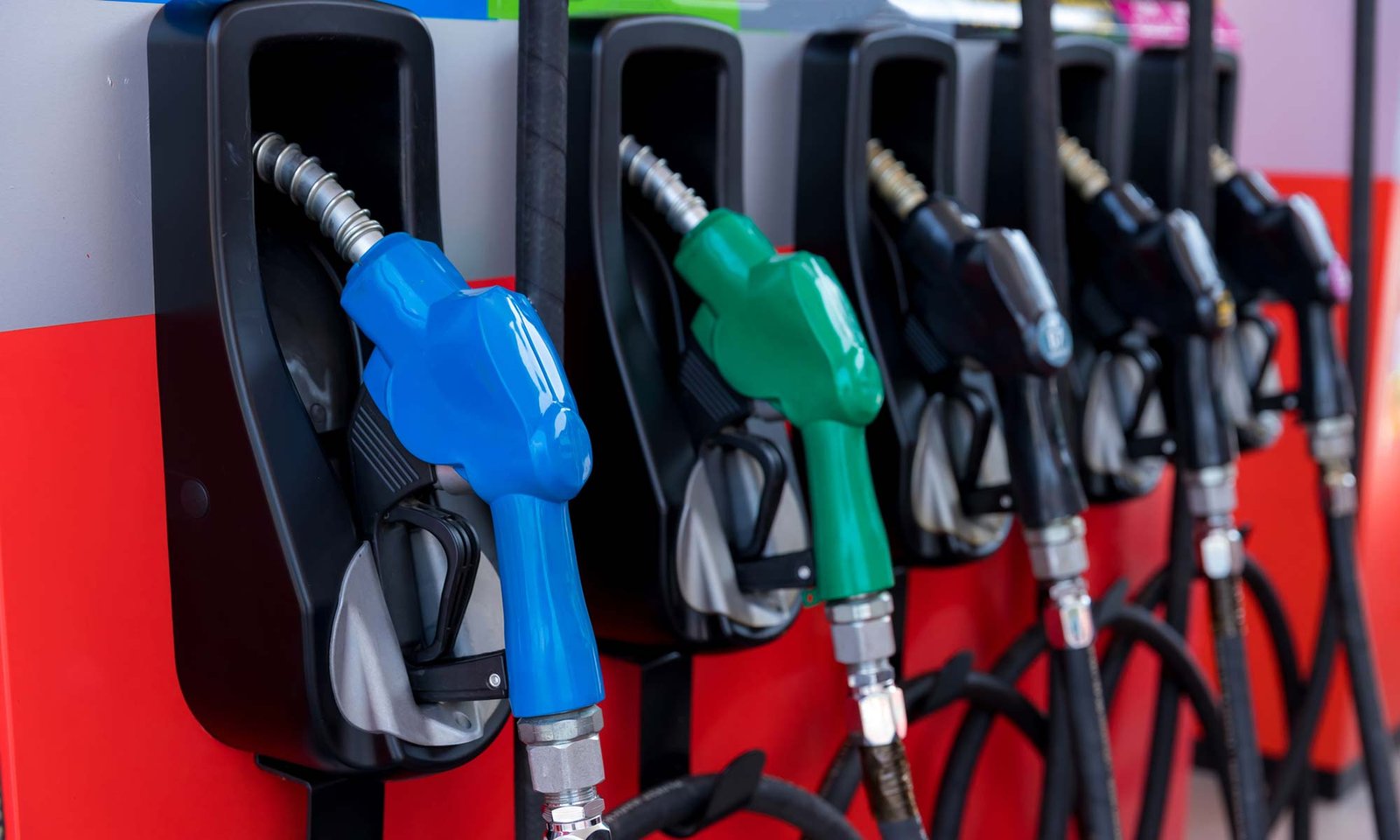
Accra, Ghana – As global oil prices continue to surge due to the ongoing Middle East conflict, the Ghanaian government has announced immediate and practical measures aimed at cushioning citizens from the impact of rising fuel costs.
Following an emergency Cabinet session chaired by President John Dramani Mahama, the government outlined three key interventions focused on direct price relief, affordable public transportation, and cutting unnecessary government expenditure on fuel.
Here are the 3 major steps Ghana is taking:
1. Suspension of Selected Taxes and Margins on Fuel
Ministers of Finance and Energy have been directed to suspend certain taxes and margins in the next fuel pricing window. This temporary reduction, which will last for four weeks (subject to review based on developments in the Middle East and global crude prices), is expected to ease the burden on consumers and transporters.
2. Massive Expansion of Affordable Metro Mass Transit Buses
The Minister for Transport has been tasked with fast-tracking the deployment of 100 newly acquired Metro Mass Transit buses onto high-traffic routes across the country. These state-owned buses will maintain significantly lower fares compared to private operators, offering citizens a cheaper and more reliable alternative for daily commuting.
3. Strict Enforcement of Ban on Fuel Allocations for Government Officials
All Ministers and senior government appointees have been reminded to strictly comply with President Mahama’s earlier directive cancelling fuel allocations and allowances. This move is aimed at reducing government expenditure on fuel and demonstrating leadership in belt-tightening during these challenging times.
These interventions form part of the government’s broader strategy to protect the economy and citizens from external shocks while hoping for de-escalation in the Middle East conflict.


Digital Ancestry: Why Synaptic Resonances is the Future of African Performance

Wasawasa: The Ghanaian Dish That Turns Yam Peels into Culinary Gold

From Records to Roots: Discover Your Family Story in This Global Webinar
-
 Business2 days ago
Netherlands Reclaims Position as World’s Top Exporter of Cocoa Products, Ghana Remains Key Supplier
-

 Business2 days ago
Ghana Nears Approval of Cannabis Licences as Country Prepares to Launch Regulated Industry
-

 Ghana News22 hours ago
Ghana Leads African Central Banks in Gold Reserve Accumulation as Global Buying Wave Hits $2 Billion
-

 Ghana News2 days ago
EU Approves $23 Million Grant to Upgrade Ghana’s Tema-Mpakadan Railway
-

 Festivals & Events15 hours ago
A Sunday to Remember: Immersing in the Soulful Power of ‘Before His Throne’
-
 Africa Watch2 days ago
U.S. Warns Citizens to Reconsider Travel to Nigeria Citing Terrorism
-

 Africa Watch2 days ago
Pope Leo XIV to Embark on Ambitious 10-Day Tour of Four African Nations
-
 Ghana News23 hours ago
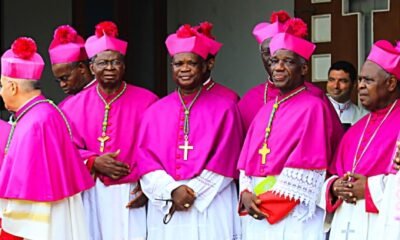
Catholic Bishops Reject Trivialization of LGBTQ+ Debate by Mahama Government: ‘Nations Do Not Live by Bread Alone’