
Business
The Death of Ghana’s Enviable Cocoa Syndicated Loan System: How the World Stopped Lending

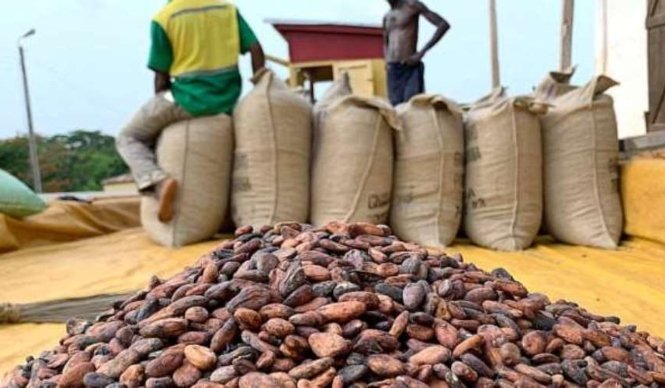
For 32 years, it was the envy of commodity-dependent developing nations: a billion-dollar syndicated loan facility that allowed Ghana to borrow against its cocoa harvest months before a single bean was harvested.
This week, Finance Minister Dr. Cassiel Ato Forson declared it dead.
“The current financing model was invented as a necessity after the syndicated loan failed after 32 years of successful implementation, and it was proven not to be sustainable,” Dr. Forson told a packed press conference Thursday. “In fact, it has proven not to be sustainable.”

The collapse of cocoa syndication—once considered as reliable as the Harmattan winds—represents not merely a financial restructuring but the end of an era in global commodity trade finance. How it died is a story of overconfidence, catastrophic forecasting, and the brutal mathematics of forward contracts.
The Forecasting Failure That Cost $1 Billion
The seeds of destruction were sown in 2023.
COCOBOD projected an output of 800,000 tonnes and committed 786,672 tonnes in forward sales contracts. Actual production: 432,145 tonnes.
A deviation of 45 percent.
“Variation in crop forecast typically varies between 5 to 15 percent,” Dr. Forson noted. “Hence, a deviation of 45% was unprecedented and unacceptable.”
The consequence: a rollover of 333,767 tonnes of contracted but undelivered beans, priced at an average of $2,661 per tonne.
When those contracts were eventually filled, global prices exceeded $8,000 per tonne. The opportunity cost—the difference between contract price and market price—exceeded $1 billion.
“This would have gone to the cocoa farmer or other stakeholders,” Dr. Forson said. Instead, it evaporated.
The Buyer Retreat
The syndicated loan worked, for three decades, because international lenders and traders had confidence in Ghana’s ability to deliver. That confidence rested on production forecasts that, it turns out, were wildly optimistic.
By 2023, COCOBOD’s finances “had deteriorated badly.” The Board defaulted and restructured its cocoa bills.
“For the first time in the history of the cocoa industry in 2023, the annuals indicated suffered significant delays due to the loss of confidence in the Ghanaian economy and the sector,” Dr. Forson revealed. The first tranche of that season’s syndicated loan arrived on December 22—four months after the season commenced.
In 2024, COCOBOD could not pay the final tranche of the syndicated loan, due in July, requiring GH¢70 million in bridge finance from the Ministry of Finance to avert default. That bridge loan was itself in default.
The “80/20” Interim and Its Failure
With syndication effectively deceased, COCOBOD improvised an “80/20” financing model for the 2024/25 and 2025/26 seasons. Licensed Buying Companies were expected to borrow from local banks at interest rates approaching 30 percent to fund 60 to 80 percent of purchases, while COCOBOD reimbursed them upon delivery to port.
International buyers were asked to pre-finance the remainder.
“The key motivation for buyers in the previous season was the rollover contract priced at a rate of $2,661 per metric ton when the existing market price were above $8,000 per metric ton,” Dr. Forson explained. “Once the gap between the rollover contract and the market price closes, the buyer will not be willing to pre-finance the purchase of cocoa crop.”
That gap has now closed. Global prices hover near $4,200. The bargain is gone. The buyers have withdrawn.
The Structural Trap
Beyond the immediate liquidity crisis, Dr. Forson identified a deeper structural flaw in the syndication model.
“This system did not allow COCOBOD to optimize prices on the market,” he said. “In addition, the use of raw beans contract as collateral for the loan meant that Ghana could not optimize its installed capacity for processing.”
For decades, Ghana traded pricing flexibility for financing certainty. Each September, forward sales were locked in at whatever price lenders required to secure the loan. When prices rose mid-season—as they consistently did during the 2024/25 commodity super-cycle—Ghana watched billions of dollars in potential revenue sail away on ships bound for Amsterdam and Antwerp.
The New Architecture: Domestic Cocoa Bonds
The replacement model represents a fundamental reorientation: from international to domestic capital markets.
“The new financing model will utilize domestic cocoa bonds to purchase cocoa and repay the proceeds within each crop year,” Dr. Forson announced. “The bonds will be used to raise a revolving fund for COCOBOD to turn around at least once during the season.”
The bonds will be issued on COCOBOD’s balance sheet, though the GH¢5.8 billion debt bailout announced simultaneously is designed to restore the Board’s creditworthiness to access domestic markets.
Dr. Forson declined to provide specific details on hedging strategies or bond structuring.
“I have to keep some of my strategies in my sleeves,” he said. “Particularly relating to the hedging strategies COCOBOD will adopt because they are market sensitive, and any comment on that can change the dynamics of the market.”
Implications
The shift to domestic financing exposes Ghana to new risks. Domestic interest rates, while lower than the 29.8 percent LBCs currently pay, remain elevated. The domestic capital market’s capacity to absorb billions of cedis in cocoa bonds within a single crop season is untested.
But the old system, Dr. Forson argued, is no longer viable. International lenders have lost confidence. Buyers have lost patience. The 32-year syndication era is over.
“What replaces it,” he said, “must work.”






Business
Netherlands Reclaims Position as World’s Top Exporter of Cocoa Products, Ghana Remains Key Supplier

Amsterdam, Netherlands – The Netherlands has overtaken Germany to become the world’s leading exporter of cocoa products in 2025, recording €12.4 billion in exports, according to new data from Statistics Netherlands (CBS).
The sharp rise in export value was driven by elevated global cocoa prices and strong international demand for semi-processed cocoa products used in chocolate manufacturing.
Nearly three-quarters of Dutch cocoa exports consist of intermediate goods such as cocoa butter, cocoa powder, and chocolate liquor, which are shipped to manufacturers across Europe and North America.
Germany remains the largest single market for these exports, followed by Belgium, France, the United Kingdom, and the United States.
West African countries, particularly Côte d’Ivoire and Ghana, continue to serve as critical suppliers of raw cocoa beans feeding Dutch processing hubs, especially around Amsterdam and the Zaanstreek industrial area.
The sustained high prices have been linked to poor harvests in West Africa caused by adverse weather conditions in recent years.
For Ghana, the development underscores its continued strategic importance in the global cocoa supply chain.
However, it also highlights the longstanding imbalance in the industry, where African nations primarily export raw beans while European processors capture the majority of the value through further processing and re-export of higher-value products.
Economists argue that while Ghana benefits from strong demand for its beans, greater investment in local processing capacity and industrialisation is needed to retain more value domestically and reduce heavy reliance on raw commodity exports. The Netherlands’ dual role as a major importer of raw beans and leading exporter of processed cocoa products further cements its position as Europe’s cocoa trading powerhouse.

Accra, Ghana – Ghana’s Narcotics Control Commission (NACOC) is in the final stages of reviewing applications for cannabis licences, with successful applicants expected to receive approval to begin operations soon, marking a significant milestone in the country’s efforts to develop a legal and regulated cannabis sector.
Deputy Director-General for Enforcement, Control, and Elimination, Alexander Twum-Barimah, disclosed this while speaking at the Kwahu Business Forum on Saturday.
He emphasised that the review process has been “thorough and deliberate” to ensure that only applicants who fully meet all legal, regulatory, and security requirements are granted licences. NACOC officials engaged with potential investors at the forum’s exhibition stand, providing details on various licence categories, including cultivation, processing, distribution, and export.
Mr Twum-Barimah stressed that the commission is committed to building a properly regulated industry that creates legitimate economic opportunities while maintaining strict controls to prevent misuse and illegal activities.
“The goal is to strike a balance between enabling economic development and safeguarding public health and security,” he said.
All licence holders will be subject to ongoing monitoring and compliance checks.
The development signals Ghana’s intention to harness the economic potential of cannabis through job creation, investment, and export revenue, while aligning with international best practices in regulation. Further updates on the licensing process are expected in the coming weeks.
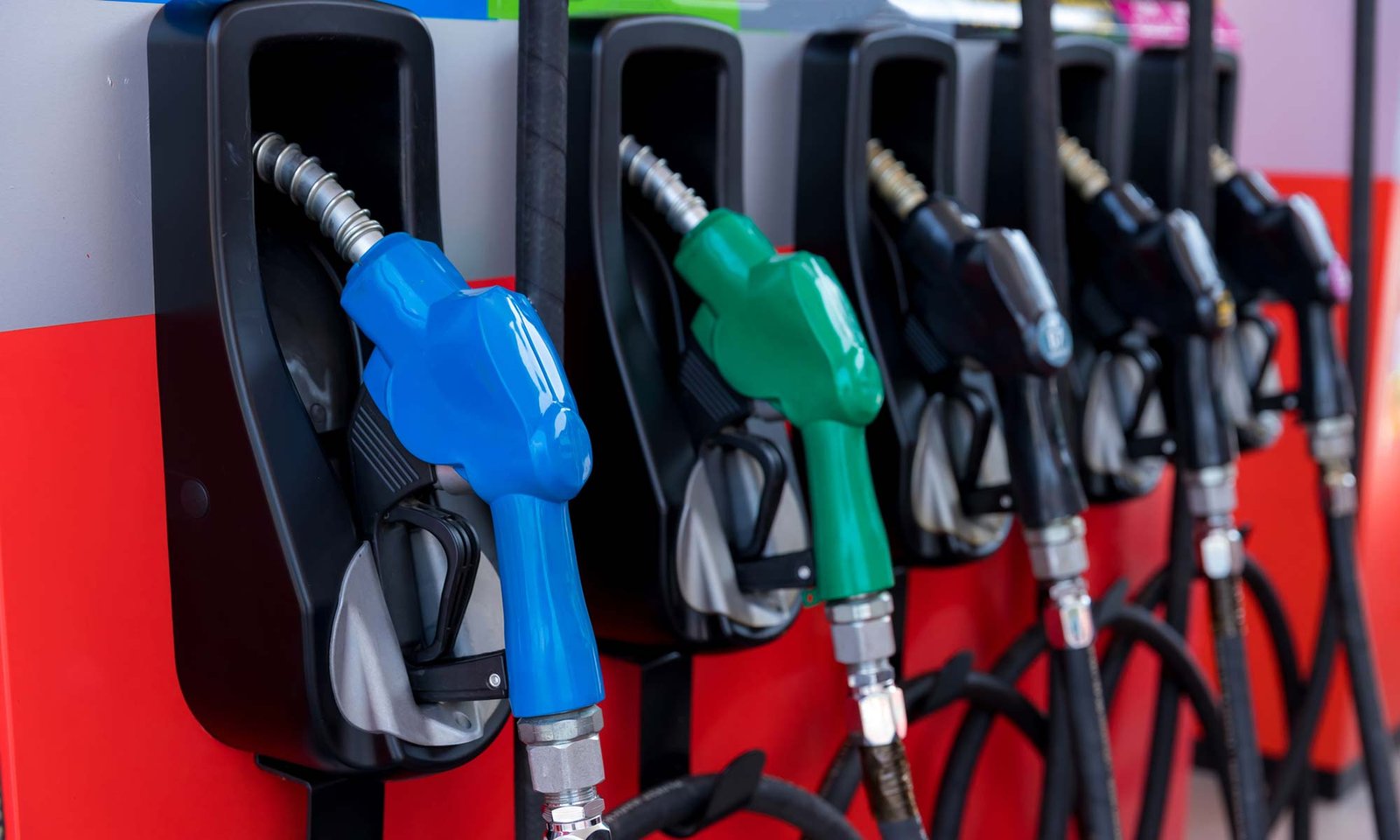
Accra, Ghana – As global oil prices continue to surge due to the ongoing Middle East conflict, the Ghanaian government has announced immediate and practical measures aimed at cushioning citizens from the impact of rising fuel costs.
Following an emergency Cabinet session chaired by President John Dramani Mahama, the government outlined three key interventions focused on direct price relief, affordable public transportation, and cutting unnecessary government expenditure on fuel.
Here are the 3 major steps Ghana is taking:
1. Suspension of Selected Taxes and Margins on Fuel
Ministers of Finance and Energy have been directed to suspend certain taxes and margins in the next fuel pricing window. This temporary reduction, which will last for four weeks (subject to review based on developments in the Middle East and global crude prices), is expected to ease the burden on consumers and transporters.
2. Massive Expansion of Affordable Metro Mass Transit Buses
The Minister for Transport has been tasked with fast-tracking the deployment of 100 newly acquired Metro Mass Transit buses onto high-traffic routes across the country. These state-owned buses will maintain significantly lower fares compared to private operators, offering citizens a cheaper and more reliable alternative for daily commuting.
3. Strict Enforcement of Ban on Fuel Allocations for Government Officials
All Ministers and senior government appointees have been reminded to strictly comply with President Mahama’s earlier directive cancelling fuel allocations and allowances. This move is aimed at reducing government expenditure on fuel and demonstrating leadership in belt-tightening during these challenging times.
These interventions form part of the government’s broader strategy to protect the economy and citizens from external shocks while hoping for de-escalation in the Middle East conflict.


Digital Ancestry: Why Synaptic Resonances is the Future of African Performance

Wasawasa: The Ghanaian Dish That Turns Yam Peels into Culinary Gold

From Records to Roots: Discover Your Family Story in This Global Webinar
-
 Business2 days ago
Netherlands Reclaims Position as World’s Top Exporter of Cocoa Products, Ghana Remains Key Supplier
-

 Business2 days ago
Ghana Nears Approval of Cannabis Licences as Country Prepares to Launch Regulated Industry
-

 Ghana News22 hours ago
Ghana Leads African Central Banks in Gold Reserve Accumulation as Global Buying Wave Hits $2 Billion
-

 Ghana News2 days ago
EU Approves $23 Million Grant to Upgrade Ghana’s Tema-Mpakadan Railway
-

 Festivals & Events15 hours ago
A Sunday to Remember: Immersing in the Soulful Power of ‘Before His Throne’
-

 Africa Watch2 days ago
U.S. Warns Citizens to Reconsider Travel to Nigeria Citing Terrorism
-

 Africa Watch2 days ago
Pope Leo XIV to Embark on Ambitious 10-Day Tour of Four African Nations
-
 Ghana News23 hours ago
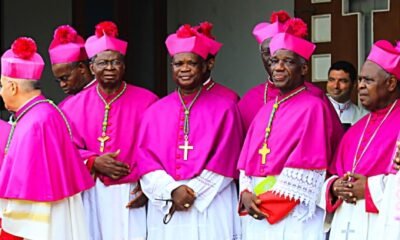
Catholic Bishops Reject Trivialization of LGBTQ+ Debate by Mahama Government: ‘Nations Do Not Live by Bread Alone’