
Business
Ghanaian Founder Latifa Seini Builds Ethical Global Marketplace for African and Black Vendors


As African-led startups continue to reshape global commerce, Ghanaian entrepreneur Latifa Seini is preparing to launch a digital marketplace designed to challenge long-standing inequities in e-commerce while centering ethical trade and cultural pride.
Seini is the founder of Lembrih Marketplace, a mission-driven e-commerce platform created to help African and Black-owned businesses reach global consumers without the prohibitive fees, limited visibility and structural barriers common on mainstream platforms.
Closing the Access Gap in Global E-Commerce
While e-commerce has opened international markets to millions, African and Black vendors often remain on the margins. Small-batch creators and artisans struggle with high commissions, algorithm-driven discovery systems that favor mass producers, and logistics models that do little to support emerging brands.
Lembrih was built as a direct response to those realities.
“Talent and demand weren’t the problem,” Seini told Business Insider Africa about her own entrepreneurial journey. “Access and fairness were.”
Born and raised in Ghana, Seini previously founded Flaunt Ankara, an African print business that attracted global interest. Yet sustaining growth proved difficult as platform fees eroded profits and visibility remained elusive. Those challenges shaped her vision for a marketplace designed around vendor equity rather than extraction.
A Different Marketplace Model
Lembrih Marketplace introduces a seller-friendly pricing structure aimed at reducing early-stage risk. Vendors receive 30 days commission-free, after which they can choose between a $10 monthly subscription plus 10% commission, or a 15% commission with no subscription—rates that undercut many global e-commerce competitors.
But pricing is only part of the platform’s ethos. Lembrih integrates philanthropy into every transaction, donating $1 from each purchase to charitable causes. Rather than treating social impact as an add-on, the platform embeds it into its core business model.
The name Lembrih, which means “black” in the Gonja language of northern Ghana, reflects both cultural identity and a broader mission of collective uplift.
Technology, Equity and Conscious Consumerism
Seini’s professional background in IT training and workforce development has influenced the platform’s design. She works in leadership enablement and future-of-work initiatives, including programs focused on artificial intelligence and digital readiness. That experience has shaped Lembrih’s approach to scalability, ensuring the platform remains accessible to vendors with varying levels of technical expertise.
The launch also comes at a moment when conscious consumerism is gaining traction worldwide. Increasingly, shoppers are seeking ethically sourced products, transparent supply chains and meaningful connections to the creators behind what they buy. For African and Black-owned brands, this shift presents an opportunity to compete on values as well as quality.
Commerce as Long-Term Empowerment
For Seini, Lembrih is as much about economic justice as it is about business. Amid ongoing humanitarian crises across parts of Africa, she concluded that sustainable income opportunities could have a deeper and longer-lasting impact than short-term aid alone.
By enabling vendors to earn consistently from their craft, Lembrih aims to support household stability, strengthen local economies and contribute to generational wealth.
“Income brings more than money,” Seini has noted. “It brings dignity and stability.”
From Pre-Launch to Global Vision
Lembrih Marketplace is currently in its Kickstarter pre-launch phase, raising funds to complete platform development, onboard vendors and support early marketing. The campaign also serves as a test of market demand, inviting ethical consumers and creators to help shape the marketplace from its earliest stage.
Support has grown through an online community Seini has built by openly sharing her journey as a founder, working mother and community builder—an authenticity that has resonated with women entrepreneurs and small business owners globally.
Looking ahead, Seini envisions Lembrih evolving beyond e-commerce into a broader ecosystem that includes education, storytelling and partnerships that amplify underrepresented voices across the African continent and diaspora.

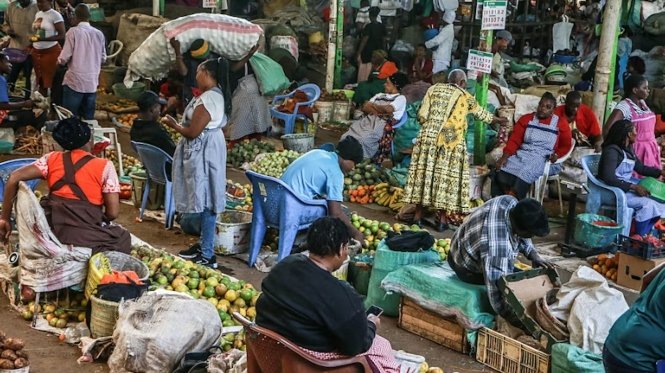
Four leading African and global development institutions have issued a stark joint warning that the escalating Middle East conflict is transmitting economic shocks to Africa faster and more intensely than previous global disruptions, potentially shaving at least 0.2 percentage points off the continent’s GDP growth in 2026 if the crisis lasts beyond six months.
The African Development Bank Group (AfDB), African Union Commission (AUC), United Nations Development Programme (UNDP), and United Nations Economic Commission for Africa (UNECA) released the policy brief on April 2, 2026, on the sidelines of the 58th Session of the Economic Commission for Africa.
The brief highlights surging fuel and food prices, higher shipping and insurance costs, exchange rate pressures, and tightening fiscal space as the main transmission channels.
Oil prices have already risen by 50% since the conflict intensified, while disruptions to the Strait of Hormuz — which handles about 20% of global oil exports — have drastically reduced traffic. The Middle East accounts for 15.8% of Africa’s imports and 10.9% of its exports.
The brief identifies fertilizer supply disruptions as potentially even more damaging than the oil shock for some countries, as reduced Gulf LNG supply affects ammonia and urea production during the critical planting season. Currencies in 29 African countries have already depreciated, raising debt servicing costs and making imports more expensive.
Particularly vulnerable nations include Senegal, Sudan, Cabo Verde, South Sudan, and The Gambia. However, some countries may see limited gains: Nigeria from higher oil prices and refined exports via the Dangote Refinery, Mozambique from LNG opportunities, and ports in South Africa, Namibia, Mauritius, and Kenya from rerouted shipping.
The institutions called for immediate coordinated action, including pooled fuel procurement, emergency food corridors, diversified fertilizer sourcing, and targeted social protection.
In the medium to long term, they urged accelerated renewable energy deployment, deeper AfCFTA integration, and the creation of a Continental Crisis and Resilience Compact focused on energy and food security, financial safety nets, and greater strategic autonomy.
This coordinated alert from Africa’s premier development bodies underscores the urgent need for the continent to move beyond reactive measures toward structural solutions that build long-term resilience against global shocks.
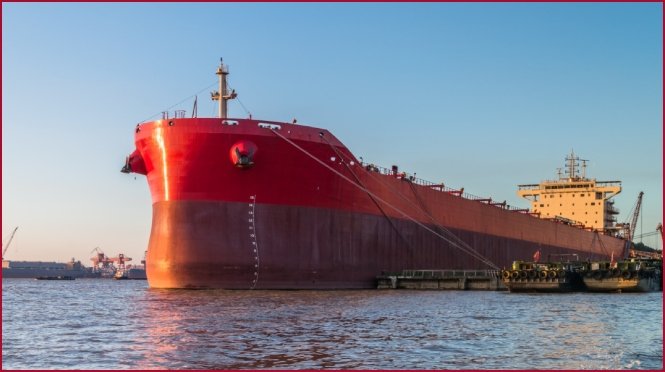
Accra, Ghana – As global fuel markets face severe disruptions from escalating tensions involving Iran and the potential closure of key shipping routes like the Strait of Hormuz, Ghana is emerging as one of the more insulated economies in Africa by diversifying its energy supplies, including through increased imports from Russia.
A tanker carrying approximately 320,000 barrels of refined petroleum products from Russia is currently en route to Ghana’s main oil hub in Tema, per a report by Business Insider Africa. The vessel, Hellas Fighter, loaded at Vysotsk and last tracked passing Mauritania, is expected to arrive on April 6. This shipment reflects Ghana’s pragmatic strategy to widen its supplier base amid uncertainty in traditional supply chains.
President John Dramani Mahama recently stated that Ghana currently has enough petroleum stocks to last about six weeks. Speaking at the World Affairs Council in Philadelphia, he acknowledged that fuel prices affect virtually every sector of the economy but assured that the government is taking steps to cushion the impact and secure additional supplies.
“We are making a real push to ensure that the economy is cushioned,” Mahama said, while expressing hope that “cooler heads will prevail” in the ongoing crisis.
The move toward Russian fuel highlights a broader shift across parts of Africa, where countries are actively diversifying sources to mitigate risks from global shocks, shipping disruptions, and price volatility.
While many sub-Saharan nations remain highly vulnerable due to heavy reliance on imports and foreign exchange constraints, Ghana’s approach demonstrates an effort to maintain stability through strategic sourcing.
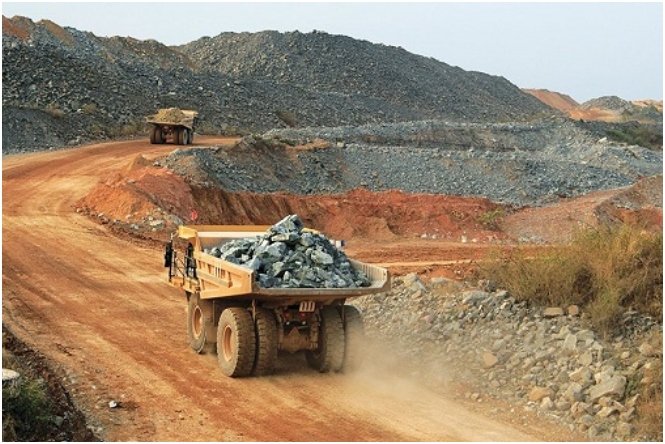
Accra, Ghana – Ghana has limited the tender process for the takeover of Gold Fields Ltd.’s Damang gold mine to companies that are 100% owned by Ghanaian citizens, as the government prepares to assume full control of the asset in April 2026.
The decision, outlined in a notice dated March 24 and signed by Lands and Natural Resources Minister Emmanuel Armah-Kofi Buah, reflects the country’s broader push to increase local ownership and participation in its mining sector. The deadline for submitting offers is Tuesday, March 31, 2026.
Gold Fields, which has operated Damang for nearly 30 years, saw its mining lease expire last year. The government granted a 12-month extension to ensure a smooth transition, during which the company restarted mining activities and submitted a detailed feasibility study to extend the mine’s operational life. Damang produced 88,000 ounces of gold last year.
Under the tender requirements, the successful bidder must have proven experience in open-pit gold mining, the capacity to operate the mine for at least another decade, and access to more than $500 million in funding for project development. The eventual owner will take over the asset on April 18.
This move aligns with a continental trend of African governments seeking greater control and revenue shares from their natural resources. In Ghana, major mines are still largely owned by multinational companies such as AngloGold Ashanti, Newmont, and China’s Zijin Mining. The Damang transition is being watched closely as a test case for increasing indigenous involvement in the sector.
Gold Fields is also negotiating a lease extension for its larger Tarkwa operation. Since 2000, the company has invested approximately $5 billion in its Ghanaian operations and contributed around $2.9 billion to the state through taxes, royalties, and dividends. It currently employs more than 7,000 people in the country, 99% of whom are Ghanaian nationals.


Renowned Global Bodies Warn Middle East War Will Scuttle Africa’s 2026 Growth

Ex-President Akufo-Addo and President Mahama Exchange Pleasantries on Easter

Mahama Calls Christ’s Birthplace an ‘Epicentre of War’, New Airport Concourse Planned and Other Big Stories in Ghana Today
-
 Business1 day ago
Ghana Turns to Russian Fuel to Cushion Impact of Global Energy Crisis
-
 Tourism1 day ago
5 Things You Need to Know About Ghana’s Visa-Free Entry for All Africans
-
 Ghana News3 hours ago
Ghana President Convenes Emergency Cabinet Meeting to Cushion Ghanaians from Soaring Fuel Prices
-
 Ghana News3 hours ago
Mahama Calls Christ’s Birthplace an ‘Epicentre of War’, New Airport Concourse Planned and Other Big Stories in Ghana Today
-
 Ghana News3 hours ago
Ex-President Akufo-Addo and President Mahama Exchange Pleasantries on Easter
-
 Ghana News1 day ago
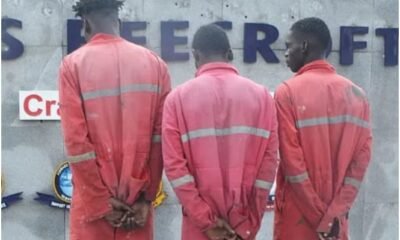
Ghanaian Stowaways Bound for Europe End Up in Nigeria After Five Days at Sea
-
 Ghana News1 day ago
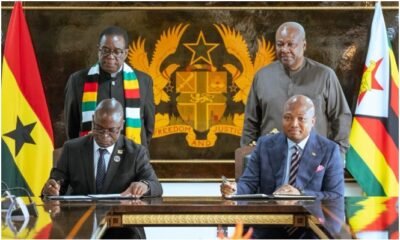
Here Are the 10 Key Agreements Signed Between Ghana and Zimbabwe During Mnangagwa’s State Visit
-

 Health & Wellness1 day ago
3 Surprising Signs Your Body Is Building Muscle