
Taste GH
First-Ever Food Festival Hits Tema on December 27: A Celebration of Flavor, Culture and Community


Tema is gearing up for what organizers describe as the city’s biggest culinary event yet — the first-ever Tema Food Festival, set for 27 December at the TDC Club House in Community 6.
Billed as a high-energy mix of food, music, and culture, the festival aims to bring the entire city together for a December celebration that showcases Tema’s diverse flavors and the creativity of its food industry.
From seasoned chefs to beloved street-food vendors, grilled favorites to pastries and colourful drinks, organizers promise an experience designed for families, friends, and anyone looking for a memorable holiday hangout.
“This December, we’re bringing something big, something fresh — something Tema has never seen before,” organizers said, noting that the event is meant to spotlight local talent while positioning Tema as a culinary destination in its own right.
Beyond the food, attendees can expect live music, city-wide vibes, and a festive atmosphere that leans into community spirit.
Organizers say the festival is not only for food lovers but also for vendors hoping to expand their reach at a high-visibility end-of-year event. Additional sponsorship slots will be announced in the coming days.
With December already a peak season for large gatherings across Ghana, the Tema Food Festival is poised to carve out its own identity — blending the city’s industrial grit with its growing cultural scene, and giving residents a fresh way to celebrate the holidays.

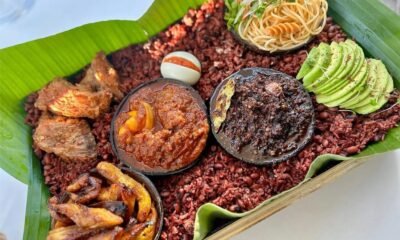





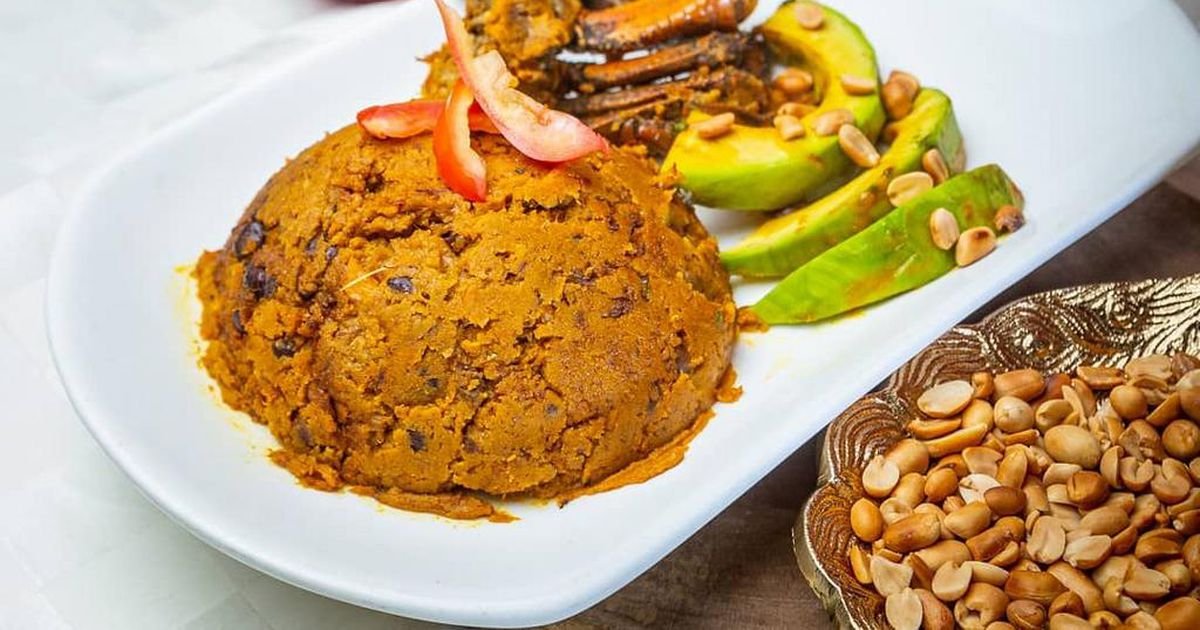
If you find yourself in a Ghanaian home and a bowl of Apapransa is placed before you, consider it a profound gesture of hospitality.
Unlike the ubiquitous Jollof or the reliable Fufu, Apapransa isn’t “everyday” street food. It is a celebratory labor of love, a dish that carries the weight of history and the richness of the Ga and Akan heritage in every spoonful.
At its heart, Apapransa is a testament to culinary ingenuity. It is made from roasted corn flour—which gives it a deep, nutty aroma—stirred into a savory base of palm nut soup. But it’s the texture that truly captures the imagination.
@wannabe.foodie INGREDIENTS _Palmnut soup _Roasted corn flour _Red beans _Onions _Pepper _Tomatoes _Salt _Crabs #wannabefoodie #fyp #aprapransa #foodblogger #ghanatiktok🇬🇭 #ghanaianfood #foodtiktok #trendingvideo #viral #foodtok ♬ original sound – Wannabe Foodie
It is dense, silky, and heart-warmingly heavy, often topped with a crown of tender crabs, flaky fried fish, and a drizzle of vibrant red palm oil.
What makes it a “must-taste” for any global palate? It’s the complexity of the smoke. Because the corn is roasted before it’s ground, the dish has a sophisticated, smoky undertone that balances the sweetness of the palm fruit.
Read Also: The Calabash Connection: A Journey into the Tangy Soul of Ghana’s Pito
It is earthy and bold, yet incredibly comforting. It is the kind of meal that demands you slow down; you don’t just eat Apapransa, you experience it.
For the curious traveler, tasting it is like catching a glimpse of Ghana’s soul—rich, unpretentious, and unforgettable.
Conclusion
In a world of fast food, Apapransa remains a defiant reminder that some things are worth the wait. It is a masterpiece of texture and tradition that leaves you feeling grounded and deeply satisfied.
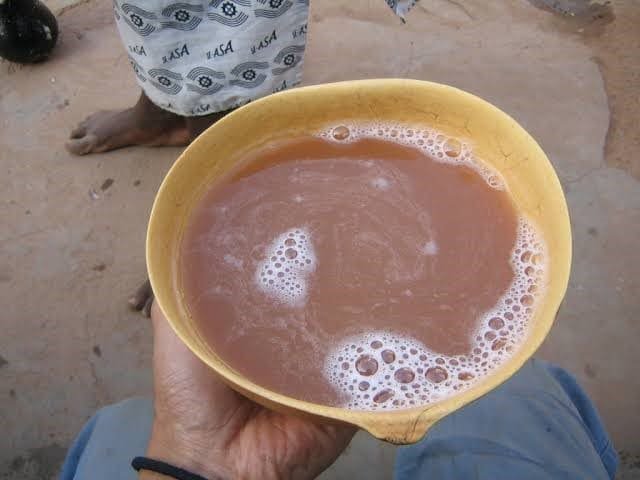
If you find yourself in the sun-drenched northern regions of Ghana, or wandering through the bustling “pito bars” of Accra’s hidden corners, you will eventually encounter a rhythmic clinking of calabashes.
This is the sound of Pito, a traditional indigenous beer that is far more than just a drink—it is a cultural heartbeat poured into a gourd.
Brewed from fermented millet or sorghum, Pito is the antithesis of the sterile, carbonated lagers found in grocery stores.
It is served at room temperature, often slightly cloudy, with a flavor profile that dances between earthy sweetness and a sharp, refreshing tang.
But why is it a “must-taste”? Because Pito is a living history. It is the drink of ancestors, the lubricant of village festivals, and the quiet companion of farmers after a day in the fields.
Taking a sip from a communal calabash is an act of immersion. You aren’t just tasting grain; you are tasting the smoke of the brewing fire and the wild yeast of the Ghanaian air.
Whether you opt for the sweeter, non-alcoholic variety or the fermented version with a subtle, creeping kick, Pito offers a depth of “umami” that modern beverages simply cannot replicate.
It’s a sensory bridge to the Sahel, a cool respite from the tropical heat, and a reminder that the best things in life are still made by hand, shared in circles, and rooted in the earth.
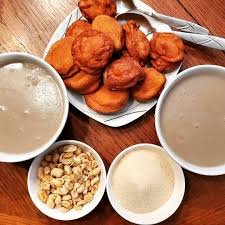
There is a sound that cuts through the Accra morning haze better than any alarm clock. It is not loud, but it travels. The gentle clink of a metal ladle against an enamel bowl, the low murmur of early customers, and the warm, earthy cloud of steam rising into the tropical air. If you haven’t followed that sound to its source, have you truly woken up in Ghana?
We are talking, of course, about Hausa Koko and Koose. For the uninitiated, this isn’t just breakfast. It is a ritual.
The porridge—a silky, spicy, fermented millet base—carries the punch of fresh ginger and the aromatic warmth of cloves.
It is a flavor that confuses your expectations in the best way possible. It is savory, yet often sweetened with a dash of sugar or condensed milk.
It is spicy, yet soothing. It sits in the bowl looking humble, but drinking it is a full-sensory experience that warms you from the chest outward.
But Hausa Koko never travels alone. Its partner in crime is Koose (or akara if you cross the border into Nigeria).
These are deep-fried cakes made from peeled black-eyed peas, blended with onion and chili, then whisked until airy before hitting the oil. The result is a fritter that is impossibly crispy on the outside and almost fluffy on the inside.
@chefabbys Everybody in Ghana loves Hausa kooko! I mean, who doesn't 😁❤️. It's our savior! But have you ever wondered how it is made by our lovely kooko vendors every single day ? I made one at home today, and paired with the best Koose 😍❤️! You should try it. Do you drink Hausa kooko in your country? 🇬🇭 #FoodTiktok #fyp #viral #foryou ♬ With You (feat. Omah Lay) – Davido
Why must you, whether a tourist chasing authenticity or a local who has strayed towards cornflakes, partake in this?
Because it is edible history.
This dish traveled. The bean cake you hold in your hand has roots that trace the painful journey of the transatlantic slave trade. In Brazil, it transformed into Acarajé, where it is used in Candomblé religious rituals as an offering to the gods. When you eat Koose here, you are tasting a story of survival and adaptation that connects Accra to Bahia.
Because it is the secret weapon of high performance.
Don’t let the street food label fool you. This is the fuel that kick-started the Accra Hearts of Oak football club during training sessions, credited for their stamina and physique. It is a powerhouse of protein (from the beans) and iron (from the millet), delivered in a package that costs less than an imported energy bar.
Because it is a communal experience.
During the holy month of Ramadan, Hausa Koko becomes essential, providing warmth and sustenance to those breaking their fast. But on a regular Tuesday morning, standing on the curb with a plastic bag of koko in one hand and a koose in the other, you are participating in a leveling tradition. Bankers, taxi drivers, and students all stand shoulder to shoulder, dunking their fritters and slurping in sync.
It is messy. It is cheap. It is absolutely perfect.
So, step away from the hotel buffet. Find the woman with the huge aluminum pot and the longest line of customers. Order your “koko with koose” and perhaps a sprinkle of groundnuts. Dip, sip, and welcome to Ghana.


Experience the Rare Texture of Apapransa the Celebratory Roasted Corn Delicacy

The Festival of Truth: Why Techiman’s 2026 Apoɔ is the Ultimate Cultural Reset

Khaby Lame is the world’s most followed TikToker: the story of a Senegalese‑born star who sold his identity
-

 Ghana News2 days ago
Helicopter Crash at Tema School Park Kills 2, Security Service Recruitment to be Expanded to 40,000 and Other Trending Issues Today (March 16, 2026)
-

 Ghana News2 days ago
Newspaper Headlines Today: Monday, March 16, 2026
-

 Ghana News1 day ago
Ghana Announces Emergency One-Way Evacuation for Citizens in Qatar Amid Heightened Security Concerns
-

 Ghana News2 days ago
Healthcare for All: President Launches Policy to End Financial Barriers at Facilities Across Ghana
-

 Global Update1 day ago
Influential Foreign Policy Group Sends Direct Message to Trump Warning of Global Risks From His Actions in Iran
-

 Africa Watch1 day ago
France Returns Sacred ‘Talking Drum’ Looted During Colonial Rule to Ivory Coast
-

 Business2 days ago
25 Sittings, Zero Answers: Ghana’s Parliamentary Slow Motion Costing Ghana and Atlantic Lithium Billions
-

 Ghana News18 hours ago
Newspaper Headlines Today: Tuesday, March 17, 2026