
Business
China Remains Ghana’s Largest Trading Partner, Bilateral Trade Hits $11.8 Billion


Ghana’s economic ties with China continue to deepen, with bilateral trade reaching US$11.8 billion in 2024, according to President John Dramani Mahama.
The figure represents a more than 7% increase over the previous year, firming China’s position as Ghana’s largest trading partner.
In an exclusive conversation on CGTN’s Leaders Talk programme, President Mahama described the growth as both steady and strategic. He linked the upward trend to ongoing cooperation, expanding market opportunities, and a developing zero-tariff trade framework that he believes will accelerate economic integration.
“11.8 billion dollars of trade between Ghana and China in 2024 — that is more than 7% annual increase,” Mahama said. “The zero-tariff policy is now kicking in, and I believe it will create a conducive atmosphere for us to grow that trade even more.”
65 Years of Diplomatic Relations, New Economic Possibilities
The interview comes as Ghana and China mark 65 years of diplomatic relations—a milestone serving as both a reminder of long-standing ties and a platform for renewed collaboration. For Ghana, the timing is crucial: the country is navigating post-pandemic recovery, high global borrowing costs, and an economy hungry for foreign investment.
Mahama, who recently met with Chinese President Xi Jinping, said the two countries are moving toward a “new phase” of partnership anchored in infrastructure development, vocational training, industrial support, and potentially expanded tariff-free access for Ghanaian exports.
China’s Global Governance Initiative and Ghana’s Development Drive
During the wide-ranging CGTN discussion, Mahama also weighed in on China’s proposed Global Governance Initiative, a framework aimed at helping developing nations secure stronger roles within global systems at a time of sharpened geopolitical competition.
He welcomed China’s continued investment commitments, saying Beijing’s technical and financial assistance has been instrumental in Ghana’s push toward economic transformation—from roads and ports to manufacturing and digital infrastructure.
A Strategic Partnership for Ghana’s Next Chapter
For Ghana, the numbers tell a clear story: the partnership with China continues to grow not just in scale but in strategic value. As the country works to transition from political independence to full economic modernisation, Mahama said collaboration with China will remain “central” to the nation’s development trajectory.
Analysts note that with global supply chains shifting and African economies gaining attention for their market potential, Ghana stands to benefit from a well-positioned trade relationship, particularly if the zero-tariff arrangement broadens opportunities for Ghanaian businesses.








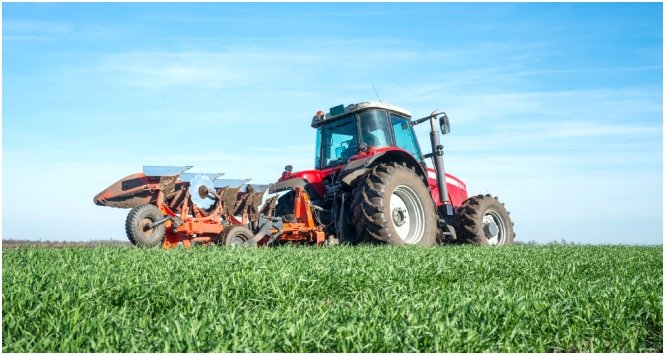
Climate scientists and food security experts are warning that a powerful “super El Niño” expected later in 2026 could significantly intensify global food price pressures already heightened by the ongoing Middle East conflict involving Iran.
According to US meteorologists, there is roughly a one-in-three chance of a strong El Niño forming between October and December, while European models suggest an even higher probability of an exceptionally strong event.
A “super El Niño” occurs when sea surface temperatures in the eastern Pacific rise at least 2°C above normal. This phenomenon typically triggers extreme weather patterns, including severe droughts in key agricultural regions, which can sharply reduce crop yields for commodities such as cocoa, rice, sugar, food oils, coffee, bananas, and soy.
The timing is particularly concerning because the Iran conflict has already disrupted global fertilizer supplies and shipping routes through the Strait of Hormuz, driving up costs for fuel and agricultural inputs. Analysts say the combination of war-induced supply shocks and El Niño-driven weather extremes could create a “double squeeze” on food production and prices. The United Nations World Food Program has cautioned that prolonged conflict and elevated oil prices could push the number of acutely food-insecure people globally significantly higher.
Dawid Heyl of Ninety One noted that while the Russia-Ukraine war affected food markets, the current situation is more worrying due to its direct impact on fertilizer production and availability.
He warned that overlapping negative factors — geopolitical disruption and strong El Niño conditions — could prove especially damaging for vulnerable countries in Africa, India, Australia, Brazil, and Argentina.
Experts state that long-term resilience will require greater investment in climate adaptation, diversified supply chains, and international cooperation to protect global food security as geopolitical and climate risks increasingly intersect.
Business
Making Sense of the Controversy Surrounding Award of Damang Gold Mine to Engineers & Planners (E&P) Owned by the President’s Brother
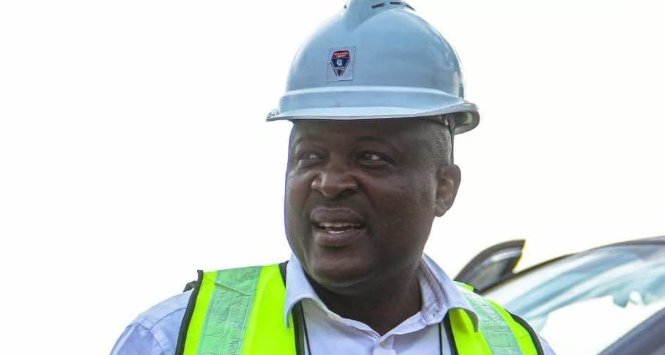
Accra, Ghana – The decision to award the Damang gold mine lease to Ghanaian-owned company Engineers and Planners Limited (E&P) has sparked public debate over transparency and due process, even as the Minerals Commission insists the tender was competitive and fully compliant with regulations.
The Damang Mine, previously operated by South Africa’s Gold Fields, is being transferred to Ghanaian ownership, i.e. a company owned by Ibrahim Mahama, the younger brother of President John Mahama, following the non-renewal of Gold Fields’ lease.
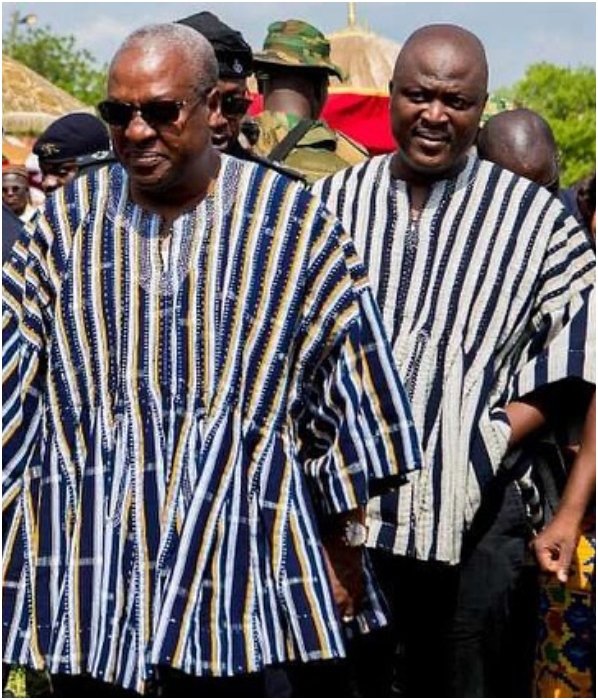
In March 2026, the Ministry of Lands and Natural Resources opened a competitive tender for the asset. Four companies submitted bids. According to the Minerals Commission, only E&P satisfied all technical, financial, and regulatory requirements under the Minerals and Mining (Licensing) Regulations 2012 (L.I. 2176). To be sure, E&P has been in the mining game for years, before Mahama became president the first time and thrived after he left office.
The Mineral Commission’s Acting Director of Legal Affairs, Josef Iroko, has strongly defended the process to hand over the mining concession to E&P, stating that the evaluation was merit-based, impartial, and guided strictly by published tender guidelines. He has said that no favouritism was shown and that the outcome was determined solely by compliance and capability.
However, concerns have been raised about the speed and transparency of the approval process. The Minority in Parliament, through MP Akwasi Konadu (Manhyia North), has clarified that it is not opposed to Ghanaian participation or local ownership of mining assets. Instead, the Minority is calling for a demonstrably fair, open, and competitive process. Konadu highlighted that the tender closed on March 31, 2026, yet review, recommendation, and approval reportedly occurred within a week — including public holidays — raising questions about whether sufficient time was allowed for thorough evaluation. He also noted that key details, such as full evaluation criteria, minimum capital requirements, and operational plans, have not been publicly disclosed in detail, making independent verification difficult.
The Natural Resource Governance Institute (NRGI) has also questioned the unusually rapid timeline of ministerial approval. Governance experts argue that while local ownership of strategic assets is welcome, speed must not come at the expense of transparency and public confidence in the management of Ghana’s natural resources.
The controversy occurs against the backdrop of Ghana’s long-standing policy to increase indigenous participation in the mining sector, which has historically been dominated by multinational companies.
Both the government and the Minerals Commission maintain that the Damang award followed due process and represents a legitimate step toward greater local control. The mine is scheduled for formal handover from Gold Fields to E&P in mid-April 2026.
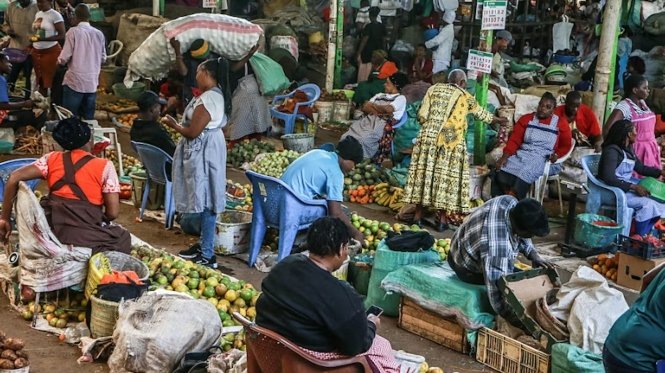
Four leading African and global development institutions have issued a stark joint warning that the escalating Middle East conflict is transmitting economic shocks to Africa faster and more intensely than previous global disruptions, potentially shaving at least 0.2 percentage points off the continent’s GDP growth in 2026 if the crisis lasts beyond six months.
The African Development Bank Group (AfDB), African Union Commission (AUC), United Nations Development Programme (UNDP), and United Nations Economic Commission for Africa (UNECA) released the policy brief on April 2, 2026, on the sidelines of the 58th Session of the Economic Commission for Africa.
The brief highlights surging fuel and food prices, higher shipping and insurance costs, exchange rate pressures, and tightening fiscal space as the main transmission channels.
Oil prices have already risen by 50% since the conflict intensified, while disruptions to the Strait of Hormuz — which handles about 20% of global oil exports — have drastically reduced traffic. The Middle East accounts for 15.8% of Africa’s imports and 10.9% of its exports.
The brief identifies fertilizer supply disruptions as potentially even more damaging than the oil shock for some countries, as reduced Gulf LNG supply affects ammonia and urea production during the critical planting season. Currencies in 29 African countries have already depreciated, raising debt servicing costs and making imports more expensive.
Particularly vulnerable nations include Senegal, Sudan, Cabo Verde, South Sudan, and The Gambia. However, some countries may see limited gains: Nigeria from higher oil prices and refined exports via the Dangote Refinery, Mozambique from LNG opportunities, and ports in South Africa, Namibia, Mauritius, and Kenya from rerouted shipping.
The institutions called for immediate coordinated action, including pooled fuel procurement, emergency food corridors, diversified fertilizer sourcing, and targeted social protection.
In the medium to long term, they urged accelerated renewable energy deployment, deeper AfCFTA integration, and the creation of a Continental Crisis and Resilience Compact focused on energy and food security, financial safety nets, and greater strategic autonomy.
This coordinated alert from Africa’s premier development bodies underscores the urgent need for the continent to move beyond reactive measures toward structural solutions that build long-term resilience against global shocks.


Upcoming Super El Niño Threatens to Worsen Global Food Crisis Amid Iran Conflict

Ghanaian National Convicted in UK for Running Illegal Fish Processing Operation from Residential Flat

Explainer: What Ken Ofori-Atta’s Release from US ICE Detention Really Means
-

 Ghana News1 day ago
Newspaper Headlines Today: Wednesday, April 8, 2026
-

 Festivals & Events15 hours ago
Celebrating Black Voices in Fiction at the 2026 Black Girl Book Fair
-

 Business23 hours ago
Making Sense of the Controversy Surrounding Award of Damang Gold Mine to Engineers & Planners (E&P) Owned by the President’s Brother
-
 Ghana News16 hours ago
Ghana Celebrates Link to NASA’s Historic Artemis II Lunar Mission Through Astronaut Christina Koch
-

 Festivals & Events2 days ago
Where Big Ideas Begin: Inside the Entrepreneur Summit and E-commerce Launch in Accra
-

 Health & Wellness2 days ago
New to Fitness? Experts Warn These Common Beginner Mistakes Can Slow Your Progress
-
 Africa Watch1 day ago
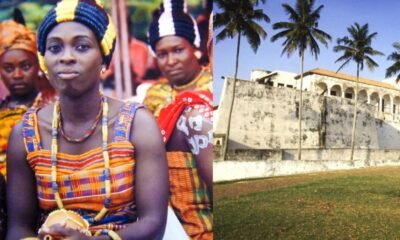
Ghana Launches Month-Long Cultural Festival in Ethiopia to Strengthen Pan-African Ties
-
 Opinion23 hours ago
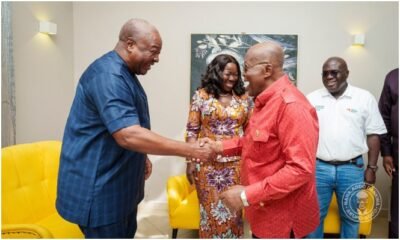
Why President Mahama must not be the new Akufo-Addo