
Ghana News
Ghana News Updates (Jan 13, 2026): Catch up on the Major Stories


Stay informed with this rolling coverage of the latest news from Ghana. As stories break, we’ll add more updates to keep you in the know on the major local stories. Check back soon.
Ghana Intercepted Over 2,000 Guns and Ammunition at Airports in 2023
Ghana’s Auditor-General has raised concerns over aviation security vulnerabilities after the 2024 audit report revealed that more than 2,000 guns and ammunition were intercepted from passengers at the country’s airports in 2023 alone. The findings, which came to light during scrutiny by Parliament’s Public Accounts Committee (PAC), highlight an “increasing number” of weapons being carried by travelers, and point to critical policy shortcomings that allowed some passengers to board flights despite interceptions. Read more here.
The report, covering operations at Kotoka International Airport and other facilities, documented the seizure of over 2,000 firearms and rounds of ammunition during the year. All intercepted cases were referred to the National Investigation Bureau (NIB) for further action.
FBI Involvement Raises Stakes in Ken Ofori-Atta Detention – Ghana’s US Envoy
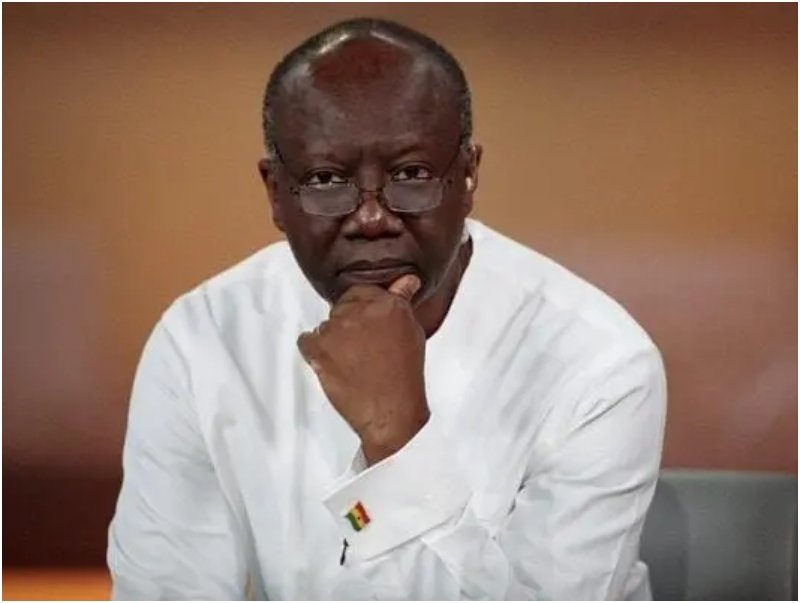
Ghana’s High Commissioner to the US, Victor Smith, has disclosed that former Finance Minister Ken Ofori-Atta remains in US Immigration and Customs Enforcement (ICE) custody amid immigration status queries. Smith disclosed that the FBI is involved in Ofori-Atta’s case, suggesting potential criminal elements or a Ghana government request for his assistance in investigations. Ofori-Atta, who has a pending adjustment of status petition, declined consular access from the Ghanaian embassy without his lawyers and later refused meetings entirely. Smith suspects a mix of immigration issues and possible Interpol alerts in the high-profile case. Read more here.
‘Infection Spread’ Feared: Teshie Water Crisis Triggers Healthcare Emergency
A prolonged water shortage in Accra’s Teshie-Nungua area, stemming from the October 2025 shutdown of the Teshie-Nungua Desalination Plant over unpaid debts, has sparked a healthcare crisis at facilities like Camp 2 Health Centre. Sanitation breakdowns, including unflushable toilets and reused unwashed bedsheets, raise fears of infection outbreaks and waterborne diseases. Nurses report buying sachet water personally for patient care and over-relying on sanitizers, which harms skin. Residents endure high costs and long travels for water, with GWCL promising resolutions but offering limited progress, exacerbating hygiene and public health risks in affected communities like Teshie, Nungua, and Spintex. Read more here.
After Years of Losses, BoG Tightens Controls and Slashes Fees in Gold Programme Overhaul
The Bank of Ghana (BoG) has overhauled its Domestic Gold Purchase Programme (DGPP), launched in 2021 to stabilize the economy amid forex pressures, after incurring audited losses from 2022-2024 due to timing differences, forex conversions, and dore gold costs. Reforms in 2025 include ring-fencing proceeds, stricter settlements with guarantees, and fee reductions (off-taker discounts, agent fees, assay charges) to cut total costs to 1.7%. Governor Dr. Johnson Pandit Asiama told Parliament’s Public Accounts Committee the programme was not profit-driven but served national interest, rejecting high-buy/low-sell claims. Future plans for 2026 involve hedging, cost negotiations, and phasing out BoG funding for sustainability. Read more here.
Re-Electing Old Flagbearer Will Be a “Trainwreck” for NPP – Prof Frimpong-Boateng
Former Environment Minister Prof. Kwabena Frimpong-Boateng has warned the New Patriotic Party (NPP) against re-electing its previous flagbearer, Dr. Mahamudu Bawumia, labeling it a potential “trainwreck” amid unaddressed reasons for the party’s recent electoral defeat. He criticized the last selection process for alleged bribery, intimidation, and manipulation, calling the NPP “fake” and detached from its roots. While describing Dr. Bawumia as a “nice person,” Frimpong-Boateng urged him to distance himself from those linked to economic failures under Akufo-Addo to regain trust. Read more here.
BoG Governor Calls for Review of GoldBod’s Trading Model, Proposes Budget Support to Sustain Gold for Reserves Programme
Bank of Ghana Governor Dr. Johnson Asiama has urged Finance Minister Dr. Cassiel Ato Forson to review GoldBod’s trading model for inefficiencies and provide budgetary support from the Ministry of Finance to cover costs, ensuring the Gold for Reserves programme’s sustainability. The initiative, which formalizes small-scale gold transactions to bolster national reserves, has generated profits but at BoG’s expense, with $214 million in losses by September 2025 per IMF reports. Asiama stressed a unified national approach to address transactional and insurance burdens without abandoning the program, aligning it with broader economic stabilization goals. Read more here.
Weak Forex Controls Could Cost Banks Their Trading Licences – BoG Warns
The Bank of Ghana (BoG) has issued a stern warning to commercial banks over “material weaknesses” in internal controls for foreign currency transactions, identified through examinations and surveillance, which heighten risks of fraud, money laundering, and market disruption. Banks must implement multi-tier authorizations, enhanced AML/CFT checks, duty segregation, real-time monitoring, daily reconciliations, internal audits, and staff training. Licence renewals now depend on compliance, with sanctions under relevant acts for violations, as part of efforts to safeguard Ghana’s forex market integrity amid economic recovery. Read more here.
Widespread Blackout Hits Major Parts of Kumasi
A widespread power outage struck significant areas of Kumasi on January 13, 2026, disrupting daily activities, with limited details available on causes or restoration timelines from the Electricity Company of Ghana (ECG). Residents reported impacts across major parts of the city, highlighting ongoing challenges in Ghana’s energy infrastructure. Read more here.
Reactions as Akosua Serwaa, Papa Shee Spotted at High Court in Kumasi
Akosua Serwaa, first wife of the late Highlife legend Daddy Lumba, was spotted at Kumasi High Court alongside family friend Papa Shee, sparking social media speculation of a new legal case amid ongoing estate disputes. She visited her lawyer, William Kusi beforehand and was greeted by supporters from Team Legal Wives. This follows her November 2025 court loss recognizing both her and Priscilla Ofori as wives of Daddy Lumba, after Lumba’s death in July 2025, with Serwaa skipping his funeral but returning to Ghana recently from Germany. Read more here.
A-Plus’ Land Sale App Sparks Tension in Winneba and Gomoa as Communities Reject ‘Litigation-Free’ Claims
Gomoa Central MP Kwame A-Plus’s Digital Land Acquisition and Management Platform (DILAP), launched in October 2025 to sell “litigation-free” lands for the Gomoa Central Special Economic Zone, has ignited tensions in Effutu and Gomoa. On January 8, 2026, A-Plus allegedly led armed forces to seize disputed lands along the Winneba-Cape Coast Road, assaulting locals and drawing accusations of land grabs and conflicts of interest. Effutu traditional leaders reject the app’s claims, insisting on direct engagement with chiefs, and a petition demands adherence to law, amid fears of escalating inter-community conflicts. Read more here.
No Protocol Admissions in Ongoing Police Recruitment — Interior Minister
Interior Minister Muntaka Mohammed-Mubarak has assured transparency in the 2026 Ghana Police Service recruitment, stating no “protocol” admissions will occur, with presidential backing to prevent interference. The paperless screening of 29,812 applicants began smoothly in Accra across multiple centres, with orderly batches, refreshments, and close monitoring. He warned against fraudsters posing as agents, noting arrests for attempts to compromise the process. Read more here.
Chairman Wontumi Begins Fight for Freedom in Galamsey Case, Witness Delivers Testimony
Ashanti NPP Chairman Bernard Antwi Boasiako (Wontumi) began his defense in an Accra High Court trial over illegal mining charges linked to Akonta Mining in the Samreboi concession and Tano Nimire Forest Reserve. The first prosecution witness, artisanal miner Michael Gyedu Ayisi, testified to no documentary evidence of concession transfers, basing claims on verbal statements, and admitted no direct interaction with Wontumi. The case, adjourned to January 13, 2026, follows Wontumi’s October 2025 arrest and bail, amid allegations of unauthorized activities since 2022. Read more here.
Wendy Shay Beats Moliy and Tiwa Savage to Win Best Female Artiste in West Africa at 2026 AFRIMA
Ghanaian singer Wendy Shay triumphed at the 2026 All Africa Music Awards (AFRIMA) in Lagos on January 11, winning Best Female Artiste in West Africa for her hit Too Late, beating nominees like Moliy, Amaarae, Tiwa Savage, and Ayra Starr. As the sole Ghanaian winner, she thanked her fans, team, and protégé Tracy Shay for viral promotion. The event celebrated African talent, with other victors including Rema and Burna Boy, underscoring Shay’s rising status in regional music. Read more here.
Check back soon for updates as more developments unfold across Ghana and the global community











A practical guide for Ghanaian importers using the new cedi-to-yuan payment route
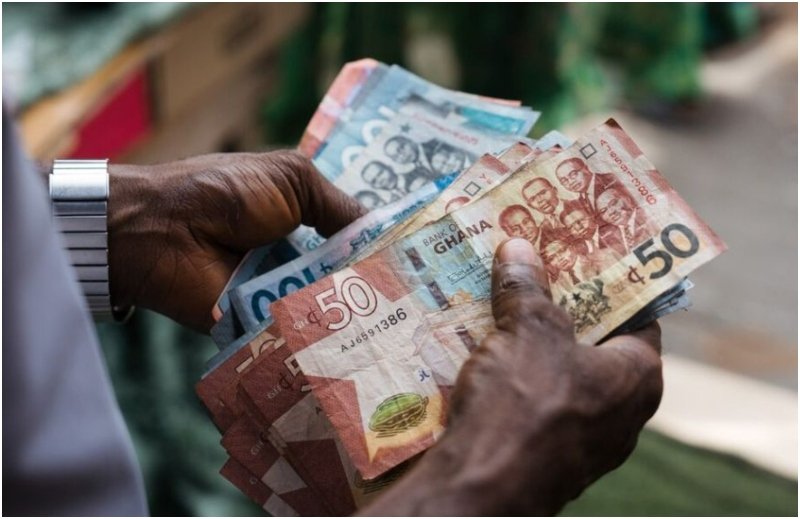
Ghanaian importers have long faced a frustrating ritual: before paying a supplier in China, you first had to buy US dollars, route the payment through American correspondent banks, and absorb the extra fees and processing delays that came with it.
That is now changing. Ghana has introduced a direct cedi-to-yuan payment system, piloted by Stanbic Bank Ghana and announced by Bank of Ghana Governor Dr. Johnson Pandit Asiama at the 132nd Monetary Policy Committee briefing. Here is how to use it.
What You Need to Know First
What it is: A direct payment route that lets you pay Chinese suppliers from your local cedi bank account, with the supplier receiving Chinese yuan.
What it is not: A replacement for the US dollar. The dollar route, SWIFT, and transactions in euros and pounds remain fully operational. This is an alternative pathway.
Who is piloting it: Stanbic Bank Ghana. GCB is also developing a similar service.
Why it matters: China accounted for over 22% of Ghana’s imports in 2024, covering machinery, electronics, textiles, and raw industrial materials.
Step-by-Step: How to Make a Direct Cedi-to-Yuan Payment
Step 1: Confirm Your Supplier Accepts Yuan
Before anything else, check with your Chinese supplier that they are willing to receive payment in Chinese yuan rather than US dollars. Not all suppliers will be set up for this, so confirm early.
Step 2: Open or Use a Stanbic Bank Ghana Account
The pilot is running through Stanbic Bank Ghana. If you are not already a customer, you will need an account with them to access the service during this pilot phase.
Step 3: Prepare Complete Documentation
Eligible payments require complete documents. Gather your import documentation — invoices, trade agreements, and any supporting paperwork your bank requires — before submitting.
Step 4: Submit Your Payment by 2:00 p.m. GMT
This is the critical deadline. If a business submits an eligible payment with complete documents by 2:00 p.m. GMT, it can be settled by the next business day. Miss the cutoff, and your payment moves to the following cycle.
Step 5: Let the Bank Route It Through CIPS
Instead of routing money through American correspondent banks in US dollars, the transaction goes through China’s Cross-Border Interbank Payment System (CIPS). Your supplier receives the payment in yuan.
What You Save
- No double currency conversion — you pay in cedis, your supplier receives yuan
- Lower transaction fees — no middlemen taking a cut
- Faster settlement — next business day if you meet the 2:00 p.m. GMT deadline
- No dollar hunt — you no longer need to source US dollars just to pay a Chinese supplier
As Stanbic Bank Ghana CEO Mwamina Aso Manning put it: “With CIPS, businesses can access a more direct payment route to Chinese counterparties, reducing the need for US correspondent or intermediary banks.”
What Has Not Changed
- The dollar route remains fully open
- SWIFT continues to operate as usual
- Transactions in dollars, euros, and pounds are unaffected
- You can still choose your payment pathway based on trade terms, exchange rates, and cost calculations
Quick Checklist
| Step | Action |
|---|---|
| 1 | Confirm supplier accepts yuan |
| 2 | Ensure you have a Stanbic Bank Ghana account |
| 3 | Prepare complete payment documents |
| 4 | Submit by 2:00 p.m. GMT |
| 5 | Payment settles via CIPS by next business day |
The Bigger Picture
This banking breakthrough comes alongside China’s zero-tariff access for 53 African nations with diplomatic ties to Beijing, which took effect on May 1. Together, zero-tariff market access and direct cedi-to-yuan payments create a two-way street — making it easier to import from China while opening doors for Ghanaian exporters to reach Chinese buyers.
Challenges like logistics, product standards, and competitiveness remain. But for importers tired of chasing dollars, this is a practical step toward faster, cheaper trade.
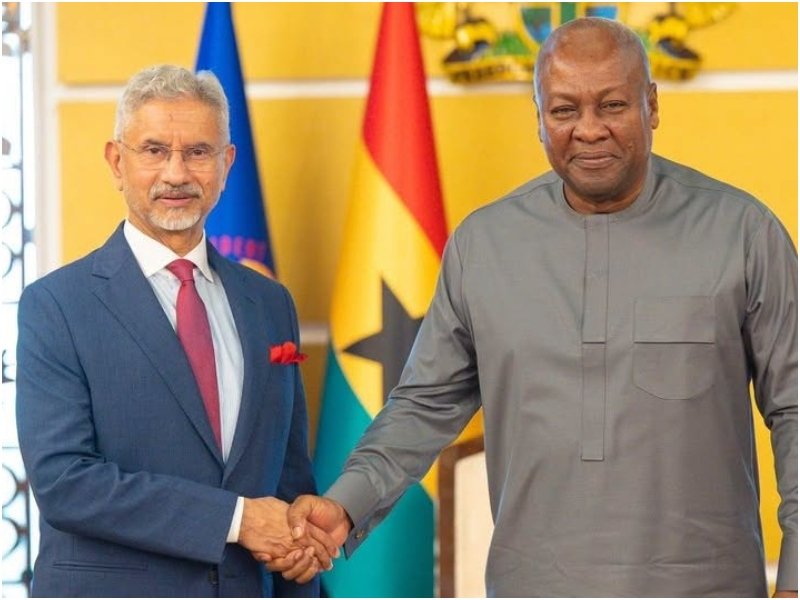
President John Dramani Mahama has declared Ghana “open for business,” inviting Indian companies to capitalize on expanding opportunities in the country’s pharmaceutical and vaccine manufacturing sectors.
Speaking during a courtesy call at the Presidency by India’s External Affairs Minister, Dr. Subrahmanyam Jaishankar, Mahama pledged continued policy reforms under the government’s #ResettingGhana agenda and the ‘Accra Reset’ initiative to secure health sovereignty across Africa.
‘Best Time to Invest’
The President used the meeting to pitch Ghana’s economic recovery to the visiting Indian delegation, pointing to improving macroeconomic indicators.
“Ghana’s economy is doing well. It is stable. Inflation is low, interest rates are down, and the currency is holding its own,” Mahama said. “I think that this is the best time to invest.”
To underscore this recovery, the President said Foreign Direct Investment (FDI) into Ghana rose from US$2.6 billion in 2025, with projections showing it could surpass US$3 billion in 2026.
Focus on Local Vaccine Production
Turning to healthcare, Mahama noted that Ghana’s new national pharmaceutical framework prioritizes domestic production. He cited the partnership between Atlantic Life Sciences and indigenous firm KinaPharma as a working model for indigenous vaccine capacity.
“They are part of our effort to localize vaccine production, but there is still substantial room for expansion,” the President said.
The push aligns with the government’s broader ‘Accra Reset’ initiative, which aims to reduce Africa’s reliance on imported vaccines and pharmaceuticals by building local manufacturing capacity.
Strategic Partnership
The courtesy call underscores Ghana’s efforts to deepen economic ties with India, a global leader in generic drug manufacturing and vaccine production. Indian pharmaceutical companies have increasingly looked to African markets for expansion, and Ghana’s new framework offers incentives for local production partnerships.
President Mahama’s invitation signals that his administration views Indian investment as central to its health sovereignty ambitions — and to the broader economic reset promised under his government’s reform agenda.
Ghana News
Ghana’s Cyber Security Authority Challenges FBI’s Kash Patel’s Account Of Major Scam Operation in Accra
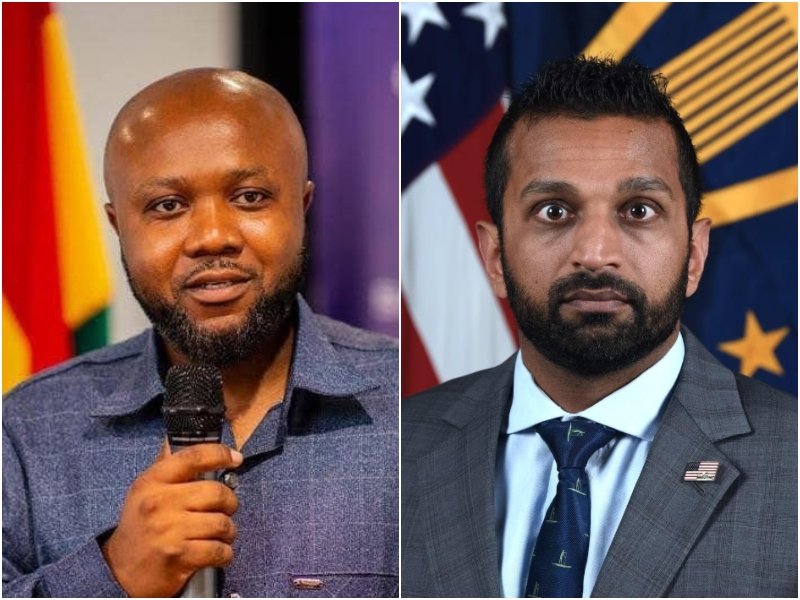
Ghana’s Cyber Security Authority (CSA) has publicly challenged FBI Director Kash Patel’s account of a major anti-cybercrime operation in the country, insisting that Ghanaian authorities led and coordinated the exercise, not the U.S. Bureau.
The operation, known variously as “Operation Cyber Hunt” or “Operation Blackout,” targeted suspected cybercrime networks operating in Ghana. According to the CSA, it was planned and executed under Ghana’s legal and institutional frameworks, with support from international partners including the FBI and the United Kingdom’s National Crime Agency (NCA).
Dispute Over Credit
The dispute erupted after Patel posted on X on October 8, 2026, framing the operation as part of the FBI’s global campaign against scam centres.
“OPERATION BLACKOUT: this FBI’s global scam center fraud demolition. Another takedown this week out of Ghana,” Patel wrote.
The FBI director claimed the operation had identified nearly US$10 million in losses involving 89 victims, with more than 130 people arrested or detained and over 300 electronic devices seized.
In a press release issued the same day, the CSA rejected any suggestion that the operation was independently planned or led by the FBI.
“Ghanaian authorities planned, coordinated and executed the operation within Ghana’s legal and institutional frameworks, and it thus cannot be said to be conceived as part of an FBI-led global programme, neither was it conducted under a foreign operational command,” the statement said.
Ghanaian Authorities Assert Sovereignty
The CSA stressed that the public account should reflect the roles played by Ghanaian institutions and other international partners. It also issued a pointed reminder to foreign law enforcement agencies: they cannot independently exercise police powers or make arrests in Ghana. Their involvement, the Authority said, must be based on lawful cooperation and the authorisation and participation of relevant Ghanaian authorities.
Despite its concerns, the CSA acknowledged the intelligence support provided by the FBI and the NCA, describing their contributions as important to the fight against international cybercrime. The Authority called on the FBI to clarify its public account and recognise the roles of Ghanaian agencies and other international partners.
Inside the Operation
According to the CSA, Operation Cyber Hunt uncovered suspected cybercrime centres at multiple locations in the Greater Accra Region. The operation led to the arrest of eight suspects and the rescue of 120 people suspected of being trafficked and forced into online fraud activities.
The exercise followed intelligence received on August 26, 2026, indicating that apartments at Ubuntu Haven Estate in Kpone Katamanso, Franko Estate in Ga North, and other locations in Ga West were being used as bases for organised cybercrime, including romance scams.
Items seized included:
- 136 mobile phones
- 130 laptops
- Internet connection devices
- Four vehicles (one reportedly stolen from Canada)
- Other digital equipment
- Jewellery and 10 Nigerian passports
The CSA said authorities were working to return the rescued victims — most of whom were identified as Nigerians — to their home country. Investigations into the suspects and the seized devices are ongoing.
Broader Implications
The public rift highlights growing tensions over credit and sovereignty in international cybercrime operations. While cross-border cooperation remains essential, the CSA’s statement underscores a firm position: Ghana welcomes partnership, but not the appearance of foreign command on its soil.
The FBI has not yet responded to the CSA’s call for clarification.


Making Every Square Metre Count: Interior Design Tips for Ghanaian Homeowners

Poor Posture Is More Than a Bad Habit: How Four Minutes a Day Can Help

Accra’s Pool Party Brings Music, Style and Detty December Energy
-

 Ghana News1 day ago
Ghana’s Cyber Security Authority Challenges FBI’s Kash Patel’s Account Of Major Scam Operation in Accra
-
 Ghana News1 day ago
How to Pay Chinese Suppliers Directly From Your Ghanaian Cedi Account
-

 Reels & Social Media Highlights2 days ago
Nana Akua Addo, Dumelo, and KFC: What Ghana Was Actually Talking About on Social Media
-
 Ghana News1 day ago
“Ghana Open for Business”: President Mahama Courts Indian Pharma and Vaccine Investors
-

 Health & Wellness2 days ago
More Reps, Better Tempo, Harder Moves: How to Keep Building Strength
-
 Taste GH23 hours ago
Kontomire, Palawa and Okro Stew: The Comforting Flavours of Ghanaian Home Cooking
-

 Festivals & Events23 hours ago
Movie by the Beach: Accra’s Tuesday Nights Get a Cinematic Twist
-
 Health & Wellness23 hours ago
Poor Posture Is More Than a Bad Habit: How Four Minutes a Day Can Help