
Ghana News
Ghana’s Active Crackdown on Cybercrime Syndicates is Taking Shape: ‘We will Protect Ghana’s image internationally’


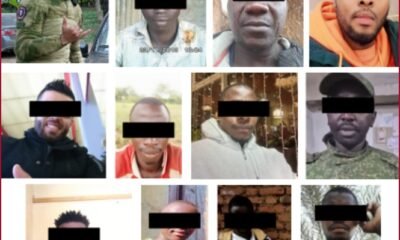
Ghanaian authorities have stepped up nationwide operations against cybercrime syndicates accused of trafficking foreign nationals into the country under false pretenses and coercing them into online fraud.
The active crackdown is s part of a broader effort to protect Ghana’s international reputation and curb transnational financial crimes.
In the latest coordinated crackdown, officers from the Cyber Security Authority (CSA), working with the Ghana Police Service and other security agencies, arrested 53 suspects during a two-day operation across multiple locations in the Greater Accra Region, including East Legon Hills, Afienya, Kwabenya, Weija and Tuba.
The operation also led to the rescue of 44 individuals described by authorities as victims who were allegedly lured into Ghana with promises of legitimate employment but later forced into cyber fraud activities.
Minister for Communications, Digital Technology and Innovations, Samuel Nartey George, said the operation resulted in the seizure of 62 laptops, 52 mobile phones and two pump-action guns. In a statement shared on social media, the minister disclosed that nine of those arrested are suspected ringleaders, adding that all 53 suspects are Nigerian nationals.

Authorities say the syndicates typically target young foreigners, particularly from West Africa, promising well-paid jobs in Ghana. Upon arrival, victims are allegedly confined to residential compounds, stripped of their travel documents and compelled to engage in internet-based scams commonly referred to as “Yahoo-Yahoo.”
According to the CSA, investigations indicate that many of the suspects were involved in mobile money fraud, romance scams, business email compromise schemes and wire fraud — cybercrime categories that Interpol has previously identified as a growing threat across Africa.
“The suspects have been profiled and handed over to the Ghana Immigration Service as investigations continue,” Mr. George said, noting that immigration and criminal processes would determine whether individuals face prosecution in Ghana or repatriation.
A Pattern of Sustained Enforcement
The latest arrests form part of a sustained enforcement campaign that has intensified since late 2025. On December 27, 2025, joint operations by immigration, police and cyber security officials led to the arrest of 141 suspects in Tabora and Lashibi. Authorities seized 38 laptops and 150 mobile phones and arrested the landlord of a residence where more than 100 individuals were allegedly housed for cybercrime activities.
Two days earlier, on December 24, security agencies arrested 48 suspects in Dawhenya — 46 men and two women, all Nigerian nationals — in connection with online investment fraud, impersonation schemes and illegal gold trading. Items seized during that operation included 54 laptops, 39 mobile phones, Starlink internet equipment and additional networking devices.
Earlier operations in Kasoa-Tuba on December 13 resulted in the arrest of 32 suspects, while a high-profile arrest on December 11 saw Ghanaian authorities detain Frederick Kumi, also known as “Abu Trica,” and two accomplices over alleged romance scams that reportedly defrauded U.S. victims of up to US$8 million. The case followed a U.S. grand jury indictment accusing the suspects of using artificial intelligence tools to impersonate identities online. Extradition proceedings to the United States are ongoing.
Courts Hand Down Sentences
Ghanaian courts have also issued convictions linked to cybercrime and human trafficking. On April 30, 2025, an Achimota Circuit Court sentenced two individuals for trafficking Nigerian women into Ghana under the guise of domestic employment, only to force them into prostitution. In May, another court sentenced Nigerian national Promise Ebuorbo and four accomplices to prison terms for harboring illegal migrants and engaging in cybercrime targeting real estate transactions.
In July 2025, a district court in Ashaiman sentenced two Nigerians to 18 months’ imprisonment with hard labour for cyber fraud and unlawful entry into Ghana.
International Cooperation and Ongoing Operations
Minister George said some suspects have been handed over to Nigerian law enforcement agencies, while others will face prosecution under Ghanaian law. He stated that Ghana continues to work closely with international partners, including U.S. authorities, to track and arrest high-profile cybercrime suspects linked to overseas financial losses.
“We will continue to protect Ghana’s cybersecurity image internationally,” the minister said. “Law enforcement agencies will pursue these suspects wherever they are found.”
The Cyber Security Authority has indicated that similar operations will continue nationwide as Ghana seeks to dismantle transnational cybercrime networks, prevent human trafficking linked to online fraud, and strengthen cross-border law enforcement cooperation.









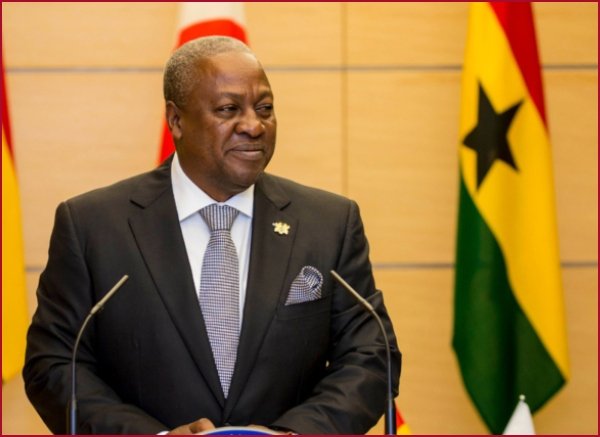
Accra, Ghana – President John Dramani Mahama has cautioned that the escalating war in the Middle East — involving joint U.S.–Israel strikes on Iran and Iran’s retaliatory missile and drone attacks across the Gulf — is no longer a regional issue but one with far-reaching consequences for the entire world, including Ghana.
Speaking during an Iftar gathering at Jubilee House on March 16, 2026, the president appealed directly to the Muslim community to intensify prayers for divine intervention and a swift end to hostilities.
“The conflict between the U.S. and Israel, and Iran, is affecting not only the Middle East; it’s affecting the whole world,” Mahama stated. “And so we pray that Allah will touch the hearts of everybody involved in this conflict and bring peace to the people in the area.”
The president’s remarks come as the conflict enters its third week, with reported U.S.–Israel operations targeting Iranian strategic sites — including the killing of senior officials — and Iran launching ballistic missiles and drones toward the United Arab Emirates and other Gulf states. The Strait of Hormuz, through which roughly one-fifth of global oil passes, has seen significant disruptions, pushing Brent crude prices above $100 per barrel.
Ghana, a net importer of petroleum products, remains highly vulnerable to these shocks. Higher global crude prices typically feed into elevated fuel import costs, which regulators and oil marketing companies often pass on to consumers through adjusted pricing windows. The resulting increases in petrol, diesel, and LPG prices can drive up transport fares, electricity generation costs (where fuel-based plants are involved), and the overall price of goods and services as transport and production expenses rise.
Bank of Ghana Governor Dr. Johnson Pandit Asiama has already flagged the risk, warning that sustained volatility in global energy markets could undermine the country’s inflation outlook and broader economic stability.
The conflict has also touched Ghanaian nationals directly. Two Ghanaians were among those injured by shrapnel from intercepted drones near Dubai International Airport, though UAE authorities confirmed minor injuries and continued airport operations. Separately, Ghanaian peacekeepers serving with UNIFIL in Lebanon have come under attack amid hostilities involving Israeli forces, Iran-aligned groups, and regional militias.
President Mahama’s call for prayers and calm reflects both spiritual solidarity and pragmatic recognition of the domestic economic ripple effects of prolonged instability in the Middle East.
Ghana News
How America’s Allies and Partners Have Responded to Trump’s Pleas For Help in the Strait of Hormuz
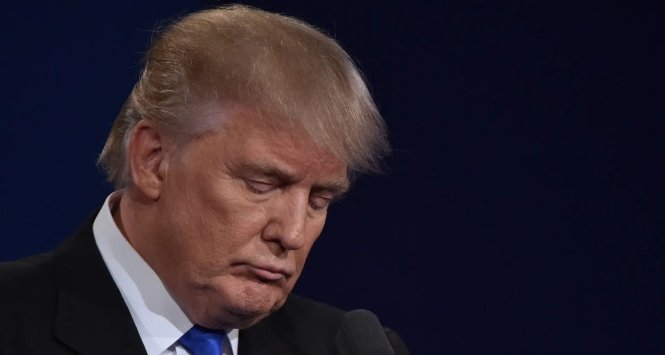
As the U.S. pushes for international support to secure the Strait of Hormuz amid escalating tensions with Iran, most major allies and partners have responded with caution, prioritizing diplomacy over military commitment.
Here are the key statements from world leaders and officials:
Keir Starmer — UK Prime Minister
“We are working with others to come up with a credible plan for the Strait of Hormuz to ensure that we can reopen shipping and passage through the Strait. Let me be clear, that won’t be and it’s never been envisioned to be a NATO mission.”
Jose Manuel Albares — Spain’s Foreign Minister
“The objective must be for the war to end, and for it to end now… We mustn’t do anything that would add even more tension or cause the situation to escalate further.”
Sanae Takaichi — Japan’s Prime Minister
“We have not made any decisions whatsoever about dispatching escort ships. We are continuing to examine what Japan can do independently and what can be done within the legal framework.”
Antonio Tajani — Italy’s Foreign Minister
“Diplomacy needs to prevail… I don’t see any missions that can be extended to Hormuz.”
Boris Pistorius — German Defense Minister
“I see absolutely no reason to do so. It’s not our war. We didn’t start it. We want diplomatic solutions and a swift end.”
Pavlos Marinakis — Greek Government Spokesman
“Greece will not engage in any military operations in the Strait of Hormuz.”
Emmanuel Macron — President of France
“France is acting within a strictly defensive framework aimed at protecting its interests, its regional partners… Freedom of navigation in the Strait of Hormuz must be restored as soon as possible.”
Lin Jian — Chinese Foreign Ministry Spokesperson
“We are in communication with all parties on the current situation and are committed to promoting the easing and cooling down of the situation.”
Qatar Foreign Ministry Spokesperson
“Communications are still ongoing with different parties to guarantee the Strait of Hormuz would remain open for goods to reach the Gulf and to export energy products.”
The overwhelmingly restrained tone underscores a global preference for de-escalation and dialogue over joining any expanded U.S.-led military effort in the critical oil chokepoint.
Ghana News
President Mahama Launches Nationwide ‘Resetting Ghana Tour’, Fuel Tanker Explosion and Other Trending Issues Today (March 17, 2026)
Stay updated with the latest major stories from Ghana. From a devastating fuel tanker explosion and aircraft crash clarifications to presidential calls for peace, high-profile court developments, rising external reserves, and local petroleum sourcing — here are today’s key headlines. New updates are added regularly – please return soon for more fresh stories.
President Mahama Launches Nationwide ‘Resetting Ghana Tour’
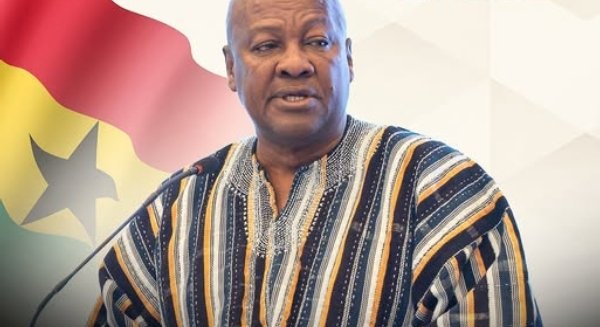
President John Dramani Mahama will begin a nationwide “Resetting Ghana Tour” on March 18, 2026, starting in the Bono Region. The tour aims to assess ongoing government projects on the ground, engage directly with citizens, and provide updates on key policies and development initiatives. Minister of State for Communications Felix Kwakye Ofosu described it as a way to bring the presidency closer to the grassroots level.
Read the full story here
Woman Arrested Over Viral Social Media Post Accusing Uber Driver of Being a ‘Murderer’
A 20-year-old woman, Promise Yayra Asamani, has been arrested by the IGP’s Cyber Vetting and Enforcement Team for publishing false news on Snapchat accusing an Uber driver of being a murderer and thief. The post led to the driver’s account being blocked and him receiving threatening calls. She admitted the claims were based solely on her sister’s unverified suspicions from a ride and was granted police enquiry bail. Police warned against spreading unverified information.
Read the full story here
Ghanaian Pension Funds Commit $11m to Atlantic Lithium’s Ewoyaa Project
A consortium of Ghanaian pension funds managed by IC Asset Managers has committed up to US$11 million to Atlantic Lithium for the Ewoyaa Lithium Project in the Central Region. The investment forms part of a larger US$16.4 million package and aims to increase local ownership in Ghana’s first lithium mine. The funds will support milestone achievements such as parliamentary ratification of the mining lease and project construction.
Read the full story here
CLOGSAG Suspends Nationwide Strike, Gives Government 14 Days to Resolve Pay Dispute
The Civil and Local Government Staff Association of Ghana (CLOGSAG) has suspended its nationwide strike after the government requested more time to negotiate salaries and conditions of service. The union’s National Executive Committee agreed to a 14-day suspension, instructing members to resume work by March 24, 2026. The strike had disrupted services across ministries, departments, agencies, and local assemblies.
Read the full story here
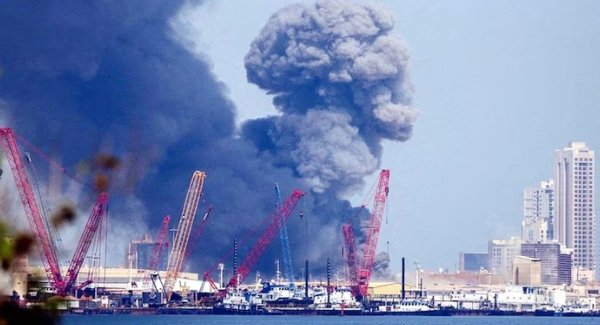
Fuel Tanker Explodes into Massive Blaze at Potsin Junction
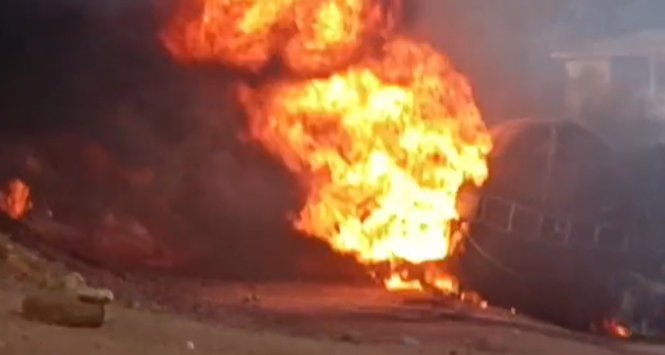
A fuel tanker has exploded at Potsin Junction on the Kasoa-Winneba road in the Central Region, triggering a fierce blaze that consumed a local eatery and two nearby buildings. Thick black smoke billowed into the sky as residents fled the scene; no casualties have been reported so far. Fire tenders from nearby stations were reportedly out of service, hampering immediate response efforts.
Read the full story here
Mahama Calls for Peace in US-Israel-Iran Conflict
President John Dramani Mahama has appealed for an immediate end to the escalating conflict involving the United States, Israel and Iran, warning that the violence is impacting the entire world. Speaking during a public engagement, he prayed for divine intervention to restore peace in the Middle East amid growing concerns over global security and energy stability.
Read the full story here
Freddie Blay Remanded in Custody as Illegal Mining Case Adjourned to April 9
Former New Patriotic Party Chairman Freddie Blay has been remanded in police custody by the Akropong Circuit Court after appearing on charges linked to the alleged demolition of a house on disputed land in Kitase. The case, which stems from a 2025 police report, has been adjourned to April 9, 2026, for his next appearance.
Read the full story here
Crashed Aircraft Not Owned by Ghana Armed Forces – Deputy Defence Minister Clarifies
Deputy Defence Minister Brogya Genfi has clarified that the microlight aircraft (Reg. 9G-ADV) that crashed in Tema Community 1, killing both occupants, is privately owned and has no connection to the Ghana Armed Forces. The Ghana Civil Aviation Authority is investigating the incident that occurred while the aircraft was en route from Ho to Accra.
Read the full story here
Ghana’s External Reserves Rise to $14.5 Billion – BoG Governor
Bank of Ghana Governor Dr. Johnson Pandit Asiama has announced that the country’s external reserves have increased to approximately $14.5 billion, providing 5.8 months of import cover. The rise reflects stronger macroeconomic performance, with inflation dropping to 3.3% and a primary fiscal surplus achieved. The Ghana Accelerated National Reserve Accumulation Programme targets 50 months of cover by 2028.
Read the full story here
GOIL Sources About 30% of Petroleum Products Locally – CEO Edward Bawa
GOIL CEO Edward Bawa has disclosed that the company purchases around 30% of its finished petroleum products from local refineries such as Tema Oil Refinery and Sentuo, depending on market conditions. He noted that locally sourced products are comparatively cheaper, though domestic refining capacity limits further increases.
Read the full story here


Experience the Rare Texture of Apapransa the Celebratory Roasted Corn Delicacy

The Festival of Truth: Why Techiman’s 2026 Apoɔ is the Ultimate Cultural Reset

Khaby Lame is the world’s most followed TikToker: the story of a Senegalese‑born star who sold his identity
-
 Ghana News2 days ago
Helicopter Crash at Tema School Park Kills 2, Security Service Recruitment to be Expanded to 40,000 and Other Trending Issues Today (March 16, 2026)
-

 Ghana News2 days ago
Newspaper Headlines Today: Monday, March 16, 2026
-
 Ghana News1 day ago
Ghana Announces Emergency One-Way Evacuation for Citizens in Qatar Amid Heightened Security Concerns
-

 Ghana News2 days ago
Healthcare for All: President Launches Policy to End Financial Barriers at Facilities Across Ghana
-

 Global Update1 day ago
Influential Foreign Policy Group Sends Direct Message to Trump Warning of Global Risks From His Actions in Iran
-

 Africa Watch1 day ago
France Returns Sacred ‘Talking Drum’ Looted During Colonial Rule to Ivory Coast
-

 Business2 days ago
25 Sittings, Zero Answers: Ghana’s Parliamentary Slow Motion Costing Ghana and Atlantic Lithium Billions
-

 Ghana News19 hours ago
Newspaper Headlines Today: Tuesday, March 17, 2026