
Tourism
ECOWAS to Cut Air Ticket Taxes from 2026, Making Flights Cheaper Across West Africa


The Economic Community of West African States (ECOWAS) has approved a landmark aviation reform that is expected to significantly reduce the cost of air travel across the sub-region from January 1, 2026.
The move is seen as a major boost to regional integration, trade and tourism.
At a summit of Heads of State and Government held in Abuja in December 2024, ECOWAS leaders adopted a Supplementary Act that will abolish taxes applied to air transport in all member states and cut passenger and security charges by 25 percent.
The decision directly targets one of West Africa’s most persistent transport challenges: some of the highest airfares in the world.
According to ECOWAS and industry studies, taxes and charges can account for up to 50 percent of the total cost of an air ticket in the region. Passengers currently pay as many as 66 separate charges, while airlines face more than 100 different fees to operate flights. As a result, air travel costs in West Africa are estimated to be 85 percent higher than the global average for regional flights and 82 percent higher for international routes.
A boost for regional mobility and integration
The reform is expected to have wide-ranging implications for West Africa, including Ghana, which hosts one of the region’s busiest routes, Accra–Lagos. Despite this, West Africa accounts for only a fraction of Africa’s total air traffic, with Northern Africa handling about 40 percent of the continent’s passenger volumes.
High ticket prices have long discouraged travel, constrained tourism growth and limited cross-border business. They have also undermined ECOWAS’s flagship protocol on the free movement of persons and goods, a cornerstone of regional integration.
By removing air ticket taxes and reducing key charges, ECOWAS estimates that airfares could fall by as much as 40 percent, making flying more accessible to a broader segment of the population. Airlines are expected to carry more passengers, while airports and surrounding communities stand to benefit from increased economic activity.
Long-term gains for airlines and governments
While governments currently rely heavily on aviation taxes for revenue, ECOWAS argues that the existing system has created a vicious cycle of high costs, low travel volumes and limited reinvestment in airport infrastructure. The new policy aims to reverse that trend by stimulating demand and, over time, generating higher overall revenue through increased passenger numbers and a more vibrant aviation sector.
The reform aligns with global aviation principles under the International Civil Aviation Organization (ICAO) and the Chicago Convention, which promote fair, transparent and non-discriminatory practices. It is also expected to enhance the competitiveness of West African airlines and encourage investment in airport and aviation infrastructure.
Implementation and oversight
Although Supplementary Acts adopted by ECOWAS authorities are legally binding, member states will be required to amend national laws, policies and regulatory frameworks to ensure uniform implementation across the region. Airlines are also expected to pass on the cost savings directly to passengers through lower fares.
To ensure compliance, the ECOWAS Commission will establish a Regional Air Transport Economic Oversight Mechanism and continue to pursue complementary initiatives such as regional aircraft leasing schemes, joint maintenance facilities and harmonised safety standards.
Looking ahead to 2026
For travellers, businesses and governments alike, the reform represents a significant shift in how air transport supports development in West Africa.
More affordable flights are expected to strengthen family ties across borders, expand trade and tourism, and deepen socio-economic links among ECOWAS member states.
As the region moves toward 2026, ECOWAS leaders say the goal is clear: a more open, competitive and accessible West African sky that supports growth and brings the promise of regional integration closer to everyday reality.














A child searching for their first picture book, a university student hunting for a prescribed textbook or a reader hoping to find their next favourite novel can all begin their search at the same place: EPP BookShop at Legon City Mall.
Located at 7 Lagoon Street, off Giffard Road, the Legon branch brings together books for different ages, interests and stages of learning.

Its appeal lies in the range of titles available, making it a useful stop for families preparing children for school, students pursuing higher education and readers looking beyond the classroom.
From a Small Accra Shop to a Growing Book Business
EPP Books began in 1991 as a modest bookshop in Accra, occupying a space of no more than 20 square metres.
Over the years, it grew into a chain with branches across the West African sub-region, expanding its reach beyond its original location.
That journey reflects the continuing need for accessible books in homes, schools and educational institutions.
For many learners, textbooks and supplementary readers are essential tools, while novels and self-help books offer opportunities for entertainment, personal growth and discovery.
Books for Different Stages of Life
At the Legon branch, the selection spans preschool materials, children’s readers, school curriculum books, secondary-school textbooks and university-level titles. Customers can also browse bestselling novels and books on personal development.

EPP BookShop serves both retail and wholesale customers, giving individual readers and organisations options for purchasing books. If a particular title is unavailable on the shelves, the shop can also arrange to order it.
For residents, students and visitors in the Legon area, the branch offers more than a place to buy reading materials. It provides a practical starting point for the search for knowledge, whether that begins with a child’s first schoolbook or a reader’s next literary adventure.

From a steaming bowl of fufu and soup to the irresistible aroma of kelewele fresh from the frying pan, Ghanaian food offers more than comfort and flavour.
When balanced well, it can also provide many of the nutrients the body needs to thrive.
Traditional Ghanaian cuisine draws heavily on natural ingredients, including yam, plantain, beans, fish, groundnuts and leafy vegetables.
These foods supply energy, protein, fibre, vitamins and minerals. Kontomire stew, okro soup and garden eggs bring colour and nutrients to the table, while fish and legumes offer protein.
Spices and seasonings give dishes their distinctive character, making everyday meals deeply satisfying.
Waakye, the much-loved combination of rice and beans, illustrates this potential. Paired with vegetables, fish or eggs, it can provide a satisfying mix of carbohydrates, protein and fibre.
Yet the nutritional value depends on portion sizes and the amount of oil, salt and rich accompaniments added.
When Tradition Needs Balance
Palm oil gives dishes such as red red their familiar colour and taste. It also contains vitamin E and carotenoids, which the body can convert into vitamin A. However, it is high in saturated fat, so using moderate amounts and avoiding repeated overheating are sensible choices.
Portion sizes matter, too. Meals dominated by large servings of fufu, banku, rice or yam, with little vegetables or protein, may make it harder to maintain a balanced diet over time.
Meanwhile, instant noodles, sugary drinks and heavily processed snacks are increasingly competing with home-cooked meals. Frequent consumption can contribute to excessive sugar, salt and calorie intake.
Keeping Ghanaian Food Healthy
The answer is not to abandon beloved local dishes, but to prepare and serve them thoughtfully.
Enjoy reasonable portions of starchy staples, add generous vegetables, include beans, fish or other protein sources, and use oil and salt sparingly.
Ghanaian food can be both delicious and nourishing. The secret lies in balance, variety and preserving the best of local cooking while making choices that support long-term health.
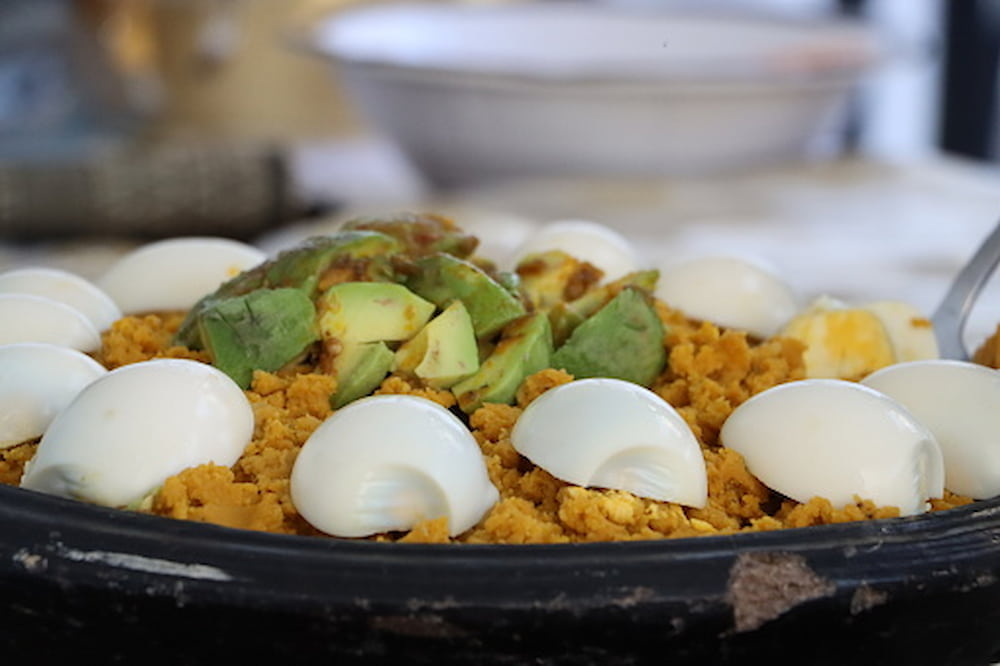
Soft, golden and richly scented with palm oil, Oto is one of those Ghanaian dishes that brings comfort to the table while connecting food with tradition.
Made primarily from boiled yam mashed with palm oil and served with boiled eggs, this simple yet satisfying dish is especially familiar during important family occasions and traditional celebrations.
Oto’s appeal lies in its uncomplicated ingredients and distinctive flavour. The yam provides a soft, filling base, while palm oil lends its characteristic colour, earthy aroma and richness.

Boiled eggs add a contrasting texture and make the meal more substantial. Depending on personal preference and preparation, seasonings can introduce extra warmth and depth.
A Nourishing Taste of Ghana
Beyond its cultural significance, Oto offers nutritional benefits from its core ingredients. Yam supplies carbohydrates, which the body uses for energy, alongside fibre, potassium and other nutrients. Its fibre content can support healthy digestion as part of a balanced diet.
Eggs contribute high-quality protein, which helps the body maintain and repair muscles and other tissues.
They also provide nutrients such as vitamin B12 and choline, which support normal bodily functions.
Palm oil contains vitamin E compounds and carotenoids, including beta-carotene in red palm oil, which have antioxidant properties. However, it is also rich in saturated fat, so the quantity used matters. Enjoying Oto with a moderate amount of oil can help balance flavour and nutritional considerations.
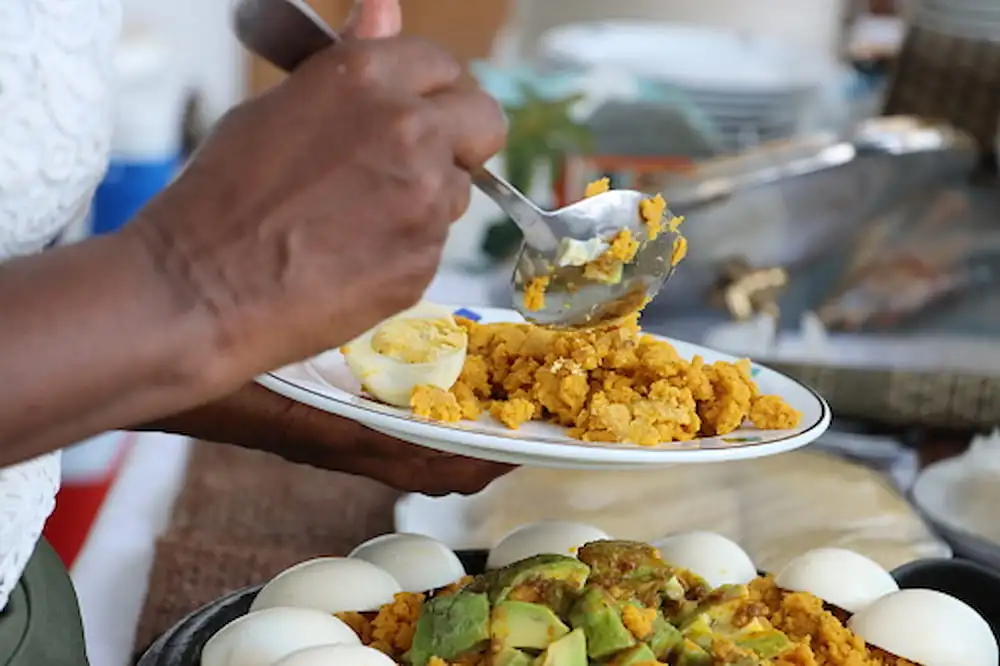
Spices and herbs, when included, may contribute additional flavour and beneficial plant compounds.
Ghana has a long tradition of using local plants for culinary and medicinal purposes, although their health effects depend on the specific ingredient and how it is used.
A Dish Rooted in Tradition
Oto demonstrates how familiar ingredients can create food that is both nourishing and meaningful.
Whether served during a special occasion or enjoyed as a comforting meal, it remains a delicious expression of Ghanaian food culture, bringing together flavour, nourishment and tradition in every spoonful.


Velukusi Festival: Re-enacting the Ewe Escape to Freedom in Ve-Deme

Dressing for Your Shape: How Strategic Styling Can Transform Everyday Fashion

The Scale Can Lie: Why Lifting Weights May Help You Lose More Fat
-

 Ghana News21 hours ago
OBITUARY: Gamal Gorkeh Nkrumah, Son of Ghana’s Founding President, Dies in Cairo
-

 Festivals & Events19 hours ago
MaddFest 2027: Welcome the New Year with a Night of Celebration in Accra
-

 Sights and Sounds1 day ago
EPP BookShop at Legon: A Destination for Students, Families and Book Lovers
-

 Health & Wellness24 hours ago
Walking Is More Than Exercise: Small Steps That Can Transform Your Health
-

 Homes & Real Estate2 days ago
Building Smarter in Ghana: Could Plastic Rebar Clips Improve Construction Efficiency?
-

 Arts and GH Heritage1 day ago
Inside Togo’s Abandoned Colonial Building, African Artists Reclaim Cultural Memory
-

 Global Update20 hours ago
Wave of Student Killings at Mexico Universities Raises Safety Concerns
-

 Ghana News20 hours ago
Mahama to Churches: The Real Sermon Is Written After the Closing Prayer
Pingback: Top Ghana News Headlines Today (Dec. 27, 2025)