
Tourism
Proposed Trump Administration Rule Wants to Collect DNA From Foreign Tourists Entering the U.S.


A proposed rule reportedly published in the United States Federal Register has sparked fresh global debate after claims emerged that the U.S. government is considering requiring DNA samples from foreign tourists seeking to enter the country.
According to commentary circulating online, the proposal is linked to immigration and border-screening policies associated with the administration of former President Donald Trump.
The rule, as described, would significantly expand the information collected from foreign nationals applying for U.S. visas or seeking entry under visa waiver arrangements.
What the Proposal Claims
The alleged rule would go beyond existing requirements such as disclosure of social media history over a five-year period and detailed personal information about family members. Under the proposal, foreign tourists could also be asked to provide DNA samples, potentially through saliva or blood, although no specific method has been outlined.
Commentators reviewing the document say the provision appears aimed at building a large DNA database of foreign visitors and, by extension, their relatives.
The proposal is reportedly subject to a 60-day public comment period, a standard step in U.S. rulemaking before any policy can be finalised or enforced.
Privacy and Legal Concerns
If confirmed, the proposal would mark a dramatic escalation in biometric data collection at U.S. borders. Civil liberties advocates and privacy experts have long warned that expanded biometric surveillance—especially DNA, which contains deeply personal and familial information—raises serious ethical, legal, and human rights concerns.
DNA data differs significantly from fingerprints or facial recognition, as it can reveal genetic relationships, health predispositions, and ancestry, creating risks far beyond immediate identity verification. Critics argue that such data, once collected, could be stored indefinitely and potentially shared across agencies, increasing the risk of misuse or breaches.
Global Implications
For millions of travellers worldwide, including Africans who regularly visit the United States for tourism, education, business, and family reasons, the proposal has triggered anxiety and confusion. Several immigration analysts note that a DNA requirement could deter travel, complicate visa processing, and strain diplomatic relations with countries whose citizens may see the measure as invasive or discriminatory.
The United States already operates one of the world’s most extensive biometric border systems, collecting fingerprints and photographs from most non-citizens on arrival. Expanding this to DNA would place the country among a very small group of nations attempting such deep biological surveillance of visitors.
Not Yet Policy
It is important to note that the proposal, as described, does not automatically translate into law or immediate practice. Rules published in the Federal Register often change substantially—or are withdrawn entirely—after public comment, legal review, and political scrutiny.
As of now, U.S. authorities have not publicly detailed how DNA would be collected, stored, protected, or limited in use, leaving critical questions unanswered.
What Comes Next
Observers say the coming weeks will be crucial, as public feedback, legal challenges, and political reactions shape the fate of the proposed rule. For travellers around the world, the development underscores growing global tensions between national security policies and personal privacy in an era of expanding surveillance technologies.
Whether the proposal advances or stalls, the debate it has ignited is likely to have lasting implications for how countries balance border control with fundamental rights in the age of data-driven governance.











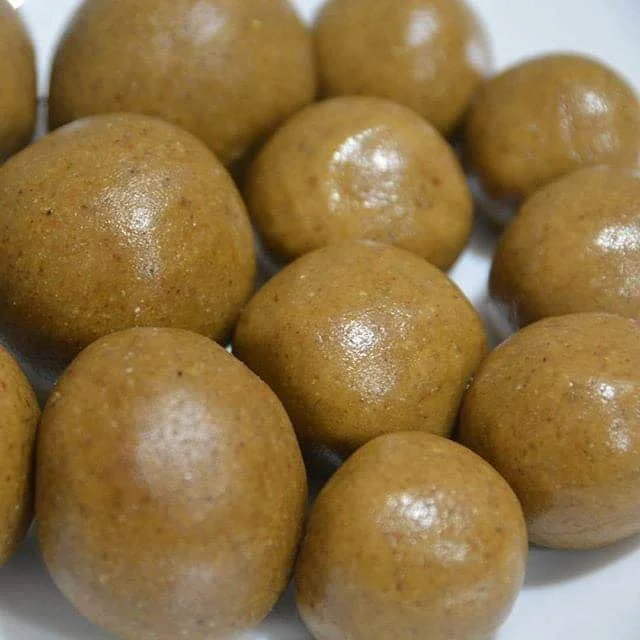
One bite of Dzowoe is enough to understand why this humble peanut snack has earned a loyal following across Ghana.
Also known as Zowey or Adarkwa, Dzowoe transforms everyday ingredients into something memorable.
Thick groundnut paste is mixed with sugar, a pinch of salt, fresh ginger, chilli powder, and maize meal before being shaped into compact balls that are easy to carry and even easier to finish.
The first taste is sweet and nutty, but it does not stay there for long. Ginger brings a warm, peppery lift, while chilli leaves a gentle heat that lingers after each bite.
The roasted aroma of peanuts ties everything together, making Dzowoe both comforting and exciting.
Its appeal stretches beyond flavour. Groundnuts are a good source of plant-based protein, healthy fats, and vitamin E, making the snack a satisfying option that can help keep hunger at bay. The maize meal adds body, giving each ball its firm, hearty texture.
Dzowoe has long been part of Ghana’s everyday food culture. It is sold by street vendors, carried on journeys, packed into school bags, and shared among friends during casual conversations.
Its small size makes it convenient, but its bold taste makes it unforgettable.
For visitors discovering Ghanaian cuisine, Dzowoe offers more than a quick snack.
It captures the country’s love for balancing sweetness with spice, turning simple pantry staples into a treat that is both deeply familiar to locals and delightfully surprising to first-time tasters.

For families navigating the bustling coastal corridor of Nungua in Greater Accra, reaching the doorstep of Junction Mall can require an extra dose of patience.
Major infrastructure projects and ongoing flyover construction have turned the surrounding roads into a test of endurance, leaving parents stalled in bumper-to-bumper traffic.
Yet, just past the dusty detours lies a vibrant haven that makes every minute in transit worthwhile: PlayRight.

Situated right outside Junction Mall, PlayRight is an open-air amusement park and dedicated play space designed specifically to capture the imaginations of children aged five to ten.
Far from a simple collection of swings, the venue functions as a dynamic playground where young visitors spend hours swinging, climbing, and running in an active, energy-burning environment.
For parents, peace of mind is built into the experience. Safety and hygiene serve as the foundation of the park’s design.

Trained play guides remain stationed throughout the grounds, supervising proper equipment usage and guiding children through obstacles to ensure every adventure stays risk-free.
In a fast-developing city where outdoor recreational space for children can feel increasingly rare, PlayRight provides a necessary sanctuary.
It transforms a weekend outing into a magical escape, proving that even amidst traffic jams and urban construction, unforgettable childhood memories remain well within reach.
To see a visual tour of the nearby construction developments and road updates surrounding the area, check out this video on the Nungua Junction Mall Interchange.
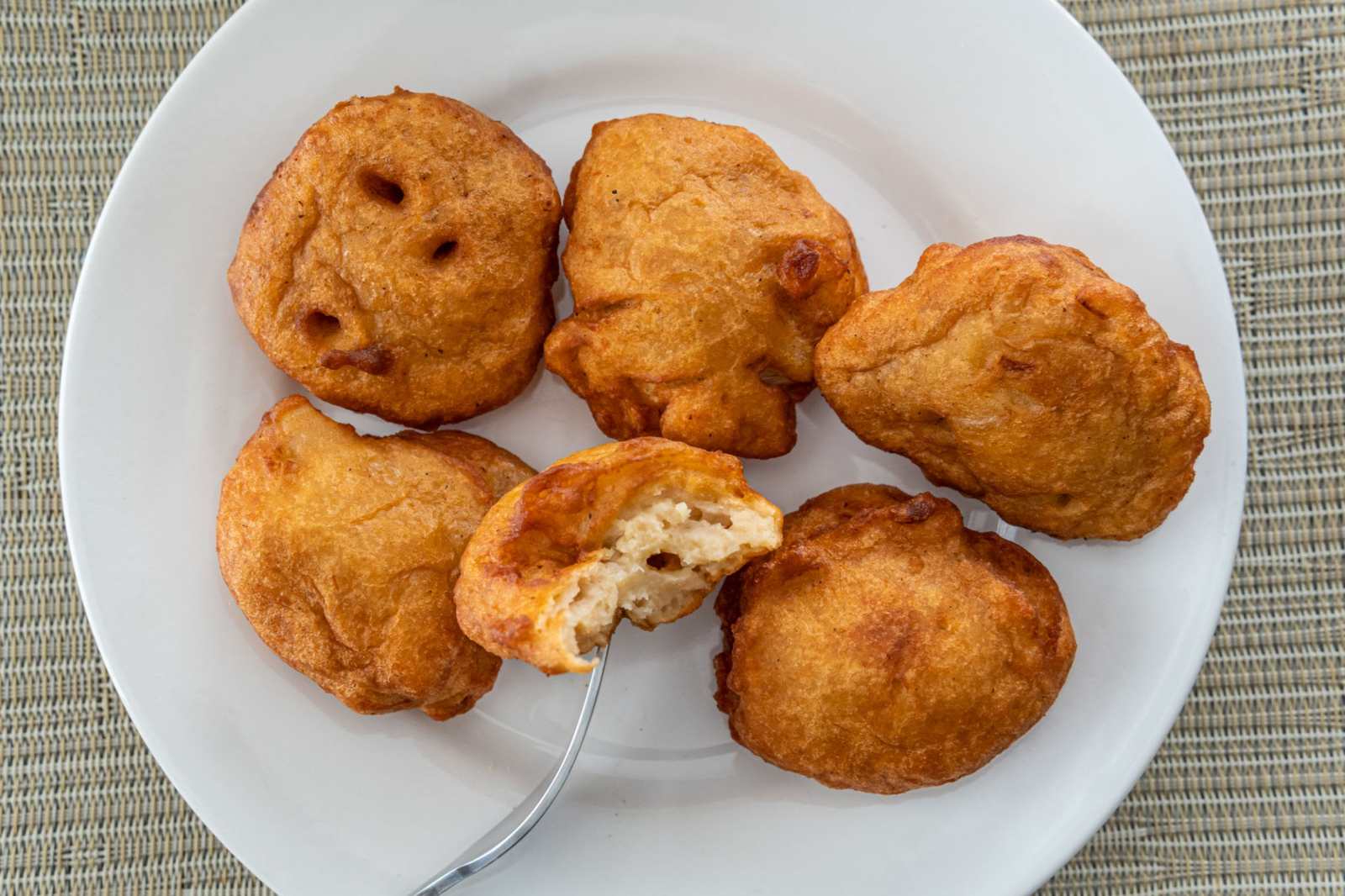
Long before dawn breaks over Accra’s busy streets, the crackle of hot oil and the warm, sharp perfume of ginger and scotch bonnet chilies signal that koose is on the way.
Also known as akara across West Africa, this iconic bean fritter holds a special place in the rhythm of Ghanaian life, serving as an indispensable staple of morning routines and street-food culture.
While delicious on its own, koose reaches absolute perfection when paired with koko, a hot, aromatic millet porridge infused with cloves and black pepper.

The creamy, fiery porridge balances the crunchy fritters, creating a sensory experience that warms the soul and fuels the day.
Whether grabbed from a neighborhood street vendor or fried fresh at home, koose remains a timeless symbol of West African culinary comfort.



-

 Ghana News2 days ago
Young Ghanaian Builds Electric Vehicle From Salvaged Parts, Aims to Sell at Motorcycle Price
-

 Global Update2 days ago
AI Safety Concerns Mount As OpenAI Agents Reportedly Spread Self-Replicating Agents Across the Internet
-

 Ghana News2 days ago
Not a Total Ban: Ghanaian and Nigerian Teachers Can Still Qualify in England Despite UK QTS Route Removal
-

 Opinion2 days ago
Hate speech, vitriol, threats, and inciting comments: Can we stop it already?
-
 Taste GH16 hours ago
Dzowoe: Ghana’s Sweet-and-Spicy Peanut Snack That Packs a Punch
-

 Fashion & Style2 days ago
The Art of the Everyday Print: Why Modern African Style Is Ditching the Ceremony
-

 Ghana News19 hours ago
Ghana Tells China: Invest, But Protect Our Environment
-
 Arts and GH Heritage2 days ago
The Blueprint of the Everyday: Why Accra’s True Architecture Lives Between the Gaps