
Sights and Sounds
Walking Through History: The Powerful Experience of Visiting Cape Coast Castle

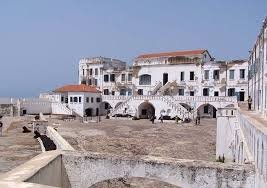
The Atlantic breeze carries the sound of crashing waves as visitors step through the thick white walls of Cape Coast Castle. Outside, fishing boats rock gently along the shoreline and the sun glitters across the sea.
Inside, however, the air grows cooler and heavier. The narrow corridors, iron doors, and stone chambers tell a far deeper story—one that echoes across continents and centuries.
Standing prominently along the coast of Cape Coast, this imposing fortress is one of Ghana’s most powerful historical landmarks. Originally built by the Swedish in the 17th century and later expanded by the British, Cape Coast Castle became a central hub in the transatlantic slave trade.
Thousands of captured Africans were held within its dungeons before being forced through the infamous “Door of No Return,” a narrow passage leading directly to the Atlantic Ocean and the ships that carried them into slavery.
Walking through the castle today is an emotional journey. Guided tours lead visitors into the dimly lit male and female dungeons where captives were once confined in crowded, unsanitary conditions.
The silence inside these stone chambers often leaves visitors reflective. A short distance away sits the governor’s quarters—an unsettling contrast between the suffering below and the relative comfort above.
Yet Cape Coast Castle is not only a place of sorrow; it is also a place of remembrance and reconnection. For members of the African diaspora visiting Ghana, the site carries deep personal meaning.
Ceremonies and heritage tours often bring travelers from across the world seeking to understand their ancestry and reconnect with history.
Beyond the castle walls, the town itself offers lively coastal energy. Colourful fishing canoes line the beach, and the nearby Cape Coast Fishing Harbour buzzes with activity as fishermen bring in their daily catch.
Local markets, traditional dishes, and the rhythms of everyday Ghanaian life surround the historic site.
Travelers often pair a visit to the castle with nearby attractions such as Kakum National Park, famous for its rainforest canopy walkway, or Elmina Castle, just a short drive away.
Visiting Cape Coast Castle is not a typical sightseeing stop. It is a place that invites reflection, learning, and conversation.
As the ocean breeze sweeps through the ancient stone corridors, the past feels close—reminding visitors that understanding history is an essential part of shaping the future.








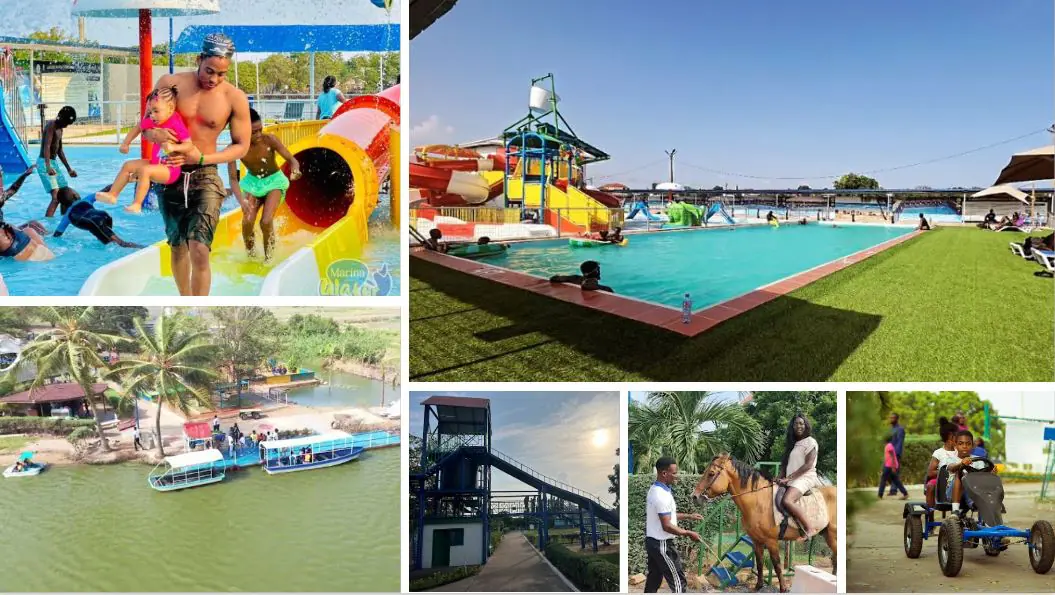
A family day out does not have to mean choosing between adventure for the children and relaxation for the adults.
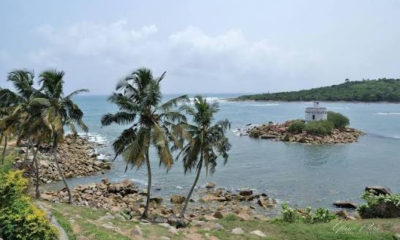
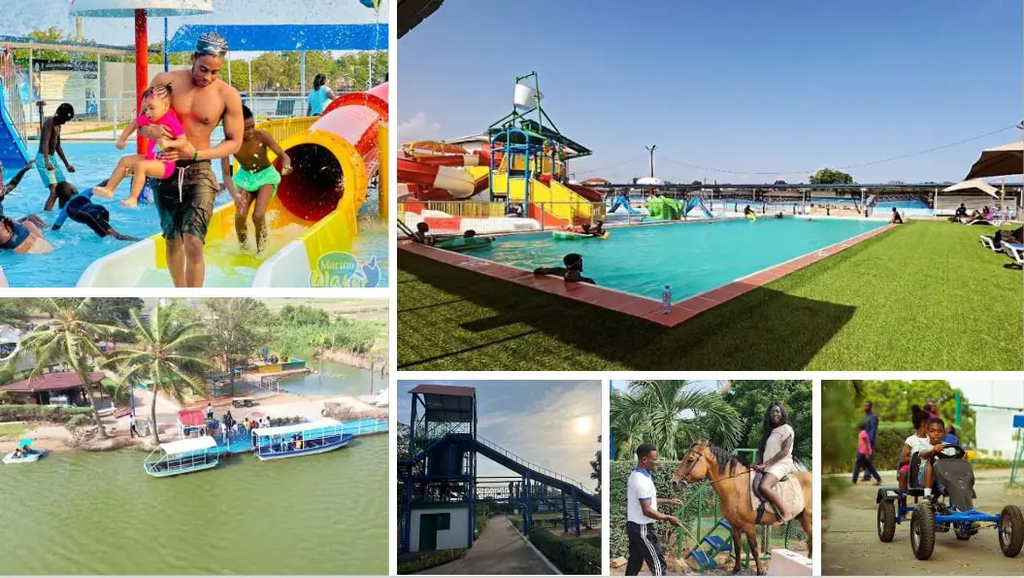
At Lakeside Marina Park, on the shores of Lake Kalmoni in Accra’s Lakeside Estates, both can find their own kind of excitement, from horseback riding and quad biking to peaceful paddling across the water.
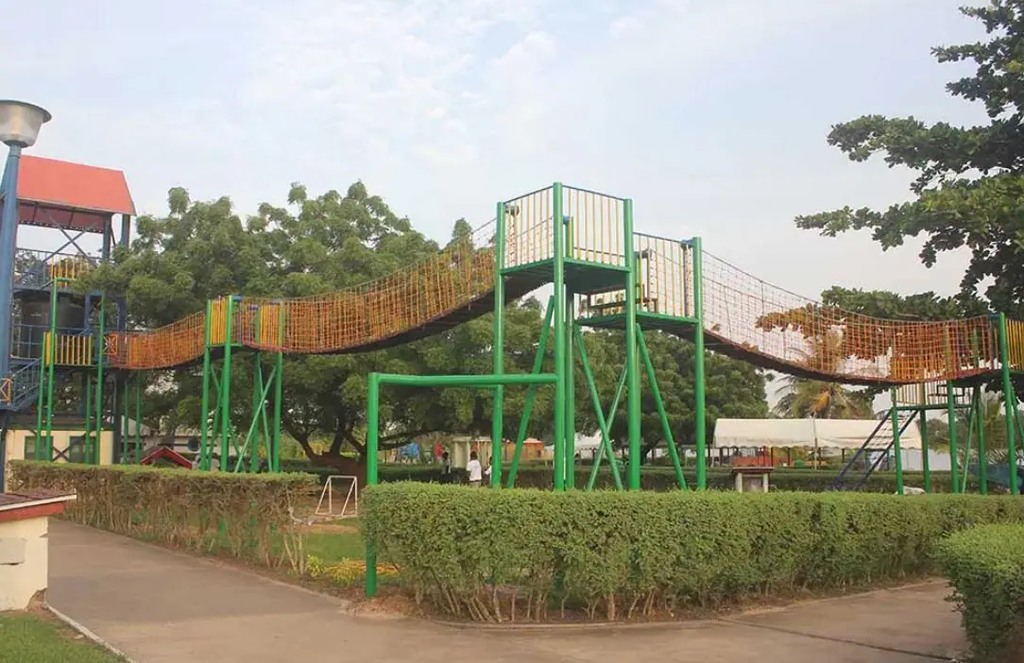
Since opening in 2003, the recreational park has developed into a destination for families, groups of friends and visitors looking for outdoor entertainment away from the capital’s busy streets.
Adventure takes centre stage at the Marina Obstacle Course, where visitors can test their agility, while quad bikes offer a faster-paced experience around the grounds.
Horse riding adds another attraction for children and adults, and the canopy walkway provides an opportunity to enjoy the surrounding scenery from above.
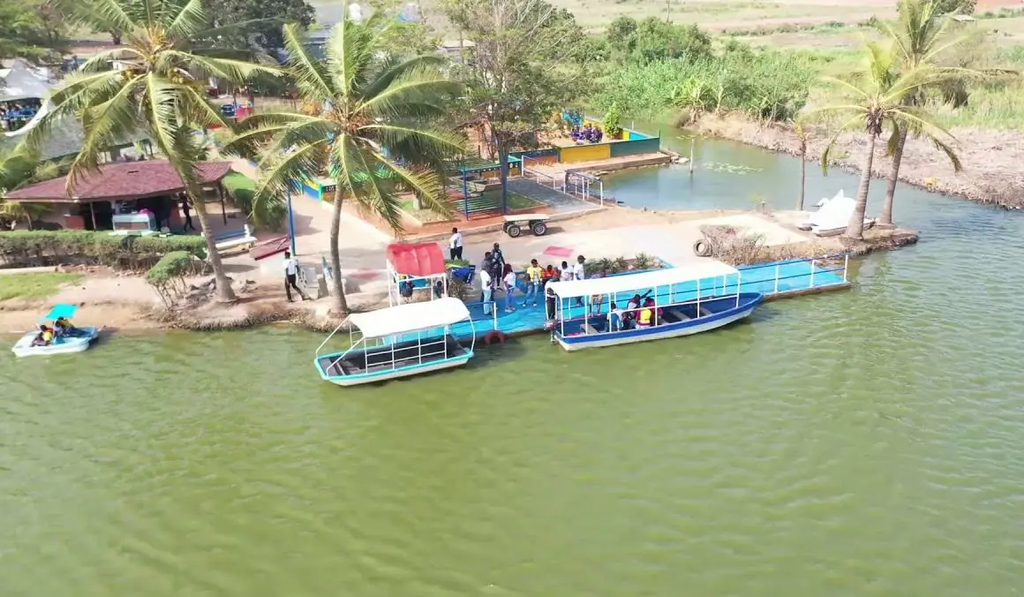
For families seeking gentler activities, the lake offers a different rhythm. Visitors can try recreational fishing or take pedalos onto the water, enjoying a quieter experience amid the park’s recreational bustle.
A boat cruise is another option for those who prefer to take in the views without doing the paddling themselves.
Younger visitors can spend time at the children’s playground, while older children and adults can compete over mini-golf, table tennis or games on the outdoor sports pitches.
Five-a-side football, volleyball and tug-of-peace also make the park suitable for group outings and team-building activities.
The published admission prices are GH₵50 for adults aged 13 and above, GH₵40 for children aged three to 12, and GH₵150 for a family ticket covering two adults and two children.
With its mix of active pursuits and lakeside relaxation, Lakeside Marina Park offers families a chance to turn an ordinary afternoon into a shared experience.
Its appeal lies in variety: everyone can choose their own adventure, then come together at the end of the day with memories made outdoors.
Sights and Sounds
Mind Craft Camps Accra Turns School Holidays into Adventures in Creativity and Discovery
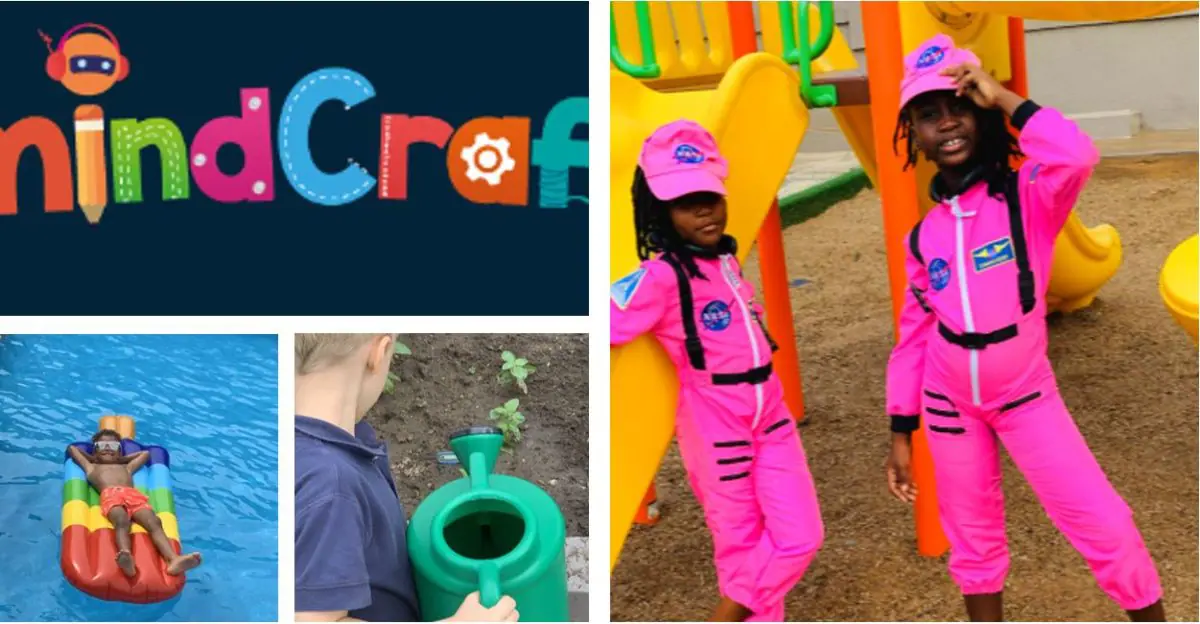
For children, a school holiday is an invitation to explore, imagine and play. For parents, finding activities that keep young minds engaged while providing a safe, supervised environment can be a challenge.
In Accra, Mind Craft Camps offers a way to bring both needs together, turning school breaks into opportunities for creativity, discovery and practical learning.
Organised by Cheeky Monkey Club, a provider of holiday camps in Ghana’s capital, Mind Craft is a multi-activity, outdoor-based programme built around invention literacy and skill development.
Its approach gives children room to enjoy their holidays while engaging in imaginative activities designed to encourage curiosity and new skills.
The camps run around school holidays throughout the year, with the summer programme taking place from July through August. Sessions run from 9am to 3pm and welcome children aged three to 12, offering families a structured option during the long school break.
A key feature is the way children are grouped according to age. Participants aged three to five, six to eight, and nine to 12 are placed in separate groups, allowing activities to be suited to their different stages of development.
This arrangement helps ensure that younger children and older participants can engage with programmes appropriate to their abilities and interests.
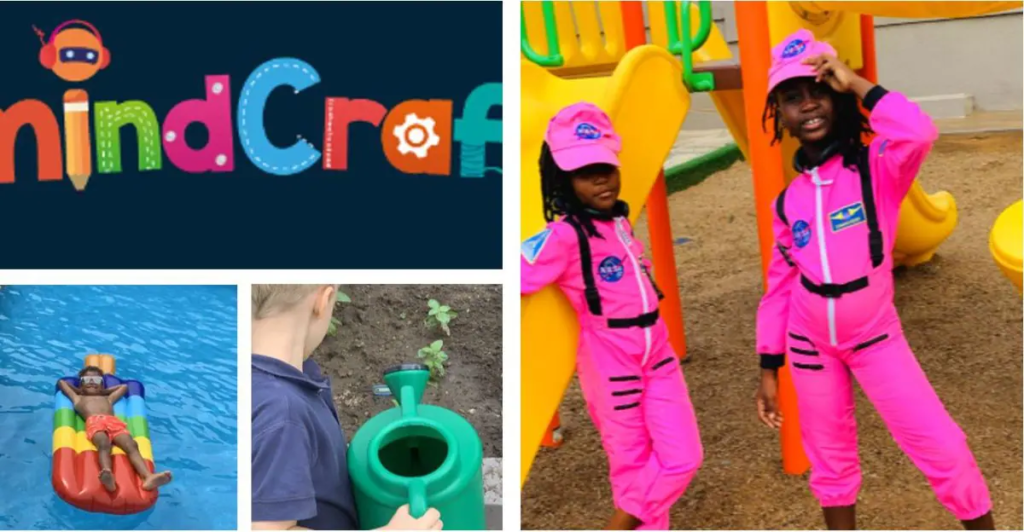
Located in East Legon and Cantonments, Mind Craft also offers parents flexibility when planning their children’s holiday schedules. Depending on availability, families can choose drop-in sessions, half-day or full-day attendance, bookings for the entire summer, or weekly packages.
Fees are charged in Ghanaian cedis, with options starting from GH₵100, making it possible for parents to consider different arrangements based on their schedules and budgets.
By combining outdoor activities, supervised play and skill-building, Mind Craft Camps presents school holidays as more than a pause from classroom learning.
They become an opportunity for children to experiment, make discoveries and develop their abilities while enjoying the freedom of play.
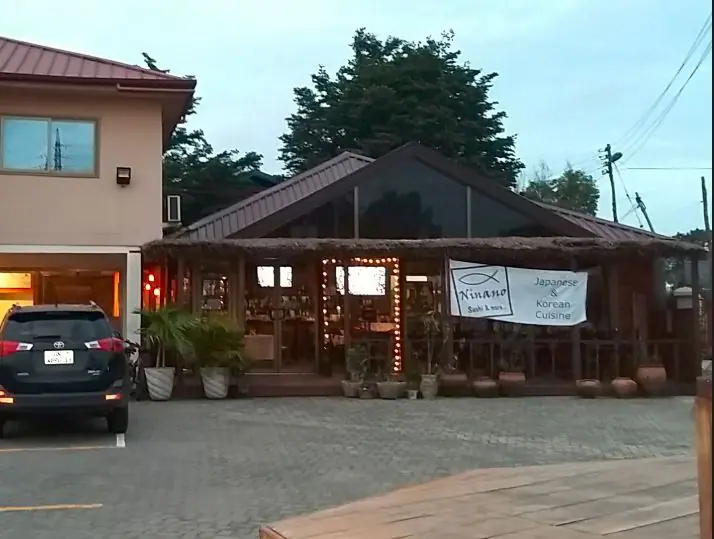
Step inside Ninano Korean and Japanese Restaurant, and the atmosphere offers a welcome escape from the familiar.
With its distinctive wooden interiors, freshly prepared sushi and traditional East Asian dishes, the restaurant brings a taste of Japan and Korea to Ghana, creating a dining experience that has attracted both international attention and expatriate diners.
For Japanese and Korean nationals living and working in Ghana, Ninano offers familiar flavours far from home.
For other diners, it presents an opportunity to explore two celebrated Asian culinary traditions under one roof.
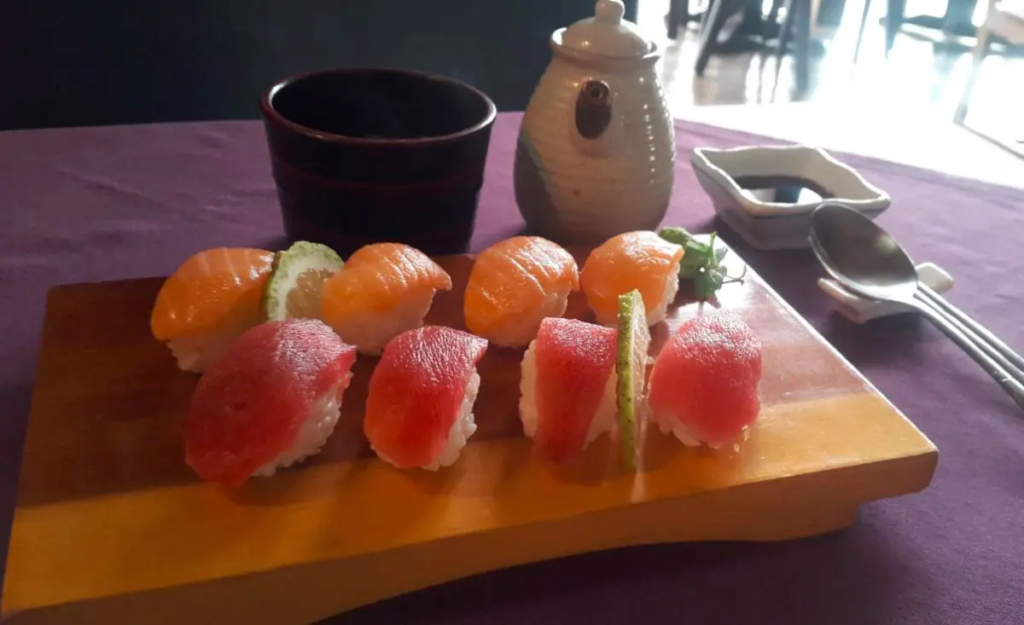
Japanese cuisine takes centre stage through freshly prepared sushi and udon noodles. Thick and satisfying, udon is a Japanese wheat-flour noodle commonly served in a hot broth, offering a comforting alternative to lighter dishes.
Sushi, meanwhile, provides a fresh, carefully prepared option that has helped the restaurant gain recognition beyond Ghana, including a feature on Japanese television.
Korean food brings a different character to the menu. Bulgogi, a popular Korean dish whose name translates roughly to “fire meat”, features thin slices of beef or pork marinated before being grilled.
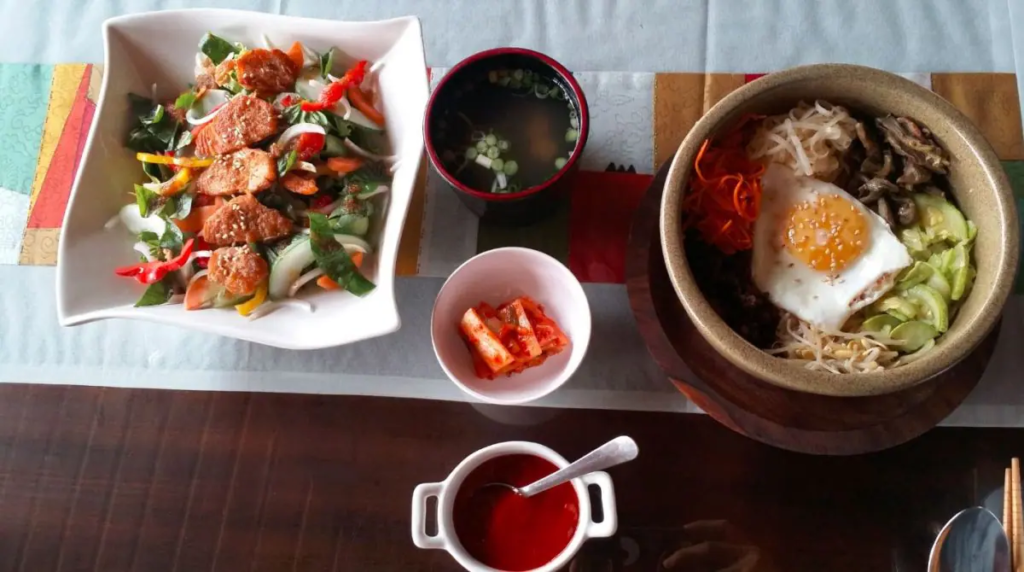
Its savoury, richly seasoned flavour makes it a natural companion to the restaurant’s Japanese offerings.
Yet Ninano’s appeal extends beyond the food. Live music adds to the atmosphere, while large-screen televisions occasionally show live sports and other events.
The bar serves cocktails, wines, soft drinks and Japanese and Korean favourites, giving guests another reason to linger after their meal.
Service and ambience also contribute to the experience. Previous diners have praised the speedy service and quality of the food, describing the restaurant’s wooden setting as an environment that can momentarily make them feel as though they have travelled beyond Ghana’s borders.
Ultimately, Ninano offers more than a menu of Asian specialities. It provides a meeting point for familiar tastes and new discoveries, making it a distinctive destination for sushi lovers, Korean food enthusiasts and anyone seeking an East Asian dining experience in Ghana.

-
 Sights and Sounds1 day ago
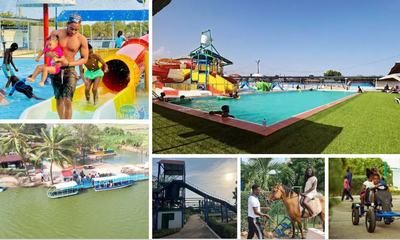
Planning a Family Day Out in Accra? Lakeside Marina Park Offers Fun for All Ages
-
 Arts and GH Heritage7 hours ago
Beyond the Gallery: Karp Kamina Turns Cultural Memory into Contemporary Art
-

 Festivals & Events1 day ago
Ahukan Festival: Honouring Chiefs and Celebrating Akyem Heritage in Kibi
-

 Fashion & Style12 hours ago
Malian Businesswoman’s Reported $1.5 Million Gold Jewellery Stuns Wedding Guests
-
 Global Update5 hours ago
Huge Storm Kills Two in the UK as 90,000 Properties Left Without Power
-

 Ghana News6 hours ago
Ghana’s President Congratulates Brazil’s Lula on Historic Fourth Term, Vows to Champion Global South Agenda
-

 Health & Wellness5 hours ago
Four Weight-Loss Mistakes That Could Be Holding Back Your Progress
-

 Ghana News5 hours ago
Can Ghana Kill the Dollar ‘Wahala’? TOR’s Cedi-for-Crude Gamble Explained