
Sights and Sounds
Kotoka International Airport: The War Runway That Became West Africa’s Gateway
If you’ve ever arrived at Kotoka International Airport, you know the drill. You’re tired, you’re hot, and you just want to get outside and smell the Accra air.

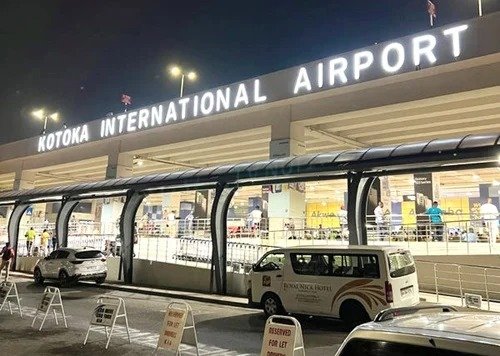
The immigration line is long. Your luggage may or may not have made it. And somewhere behind the glass, someone is stamping passports with a pace that suggests they have all the time in the world. If you’ve ever arrived at Kotoka International Airport, you know the drill. You’re tired, you’re hot, and you just want to get outside and smell the Accra air.
But here’s something to think about while you wait.
The ground beneath your feet wasn’t always polished terminal floors and duty-free shops. Back in the 1940s, this was a military operation. British forces needed a strategic position during World War II, and Accra’s location made perfect sense. So they built an airfield. Not for tourists or business travelers. For warplanes.
Fast forward to the 1950s. The war ends, the world changes, and air travel starts becoming a thing. That military runway slowly transforms. By 1956, just before Ghana gained independence, the airport underwent a serious upgrade and a name change: Accra International Airport. Suddenly, Ghana isn’t just watching the world from afar. It’s connected to it.
Then comes 1969. The airport gets renamed again, this time to honour Lieutenant General Emmanuel Kotoka, a figure from Ghana’s early political years. His story has layers, like most history does, but the name stuck. And so did the airport’s importance.
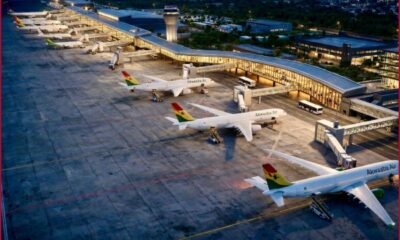
Today, Kotoka moves millions of people. Families returning for Christmas. Business travelers chasing opportunities. Strangers are coming to see what this country is about. The military runway is long gone, buried under decades of expansion and development. But it’s still there underneath, part of the foundation.
Read Also: Cantonments: Why Accra’s Posh Neighbourhood Still Carries a Soldier’s Name
So next time you’re waiting at baggage claim or sitting in departure lounge traffic, remember this. You’re not just passing through another airport. You’re standing where warplanes once parked. You’re walking through a piece of the story.
Welcome back. Or welcome for the first time. Either way, the ground you’re on has seen things.









A great afternoon in Accra doesn’t always require a long drive or an expensive getaway.
Sometimes, it is hidden just off one of the city’s busiest roads, where the soundtrack shifts from traffic to music and the biggest decision is whether to dive into the pool or order a cold drink first.
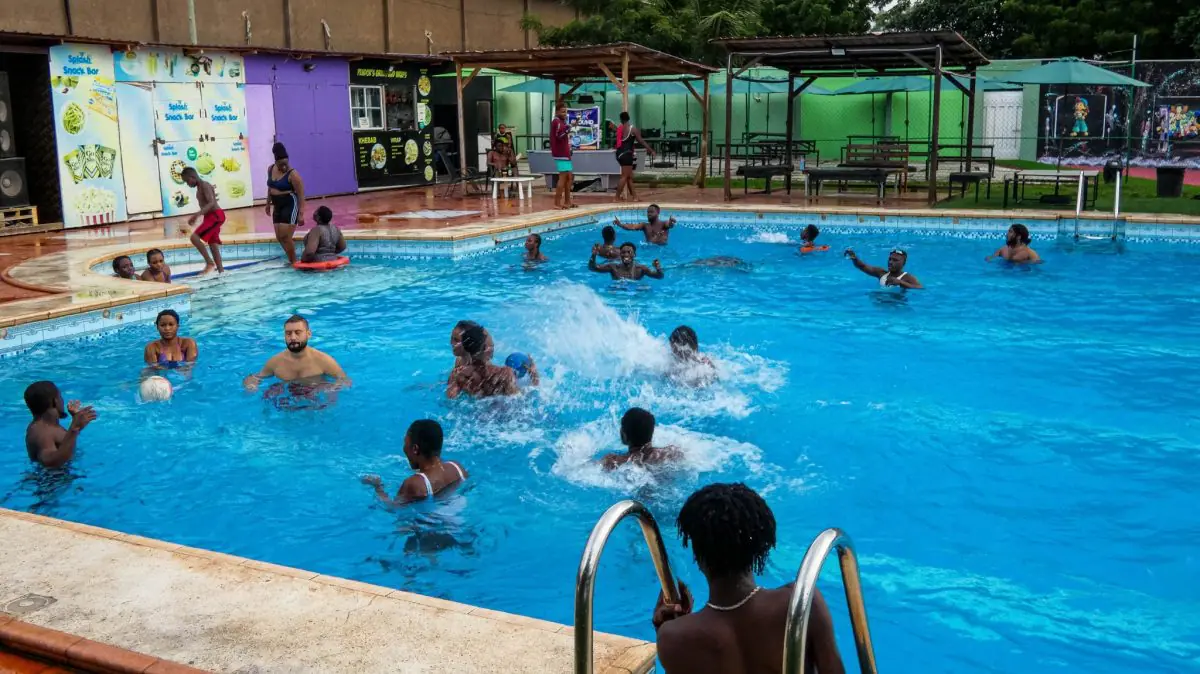
Tucked off Nii Martey Tsufu Street, which runs parallel to Spintex Road, Splash Social Center has carved out a reputation as a relaxed meeting spot where families, friends and weekend visitors can cool off without leaving the city.
The centre’s biggest draw is its spacious, well-maintained swimming pool, large enough to comfortably accommodate around 30 swimmers.
Nearby, a dedicated children’s pool gives younger visitors a safer place to splash about while trained lifeguards keep watch, making it a practical choice for family outings.
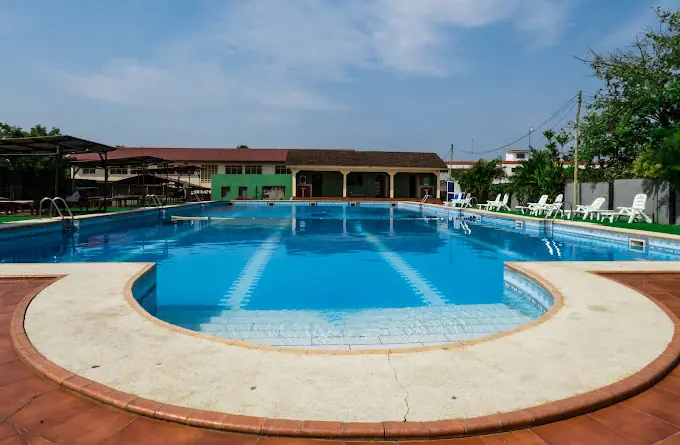
The experience extends well beyond the water. An on-site restaurant and bar serve refreshments throughout the day, while a resident DJ keeps the atmosphere lively with music that encourages guests to linger a little longer.
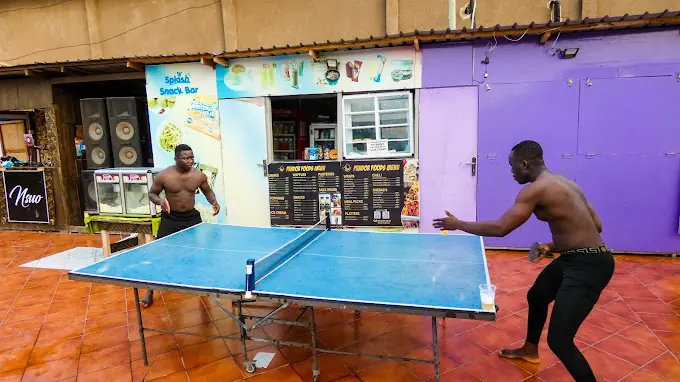
As daylight fades, the venue takes on a different energy, hosting evening events that transform the space into a social hub for Accra’s nightlife crowd.
For visitors planning a trip, entry is refreshingly straightforward. A GHS 50 admission fee includes access to the swimming pools and changing room facilities, allowing guests to settle in for an afternoon of swimming, dining and unwinding.
In a city known for its energetic pace, Splash Social Center offers something refreshingly simple: a clean, welcoming place where cooling off and catching up with friends go hand in hand.
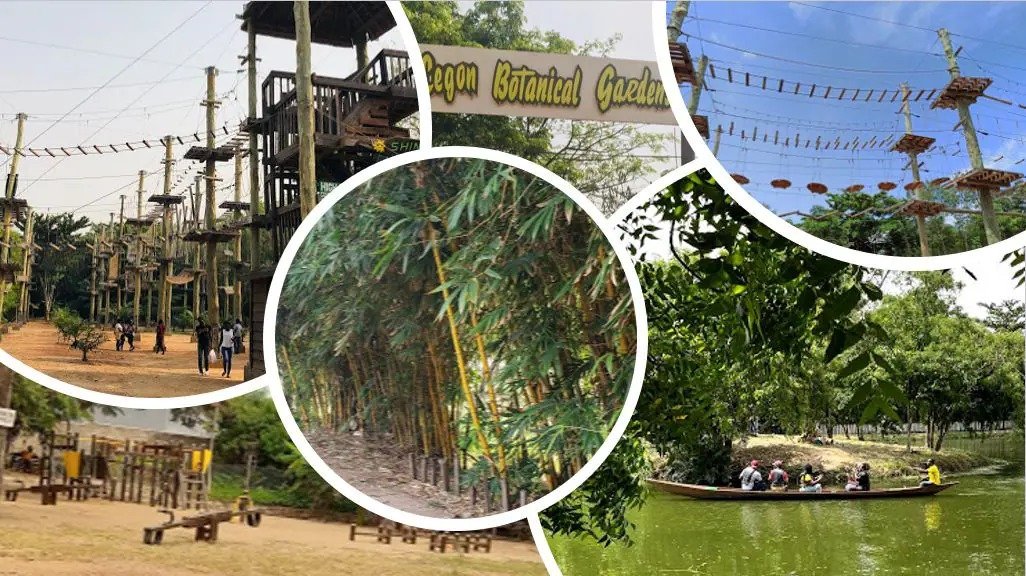
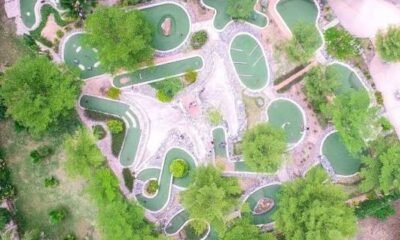
A few minutes can make all the difference in Accra. One moment you’re surrounded by busy roads and constant movement; the next, you’re gliding across a lake, cycling beneath tall trees, or stepping onto a canopy walk high above the ground.
That contrast is what makes Legon Botanical Gardens one of the city’s most rewarding outdoor escapes.
Located beside the University of Ghana in Legon, the gardens have evolved into more than a traditional botanical park.
They offer a rare combination of adventure and quiet reflection, making the space appealing to families, couples, solo travellers and groups of friends looking to experience a different side of Ghana’s capital.
Visitors who enjoy active days can rent bicycles and explore the network of cycling trails that wind through the grounds.
The adventure continues with rope courses and the popular canopy walk, where elevated pathways provide a fresh perspective of the gardens’ lush surroundings.
Those seeking a slower pace will find plenty to enjoy as well. The lake creates a peaceful setting for canoeing or a relaxing fishing session, offering a welcome break from the city’s fast rhythm.
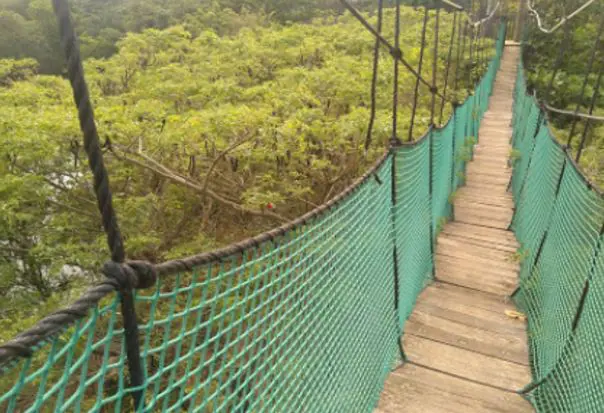
It’s this balance of excitement and calm that gives the gardens their broad appeal, allowing visitors of different ages and interests to share the same space without feeling rushed.
With entry fees starting from GHS 15—while activities are priced separately—the gardens offer an accessible day out for many visitors.
For travellers eager to explore even more of Ghana’s green spaces, the Aburi Botanical Gardens, about an hour’s drive from Accra, provide another scenic option.
But for those staying in the capital, Legon Botanical Gardens proves that sometimes the best getaway is closer than expected.
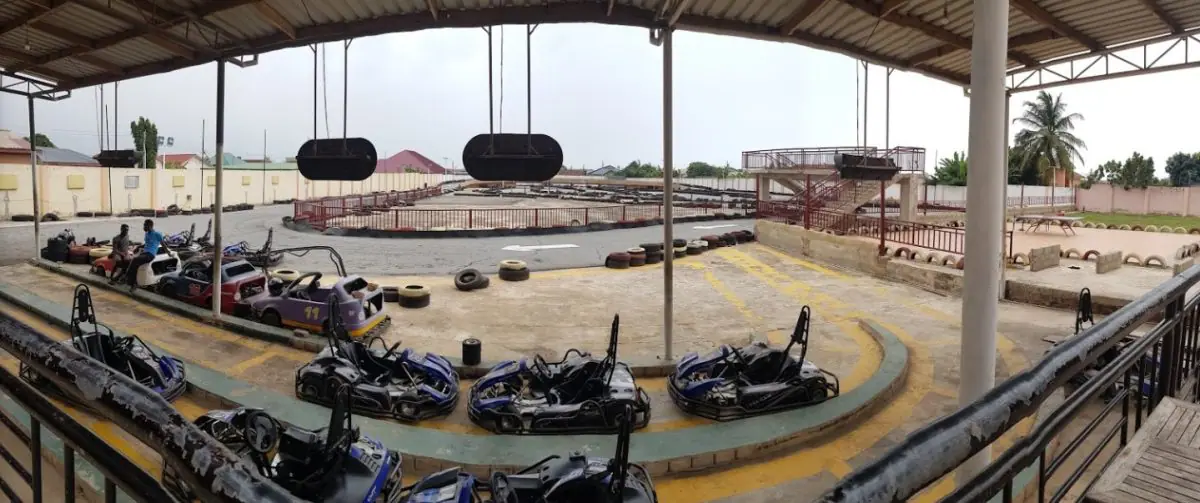
The first thing you notice at House Party Go-Karts is the sound—a burst of laughter followed by the whine of engines cutting through the afternoon air.
Tucked away in Bortianor, just off Accra’s Kokrobite Beach Road, this outdoor entertainment hub has become the kind of place where a friendly race can quickly turn into an unforgettable day out.

For visitors exploring Ghana beyond the city’s museums and markets, House Party Go-Karts offers a different side of Accra: one built around recreation, music, and shared experiences.
The venue gained an extra dose of pop-culture appeal after appearing in Kuami Eugene’s hit “Angela” music video, giving fans another reason to recognise its colourful setting.
The main attraction is the outdoor go-kart track, designed for everyone from first-time drivers to competitive racers eager to shave seconds off their lap times.
The experience is fast-paced without feeling intimidating, making it a popular choice for families, couples, and groups of friends.
Away from the track, the entertainment continues. An indoor arcade blends classic and modern games, while the on-site restaurant offers a relaxed space to recharge with local and international dishes after the adrenaline rush.
Open daily from 12:00 p.m. to 10:00 p.m., the venue is well positioned for an afternoon adventure that can stretch into the evening.
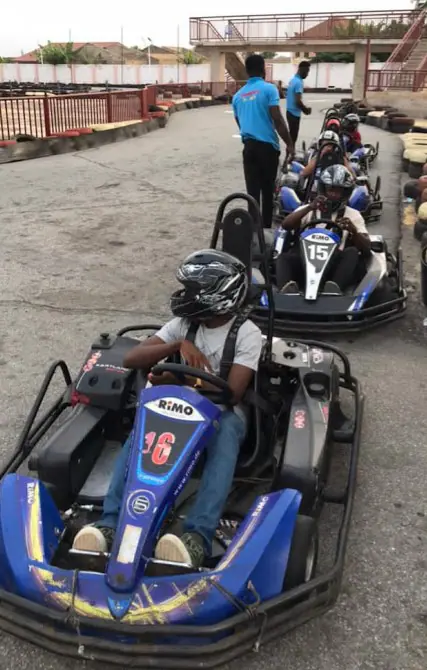
Better still, its location near Bojo Beach makes it easy to combine a seaside escape with a few laps around the circuit.
With weekday sessions starting at GH¢80 and weekend sessions at GH¢100, House Party Go-Karts proves that some of Accra’s best memories are made not by standing still, but by chasing the next corner.


The Guns Turned Inward: Niger’s Mutiny and Russia’s Fragile Bargain in the Sahel | By Joseph McCarthy

Game-Changing Move: Ghana Sets Up New Fiscal Council to Scrutinize Government Spending and Win Back Investors

Ghana’s Persistence Pays Off: AU Formally Commits to Tabling Xenophobia Petition in January 2027
-

 Ghana News2 days ago
Top Headlines From Ghanaian Newspapers: Tuesday, Sept. 8, 2026
-

 Ghana News1 day ago
How Ghana’s Government Pressured MTN, Telecel, and AirtelTigo to Cut Data Prices
-
 Arts and GH Heritage2 days ago
The Stories We Live With: Inside Nubuke Foundation’s Weight of the Ordinary
-

 Ghana News1 day ago
Buckingham Palace Responds to Jamaica’s $10 Billion Reparations Demand, But the UK Government’s Wallet Remains Shut
-
 Ghana News13 hours ago
Ghana’s Persistence Pays Off: AU Formally Commits to Tabling Xenophobia Petition in January 2027
-

 Africa Watch2 days ago
British-Nigerian Influencer Dies After Penis Enlargement Procedure in Thailand
-

 Ghana News14 hours ago
Top Headlines From Ghanaian Newspapers: Wednesday, Sept. 9, 2026
-
 Ghana News13 hours ago
Game-Changing Move: Ghana Sets Up New Fiscal Council to Scrutinize Government Spending and Win Back Investors