
Sights and Sounds
Beyond the Summit: What They Don‘t Tell You About Climbing Ghana’s Mountain Afadjato

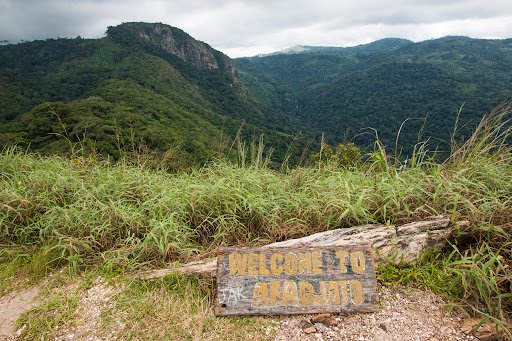
At 885 meters above sea level, Mountain Afadjato isn’t trying to compete with the giants of the world. It doesn’t have snowcaps or death-defying cliffs. But for those who make the pilgrimage to the Volta Region, this lush, green behemoth offers something better than altitude—it offers a story.
Standing on the border of Ghana and Togo, Afadjato (often called Mount Afadja) is officially the highest point in Ghana. But the locals in the surrounding villages of Liati Wote and Gbledi won’t just rattle off statistics; they’ll tell you the meaning behind the name.
Derived from the Ewe word Avadzeto, it translates loosely to “at war with the bush”. According to lore, an irritating plant grew on its slopes that gave early settlers and hunters a tough time. That stubbornness is embedded in the mountain’s DNA.
As you climb, you’ll realize that this peak isn’t just a landmark; it’s a living memory of resilience.
The Climb: A Test of Will
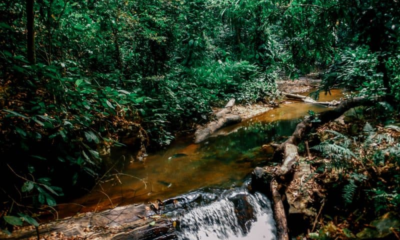
If you arrive expecting a gentle amble through the forest, think again. The path starts innocently enough, winding through farms and thickets, but soon the angle sharpens. The real Ghana—the one you don’t see from the window of a car—reveals itself in the fine details: the bright flash of a butterfly (over 800 species flutter through this region), the call of the colobus monkey hidden in the canopy, and the gradual shift in vegetation as you ascend.
@ishoot.ghana Before: ‘We got this!’ 💪🏾 After: ‘Mount Afadjato got us!’ 😅 What a climb! @escape_accragh @Scanty Explores! #MountAfadjato #GhanaTravel #VisitGhana #HikingGhana #ExploreGhana #GhanaTourism #GhanaAdventures #WestAfricaTravel #HikingWithFriends #TravelVibes #BeforeAndAfter ♬ Real Thing – Kwesi Arthur
Hiking Afadjato takes about 45 minutes to an hour to reach the top if you’re in decent shape, though some energetic souls have sprinted up in under 20 minutes.
The trail is manageable for most, but there’s a moment—usually halfway up—where the humidity hits, and your legs start to burn. It’s here that the mountain lives up to its “warrior” namesake. You dig deep, you push through, and then suddenly, the trees part.
The View That Pays the Debt
At the top, the wind greets you first. Then comes the silence. Looking out over the Volta Region, you see the rolling hills of the Agumatsa range disappear into Togo.
From this vantage, the villages below look like toy models scattered on a green carpet. It’s a view that reminds you that Ghana is so much more than coastlines and castles—it’s a land of high places and wide skies.
But the summit isn’t the only reason to come here. The real magic of Afadjato lies at its base.
Why You Should Visit Now
Visiting this mountain isn’t just a physical challenge; it’s an investment in community-driven tourism. The fees paid at the tourist center in Liati Wote go directly back into local projects and conservation efforts—a model that keeps the trail clean and the villages prosperous.
Plus, the location is a hub for adventure. After descending (on shaky legs, mind you), you’re just a short drive from the Wli Waterfalls, the highest waterfall in West Africa, or the tranquil Tagbo Falls, perfect for cooling off.
You can also visit the Tafi Atome Monkey Sanctuary or drive up to Amedzofe, the highest habitable town in Ghana, where an iron cross planted by German missionaries in 1939 still stands rust-free atop Mount Gemi.
The Final Word
Mountain Afadjato is not about conquering. The mountain isn’t your enemy; it’s an elder. It stands there patiently, watching over the Volta Region, waiting for you to come and listen.
Whether you come for the fitness challenge, the butterflies, or just to say you stood on top of Ghana, you’ll leave with something unexpected—a quiet understanding that the highest points in life aren’t just about the view, but about the climb itself.










A child searching for their first picture book, a university student hunting for a prescribed textbook or a reader hoping to find their next favourite novel can all begin their search at the same place: EPP BookShop at Legon City Mall.
Located at 7 Lagoon Street, off Giffard Road, the Legon branch brings together books for different ages, interests and stages of learning.

Its appeal lies in the range of titles available, making it a useful stop for families preparing children for school, students pursuing higher education and readers looking beyond the classroom.
From a Small Accra Shop to a Growing Book Business
EPP Books began in 1991 as a modest bookshop in Accra, occupying a space of no more than 20 square metres.
Over the years, it grew into a chain with branches across the West African sub-region, expanding its reach beyond its original location.
That journey reflects the continuing need for accessible books in homes, schools and educational institutions.
For many learners, textbooks and supplementary readers are essential tools, while novels and self-help books offer opportunities for entertainment, personal growth and discovery.
Books for Different Stages of Life
At the Legon branch, the selection spans preschool materials, children’s readers, school curriculum books, secondary-school textbooks and university-level titles. Customers can also browse bestselling novels and books on personal development.
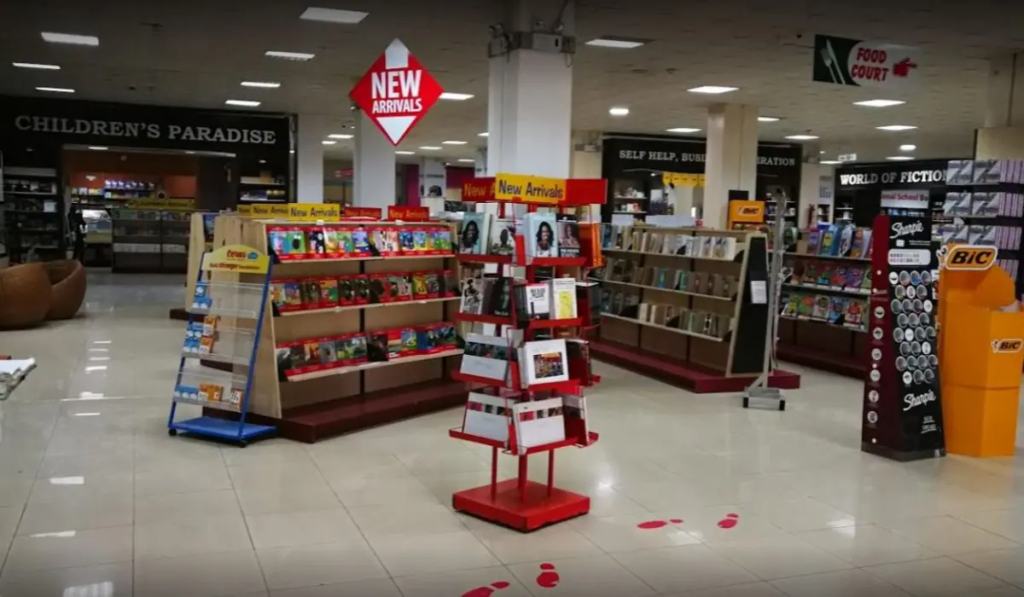
EPP BookShop serves both retail and wholesale customers, giving individual readers and organisations options for purchasing books. If a particular title is unavailable on the shelves, the shop can also arrange to order it.
For residents, students and visitors in the Legon area, the branch offers more than a place to buy reading materials. It provides a practical starting point for the search for knowledge, whether that begins with a child’s first schoolbook or a reader’s next literary adventure.

In a city where daily life can move at a relentless pace, finding a place to pause, unwind and feel refreshed can be a luxury in itself.
At Niobe Salon and Spa, located within Accra’s African Regent Hotel, beauty and relaxation come together in a contemporary setting designed to make personal care an enjoyable experience.
Niobe operates across five locations in Accra, Ghana’s bustling capital, with a philosophy built around the belief that cultivating a personal style should be rewarding, relaxing and fun. Its guiding idea, that “beauty is a feeling,” places the experience of self-care at the heart of its offering.
Facial Treatments for a Refreshed Look
At the African Regent Hotel branch, the treatment menu caters to guests seeking specialised skincare and facial care.
Options include Elemis facials, CACI lifting facials, Biotec Elemis facials, microdermabrasion and peel treatments, as well as Dr Murad facials.
These services offer visitors a range of choices, whether they are looking to refresh their complexion, explore targeted skincare treatments or set aside time for a personal wellness ritual.

The variety also makes the spa an appealing option for hotel guests and Accra residents looking to incorporate professional beauty care into their routines.
The hotel’s location adds to the appeal, offering a convenient setting for visitors who want to combine a beauty appointment with a stay or other activities in the city.
Making Time for Self-Care in Accra
Niobe Salon and Spa welcomes clients during the week and on Saturdays, with Sunday hours listed separately.
However, its published schedules contain some inconsistencies, so prospective visitors should confirm opening times before making a trip.
For travellers discovering Accra or residents seeking a dedicated beauty appointment, Niobe presents an opportunity to step away from everyday demands and make time for themselves.
At its African Regent Hotel location, the emphasis is on more than appearance: it is about making the experience of looking after oneself feel restorative, personal and rewarding.
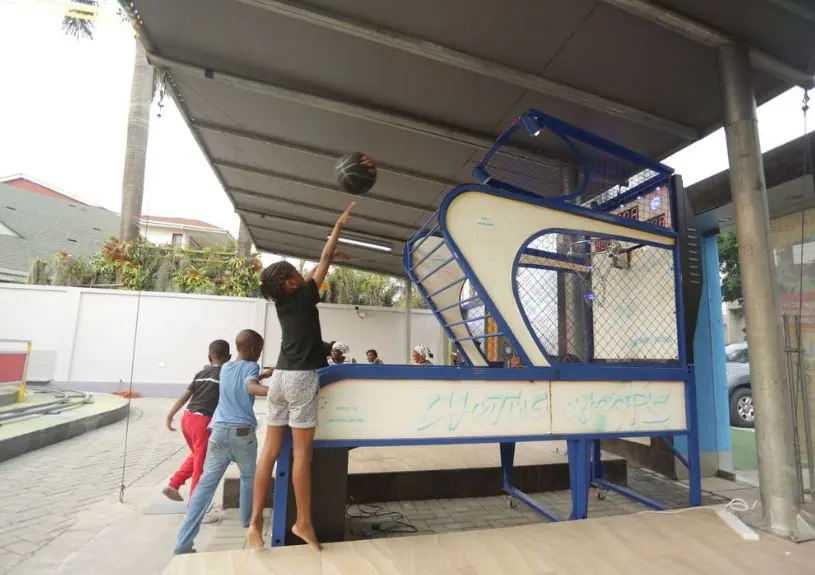
For children, a good weekend can be as simple as racing a friend, climbing onto a play structure or waiting excitedly for the next ride.
At Calabo Playground in East Legon, those small moments are at the heart of the experience.
Located on Mensah Wood Street, Calabo is a soft play and playground designed for children aged 3 to 10, giving families a dedicated space where young children can stay active, socialise and enjoy unstructured play in a secure environment.
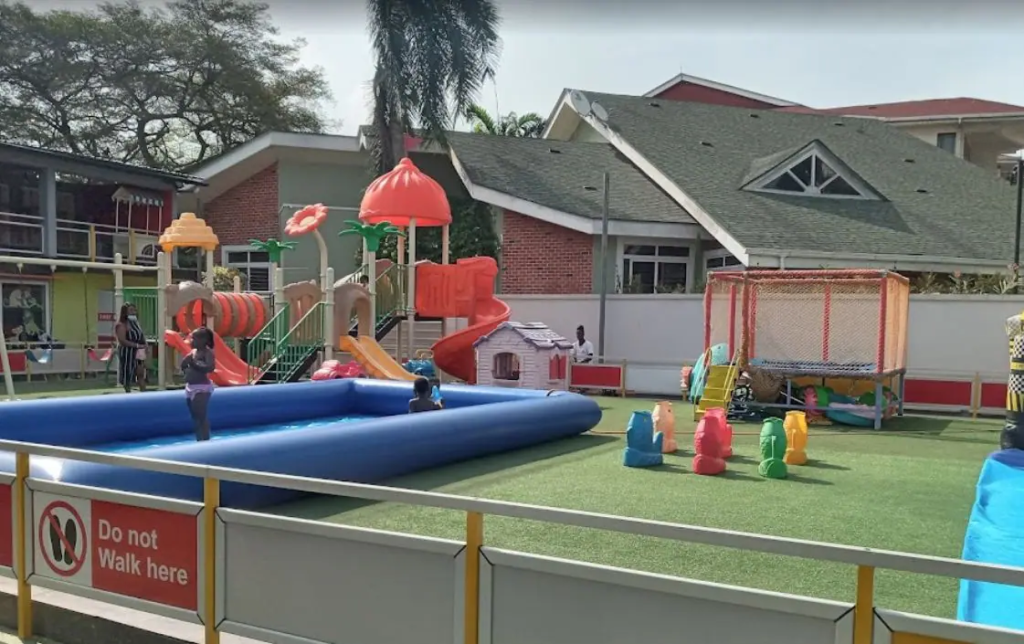
One of the attractions is the chance to climb into a canoe and race against friends—a playful competition that can quickly turn an ordinary afternoon into a hunt for bragging rights.
Children can also explore a range of indoor and outdoor equipment, with activities including a sliding pool and train rides.
The playground is particularly suited to Accra families looking for something different from spending weekends indoors. School holidays also bring an opportunity for children to spend more time playing, learning and interacting with others.
Beyond the equipment, Calabo offers a setting for children to build confidence and friendships through play. Parents can also organise parties, while homemade snacks add to the family-friendly experience.

Entry is priced from GH¢30 per hour, making it an accessible option for families seeking a few hours of entertainment without committing to a full-day outing. Calabo operates on weekends and during school holidays, so families should plan their visits around those opening periods.

For visitors to Accra travelling with young children, Calabo offers a glimpse of the city’s family leisure scene. For local parents, it is a simple invitation to let the children run, race, laugh and play.



-

 Ghana News1 day ago
OBITUARY: Gamal Gorkeh Nkrumah, Son of Ghana’s Founding President, Dies in Cairo
-

 Sights and Sounds2 days ago
EPP BookShop at Legon: A Destination for Students, Families and Book Lovers
-
 Health & Wellness1 day ago
Walking Is More Than Exercise: Small Steps That Can Transform Your Health
-

 Festivals & Events1 day ago
MaddFest 2027: Welcome the New Year with a Night of Celebration in Accra
-
 Homes & Real Estate2 days ago
Building Smarter in Ghana: Could Plastic Rebar Clips Improve Construction Efficiency?
-
 Arts and GH Heritage1 day ago
Inside Togo’s Abandoned Colonial Building, African Artists Reclaim Cultural Memory
-

 Global Update1 day ago
Wave of Student Killings at Mexico Universities Raises Safety Concerns
-

 Ghana News1 day ago
Mahama to Churches: The Real Sermon Is Written After the Closing Prayer