
Ghana News
Ghana and Burkina Faso Strengthen Security Ties Following Deadly Terrorist Attack on Ghanaian Traders

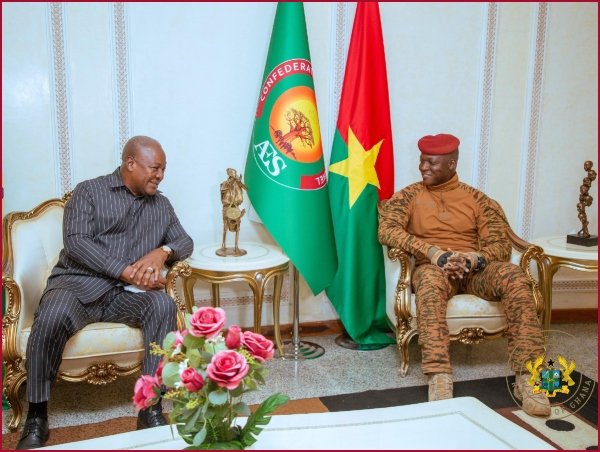
In a direct response to the recent terrorist attack that claimed the lives of eight Ghanaian tomato traders in northern Burkina Faso, the governments of Ghana and Burkina Faso have signed seven bilateral agreements and committed to a new joint security framework to combat terrorism and violent extremism across their shared border.
The agreements were finalized on February 21, 2026, at the conclusion of a reactivated Permanent Joint Commission for Cooperation (PJCC) session in Ouagadougou, Burkina Faso. Ghana’s Minister for Foreign Affairs, Samuel Okudzeto Ablakwa, led the delegation and held substantive discussions with Burkina Faso’s Prime Minister Rimtalba Jean Emmanuel Ouédraogo and Foreign Minister Karamoko Jean-Marie Traoré.
The February 14, 2026, attack in the town of Titao—claimed by the al-Qaida-linked Jama’at Nusrat al-Islam wal-Muslimin (JNIM)—targeted civilians, including a truck carrying 18 Ghanaian traders from the Ghana National Tomato Traders and Transporters Association.
The militants reportedly separated men from women before opening fire, killing male traders and burning vehicles. Initial reports confirmed seven deaths, with the toll rising to eight after an injured survivor succumbed to wounds. Ghana’s government evacuated survivors, including three injured traders, for medical treatment in Accra, and temporarily suspended tomato imports from Burkina Faso amid safety concerns and rising local prices.
During the talks, both nations strongly condemned the Titao incident and other recent terror attacks in the sub-region, extending condolences to affected families. They emphasized the urgent need for enhanced collaboration against the growing threat of violent extremism spilling over from the Sahel.
Security Cooperation Takes Centre Stage
At the heart of the renewed partnership is the agreement to design and adopt a strengthened bilateral security framework specifically aimed at neutralizing terrorism and violent extremism.
This includes improved intelligence sharing, coordinated border patrols, and joint efforts to address cross-border threats posed by groups like JNIM, which have increasingly operated near the Ghana-Burkina Faso frontier.
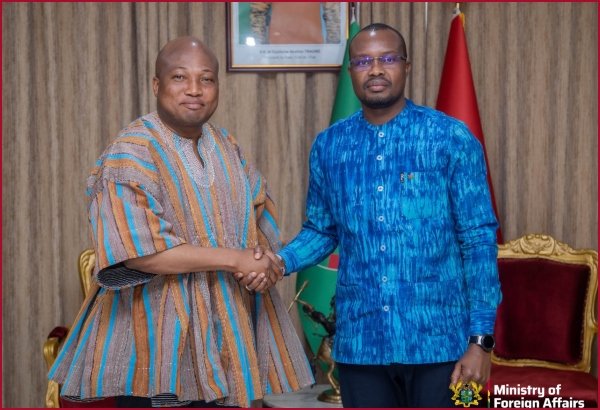
The seven signed agreements cover a broad range of mutual interests, many with direct relevance to border stability and trade protection:
- Mutual Recognition of National Driver’s Licences – easing cross-border movement for citizens.
- Transport and Road Transit – boosting trade connectivity and logistics.
- Framework Agreement on Cross-Border Cooperation.
- Memorandum of Understanding for periodic consultations between border administrative authorities – to resolve localized issues.
- Joint commission to reaffirm the shared border – promoting peaceful coexistence and clear boundary management.
- Cooperation on Prevention and Management of Disasters and Humanitarian Crises – including better coordination on issues like Bagré Dam spillage flooding in northern Ghana.
- Combating Illicit Cultivation, Production, Manufacture, and Trafficking of Narcotic Drugs and Psychotropic Substances.
The reactivation of the PJCC—dormant for six years—follows high-level engagements between President John Dramani Mahama of Ghana and Burkina Faso’s President Captain Ibrahim Traoré in early 2025, signaling strong political commitment to bilateral ties.
Ghana and Burkina Faso share over 500 kilometers of border, deep historical links, and significant economic interdependence through cross-border trade and communities. However, escalating insecurity in the Sahel, including recurring jihadist incursions, and humanitarian challenges from natural disasters have heightened the need for closer coordination.
Minister Ablakwa described the visit as “fruitful and forward-looking,” thanking Burkina Faso for its hospitality and reaffirming Ghana’s dedication to peace, stability, and shared prosperity. The new security-focused initiatives are expected to enhance protection for citizens, safeguard vital trade routes, and help prevent future tragedies like the Titao attack.





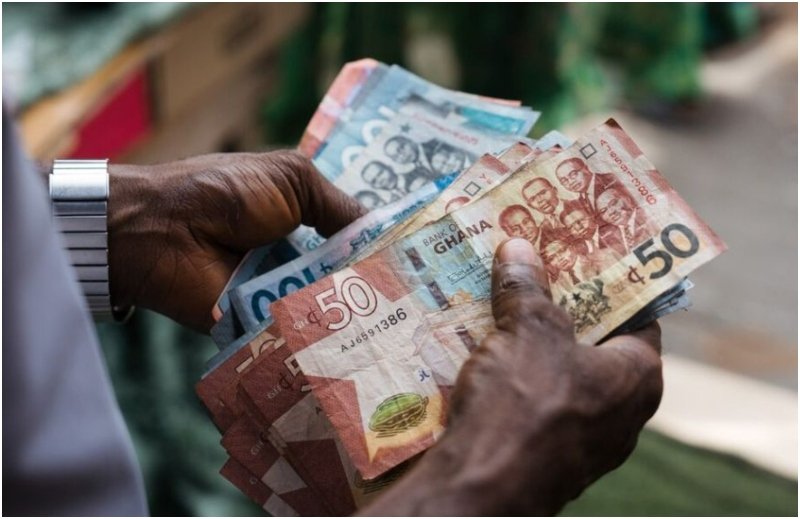
A practical guide for Ghanaian importers using the new cedi-to-yuan payment route
Ghanaian importers have long faced a frustrating ritual: before paying a supplier in China, you first had to buy US dollars, route the payment through American correspondent banks, and absorb the extra fees and processing delays that came with it.
That is now changing. Ghana has introduced a direct cedi-to-yuan payment system, piloted by Stanbic Bank Ghana and announced by Bank of Ghana Governor Dr. Johnson Pandit Asiama at the 132nd Monetary Policy Committee briefing. Here is how to use it.
What You Need to Know First
What it is: A direct payment route that lets you pay Chinese suppliers from your local cedi bank account, with the supplier receiving Chinese yuan.
What it is not: A replacement for the US dollar. The dollar route, SWIFT, and transactions in euros and pounds remain fully operational. This is an alternative pathway.
Who is piloting it: Stanbic Bank Ghana. GCB is also developing a similar service.
Why it matters: China accounted for over 22% of Ghana’s imports in 2024, covering machinery, electronics, textiles, and raw industrial materials.
Step-by-Step: How to Make a Direct Cedi-to-Yuan Payment
Step 1: Confirm Your Supplier Accepts Yuan
Before anything else, check with your Chinese supplier that they are willing to receive payment in Chinese yuan rather than US dollars. Not all suppliers will be set up for this, so confirm early.
Step 2: Open or Use a Stanbic Bank Ghana Account
The pilot is running through Stanbic Bank Ghana. If you are not already a customer, you will need an account with them to access the service during this pilot phase.
Step 3: Prepare Complete Documentation
Eligible payments require complete documents. Gather your import documentation — invoices, trade agreements, and any supporting paperwork your bank requires — before submitting.
Step 4: Submit Your Payment by 2:00 p.m. GMT
This is the critical deadline. If a business submits an eligible payment with complete documents by 2:00 p.m. GMT, it can be settled by the next business day. Miss the cutoff, and your payment moves to the following cycle.
Step 5: Let the Bank Route It Through CIPS
Instead of routing money through American correspondent banks in US dollars, the transaction goes through China’s Cross-Border Interbank Payment System (CIPS). Your supplier receives the payment in yuan.
What You Save
- No double currency conversion — you pay in cedis, your supplier receives yuan
- Lower transaction fees — no middlemen taking a cut
- Faster settlement — next business day if you meet the 2:00 p.m. GMT deadline
- No dollar hunt — you no longer need to source US dollars just to pay a Chinese supplier
As Stanbic Bank Ghana CEO Mwamina Aso Manning put it: “With CIPS, businesses can access a more direct payment route to Chinese counterparties, reducing the need for US correspondent or intermediary banks.”
What Has Not Changed
- The dollar route remains fully open
- SWIFT continues to operate as usual
- Transactions in dollars, euros, and pounds are unaffected
- You can still choose your payment pathway based on trade terms, exchange rates, and cost calculations
Quick Checklist
| Step | Action |
|---|---|
| 1 | Confirm supplier accepts yuan |
| 2 | Ensure you have a Stanbic Bank Ghana account |
| 3 | Prepare complete payment documents |
| 4 | Submit by 2:00 p.m. GMT |
| 5 | Payment settles via CIPS by next business day |
The Bigger Picture
This banking breakthrough comes alongside China’s zero-tariff access for 53 African nations with diplomatic ties to Beijing, which took effect on May 1. Together, zero-tariff market access and direct cedi-to-yuan payments create a two-way street — making it easier to import from China while opening doors for Ghanaian exporters to reach Chinese buyers.
Challenges like logistics, product standards, and competitiveness remain. But for importers tired of chasing dollars, this is a practical step toward faster, cheaper trade.
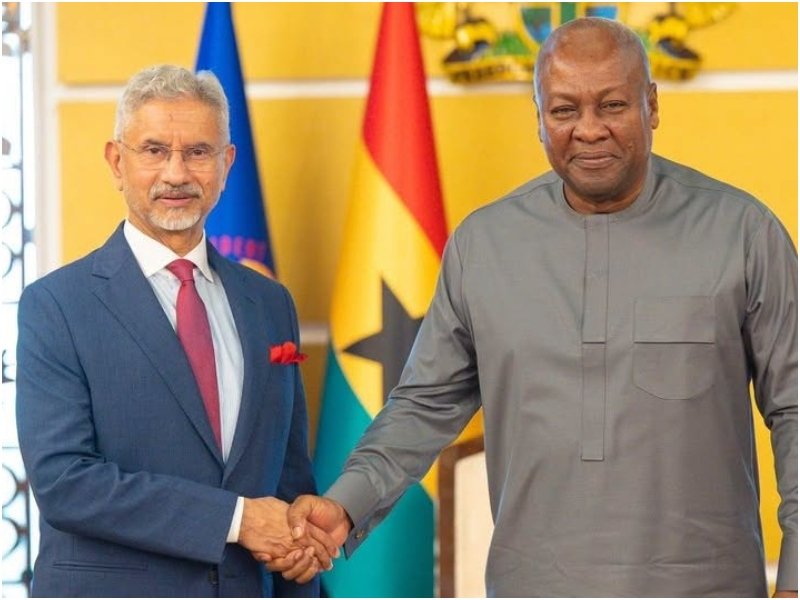
President John Dramani Mahama has declared Ghana “open for business,” inviting Indian companies to capitalize on expanding opportunities in the country’s pharmaceutical and vaccine manufacturing sectors.
Speaking during a courtesy call at the Presidency by India’s External Affairs Minister, Dr. Subrahmanyam Jaishankar, Mahama pledged continued policy reforms under the government’s #ResettingGhana agenda and the ‘Accra Reset’ initiative to secure health sovereignty across Africa.
‘Best Time to Invest’
The President used the meeting to pitch Ghana’s economic recovery to the visiting Indian delegation, pointing to improving macroeconomic indicators.
“Ghana’s economy is doing well. It is stable. Inflation is low, interest rates are down, and the currency is holding its own,” Mahama said. “I think that this is the best time to invest.”
To underscore this recovery, the President said Foreign Direct Investment (FDI) into Ghana rose from US$2.6 billion in 2025, with projections showing it could surpass US$3 billion in 2026.
Focus on Local Vaccine Production
Turning to healthcare, Mahama noted that Ghana’s new national pharmaceutical framework prioritizes domestic production. He cited the partnership between Atlantic Life Sciences and indigenous firm KinaPharma as a working model for indigenous vaccine capacity.
“They are part of our effort to localize vaccine production, but there is still substantial room for expansion,” the President said.
The push aligns with the government’s broader ‘Accra Reset’ initiative, which aims to reduce Africa’s reliance on imported vaccines and pharmaceuticals by building local manufacturing capacity.
Strategic Partnership
The courtesy call underscores Ghana’s efforts to deepen economic ties with India, a global leader in generic drug manufacturing and vaccine production. Indian pharmaceutical companies have increasingly looked to African markets for expansion, and Ghana’s new framework offers incentives for local production partnerships.
President Mahama’s invitation signals that his administration views Indian investment as central to its health sovereignty ambitions — and to the broader economic reset promised under his government’s reform agenda.
Ghana News
Ghana’s Cyber Security Authority Challenges FBI’s Kash Patel’s Account Of Major Scam Operation in Accra
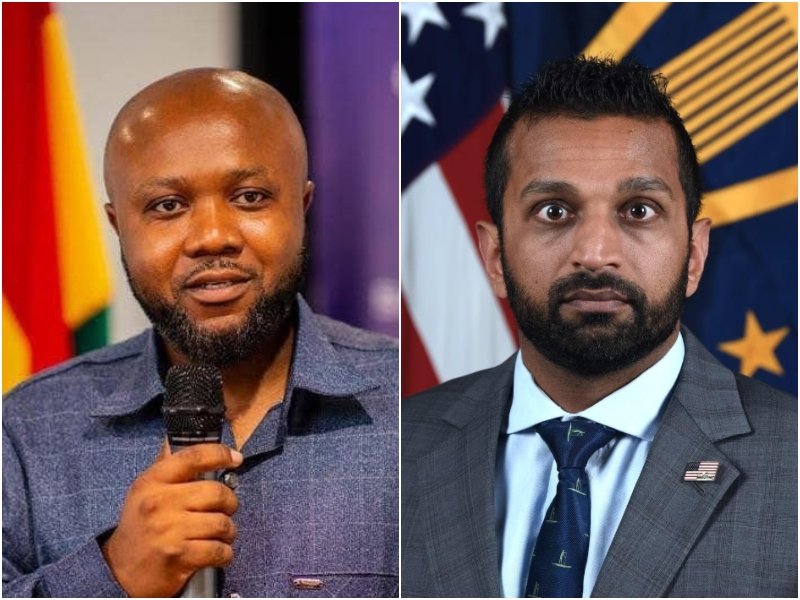
Ghana’s Cyber Security Authority (CSA) has publicly challenged FBI Director Kash Patel’s account of a major anti-cybercrime operation in the country, insisting that Ghanaian authorities led and coordinated the exercise, not the U.S. Bureau.
The operation, known variously as “Operation Cyber Hunt” or “Operation Blackout,” targeted suspected cybercrime networks operating in Ghana. According to the CSA, it was planned and executed under Ghana’s legal and institutional frameworks, with support from international partners including the FBI and the United Kingdom’s National Crime Agency (NCA).
Dispute Over Credit
The dispute erupted after Patel posted on X on October 8, 2026, framing the operation as part of the FBI’s global campaign against scam centres.
“OPERATION BLACKOUT: this FBI’s global scam center fraud demolition. Another takedown this week out of Ghana,” Patel wrote.
The FBI director claimed the operation had identified nearly US$10 million in losses involving 89 victims, with more than 130 people arrested or detained and over 300 electronic devices seized.
In a press release issued the same day, the CSA rejected any suggestion that the operation was independently planned or led by the FBI.
“Ghanaian authorities planned, coordinated and executed the operation within Ghana’s legal and institutional frameworks, and it thus cannot be said to be conceived as part of an FBI-led global programme, neither was it conducted under a foreign operational command,” the statement said.
Ghanaian Authorities Assert Sovereignty
The CSA stressed that the public account should reflect the roles played by Ghanaian institutions and other international partners. It also issued a pointed reminder to foreign law enforcement agencies: they cannot independently exercise police powers or make arrests in Ghana. Their involvement, the Authority said, must be based on lawful cooperation and the authorisation and participation of relevant Ghanaian authorities.
Despite its concerns, the CSA acknowledged the intelligence support provided by the FBI and the NCA, describing their contributions as important to the fight against international cybercrime. The Authority called on the FBI to clarify its public account and recognise the roles of Ghanaian agencies and other international partners.
Inside the Operation
According to the CSA, Operation Cyber Hunt uncovered suspected cybercrime centres at multiple locations in the Greater Accra Region. The operation led to the arrest of eight suspects and the rescue of 120 people suspected of being trafficked and forced into online fraud activities.
The exercise followed intelligence received on August 26, 2026, indicating that apartments at Ubuntu Haven Estate in Kpone Katamanso, Franko Estate in Ga North, and other locations in Ga West were being used as bases for organised cybercrime, including romance scams.
Items seized included:
- 136 mobile phones
- 130 laptops
- Internet connection devices
- Four vehicles (one reportedly stolen from Canada)
- Other digital equipment
- Jewellery and 10 Nigerian passports
The CSA said authorities were working to return the rescued victims — most of whom were identified as Nigerians — to their home country. Investigations into the suspects and the seized devices are ongoing.
Broader Implications
The public rift highlights growing tensions over credit and sovereignty in international cybercrime operations. While cross-border cooperation remains essential, the CSA’s statement underscores a firm position: Ghana welcomes partnership, but not the appearance of foreign command on its soil.
The FBI has not yet responded to the CSA’s call for clarification.


Making Every Square Metre Count: Interior Design Tips for Ghanaian Homeowners

Poor Posture Is More Than a Bad Habit: How Four Minutes a Day Can Help

Accra’s Pool Party Brings Music, Style and Detty December Energy
-
 Ghana News2 days ago
FBI’s Kash Patel Says Ghana Scam Network Targeted 89 U.S. Victims, Stole Nearly $10 Million
-

 Perspectives2 days ago
Russia-Africa Summit: The Search for Resources, Influence and War Resilience
-

 Ghana News2 days ago
Dr Issaka Yakubu Akparibo: Ghanaian Doctor Becomes First African Inducted into Global Aviation and Space Medicine Academy
-

 Ghana News24 hours ago
Ghana’s Cyber Security Authority Challenges FBI’s Kash Patel’s Account Of Major Scam Operation in Accra
-
 Ghana News23 hours ago
How to Pay Chinese Suppliers Directly From Your Ghanaian Cedi Account
-

 Reels & Social Media Highlights2 days ago
Nana Akua Addo, Dumelo, and KFC: What Ghana Was Actually Talking About on Social Media
-
 Ghana News23 hours ago
“Ghana Open for Business”: President Mahama Courts Indian Pharma and Vaccine Investors
-

 Health & Wellness2 days ago
More Reps, Better Tempo, Harder Moves: How to Keep Building Strength