
Festivals & Events
The Turnup at Enzo: A Friday Night of Music and Good Vibes in Accra

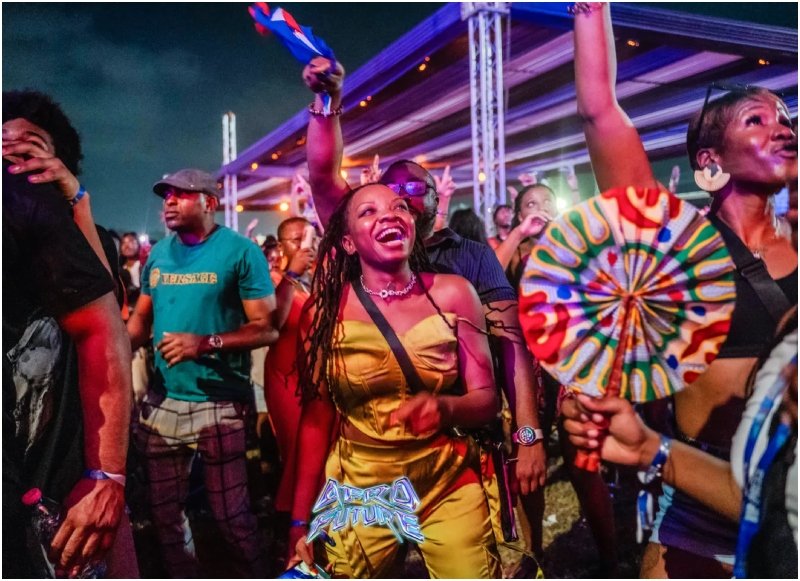
When Friday night arrives in Accra, the city comes alive with music, conversation and the irresistible pull of a good night out.
On November 13, 2026, The Turnup at Enzo invites partygoers to gather for an evening of entertainment, social connection and lively nightlife at Enzo Accra on Boundary Road.
Organised by AFROWAVE 2019, an event organiser with 32 events and more than 1,600 total attendees listed on Eventbrite, the gathering promises an in-person experience built around music, fun and good company.
Scheduled for 8 pm to 11:30 pm, the three-and-a-half-hour event offers an opportunity to enjoy Accra after dark.
While the event details do not specify particular performers, musical genres or food offerings, its central appeal is familiar to anyone who has experienced Ghanaian social life: the pleasure of meeting friends, discovering new faces and sharing music in a relaxed setting.
Accra’s nightlife forms an important part of its contemporary cultural identity, bringing together residents, returning members of the diaspora and international visitors.

From Afrobeats and highlife nights to modern DJ-led parties, music provides a common language across generations and backgrounds.
The Turnup at Enzo offers visitors an opportunity to experience this social side of the capital.
For tourists, it could be a chance to connect with Accra beyond its historic landmarks, markets and beaches. For locals, it offers another reason to step away from the week’s routines and enjoy an evening with friends.
With Enzo Accra providing the setting, the focus is on showing up, enjoying the atmosphere and making memories through shared experiences.
If you’re planning a Friday night in Ghana’s capital, The Turnup at Enzo is worth considering. Gather your friends, bring your energy and make room for an evening of music, connection and Accra nightlife.






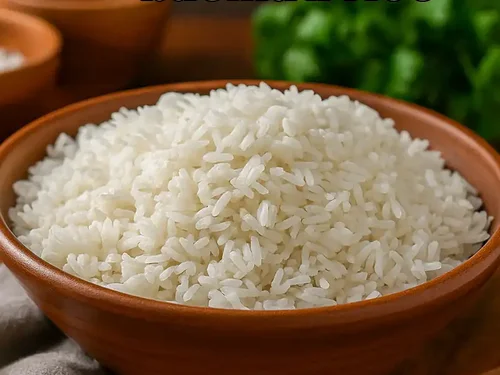
The steady beat of drums fills the air as singing voices rise and dancers bring the streets of Vane to life. In this town in Ghana’s Volta Region, November brings more than the promise of a successful harvest.
It ushers in the Amu Brown Rice Festival, a celebration that connects the rewards of the land with memories of a historic victory that secured the community’s present homeland.
At the heart of the festival is rice, a crop that represents both agricultural achievement and the value of collective effort. As families and community members gather to mark the harvest, the occasion becomes an opportunity to celebrate the work of farmers and recognise the importance of food production to local life.
Yet the festival’s significance reaches beyond the fields. Its commemoration of a victory associated with securing the community’s homeland gives the celebration a deeper historical meaning. It recalls the struggles and determination behind the community’s settlement, connecting present generations with the experiences that shaped their identity.
The festivities feature drumming, dancing and singing, bringing traditional expression to the centre of community life.
A durbar of chiefs provides an important gathering point, bringing traditional leadership into the celebration and reinforcing the relationship between heritage, authority and communal belonging.
For younger generations, the festival offers an opportunity to encounter local history through shared participation rather than words alone.
For visitors, it provides a glimpse of how agricultural seasons, historical memory and traditional leadership continue to shape cultural life in Ghana.
As communities navigate social change, celebrations such as Amu Brown Rice help preserve inherited customs while creating space for people to gather, reconnect and pass their stories forward.
For anyone exploring Ghana beyond its familiar tourist attractions, a November visit to Vane offers a chance to experience a living tradition in which the harvest is not simply food, but a reminder of history, resilience and belonging.
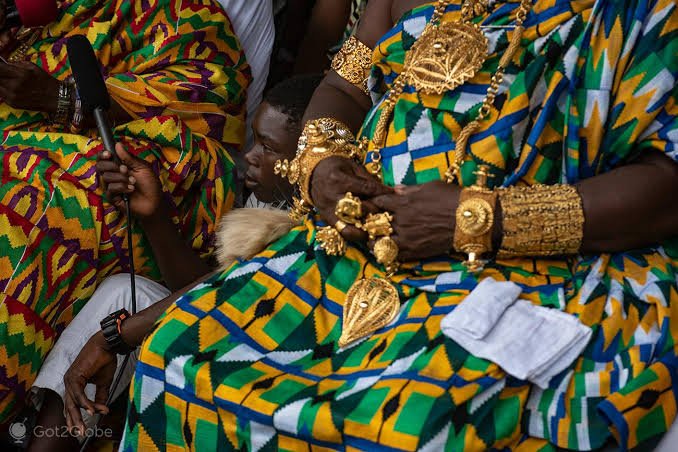
As November arrives in Awuah Domase, near Sunyani in Ghana’s Bono area, attention turns to a story of courage, loyalty and resistance.
The Sasabobirim Festival commemorates a local chief who joined Yaa Asantewaa in the struggle against British colonial rule, keeping alive the memory of people who risked their lives in defence of their land and political independence.
At the heart of the festival is a chapter of Ghanaian history that reaches beyond one community. Yaa Asantewaa, the celebrated queen mother of Ejisu in the Asante Kingdom, became a powerful symbol of resistance during the War of the Golden Stool in 1900.
She rallied Asante forces against British attempts to assert control over the kingdom, particularly over the sacred Golden Stool, a symbol of Asante unity and authority.
The chief remembered through Sasabobirim is honoured for joining that struggle, connecting Awuah Domase to a defining episode in the country’s resistance to colonial domination.
The festival provides an occasion for remembrance and communal gathering. Traditional ceremonies and tributes offer opportunities to honour the chief’s courage, reflect on the sacrifices of earlier generations and pass historical knowledge to younger people.
As residents and families come together, the celebration reinforces a shared sense of identity and belonging.
Beyond its historical significance, Sasabobirim speaks to questions that remain relevant today: what does it mean to defend one’s community, preserve cultural identity and stand firm in the face of outside pressure?
Remembering those who resisted colonial rule gives these questions a local and human dimension.
For visitors exploring Ghana’s heritage, Sasabobirim offers a reason to look beyond familiar historical landmarks.
A November visit to Awuah Domase can open a window onto a community’s enduring relationship with its past and its determination to keep that history alive.
The festival is a reminder that Ghana’s story of independence was shaped not only by famous leaders, but also by local figures whose courage deserves to be remembered.

In August, Dixcove, a historic coastal town near Busua in Ghana’s Western Region, takes on a special character as the Apatwa Festival brings people together for weeks of ceremonies, tributes, communal service and celebration.
Across the town, the season offers an opportunity to reconnect with shared traditions, honour community ties and celebrate the cultural identity that binds generations.
Unlike festivals concentrated into a single weekend, Apatwa unfolds over much of August, giving its celebrations room to develop through a series of gatherings and activities.
The atmosphere blends solemn moments of reflection with the warmth of reunions and the pleasure of communal merrymaking.
At the heart of the festival are ceremonies and tributes that provide space for collective remembrance and recognition.
Such occasions allow communities to acknowledge their heritage, reflect on the values passed down by earlier generations and renew their commitment to preserving local traditions.
Community service adds another important dimension, turning celebration into an opportunity to contribute to the well-being of the town.
For families and residents living elsewhere, Apatwa also offers a reason to return home, reconnect with relatives and strengthen friendships.
Younger generations gain an opportunity to witness customs and community values that might otherwise become distant from everyday life.
For visitors, the festival provides a glimpse of how cultural heritage remains woven into the social fabric of coastal Ghana.
Dixcove’s setting adds to the appeal. Close to Busua’s popular beaches, the town sits within a coastal landscape shaped by generations of fishing, trade and community life.
The wider area offers visitors an opportunity to combine cultural discovery with an appreciation of Ghana’s Atlantic coastline.
Although the precise origins and individual rituals of Apatwa require further local documentation, its emphasis on ceremonies, tributes, service and merrymaking reveals the importance of collective participation in sustaining community identity.
For travellers seeking more than beaches and sightseeing, Apatwa offers a compelling reason to visit Dixcove in August. It is an invitation to encounter Ghana through the people who keep its traditions alive, discovering how a festival can honour the past while bringing a community together in the present.


Amu Brown Rice Festival: Celebrating Harvest, History and Identity in Vane

Mind Craft Camps Accra Turns School Holidays into Adventures in Creativity and Discovery

From Indian Curries to Chinese Breakfasts: Exploring Accra’s International Food Scene
-
 Festivals & Events2 days ago
A Legacy of Resistance: Discovering the Sasabobirim Festival in Awuah Domase
-
 Arts and GH Heritage1 day ago
When Art Gives a Colonial Building a New Voice
-

 Ghana News1 day ago
Moscow Backs Ghana’s BRICS Ambition, With a Caveat: ‘Substance, Not Just Signals’
-
 Taste GH2 days ago
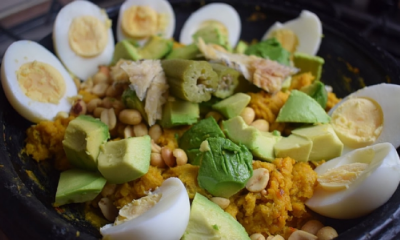
Oto: Ghana’s Comforting Yam Dish with a Taste of Tradition
-

 Reels & Social Media Highlights1 day ago
Ghana’s Social Media Erupts Over Mining Violence and Celebrity Controversy
-
 Arts and GH Heritage1 day ago
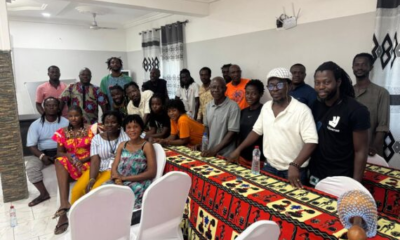
Who Owns the Right to Be Called an Artist? A Debate in Togo Challenges the Rules of Art
-
 Sights and Sounds51 minutes ago
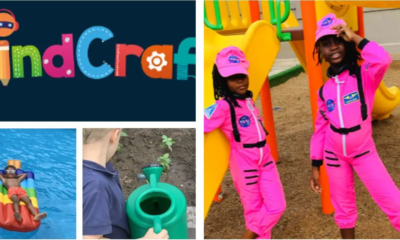
Mind Craft Camps Accra Turns School Holidays into Adventures in Creativity and Discovery
-
 Festivals & Events36 minutes ago
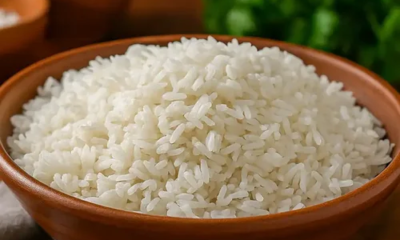
Amu Brown Rice Festival: Celebrating Harvest, History and Identity in Vane