
Health & Wellness
Four Everyday Lifestyle Habits That Can Make Weight Loss Easier

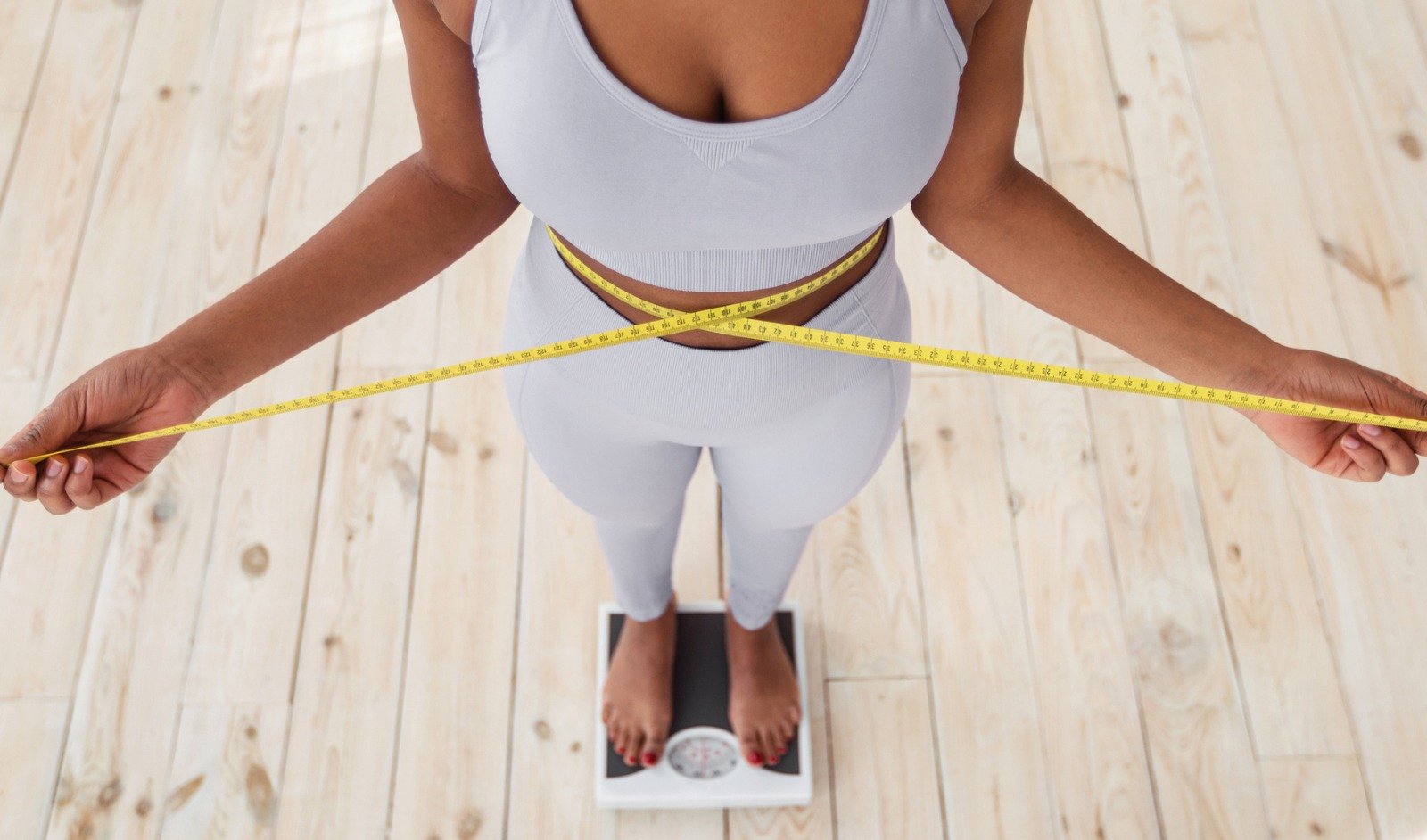
From filling your plate with nutritious foods to walking without a destination, small daily choices can help build a sustainable approach to weight management.
What if losing weight started with eating more food, not less?
It may sound surprising, but filling your plate with the right foods can make managing your weight easier. Instead of beginning with strict restrictions, a more sustainable approach focuses on everyday habits that help control hunger, manage calorie intake and keep the body moving.
Eat More Without Overloading on Calories
Volume eating is built around choosing foods that provide plenty of food for relatively few calories. Vegetables, fruits, beans and lean proteins can help make meals satisfying without pushing calorie intake too high.
For Ghanaian households, this might mean adding more kontomire, garden eggs, okra or other vegetables to meals, alongside beans, fish or lean meat. Portion sizes and cooking methods still matter, particularly when dishes contain generous amounts of oil.
Give Snacking a Second Thought
Eating between meals is not automatically unhealthy, but habitual snacking can add calories without providing much satisfaction. Establishing regular meal times and paying attention to genuine hunger may help people distinguish between needing food and simply eating out of boredom.
Intermittent fasting is optional, not essential. The aim is to develop a routine that supports adequate nutrition rather than forcing yourself to ignore hunger.
Enjoy Treats Without Losing Control
Weight management does not require abandoning favourite foods. Allowing yourself a reasonable portion of something sweet, crunchy or indulgent can make a balanced eating pattern easier to maintain. The key is enjoying it without automatically reaching for more.
Make Movement Part of Everyday Life
Walking to a nearby shop, taking the stairs or volunteering to run an errand all create opportunities to move. These activities complement planned exercise and help reduce sedentary time.
The lasting lesson is simple: sustainable weight loss is rarely built on one dramatic change. It grows from ordinary choices repeated consistently, with enough flexibility to make healthy habits part of everyday life.







What if spending just two hours a week lifting weights could do more than strengthen your muscles?
Research examining the relationship between resistance training and longevity suggests that building strength may be an important part of protecting long-term health.
The Case for Stronger Muscles
A large observational study involving approximately 147,000 participants, with a 30-year follow-up, examined how strength-training habits were associated with mortality.
Published in the British Journal of Sports Medicine, the research found that people who reported around 90 to 120 minutes of resistance training weekly experienced particularly favourable associations with longevity compared with those who did none.
The analysis reported a 13 per cent lower risk of death from all causes, a 19 per cent lower risk of cardiovascular mortality and a 27 per cent lower risk of neurological disease mortality among the relevant strength-training group.
These figures are encouraging, but they do not prove that lifting weights directly prevents death or guarantees a longer life. Observational studies identify associations, and other lifestyle factors may contribute to the results.
Making Strength Part of Everyday Life
Strength training does not have to mean lifting heavy barbells in an expensive gym. Squats, wall push-ups, resistance bands and exercises using manageable dumbbells can help build strength at home.
Carrying groceries or rising from a chair may seem ordinary, but maintaining the strength needed for such tasks becomes increasingly valuable with age.
For adults in Ghana balancing work, family responsibilities and long commutes, short, consistent sessions can be a practical starting point. Beginners should choose manageable resistance, focus on proper technique and increase difficulty gradually.
An Investment in the Years Ahead
Walking and other aerobic activities remain important for heart health, but strength training deserves a place alongside them. The goal is not simply to look stronger today; it is to preserve mobility, independence and physical capacity for the future.
Two hours a week may be a worthwhile investment in a healthier ageing journey.
Health & Wellness
Stronger for Longer: Why Women Should Make Weight Training Part of Their Fitness Routine

A treadmill session may leave you breathless, and a dance class may lift your spirits, but there is another form of exercise women should not overlook: lifting weights.
Resistance training is not just about building visible muscles. It is an investment in the strength, mobility and independence women will need as they grow older.
Building a stronger foundation before menopause
Women experience significant hormonal changes during menopause, including a decline in oestrogen, which can accelerate bone loss.
At the same time, ageing gradually reduces muscle mass and strength, a process known as sarcopenia.
Strength training helps address both concerns. By challenging muscles and placing controlled demands on bones, exercises such as squats, lunges, resistance-band movements and weight lifting can help maintain muscle strength and support bone health.
Starting earlier can be beneficial, but it is never too late to begin. For women balancing work, family responsibilities and everyday errands, stronger muscles can make climbing stairs, carrying shopping bags and getting up from a chair easier.
Beyond appearance
Resistance training also supports metabolic health and can improve mood, physical function and confidence.
For women living with polycystic ovary syndrome (PCOS), it may complement other measures that help improve insulin sensitivity, although individual results vary.
The idea that lifting weights will automatically make women excessively muscular can also discourage beginners. In reality, muscle development varies according to genetics, training, nutrition and hormones.
Start small, build steadily
Beginners can start with two strength-training sessions a week, using manageable weights and learning proper technique.
A qualified trainer can help tailor exercises to individual needs. Cardio remains valuable for heart health, so the goal is to combine both rather than abandon one for the other.
Women do not have to choose between endurance and strength. Building muscle today can help them move with greater confidence tomorrow.
From coffee to kiwi, what you eat can make a difference
Sometimes, the difference between an uncomfortable day and a comfortable morning begins with what is on your plate.
If constipation has left you feeling bloated or sluggish, certain everyday foods may help get your digestive system moving without immediately reaching for laxatives.
The secret lies in fibre, water and how the gut responds to what we eat.
Fibre and fluids: A powerful combination
Papaya is a familiar favourite in Ghana, offering water and fibre that support regular bowel movements.
Oats provide soluble fibre, which helps soften stool, while sweet potatoes contribute fibre that supports healthy digestion.
These foods can be incorporated into everyday meals, from breakfast porridge to a satisfying lunch or dinner.
Chia seeds also absorb water and form a gel that can help support stool consistency. However, they should be consumed with sufficient fluid, preferably soaked, and fibre intake should increase gradually.
Prunes deserve their reputation as a constipation remedy. They contain fibre and sorbitol, a naturally occurring sugar alcohol that draws water into the bowel.
Kiwi is another useful option, with research suggesting that eating two green kiwifruits daily may improve bowel regularity in some people.
Why coffee can work so quickly
Ever felt the urge to visit the toilet shortly after drinking coffee? For many people, coffee stimulates colon activity through the gastrocolic response, which encourages bowel movements after eating or drinking. However, the effect varies from person to person.
Fatty meals and spicy foods can also trigger urgency in some people, but deliberately relying on greasy meals or chilli is not a healthy constipation strategy.
Build a routine, not a quick fix
Regular movement, adequate water intake and consistent fibre-rich meals often work better than chasing an overnight solution.
If constipation persists, becomes painful or comes with blood in the stool, seek medical advice.
Your gut rarely needs a dramatic rescue. Sometimes, a bowl of oats, fresh papaya and a little patience can make a meaningful difference.


When Second-Hand Clothes Become a Playground for Community

Ghana’s Digital Heartbeat: Outrage, Satire, and the Fight for Accountability

Four Everyday Lifestyle Habits That Can Make Weight Loss Easier
-

 Sights and Sounds1 day ago
Mind Craft Camps Accra Turns School Holidays into Adventures in Creativity and Discovery
-
 Taste GH2 days ago
From Indian Curries to Chinese Breakfasts: Exploring Accra’s International Food Scene
-

 Festivals & Events2 days ago
The Turnup at Enzo: A Friday Night of Music and Good Vibes in Accra
-
 Festivals & Events1 day ago
Amu Brown Rice Festival: Celebrating Harvest, History and Identity in Vane
-

 Health & Wellness13 hours ago
Beyond Bigger Muscles: Why Strength Training Matters for Healthy Ageing
-

 Fashion & Style13 hours ago
Wyclef Jean Gives Ghanaian Kaftan a Global Spotlight After ‘Chineke’ Fashion Inspiration
-
 Reels & Social Media Highlights2 hours ago
Ghana’s Digital Heartbeat: Outrage, Satire, and the Fight for Accountability
-
 Arts and GH Heritage1 hour ago
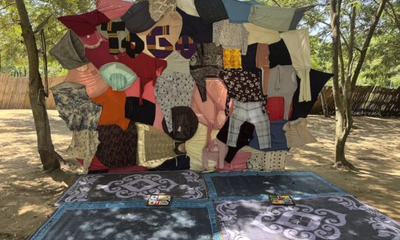
When Second-Hand Clothes Become a Playground for Community