
Fashion & Style
Burkina Faso Shifts the Spotlight from Beauty Pageants to Women in Science

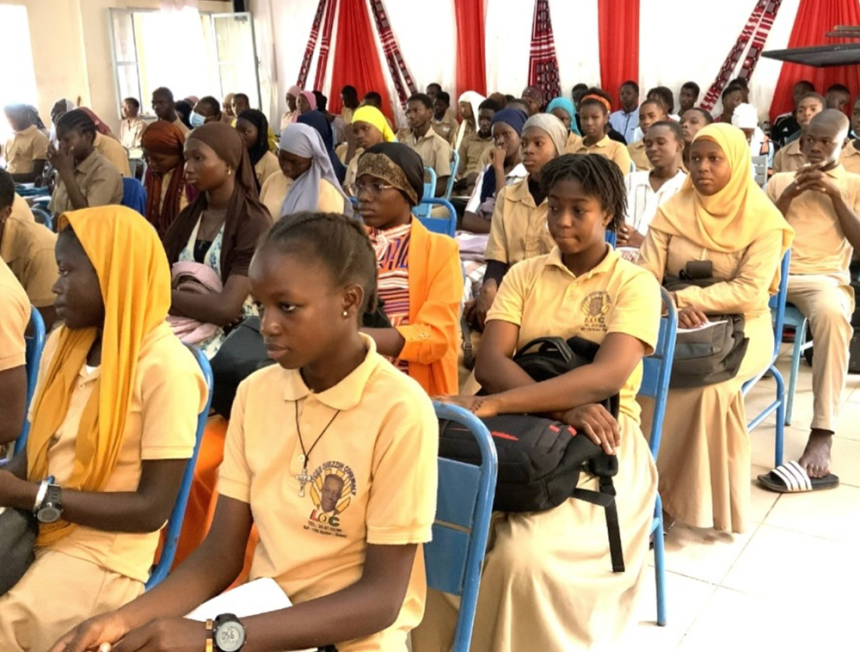
In Burkina Faso, the stage is taking on a new meaning. Instead of beauty queens competing for crowns, young women are being celebrated for their scientific knowledge, academic ambition and intellectual achievement — a shift that challenges traditional ideas of recognition, femininity and public influence.
The West African country suspended beauty pageants nationwide in June 2026 as authorities worked on new regulations, citing concerns about cultural identity, social values and human dignity.
By August, a different competition was capturing attention: HAKILI Mousso, a presidential initiative designed to identify and reward talented young women in science.
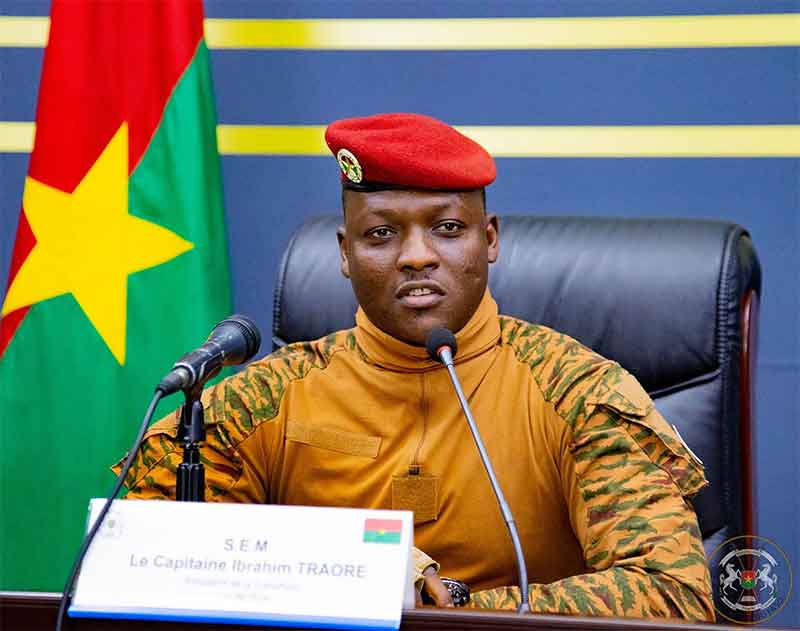
The competition brought together 84 young women, with leading participants receiving prizes and scholarships to support their education. President Ibrahim Traoré subsequently met the winners, urging them to believe in their abilities and pursue ambitious careers in science.
For the fashion and cultural industries, the development raises an interesting question about the relationship between appearance, identity and recognition.
Beauty pageants have traditionally offered women a platform to express personal style, confidence and stage presence, often using fashion as a powerful tool of self-presentation.
HAKILI Mousso offers a different kind of visibility, placing scientific achievement at the centre of the conversation.
This does not necessarily mean fashion has lost its place in public life. Rather, Burkina Faso’s decision highlights the many ways women can command attention and shape their public identities beyond conventional beauty standards.
The initiative’s longer-term impact remains to be seen, but its message is already significant: young women deserve recognition for what they know, what they create and what they can contribute to society.
For a generation navigating expectations around beauty, success and self-expression, the most powerful crown may be the opportunity to turn knowledge into change.






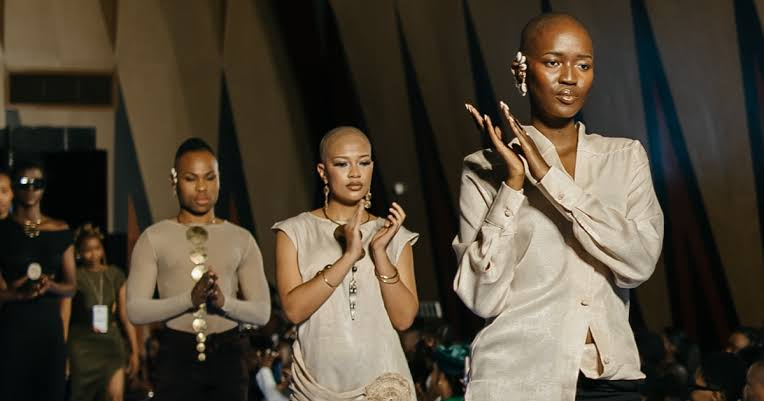
African fashion made a statement in Maputo, Mozambique, where Fancy Africa 2026 celebrated a decade of creativity with a message that reached beyond the runway: cultural identity deserves both recognition and commercial opportunity.
Held from 28 September to 3 October at the Centro Cultural Moçambique-China, the event brought together designers, models and industry professionals under the anniversary theme, “Ubuntu: Temos História. Somos Cultura. Africa Rise” — a celebration of shared history, culture and African progress.
But the 10th-anniversary edition was about more than spectacular clothing. Founder and creative director King Levi Dapper positioned Fancy Africa as a meeting point for fashion, education, entrepreneurship and cultural exchange.
The programme opened with a two-day summit featuring workshops, masterclasses, networking and a hackathon, followed by a cultural day and three days of fashion shows.
Pop-up stores, exhibitions and the Fancy Bazaar gave visitors additional opportunities to engage with African creativity.
One of the event’s most significant developments was the Digital Fancy Store, which enabled participating designers to promote collections and begin selling before the shows. Under the announced arrangement, designers receive 85 per cent of each sale, while the platform retains a 15 per cent commission.
That commercial focus matters in an industry where talented African designers can attract attention without always having the infrastructure to turn recognition into sustainable income.
The Fancy Africa Awards extended the celebration to modelling, with South African model Tsebo Phasha, 36, winning Model of the Year through public voting.
With support from Vodacom as connectivity sponsor and Sir Motors as mobility partner, the event also highlighted the partnerships needed to grow the creative economy.
As Fancy Africa enters its second decade, its ambition is clear: African fashion should not simply inspire audiences on the catwalk. It should build businesses, create opportunities and carry the continent’s stories into international markets.
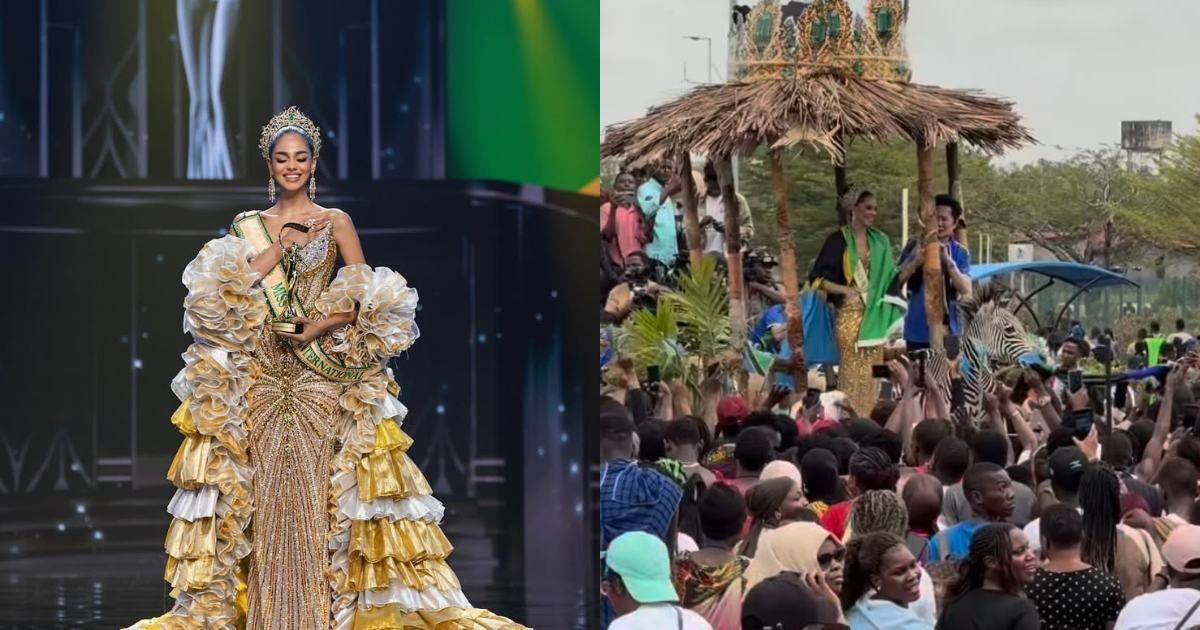
A crown can win a competition, but the welcome waiting at home can turn a victory into a national statement.
For Jihan Dimack, Tanzania’s newly crowned Miss Grand International 2026 queen, that moment arrived with cheering fans, a motorcade and a spectacular water salute at Julius Nyerere International Airport in Dar es Salaam.
The extraordinary reception transformed her return into a celebration of beauty, ambition and national identity.
As airport fire engines sent arcs of water over the arriving aircraft, the ceremonial gesture offered a striking welcome for a woman whose pageant achievement has captured the imagination of supporters across Tanzania.
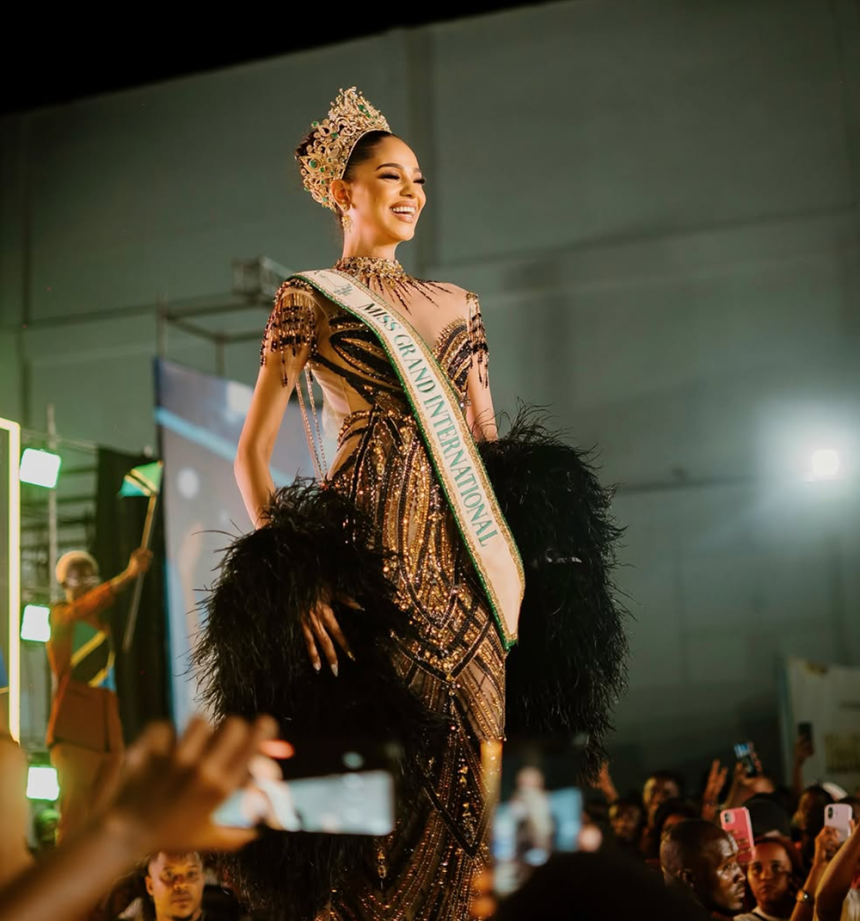
For the fashion world, Dimack’s homecoming highlights how beauty queens can become powerful cultural ambassadors.
Their influence extends beyond evening gowns, carefully styled hair and the confidence required to command an international runway.
Through their public appearances, they also represent their countries, carrying national pride into spaces where fashion, entertainment and cultural identity meet.
The motorcade and enthusiastic airport crowds gave Dimack a different kind of runway: one shaped not by judges or stage lights, but by the people celebrating her success.
The occasion demonstrated how pageantry can create a shared moment of excitement, connecting the glamour of international competition with the emotions of home.
Her achievement also offers an encouraging image for young African women who aspire to enter fashion, modelling and other creative industries.
A crown can open doors, but the visibility that comes with it can create opportunities to influence conversations about representation, confidence and ambition.
“Karibu nyumbani, Queen Jihan!” — welcome home, Queen Jihan!
With Tanzania embracing its returning queen, Dimack’s story shows that the most memorable fashion moments are not always about what a woman wears.
Sometimes, they are about what she represents when she comes home.
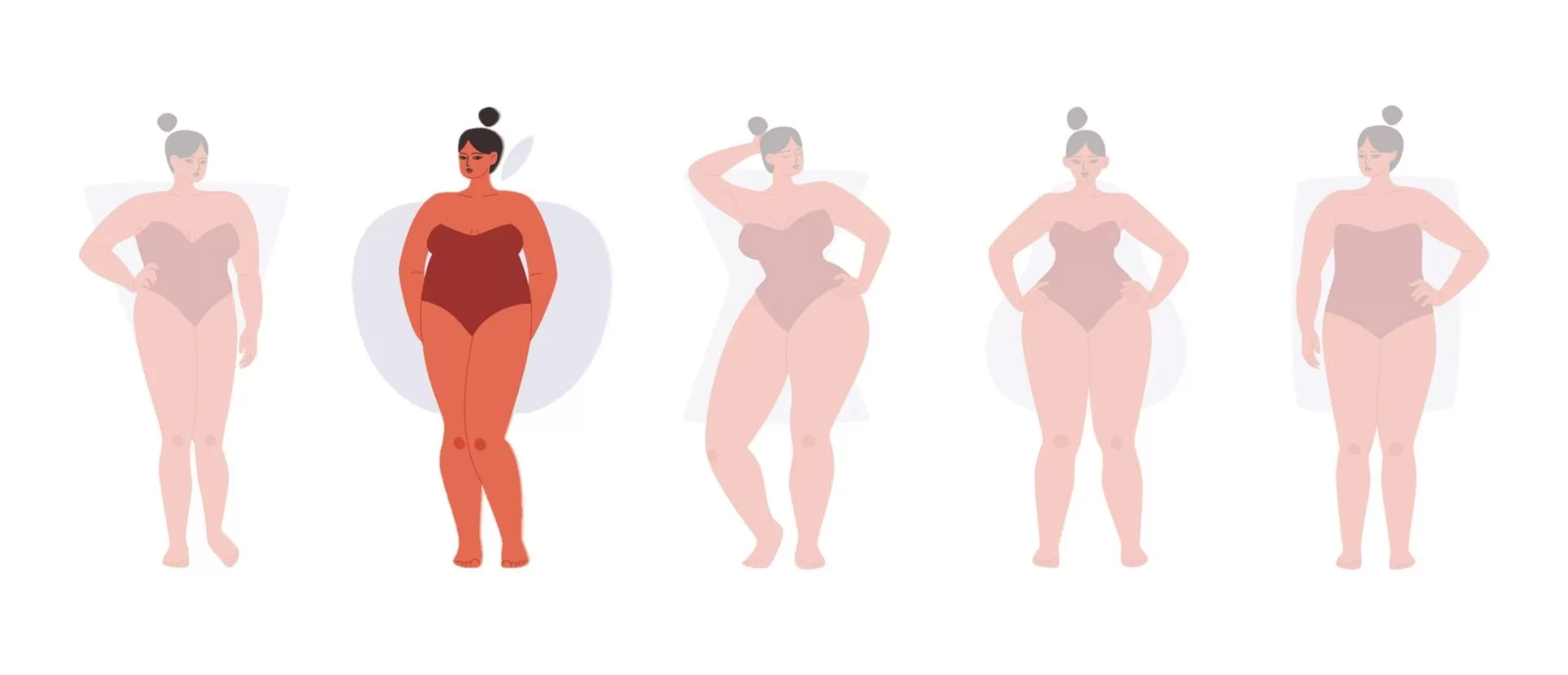
Great style is not always about chasing trends or buying the latest designer outfit. Sometimes, it comes down to understanding how different cuts, colours and patterns work together to create a silhouette that feels comfortable and confident.
For people with an apple-shaped body, a few thoughtful wardrobe choices can open up fresh possibilities for personal style.
The Power of Shape and Structure
An apple-shaped figure typically carries more fullness around the midsection, with the shoulders and upper body often appearing broader than the hips.
Rather than hiding the body, strategic styling can create balance while allowing personal taste to lead.
A peplum top paired with white-leg jeans, for example, can introduce definition around the waist while adding structure to an everyday outfit. Wrap dresses offer another option, using adjustable fabric and diagonal lines to draw attention towards the waist.
Structured V-neck tops paired with bootcut jeans can also create visual balance between the upper and lower body.
For occasions that call for something more polished, ruched dresses in solid colours provide texture and shape, while dresses with darker side panels can create a subtle contouring effect.
Patterns deserve consideration, too. Strong horizontal lines may emphasise width in certain areas, whereas diagonal details can guide the eye across the body and create a different visual effect.
These are styling suggestions, not rigid rules: fabric, fit and individual proportions all influence how an outfit looks.

Confidence Beyond the Clothing
For Ghanaian fashion lovers, where tailored outfits, colourful prints, occasion dresses and contemporary streetwear all have a place in personal expression, these principles offer another way to approach the wardrobe.
A peplum blouse can work for a professional setting, while a wrap dress can transition easily from a social gathering to an evening event.
Ultimately, dressing well is less about fitting a body into fashion rules than finding clothes that make the wearer feel at ease.
The best outfit is one that works with your proportions, reflects your personality and lets confidence take centre stage.


Stronger for Longer: Why Women Should Make Weight Training Part of Their Fitness Routine

Who Owns the Right to Be Called an Artist? A Debate in Togo Challenges the Rules of Art

Ghana’s Social Media Erupts Over Mining Violence and Celebrity Controversy
-

 Ghana News1 day ago
A Century of Enterprise: How Ghana’s Kalmoni Family Built a Business Dynasty and Why It Matters for Global Investors
-

 Ghana News1 day ago
ECOWAS and Sahel States Agree to Form Joint Working Groups After Talks Resume
-

 Sights and Sounds1 day ago
From Fresh Sushi to Korean Bulgogi: Discovering Ninano in Ghana
-

 Ghana News1 day ago
Former Nigerian Spy Chief Claims Dictator Sani Abacha Died During Intimate Encounter With a Woman
-

 Homes & Real Estate2 days ago
Before You Buy a Home in Ghana: Five Financial Questions Every Buyer Should Ask
-

 Ghana News1 day ago
As Ghana Eyes BRICS Finance, Its $28.9bn External Debt Remains Shrouded in Secrecy
-

 Perspectives1 day ago
Policy Brief: ‘A Test of Agency: Ghana’s BRICS Application and the Future of Strategic Diversification’ | By Col Festus Aboagye (rtd)
-

 Festivals & Events1 day ago
Apatwa Festival: A Month of Tradition and Community Spirit in Dixcove