
Health & Wellness
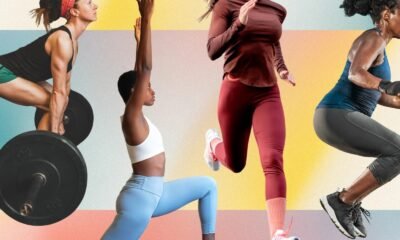
Stronger for Longer: Why Women Should Make Weight Training Part of Their Fitness Routine

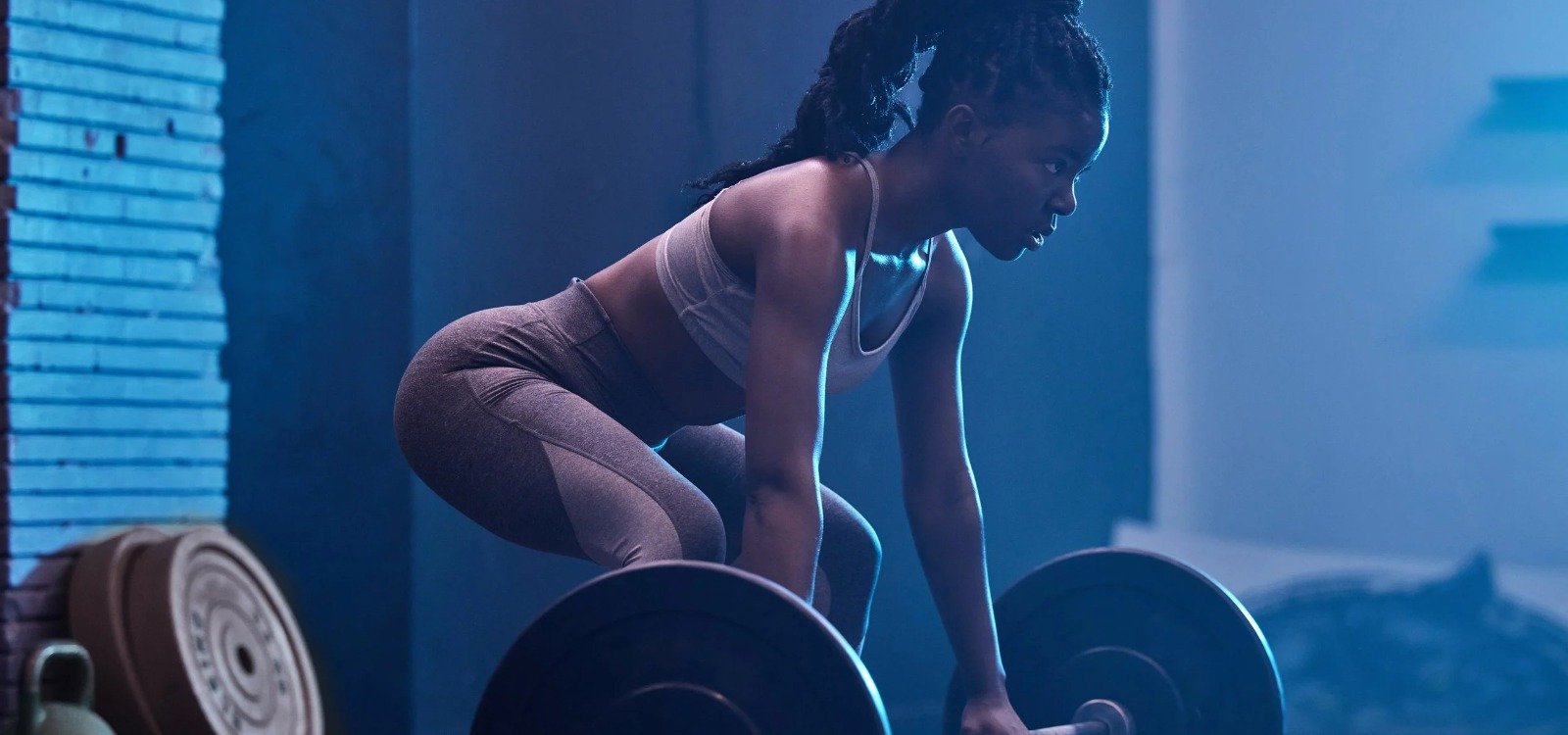
A treadmill session may leave you breathless, and a dance class may lift your spirits, but there is another form of exercise women should not overlook: lifting weights.
Resistance training is not just about building visible muscles. It is an investment in the strength, mobility and independence women will need as they grow older.
Building a stronger foundation before menopause
Women experience significant hormonal changes during menopause, including a decline in oestrogen, which can accelerate bone loss.
At the same time, ageing gradually reduces muscle mass and strength, a process known as sarcopenia.
Strength training helps address both concerns. By challenging muscles and placing controlled demands on bones, exercises such as squats, lunges, resistance-band movements and weight lifting can help maintain muscle strength and support bone health.
Starting earlier can be beneficial, but it is never too late to begin. For women balancing work, family responsibilities and everyday errands, stronger muscles can make climbing stairs, carrying shopping bags and getting up from a chair easier.
Beyond appearance
Resistance training also supports metabolic health and can improve mood, physical function and confidence.
For women living with polycystic ovary syndrome (PCOS), it may complement other measures that help improve insulin sensitivity, although individual results vary.
The idea that lifting weights will automatically make women excessively muscular can also discourage beginners. In reality, muscle development varies according to genetics, training, nutrition and hormones.
Start small, build steadily
Beginners can start with two strength-training sessions a week, using manageable weights and learning proper technique.
A qualified trainer can help tailor exercises to individual needs. Cardio remains valuable for heart health, so the goal is to combine both rather than abandon one for the other.
Women do not have to choose between endurance and strength. Building muscle today can help them move with greater confidence tomorrow.








From coffee to kiwi, what you eat can make a difference
Sometimes, the difference between an uncomfortable day and a comfortable morning begins with what is on your plate.
If constipation has left you feeling bloated or sluggish, certain everyday foods may help get your digestive system moving without immediately reaching for laxatives.
The secret lies in fibre, water and how the gut responds to what we eat.
Fibre and fluids: A powerful combination
Papaya is a familiar favourite in Ghana, offering water and fibre that support regular bowel movements.
Oats provide soluble fibre, which helps soften stool, while sweet potatoes contribute fibre that supports healthy digestion.
These foods can be incorporated into everyday meals, from breakfast porridge to a satisfying lunch or dinner.
Chia seeds also absorb water and form a gel that can help support stool consistency. However, they should be consumed with sufficient fluid, preferably soaked, and fibre intake should increase gradually.
Prunes deserve their reputation as a constipation remedy. They contain fibre and sorbitol, a naturally occurring sugar alcohol that draws water into the bowel.
Kiwi is another useful option, with research suggesting that eating two green kiwifruits daily may improve bowel regularity in some people.
Why coffee can work so quickly
Ever felt the urge to visit the toilet shortly after drinking coffee? For many people, coffee stimulates colon activity through the gastrocolic response, which encourages bowel movements after eating or drinking. However, the effect varies from person to person.
Fatty meals and spicy foods can also trigger urgency in some people, but deliberately relying on greasy meals or chilli is not a healthy constipation strategy.
Build a routine, not a quick fix
Regular movement, adequate water intake and consistent fibre-rich meals often work better than chasing an overnight solution.
If constipation persists, becomes painful or comes with blood in the stool, seek medical advice.
Your gut rarely needs a dramatic rescue. Sometimes, a bowl of oats, fresh papaya and a little patience can make a meaningful difference.

You have cut your portions, turned down extra helpings of jollof rice and tried to stay away from sugary drinks, yet the number on the scale barely moves.
It is frustrating, especially when you feel you are doing everything right. But a weight-loss plateau does not automatically mean you need to eat even less.
Look Beyond Your Plate
Weight management involves more than food alone. Daily movement, exercise, sleep, medications and individual differences in energy needs can all influence progress.
Start by examining how active you are outside the gym. Three strength-training sessions each week are valuable, but spending most of the remaining hours sitting can limit your overall activity. Walking more, taking the stairs and breaking up long periods of sitting can help.
Gradually working towards 8,000–10,000 daily steps may suit some people, although the right target depends on fitness and health.
Could Your Portions Be Misleading You?
People often underestimate how much they eat. Cooking oil, salad dressings, sweetened drinks, snacks and generous weekend portions can add energy that is easy to overlook. For a few days, record meals and drinks honestly, including the small bites taken while cooking. The goal is awareness, not guilt or obsessive calorie counting.
However, eating very little is not a reliable shortcut. Prolonged restrictive dieting can increase hunger, reduce spontaneous movement and cause the body to expend less energy as weight falls. Your metabolism does not simply break, but your energy requirements may change.
Choose Progress Over Punishment
If your weight has stalled, review your activity, portions and consistency before cutting food further. Compare weight trends over several weeks rather than reacting to daily fluctuations, which can reflect water retention and hormonal changes.
If you are persistently struggling despite consistent habits, or experiencing unusual fatigue or other symptoms, consult a qualified health professional.
The answer to a plateau is not always eating less. Sometimes, it is understanding your habits, protecting your health and choosing a plan you can sustain.
The person who loses the most weight is not always the person who loses the most fat. That surprising distinction could change how you approach your next weight-loss journey.
When the number on the bathroom scale refuses to drop quickly, your workouts may be working better than you think.
Why Strength Training Changes the Picture
A study described in the research behind this debate compared people following a calorie-restricted diet while doing resistance training, cardio or dieting alone. Its reported findings suggest that people who lifted weights lost more fat while preserving, and sometimes gaining, lean mass.
The reason is important. Your body weight includes fat, muscle, water and other tissues. When you lose weight through dieting alone, some of that loss can come from muscle.
Cardio can support fat loss and improve heart health, but without resistance exercise, preserving muscle may be more difficult during a calorie deficit.
Strength training gives your body a reason to retain muscle while using stored fat for energy. Because muscle contributes to your shape, strength and everyday function, the results may show up in your waist measurement, clothing fit and physical ability before the scale tells the full story.
Making It Work in Everyday Life
You do not need an expensive gym membership to begin. Squats, wall push-ups, resistance bands and lifting household weights can provide a starting point.
Gradually increase the challenge as your strength improves, and include protein-rich foods such as eggs, beans, fish and yoghurt to support muscle maintenance.
Walking, cycling and other cardio activities remain valuable, too. Combining them with strength training and a sustainable eating pattern can support both fat loss and overall health.
The lesson is not to abandon your bathroom scale, but to stop treating it as the only judge of progress.
Measure your waist, notice how your clothes fit and celebrate getting stronger. Lasting progress is about improving your body composition, not simply becoming lighter.


Stronger for Longer: Why Women Should Make Weight Training Part of Their Fitness Routine

Who Owns the Right to Be Called an Artist? A Debate in Togo Challenges the Rules of Art

Ghana’s Social Media Erupts Over Mining Violence and Celebrity Controversy
-

 Ghana News1 day ago
A Century of Enterprise: How Ghana’s Kalmoni Family Built a Business Dynasty and Why It Matters for Global Investors
-

 Ghana News1 day ago
ECOWAS and Sahel States Agree to Form Joint Working Groups After Talks Resume
-

 Ghana News1 day ago
Former Nigerian Spy Chief Claims Dictator Sani Abacha Died During Intimate Encounter With a Woman
-

 Sights and Sounds1 day ago
From Fresh Sushi to Korean Bulgogi: Discovering Ninano in Ghana
-

 Homes & Real Estate2 days ago
Before You Buy a Home in Ghana: Five Financial Questions Every Buyer Should Ask
-

 Ghana News1 day ago
As Ghana Eyes BRICS Finance, Its $28.9bn External Debt Remains Shrouded in Secrecy
-

 Perspectives1 day ago
Policy Brief: ‘A Test of Agency: Ghana’s BRICS Application and the Future of Strategic Diversification’ | By Col Festus Aboagye (rtd)
-

 Festivals & Events1 day ago
Apatwa Festival: A Month of Tradition and Community Spirit in Dixcove