
Africa Watch
Benin Bronzes Return Home, But Nigeria’s Political Rift Threatens Their Future

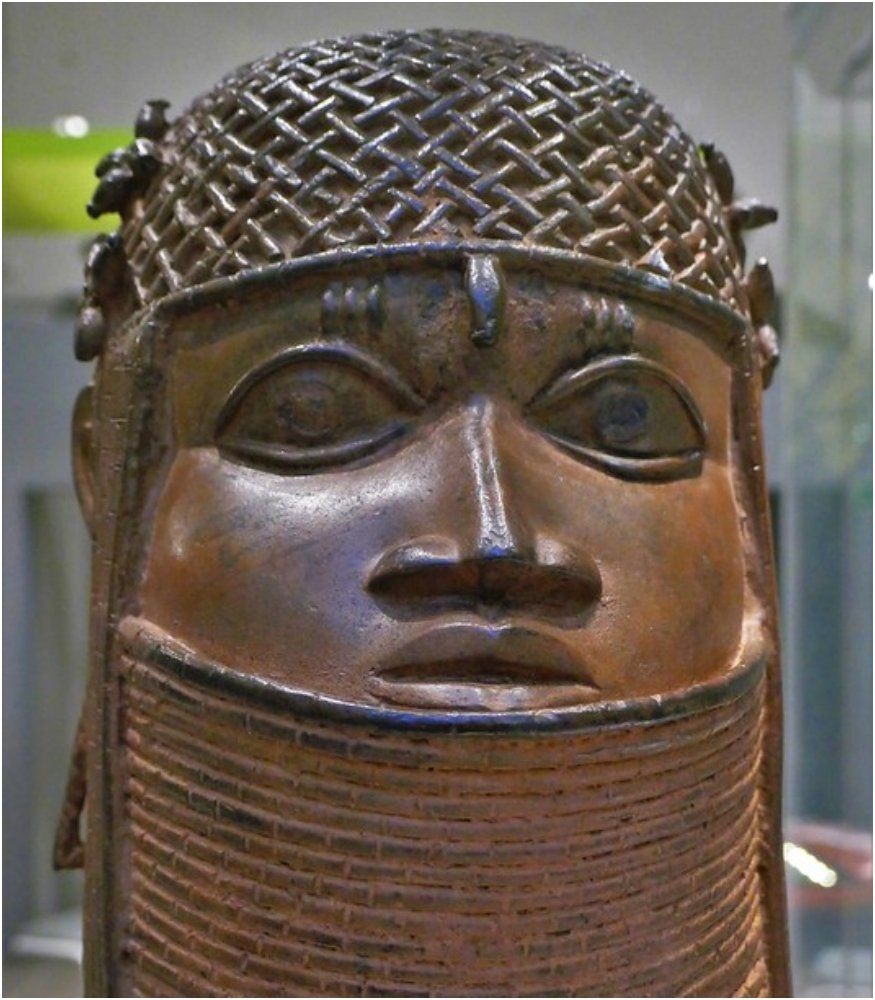
When the first crates of Benin Bronzes began arriving back in Nigeria, many believed the long-awaited homecoming of the world-renowned artifacts would close a painful chapter of colonial plunder.
Instead, their return has opened a new battle; this time not with Europe, but within Nigeria itself.
The masterpieces, looted by British troops in 1897 from the royal palace of the Kingdom of Benin, had been held for more than a century in some of the world’s most prestigious museums, including the British Museum and the Metropolitan Museum of Art.
After years of pressure, several Western institutions finally agreed to return portions of their collections.
But as some of the stolen treasures made their way home, the question of who should rightfully house, manage, and present them ignited a political storm.
A Triumph Undone by Turf Wars
Reporting from Nigeria, journalist Alex Marshall found the return process far more fraught than the celebratory headlines suggested. For years, European museums had coordinated with Nigerian officials to build a state-of-the-art facility — the Museum of West African Art (MOWAA) — to guarantee the Bronzes would be safeguarded to international conservation standards.
Security.
Climate control.
Preservation labs.
A space worthy of the objects’ global stature.
The plan seemed settled — until the Oba of Benin, the traditional ruler and direct descendant of the dynasty from which the artifacts were stolen, intervened.
“These items are royal heirlooms,” the palace argued. “They belong to the Oba and the people of Benin.”
It was a claim rooted in history — and emotion. And it upended everything.
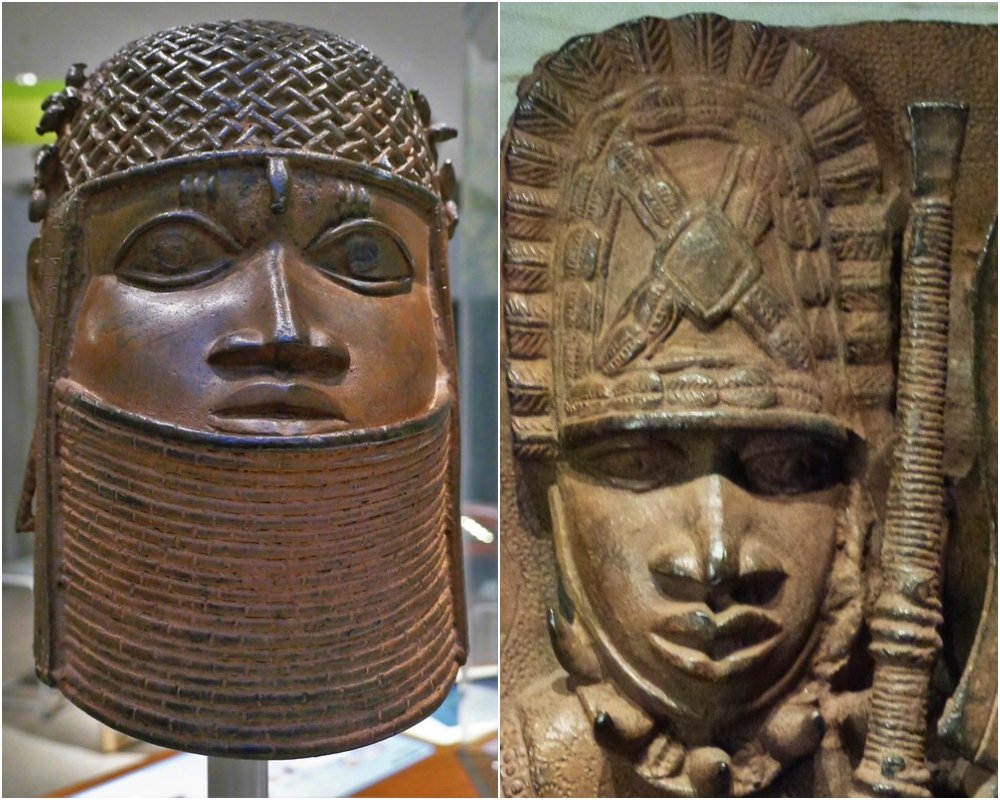
Two Custodians, One Heritage
What was once a unified effort has now splintered into competing visions.
On one side: Nigeria’s federal institutions and partners championing MOWAA, emphasizing conservation technology and global accessibility.
On the other: the Benin Palace, asserting traditional ownership and demanding a direct role in stewardship.
Caught in between are the artifacts themselves — brass plaques, carved ivory tusks, and sculptural designs so structurally and aesthetically advanced that early European scholars could scarcely believe Africans created them.
To this day, scholars describe the Bronzes as futuristic in design and unmatched in craftsmanship.
“The Hard Part Starts After Repatriation”
Marshall’s reporting underscores a difficult truth: for all the moral clarity surrounding the artifacts’ return, their restoration to Nigeria has highlighted long-standing tensions over cultural authority, governance, and identity.
“There’s this assumption that once you get the objects home, the story ends,” Marshall noted. “But with the Benin Bronzes, the real complexity begins after repatriation.”
With thousands of artifacts scattered across multiple institutions — some in Europe, some now back in Nigeria — the struggle is not just logistical but symbolic.
Who gets to tell the story of Benin?
Who protects its legacy?
And how does a nation reconcile traditional claims with modern museum standards?
What’s at Stake
Beyond pride and politics lies a practical concern: preservation.
The Bronzes require highly controlled environments to prevent corrosion and long-term degradation. Their survival depends on facilities equipped for 21st-century conservation — and Nigeria’s institutions, still navigating overlapping authorities, must decide quickly.
Because the world is watching. And the stakes are nothing less than the future of Africa’s most famous cultural treasures.








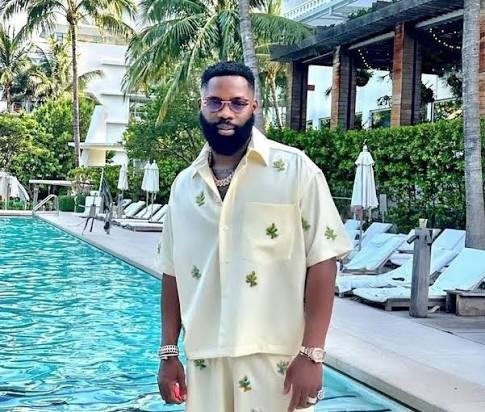
A British-Nigerian businessman and social media influencer died from a pulmonary embolism after undergoing a penis enlargement procedure in Thailand, a UK coroner’s inquest has heard.
Igho “Tiny” Ubiribo, also known as “Ego”, was 43 when he died in Bangkok following complications from the cosmetic procedure during a trip to Thailand with his wife.
Evidence presented at the inquest said Ubiribo had 40ml of hyaluronic acid and lidocaine injected into his penis at an unnamed clinic in March.
Shortly after the procedure, he developed chest pain and collapsed twice at his hotel.
He was taken to Sukhumvit Hospital, where doctors suspected a pulmonary embolism — a potentially fatal blockage of a blood vessel supplying the lungs.
His condition deteriorated despite emergency treatment, with medical staff reportedly performing CPR for more than 100 minutes.
Ubiribo died in the early hours of March 6.
His body was subsequently repatriated to the UK for further examination. A post-mortem reportedly detected cellular filler material in his lungs consistent with hyaluronic acid, the substance used during the cosmetic procedure.
Evidence presented to the inquest indicated that the material found in his lungs matched the filler administered during the treatment.
The coroner concluded that the cosmetic procedure had caused the fatal pulmonary embolism.
The case highlights the potentially serious complications associated with injectable cosmetic procedures, particularly when performed outside a patient’s home country. Pulmonary embolisms can occur when material enters the bloodstream and travels to the lungs, where it can obstruct blood flow and become life-threatening.
Ubiribo’s death has also drawn attention to the risks surrounding cosmetic procedures undertaken abroad, where patients may face unfamiliar medical standards, follow-up arrangements and emergency care systems.
The circumstances of his death were examined during the UK inquest as authorities sought to establish how the procedure ultimately led to the fatal complication.
Africa Watch
American Actress and Comedian Amanda Seales Calls for $4,180 to Help Kenyan Students Finish High School

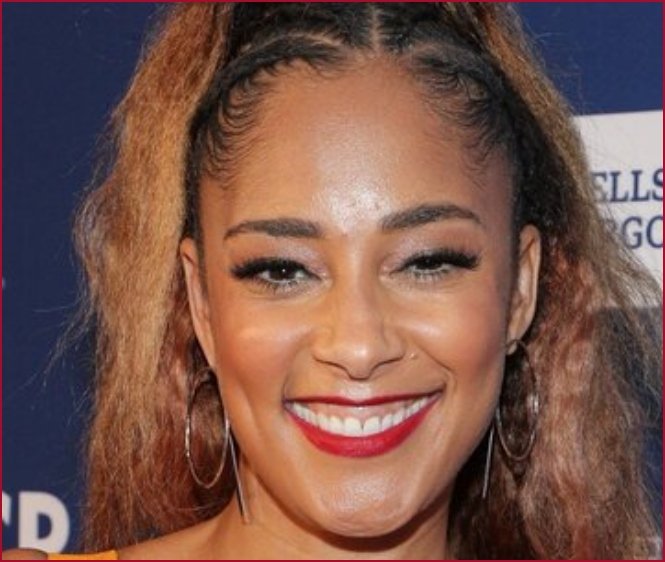
American actress Amanda Seales is turning a personal commitment to students in Kenya into a public fundraising campaign.
She is calling on supporters to help raise $4,180 to ensure children she began sponsoring several years ago can continue their education.
The Grenadian-American actress, comedian and activist launched the initiative in partnership with the Utu Foundation after visiting Britons Primary School in Kenya in 2023.
During that visit, Seales learned that financial hardship was preventing some high-achieving students from making the transition from primary school to secondary education. She subsequently committed to personally sponsoring four years of secondary education for 28 students.
As those students reached their final year of high school in 2026, Seales expanded the effort to include public support, seeking assistance to help the remaining students complete their final terms.
In a recent fundraising video shared on Instagram, Seales connected the campaign to her broader Pan-African outlook and her belief in education as a pathway to freedom.
“Where your attention goes, your energy flows,” Seales said.
“As a Pan Africanist, I truly believe that it is going to be the liberation of the African peoples of diaspora that will lead to the collective liberation of the world.”
She then linked that vision directly to the students the campaign is supporting.
“And education is a key component to achieving freedom,” Seales said. “So we cannot allow folks to be unable to access it because of money.”
Seales concluded the appeal by asking supporters to join her and the Utu Foundation in reaching the $4,180 fundraising goal “to send these children to school.”
The campaign reflects an evolution in Seales’ involvement. What began with her personally financing the education of 28 students has become an appeal for a wider community of supporters to help carry the students through the final stage of their secondary education.
The fundraiser is being promoted through Seales’ social media platforms and her collaboration with the Utu Foundation. Supporters have also been directed toward fundraising merchandise through AmandaLand Exports, Seales’ official merchandise platform.
The campaign’s emphasis on completing secondary education highlights the financial barriers that can affect students even after they have successfully completed primary school. For families facing financial constraints, the costs associated with continued schooling can determine whether a child is able to progress academically.
For Seales, the issue is inseparable from her broader philosophy about the relationship between education, opportunity and liberation.
Her appeal also extends beyond the immediate needs of the students in Kenya, invoking a connection between the African continent and communities of African descent around the world.
By asking supporters to contribute to the education of students thousands of miles away, Seales is positioning the campaign as an example of diaspora engagement with educational initiatives on the continent.
The immediate goal, however, is straightforward: raise $4,180 and help the students complete their schooling.
Africa Watch
The West Africa Corridor’s Dirty Secret: Liberia’s Record Cocaine Bust Exposes State-Sanctioned Trafficking
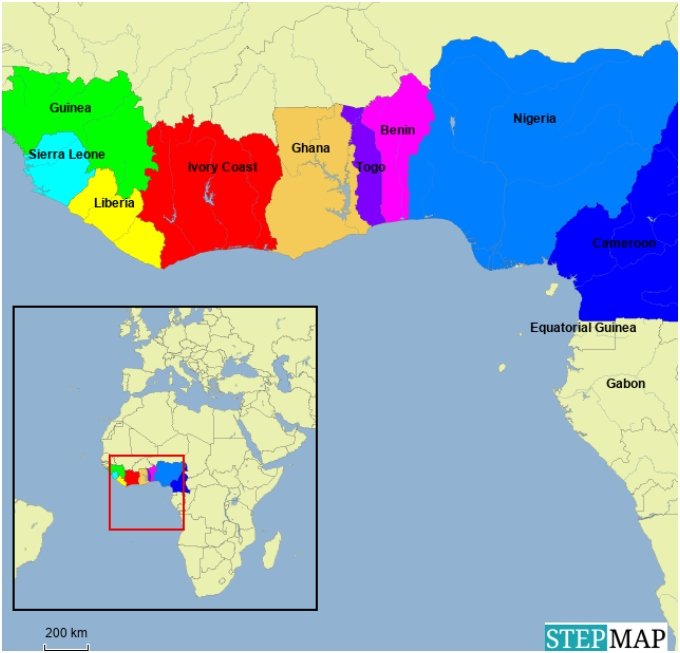
Two months ago, Liberian authorities made history. In a warehouse in Duazon, just outside the capital, they discovered nearly four metric tons of cocaine—an estimated $317 million street value—making it the largest drug bust in the nation’s history.
Days later, law enforcement agents publicly incinerated the haul alongside a smaller 237-kilogram seizure, sending a dramatic signal that Liberia was no longer “a place of comfort” for traffickers.
Yet, as the smoke cleared, a far more troubling reality emerged from the ashes. The investigation has moved deeper into Liberia’s security establishment, exposing a systemic rot that challenges the very narrative of a state successfully waging war on drugs. As Police Inspector General Gregory O.W. Coleman told a government press briefing: the Duazon operation was “definitely sanctioned by state actors at the very, very senior level” of government.
A Political Bombshell
The gravity of the scandal reached its peak on August 19, when authorities charged former Vice President Jewel Howard-Taylor—who served from 2018 to 2024—with drug trafficking, money laundering, criminal solicitation, and conspiracy. She was stopped at Roberts International Airport while attempting to leave for Ghana and taken into custody.
Justice Minister Oswald Tweh’s statement was emphatic: “There will be no selective justice, political protection, sacred cows or compromise with organized criminality.”
Yet Howard-Taylor’s office has vehemently denied the charges, framing the case as a “politically motivated witch-hunt and an abuse of state power,” and alleging that unnamed government figures may use artificial intelligence to fabricate evidence against her.
The Pipeline Within
While the former Vice President’s arrest captured global headlines, the investigation has also pulled back the curtain on a disturbing institutional problem. Senior police officers were allegedly not just passive bystanders but active facilitators. Coleman named the chief of highway patrol and the head of major crimes as having driven escort for the massive drug consignment, using police vehicles to move it from the shoreline to the stash house.
“We have identified key state actors who played a role in transporting, escorting the movement of these narcotic substance from the landing site to the holding ground using police vehicles as escort, one in the front, one in the back,” Coleman said.
A deputy commander at the airport was also identified as a key actor.
President Joseph Boakai has responded with sweeping administrative action, dismissing senior officials from airport security, the Liberia National Police, the National Security Agency, and the Liberia Drug Enforcement Agency. A deputy commissioner was dismissed after reportedly admitting to accepting a $10,000 bribe.
The Vanishing Suspects
Despite these actions, a troubling question remains unanswered: who is actually being held accountable?
The two foreign nationals arrested at the scene—a Serbian and a dual Colombian-Spanish citizen—have become the most visible faces of the investigation. Meanwhile, more than a dozen Liberian suspects named in writs of arrest have largely disappeared from public view, with little visible movement toward trial.
As one FrontPageAfrica analysis noted, “For the public, the answers remain unclear. The result is a widening perception that while the two foreign nationals are being visibly prosecuted, several Liberian suspects have effectively vanished from the case.”
This perception is particularly damaging given Coleman’s admission. If the country’s top police officer says senior state actors were involved, why does the visible face of justice remain largely two foreign nationals?
A Regional Crisis
Liberia’s situation is not an isolated incident but a glaring example of a wider continental problem. According to the Global Initiative Against Transnational Organized Crime, at least 30% of cocaine destined for European markets now passes through West Africa. The region has become a critical transit corridor, with smugglers exploiting porous borders and weak enforcement.
The report notes that large shipments of cocaine are supported by “protection systems provided by politicians, security officials, and armed groups,” where “territorial control and access to institutional cover make trafficking possible.”
This dynamic extends across the region, with Sierra Leone recently identified as a strategic hub for a route that saw a record 30-tonne seizure by Spanish authorities.
A Defining Moment
For Liberia, this scandal represents a critical test of institutional integrity. Anti-corruption group CENTAL has warned that dismissals alone are insufficient. “Narcotics of such quantity do not transit a country whose borders, seaports, and airports are functioning without compromises and collusive networks. This is a governance failure before it is a criminal one,” said CENTAL Executive Director Anderson Miamen.
The government has secured international support, with the U.S. Drug Enforcement Administration now working in-country alongside Liberian investigators.
However, the lingering questions about who orchestrated the operation and who remains protected will likely determine whether these actions are remembered as a decisive turning point or merely another episode in Liberia’s long struggle against organized crime.


When Aesthetics Backfire: What the Converse Imagery Controversy Teaches the Global Style Industry

How Mechanical, Electrical, and Plumbing Audits Protect Your Real Estate Investment

The Timeless Appeal of Koose and Spiced Millet Koko
-
 Sights and Sounds1 day ago
Why Bliss Family Entertainment Is Airport City’s Go-To Haven
-

 Health & Wellness2 days ago
First In, Last Out: Understanding Your Body’s Natural Fat Storage Blueprint
-
 Festivals & Events13 hours ago
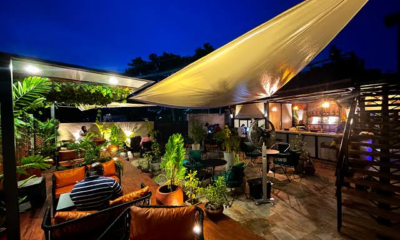
Accra Welcomes New York Leadership for a Historic Night of Community
-
 Taste GH13 hours ago
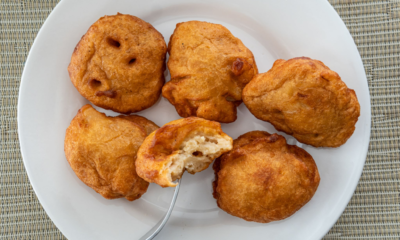
The Timeless Appeal of Koose and Spiced Millet Koko
-
 Festivals & Events1 day ago
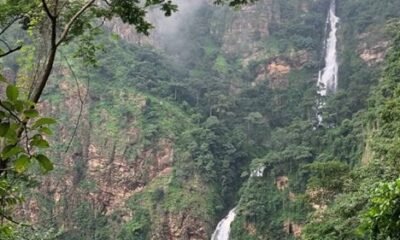
Where Cascades Meet Culture: The Majestic Grandeur of the Wli Falls Festival
-
 Homes & Real Estate2 hours ago
How Mechanical, Electrical, and Plumbing Audits Protect Your Real Estate Investment
-
 Fashion & Style1 hour ago
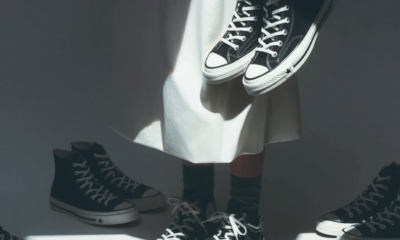
When Aesthetics Backfire: What the Converse Imagery Controversy Teaches the Global Style Industry