Culture
Livestreamed: Diaspora Summit 2025 in Accra


The Diaspora Summit is currently ongoing at the Accra International Conference Centre.
The summit brings together thinkers, investors, activists, policymakers, and cultural leaders from across the continent and the diaspora.
The initiative aligns with Ghana’s long-running effort to position itself as a hub for diaspora engagement — a strategy that gained global visibility during the Year of Return (2019) and has since expanded to more ambitious programs.
Watch the livestream below:












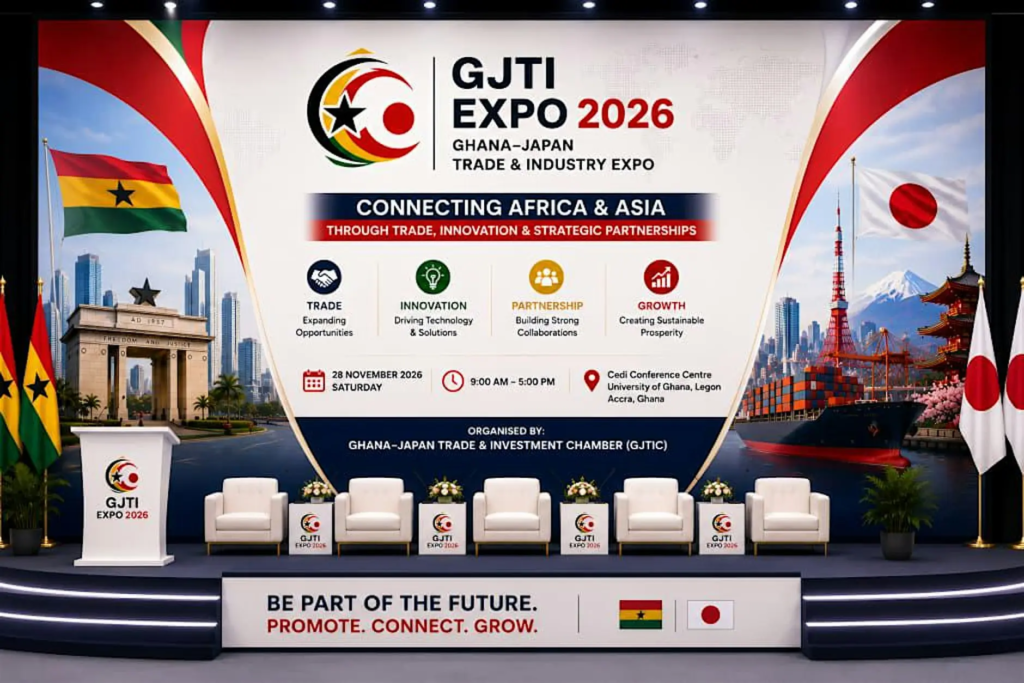
On Saturday, 28 November 2026, the Cedi Conference Centre at the University of Ghana, Legon, will become a meeting point for two dynamic regions as GJTI Expo 2026 brings Ghana, Japan, Africa, and Asia under one roof.
More than a business event, it promises a day of fresh ideas, new partnerships and conversations that could shape the next chapter of international trade.
A Bridge Between Two Continents
Organised by the Ghana–Japan Trade & Investment Chamber, the expo carries the theme “Connecting Africa and Asia Through Trade, Innovation and Strategic Partnerships.”
It reflects a growing relationship built on investment, manufacturing, technology and skills development, while creating space for entrepreneurs, established companies and young professionals to meet beyond boardrooms and formal meetings.
A Day Filled With Opportunities
From 9:00 a.m. to 5:00 p.m., visitors can explore exhibitions featuring manufacturers, technology innovators, agribusinesses, renewable energy companies and consumer brands.
B2B networking sessions, investment presentations and export-focused discussions will bring together government officials, diplomats and business leaders, creating an atmosphere where ideas can quickly become collaborations.
The experience extends beyond trade. International visitors will witness Ghana’s reputation as a welcoming business destination, while locals can connect with companies from Japan and other international markets without leaving Accra.
The gathering also offers students and startups a rare chance to meet industry leaders and learn about careers in global commerce.
Why It’s Worth Attending
Whether you’re a tourist curious about Ghana’s growing role in international business or a local entrepreneur seeking fresh opportunities, GJTI Expo 2026 offers a window into the country’s ambitions on the global stage.
Business cards may exchange hands, but so will stories, ideas and cultural connections that remind visitors that successful partnerships often begin with a conversation.
Reels & Social Media Highlights
From Black Stars to Bodyguards: Inside Ghana’s Viral Conversations on Facebook and X

Ghana’s social media landscape on Wednesday, September 16, 2026, pulsed with a familiar cocktail of football passion, celebrity drama, and sharp public debate.
The Black Stars’ World Cup aspirations, a dancehall star’s controversial moment, and a sobering national conversation about digital privacy all competed for attention, painting a vivid picture of a nation deeply engaged with both its entertainers and its future.
Football, as always, commanded significant space. Discussions around the Black Stars, coach Otto Addo, and World Cup qualifiers dominated X trends, reflecting the perpetual hope and anxiety that grips Ghanaian fans whenever the national team is in focus.
The beautiful game remains the great unifier, a topic that cuts across political and social divides.
Yet, the day’s most polarizing figure was undoubtedly Shatta Wale. A video of his Rolls-Royce knocking down fans outside the Movenpick Hotel continued to generate fierce reactions.
While some criticized the fans for recklessness, others questioned the artist’s handling of the situation, exposing the complex relationship between Ghanaian celebrities and their adoring publics.
On a more somber note, the arrest of 36 suspects following the lynching of a police officer at Gindabour sparked serious conversations about mob justice and community-police relations.
This, alongside ongoing discussions about “Azigi” and non-consensual image sharing, revealed a digital public increasingly willing to confront uncomfortable societal issues .
What united these conversations was their ability to transcend the screen. From football banter to ethical debates about celebrity conduct and community violence, Ghana’s digital culture on that Wednesday was less about passive scrolling and more about active, often passionate, engagement with the realities of national life.
Arts and GH Heritage
The KNUST Dean Who Rewrote the Rules of Art Education Wins 2026 Prince Claus Impact Award
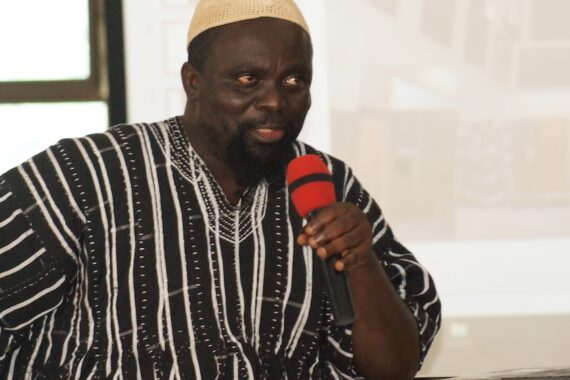
One of Prof. karî’kachä seid’ou’s most revealing observations is that he considers himself “exiled from the North Atlantic.”
It is a witty phrase, but it also captures a career built on an unusual conviction: that world-changing ideas do not need to leave Africa to matter.
That philosophy has now earned the Dean of KNUST’s Faculty of Art the 2026 Prince Claus Impact Award, recognising more than two decades of reshaping how art is taught, created and understood.
Rewriting who gets to define art
Rather than placing painting or sculpture at the top of an artistic hierarchy, seid’ou’s Emancipatory Art Teaching Project encouraged students to experiment across disciplines and collaborate across generations.
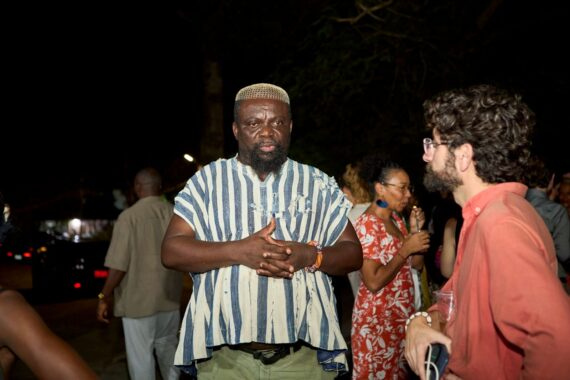
The initiative grew beyond the classroom into exhibitions, research projects and creative communities that challenged inherited ideas about who has the authority to define art.
Its influence transformed KNUST’s fine-art curriculum, producing artists, curators, scholars and educators who now shape Ghana’s contemporary art scene and contribute to wider conversations about decolonial practice across Africa.
A Ghanaian vision with global reach
His impact has drawn attention from publications including African Arts, ArtReview, The New York Times, The Guardian and the Financial Times.
The community-driven collective blaxTARLINES, which he co-founded, has appeared on ArtReview’s Power 100 list for four consecutive years.
As the Prince Claus Fund marks 30 years of celebrating changemakers, seid’ou’s recognition highlights something larger than an individual achievement.
It affirms that some of the world’s most influential cultural ideas are being imagined, debated and refined from Kumasi—and that Ghana’s classrooms can be as transformative as any global museum.