
Lifestyle
Anticipation Buzzing as IShowSpeed Eyes Ghana Stop: “Let Him Learn Who We Are”

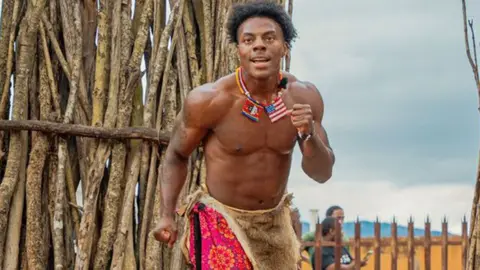
Ghanaians online and on the streets are buzzing with anticipation following fresh conversations about popular American streamer IShowSpeed potentially visiting Ghana as part of his wider African tour.
In a new street-interview video published by YouTube channel EPIC IT WAS, young people shared candid reactions, expectations, and ideas on how Ghana should welcome—and educate—the high-energy internet star.
From culture and language to food, football, and nightlife, the message was clear: if IShowSpeed comes to Ghana, it should be more than a quick content stop. It should be an immersive cultural exchange.
“Let Him Learn Who We Are”
Several interviewees stressed the importance of introducing IShowSpeed to Ghanaian identity beyond viral moments. They spoke passionately about teaching him local languages, dance styles like Azonto, and everyday greetings that reflect Ghanaian warmth and hospitality.
“We should let him understand the language, the culture, where we’re coming from,” one participant said, suggesting simple Twi and Eʋe phrases as a starting point.
Others added that Ghana’s music, arts, food, and home life should be front and center in any visit.
A Cultural Plus, Not a Validation
While acknowledging IShowSpeed’s massive global following, many Ghanaians were careful to note that his visit would be a “plus one,” not a validation of Ghana’s global relevance.
“Ghana is already impacting the world in so many ways,” one interviewee said. “So him coming is just a plus. We already have the name, the fame.”
That confidence reflects a growing sentiment among Ghana’s youth—proud of the country’s cultural exports and eager to share them on their own terms.
Challenges, Tourism, and Street Vibes
Interviewees also proposed playful but meaningful challenges for the streamer, including visits to Kakum National Park, Wli Waterfalls, Jamestown, and historic castles along the coast. Others suggested he experience Ghana’s unique social scenes, from campus dance culture at the University of Ghana to the now-famous “morning clubbing” phenomenon in Accra.
Food, unsurprisingly, featured prominently. From home-cooked meals to street favorites, several participants volunteered—enthusiastically—to cook for him if needed.
Music, Youth Influence, and Responsibility
Beyond entertainment, some voices highlighted IShowSpeed’s influence on young people worldwide. They praised his authenticity and urged him to remain grounded, respectful, and open-minded if he visits.
“Most people are looking up to him,” one interviewee said. “He should understand our culture and spread it so people who are ignorant about us will get to know more.”
On potential music collaborations, respondents avoided naming a single artist, instead emphasizing the diversity and strength of Ghana’s music scene—suggesting that any collaboration could be impactful if approached with genuine interest.
Background: IShowSpeed’s Africa Tour
IShowSpeed, born Darren Watkins Jr., is one of the world’s most-watched live streamers, known for his unfiltered reactions, football fandom, and high-octane personality. Over the past year, he has expanded his content beyond the United States, embarking on highly publicized visits across Africa, including stops in countries such as Nigeria and Senegal. His African tour has blended travel, street interactions, football culture, and spontaneous live streams—often drawing massive crowds and global online attention.
A potential Ghana stop would place the country firmly within this growing digital travel narrative, offering an opportunity to showcase Ghanaian culture to millions of viewers worldwide.
Ghana Says: “Come and Experience It”
The overall tone from Ghanaians interviewed was welcoming, confident, and clear-eyed. Ghana, they say, is ready—not to impress, but to share.
“Looking for hospitality? It’s Ghana,” one participant concluded. “Everything you’re looking for is here—the red, the yellow, the green, and the black at the center.”
Whether or not IShowSpeed’s Ghana visit materializes, the conversation itself highlights how Ghana’s youth see their culture: vibrant, global, and worth experiencing in full.











We often treat walking as the “consolation prize” of fitness. If we aren’t drenched in sweat or gasping for air on a treadmill, we feel like we haven’t really worked out.
But when it comes to visceral fat—that stubborn, deep-seated “hidden” fat wrapped around your internal organs—walking isn’t just a basic movement. It is a biological cheat code.
Visceral fat is more than a wardrobe nuisance; it’s metabolically active, sending out inflammatory signals that can mess with your health. The good news? It’s incredibly sensitive to aerobic activity. Here are four ways your daily walk acts as a targeted strike against it.
1. The Low-Intensity “Fat-Burning Zone”
While high-intensity sprints burn more total calories per minute, walking keeps you in a specific heart rate window where your body prefers to use fat as its primary fuel source rather than stored carbohydrates. Because walking is sustainable, you can stay in this “fat-burning zone” long enough to tell your body it’s safe to start tapping into those deep energy reserves—specifically the visceral stores.
2. Taming the Stress Monster (Cortisol)
High levels of the stress hormone cortisol act like a magnet for visceral fat, specifically signaling the body to store energy in the abdomen. Unlike a grueling 5-mile run, which can actually spike cortisol in an already stressed person, a brisk walk lowers it. By calming your nervous system, you’re essentially flipping the switch from “store fat” to “release fat.”
3. Improving Insulin Sensitivity
Every time you take a step, your muscles demand glucose. Walking makes your cells more “ears open” to insulin. When your insulin sensitivity improves, your body doesn’t need to overproduce the hormone to manage blood sugar. Since high insulin levels are a primary driver of belly fat storage, walking helps clear the path for your body to burn what it has already stored.
Read Also: Six Simple Biological Hacks for a Good Night’s Sleep
4. The NEAT Effect
Walking contributes to Non-Exercise Activity Thermogenesis (NEAT). Most people focus on the hour they spend at the gym, but the other 23 hours matter more for visceral fat loss. A habit of walking—to the shop, during a phone call, or after dinner—keeps your metabolic rate humming throughout the day, preventing the stagnant state that allows visceral fat to accumulate.
The Verdict
You don’t need a gym membership or expensive gear to reclaim your health. Walking is the most underrated tool in your fitness shed. It’s gentle on your joints but relentless on the fat that matters most. Start with twenty minutes, leave the phone in your pocket, and let your feet do the heavy lifting. Your organs will thank you.
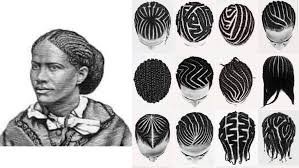
On the surface, they looked like nothing more than a neat way to keep hair tidy during long days in the fields. But for enslaved Africans in the Americas, cornrows carried secrets that meant the difference between bondage and freedom.
The practice dates back to the late 1500s in Colombia, where a man named Benkos Bioho transformed hair into a weapon of resistance.
Bioho, a king kidnapped from his native Guinea-Bissau by Portuguese slavers, escaped bondage and built San Basilio de Palenque—one of the Americas’ first free African settlements. His strategy was brilliant: have women weave escape maps directly into their cornrows.
The logic was simple. Slave owners saw African hairstyles as primitive. They never imagined those curved braids hugging women’s scalps were actually road maps—paths through the forest, routes to meeting points, directions to freedom.
Read Also: The Global Runway Awaits: Inside the British Council’s 16-Week Blueprint for Ghana’s Creative Future
Different styles carried different meanings. “Departes,” thick, tight braids tied into buns, signaled a desire to escape. Curved braids traced the actual escape routes.
But the maps were only part of the story.
Hidden within those braids, women concealed gold fragments and tiny seeds. The gold bought passage. The seeds planted hope—nourishment for survival after escape, crops for new lives in liberated territory.
Scholar Judith Carney documented this practice in Suriname, where maroon communities still tell of female ancestors smuggling rice grains in their hair from slave ships.
Was this widespread across the American South? Historians debate the evidence. No slave narratives describe it directly.
But folklorist Patricia Turner offers perspective: stories like these matter because they center Black resourcefulness rather than white saviors. In Colombia and South America, oral tradition affirms it happened.
What we know for certain is this: enslaved Africans used every tool available to resist. Their hair, which colonizers tried to strip away, became a repository of culture, communication, and coded intelligence.
When you see cornrows today, you’re witnessing a tradition that once carried gold, seeds, and the geography of liberty across enemy territory.
Sometimes the most powerful maps don’t look like maps at all. They just look like hair.
Homes & Real Estate
Why Multi-Family Units are the New Gold Standard for Ghana’s Real Estate Investors

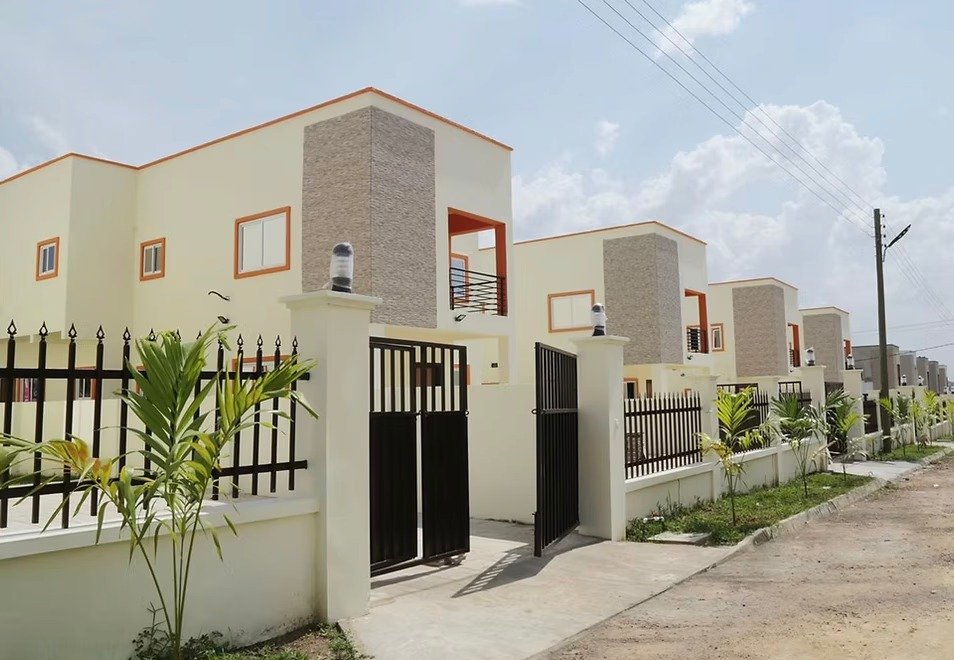
In the sprawling landscape of Accra, the traditional dream used to be a standalone bungalow with a gated perimeter. But as the city’s skyline begins to reach upward, the investment landscape is shifting just as dramatically.
Benaiah Rawlings of Zea Homes recently pointed out a trend that savvy local and diaspora investors can no longer ignore: the single-family home is taking a backseat to the powerhouse potential of the multi-family unit.
In an economy where inflation can be a relentless shadow, real estate remains the ultimate hedge. However, the modern investor isn’t just looking for a “store of value”—they are looking for aggressive, consistent cash flow.
This is where the multi-family model wins. By housing five or more units under one roof, these properties transform a single plot of land into a high-yield revenue engine.
Why Vertical is Vogue
The magnetism of multi-family housing—ranging from the sleek apartments of Harmonia Residence in the Airport Residential Area to the lifestyle-centric condominiums of The Edge in Labone—stems from a simple reality: urban density.
As more people flock to Ghana’s economic hubs for work and culture, the demand for “lock-up-and-go” living has skyrocketed.
For the investor, the math is compelling. If one tenant moves out of a single-family home, your vacancy rate is 100%. If one tenant leaves a ten-unit apartment block, you are still 90% occupied.
This safety net, combined with the ability to centralize maintenance and management costs, offers an “economy of scale” that single units simply cannot match.
Read Also: Rent Control Department mandates ‘Rent Card’ for all tenancies starting April 1, 2026
The New Faces of Living
Today’s market isn’t just about four walls and a roof; it’s about curated experiences.
Mixed-Use Developments: These are the “mini-cities” where your office, your gym, and your favorite bistro are just an elevator ride away.
Student Housing 2.0: Forget the cramped dorms of the past. Modern student hubs near major universities now feature gaming rooms and fitness centers, catering to a generation that demands lifestyle alongside their lectures.
Conclusion
Investing in Ghana’s multi-family sector is a strategic move to diversify a portfolio. These assets allow landlords to absorb rising costs—such as taxes or insurance—by distributing them across a larger tenant base.
It creates a win-win: more stable cash flow for the owner and more accessible, high-quality housing for a growing population.
In a world of fluctuating markets, the “bricks and mortar” of a multi-unit development offer something rare—tangible, scalable, and resilient wealth.


Experience the Rare Texture of Apapransa the Celebratory Roasted Corn Delicacy

The Festival of Truth: Why Techiman’s 2026 Apoɔ is the Ultimate Cultural Reset

Khaby Lame is the world’s most followed TikToker: the story of a Senegalese‑born star who sold his identity
-

 Ghana News2 days ago
Helicopter Crash at Tema School Park Kills 2, Security Service Recruitment to be Expanded to 40,000 and Other Trending Issues Today (March 16, 2026)
-

 Ghana News2 days ago
Newspaper Headlines Today: Monday, March 16, 2026
-

 Ghana News1 day ago
Ghana Announces Emergency One-Way Evacuation for Citizens in Qatar Amid Heightened Security Concerns
-

 Ghana News2 days ago
Healthcare for All: President Launches Policy to End Financial Barriers at Facilities Across Ghana
-

 Global Update1 day ago
Influential Foreign Policy Group Sends Direct Message to Trump Warning of Global Risks From His Actions in Iran
-

 Africa Watch1 day ago
France Returns Sacred ‘Talking Drum’ Looted During Colonial Rule to Ivory Coast
-

 Business2 days ago
25 Sittings, Zero Answers: Ghana’s Parliamentary Slow Motion Costing Ghana and Atlantic Lithium Billions
-

 Ghana News22 hours ago
Newspaper Headlines Today: Tuesday, March 17, 2026