
Fashion & Style
The Capsule Bag Collection That’s Winning Over Style Lovers

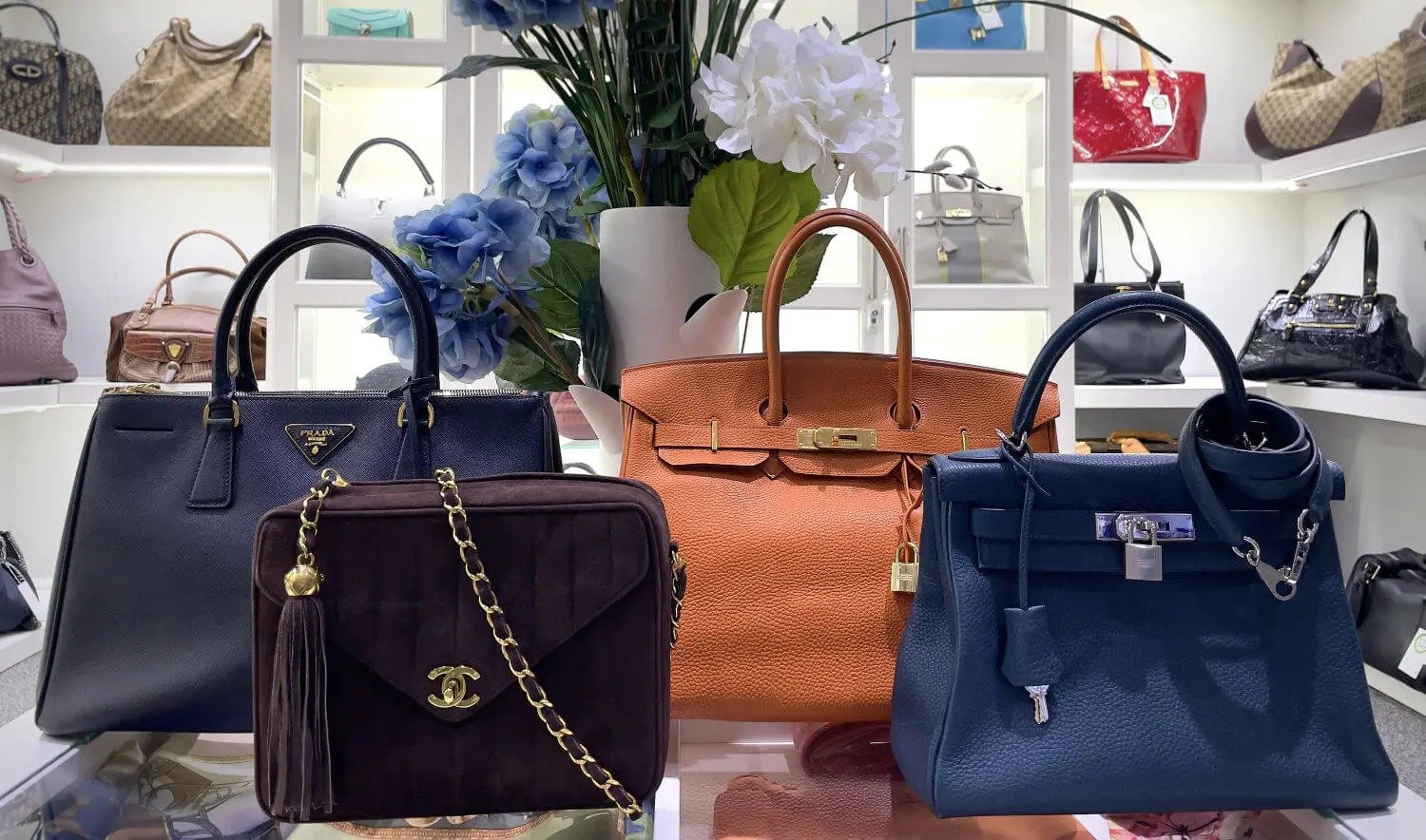
The next handbag you buy could be the one you don’t need. Instead of chasing every trending silhouette or viral colour, a growing style philosophy is encouraging women to build a five-bag wardrobe—one where every piece has a clear purpose and earns its place through versatility rather than hype.
The formula starts with a large structured tote, described as the hardest-working bag in the collection.
Whether you’re heading to an office in Accra, a university lecture or catching a flight, its rigid shape keeps it looking polished while carrying everything from laptops to travel essentials.
It’s the kind of bag that quietly signals organisation without trying too hard.
From there, the focus shifts to everyday practicality. A crossbody bag becomes the hands-free companion for shopping, commuting and crowded streets, while also discouraging the habit of overpacking.
The structured top-handle bag takes over when the occasion calls for sharper dressing, offering the elegance of a handbag with the flexibility of a detachable strap.
The softer shoulder bag introduces a more relaxed silhouette, sitting comfortably under the arm for everyday wear.
Then comes the evening essential: a clutch, with metallic gold or silver recommended as the smartest first investment before experimenting with crystals, pearls or dramatic minaudière designs.
The colour strategy is just as deliberate. Black, tan, dark brown, burgundy, navy and cream create a foundation that works across seasons, while brighter shades become accents rather than impulse purchases.
The appeal of this approach reaches beyond fashion. Across Ghana’s growing style community, where local designers are increasingly championing longevity over disposable trends, thoughtful wardrobe building is becoming part of personal branding.
The five-handbag rule reflects a wider shift towards buying with intention—a reminder that true luxury isn’t owning the most bags, but owning the right ones.






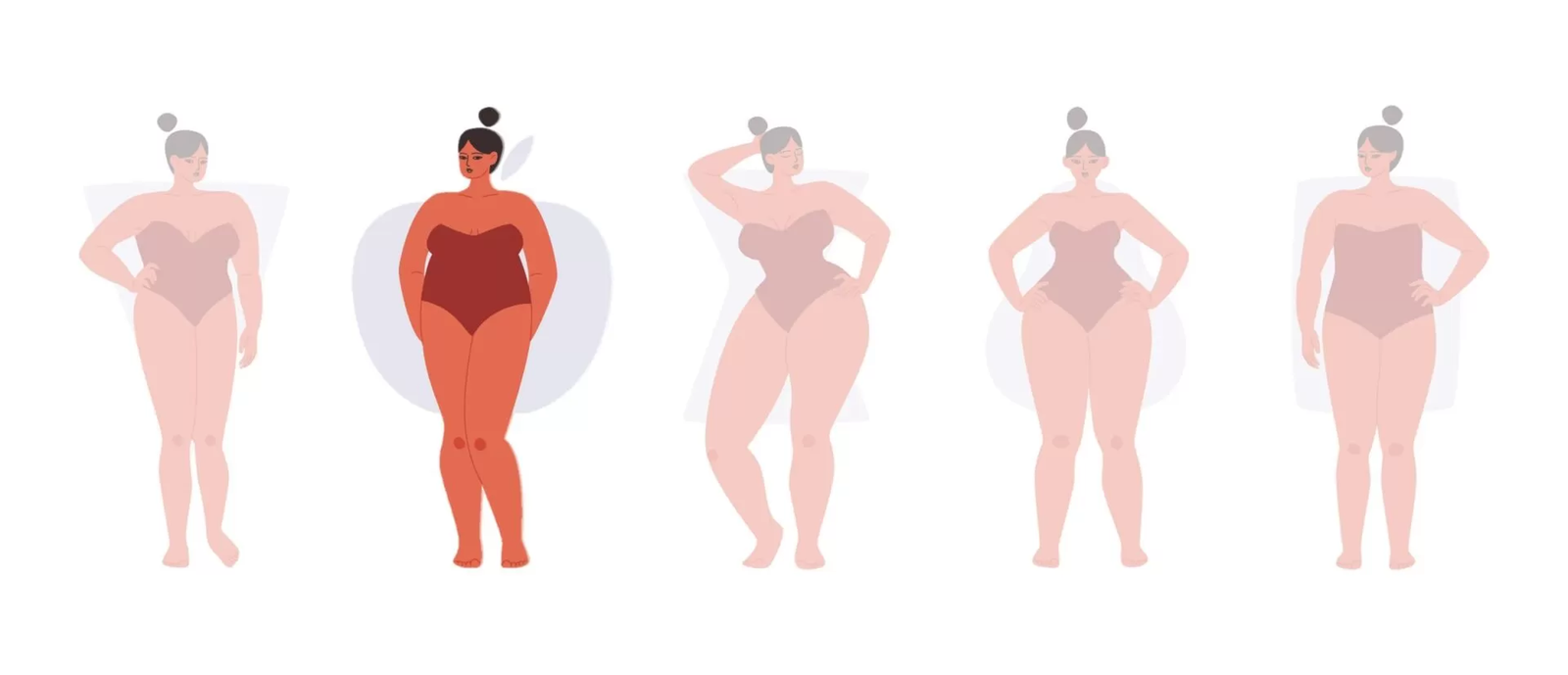
Great style is not always about chasing trends or buying the latest designer outfit. Sometimes, it comes down to understanding how different cuts, colours and patterns work together to create a silhouette that feels comfortable and confident.
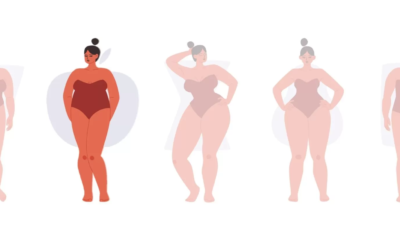
For people with an apple-shaped body, a few thoughtful wardrobe choices can open up fresh possibilities for personal style.
The Power of Shape and Structure
An apple-shaped figure typically carries more fullness around the midsection, with the shoulders and upper body often appearing broader than the hips.
Rather than hiding the body, strategic styling can create balance while allowing personal taste to lead.
A peplum top paired with white-leg jeans, for example, can introduce definition around the waist while adding structure to an everyday outfit. Wrap dresses offer another option, using adjustable fabric and diagonal lines to draw attention towards the waist.
Structured V-neck tops paired with bootcut jeans can also create visual balance between the upper and lower body.
For occasions that call for something more polished, ruched dresses in solid colours provide texture and shape, while dresses with darker side panels can create a subtle contouring effect.
Patterns deserve consideration, too. Strong horizontal lines may emphasise width in certain areas, whereas diagonal details can guide the eye across the body and create a different visual effect.
These are styling suggestions, not rigid rules: fabric, fit and individual proportions all influence how an outfit looks.

Confidence Beyond the Clothing
For Ghanaian fashion lovers, where tailored outfits, colourful prints, occasion dresses and contemporary streetwear all have a place in personal expression, these principles offer another way to approach the wardrobe.
A peplum blouse can work for a professional setting, while a wrap dress can transition easily from a social gathering to an evening event.
Ultimately, dressing well is less about fitting a body into fashion rules than finding clothes that make the wearer feel at ease.
The best outfit is one that works with your proportions, reflects your personality and lets confidence take centre stage.
Fashion & Style
Christian Louboutin’s Kumasi Visit Puts Ghana’s Footwear Craftsmanship in the Spotlight
Christian Louboutin is famous for turning a flash of red beneath a heel into one of fashion’s most recognisable luxury signatures.
Now, the French designer’s reported visit to Kumasi is raising a bigger question: could Ghana’s Garden City become a new meeting point for international luxury fashion and local craftsmanship?
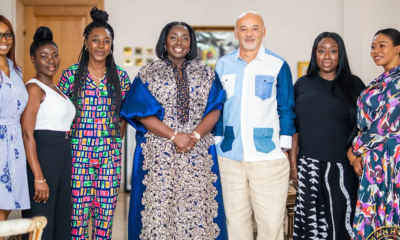
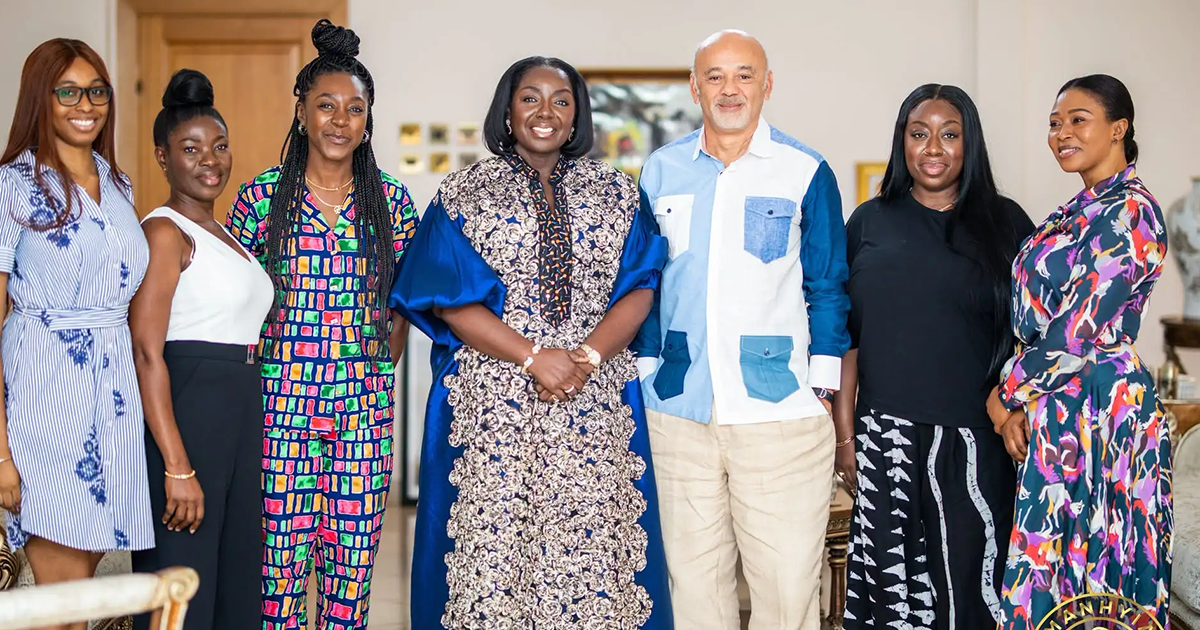
Louboutin met Lady Julia Osei Tutu, wife of Asantehene Otumfuo Osei Tutu II, at her private residence on October 12, 2026, following his attendance at the Akwasidae Festival at Manhyia Palace.
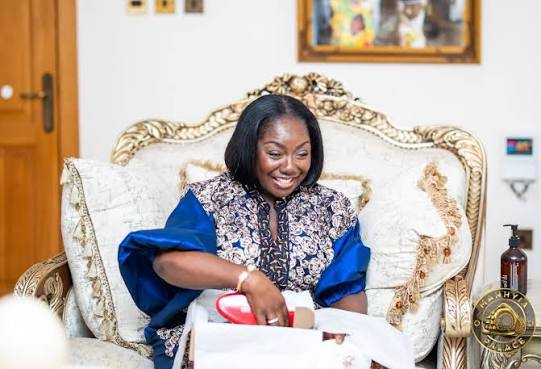
Accompanied by members of his team and representatives of Studio Dream, the designer’s visit has drawn attention to discussions about a possible Christian Louboutin outlet in Kumasi.
The significance extends beyond luxury retail. Kumasi has a longstanding reputation for craftsmanship, commerce and creative enterprise, while Ghanaian shoemakers and leatherworkers contribute to a wider fashion industry built on practical skill and entrepreneurial ambition.
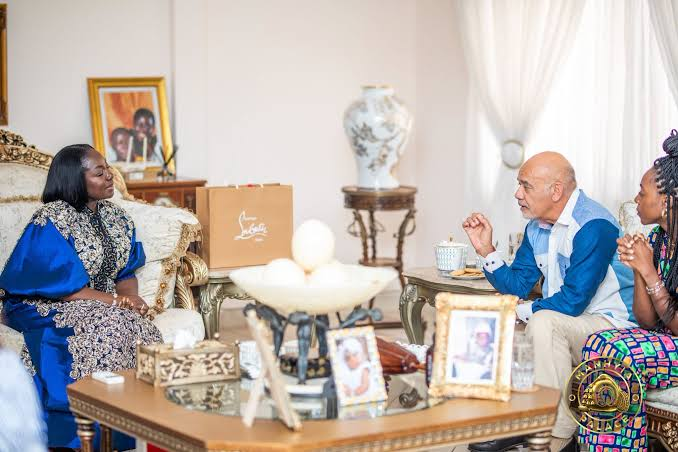
An international luxury brand exploring a presence in the city invites questions about how global fashion houses might engage with local talent.
Could such interest create opportunities for Ghanaian artisans, strengthen professional networks or bring greater international visibility to the country’s footwear makers?
For now, these possibilities remain speculative. No confirmed announcement establishes a production partnership with local manufacturers, and the reported discussions centre on the possibility of an outlet rather than a footwear factory.
Still, the encounter offers a compelling fashion story. Louboutin’s presence around Akwasidae, an important Asante royal festival, also places the visit at the intersection of luxury branding, cultural heritage and traditional authority.
Whether Kumasi eventually becomes a retail destination for the red-soled heels or something more, the conversation highlights an opportunity: Ghana’s creative industry deserves attention not only as a source of inspiration, but also as a potential partner in the global fashion business.
Fashion & Style
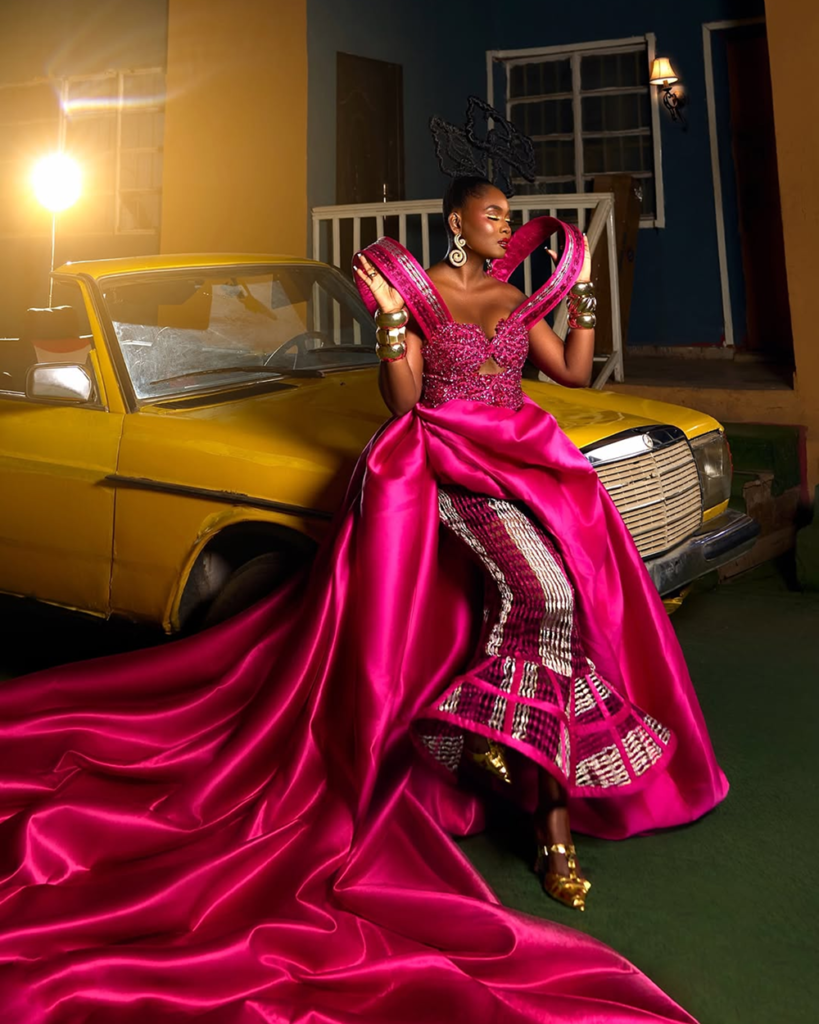
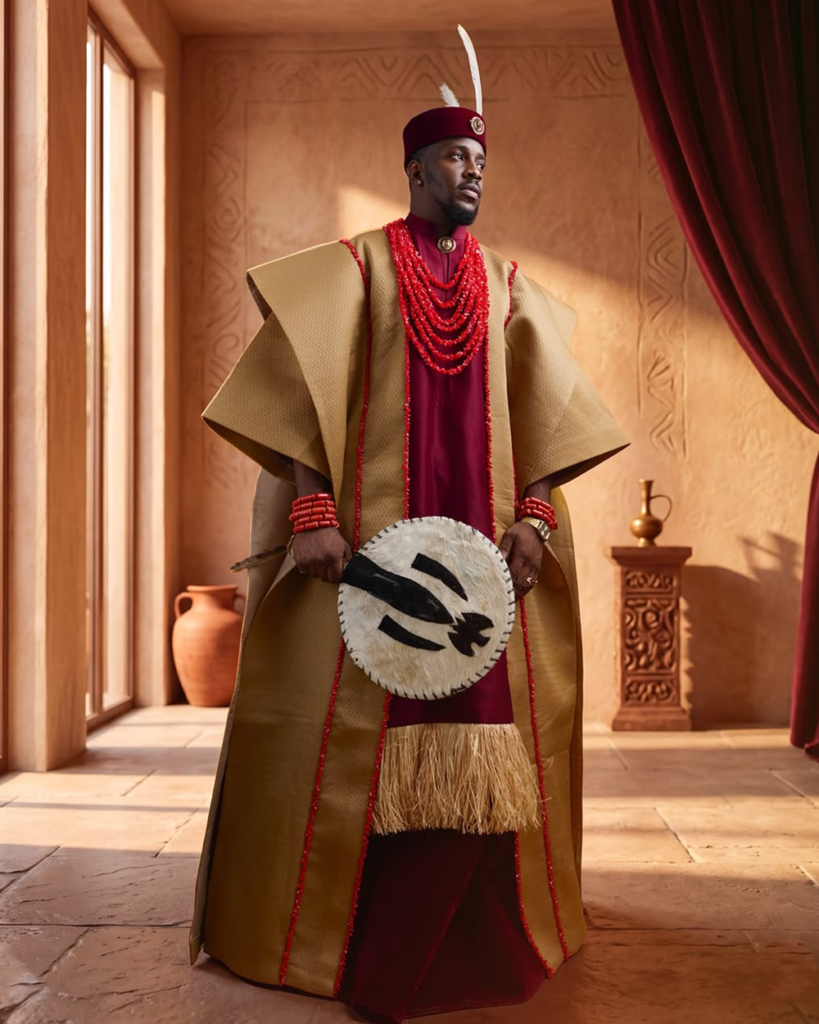
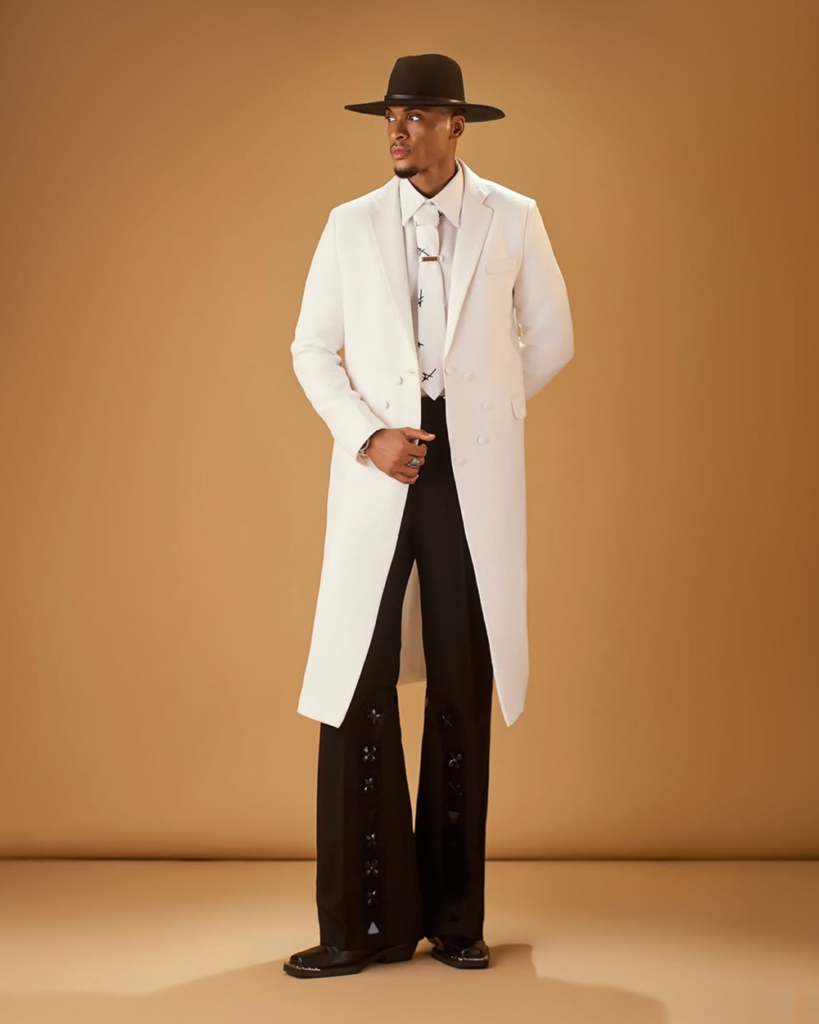
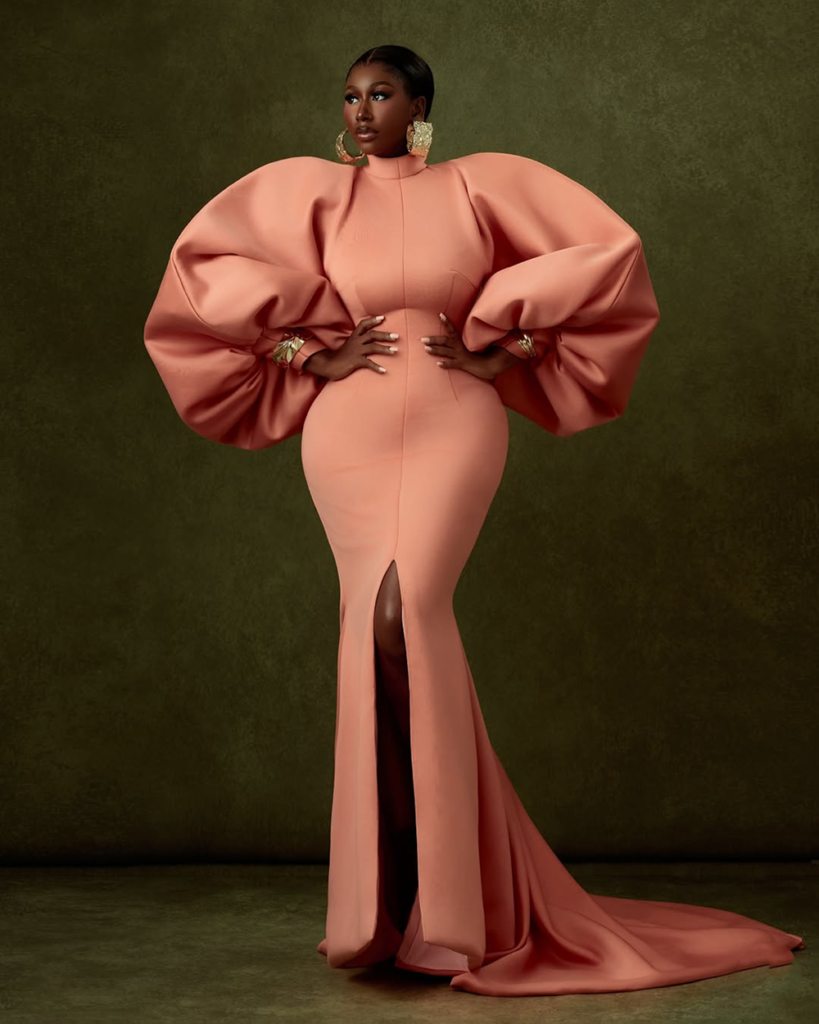
Twenty Years, One Red Carpet: BellaNaija Celebrates Two Decades of African Culture in Style
Some birthdays are marked with cake. BellaNaija marked twenty years with a runway.
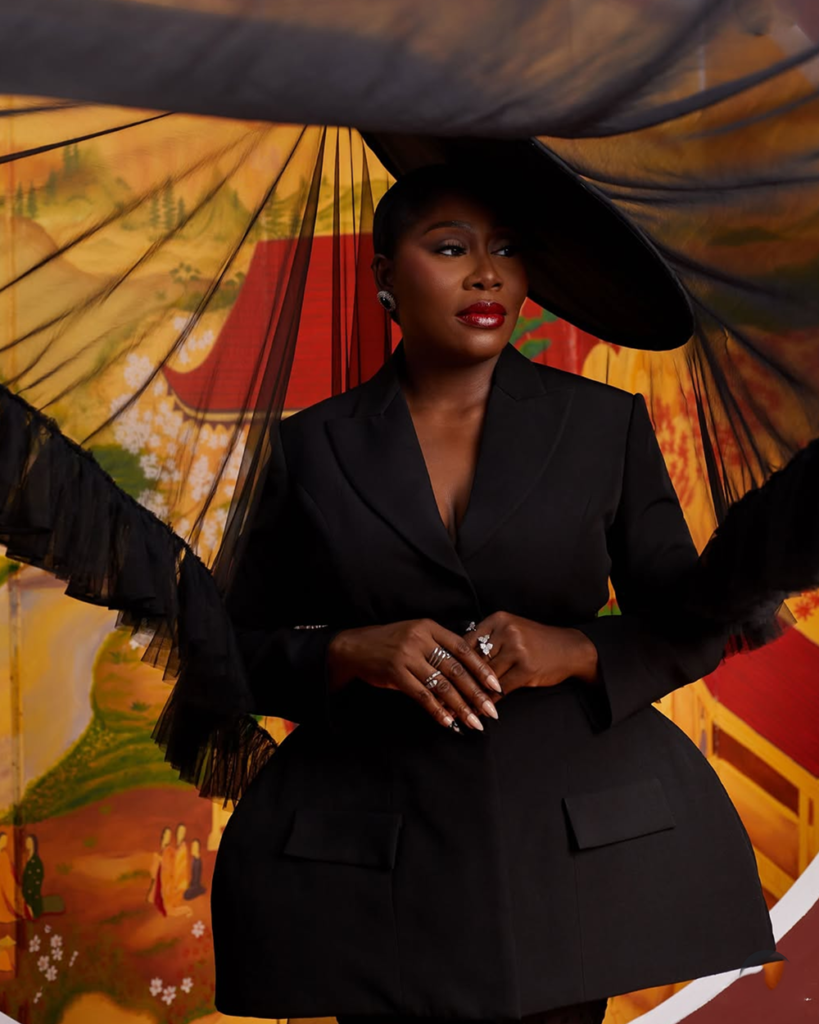
On October 2, the Nigerian media powerhouse gathered some of the country’s biggest names for its BN20 High Fashion Icon Grand Red Carpet Experience, and the theme was never going to allow a quiet night.
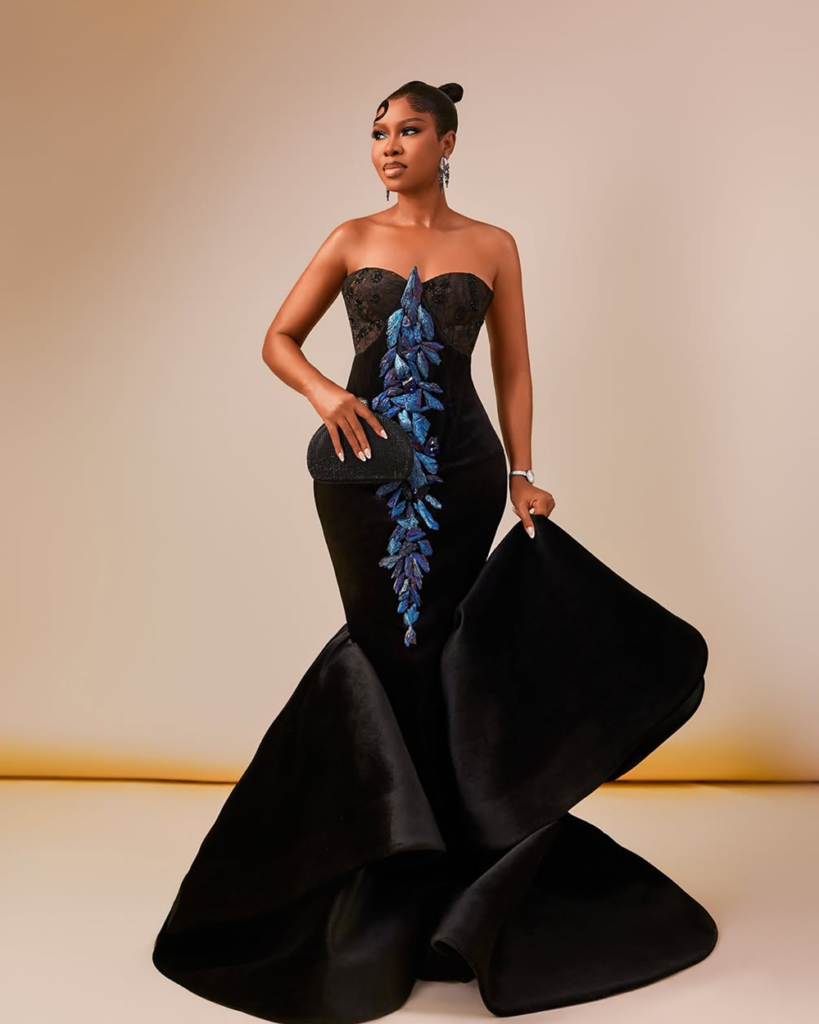
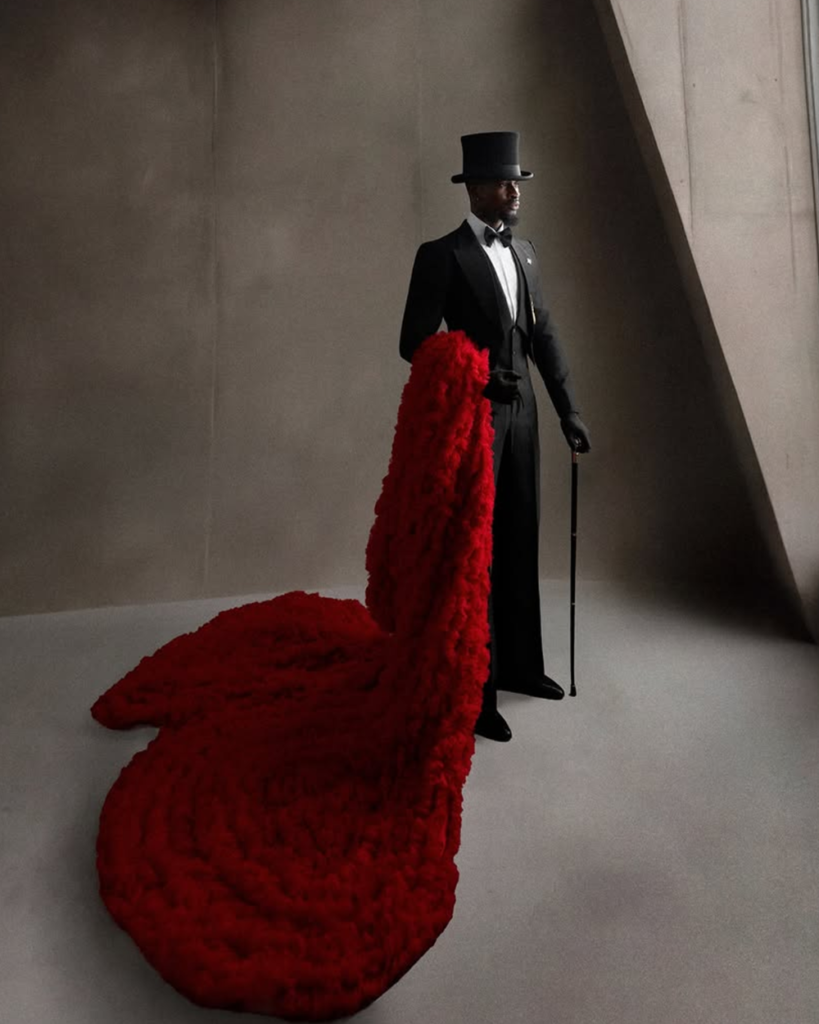
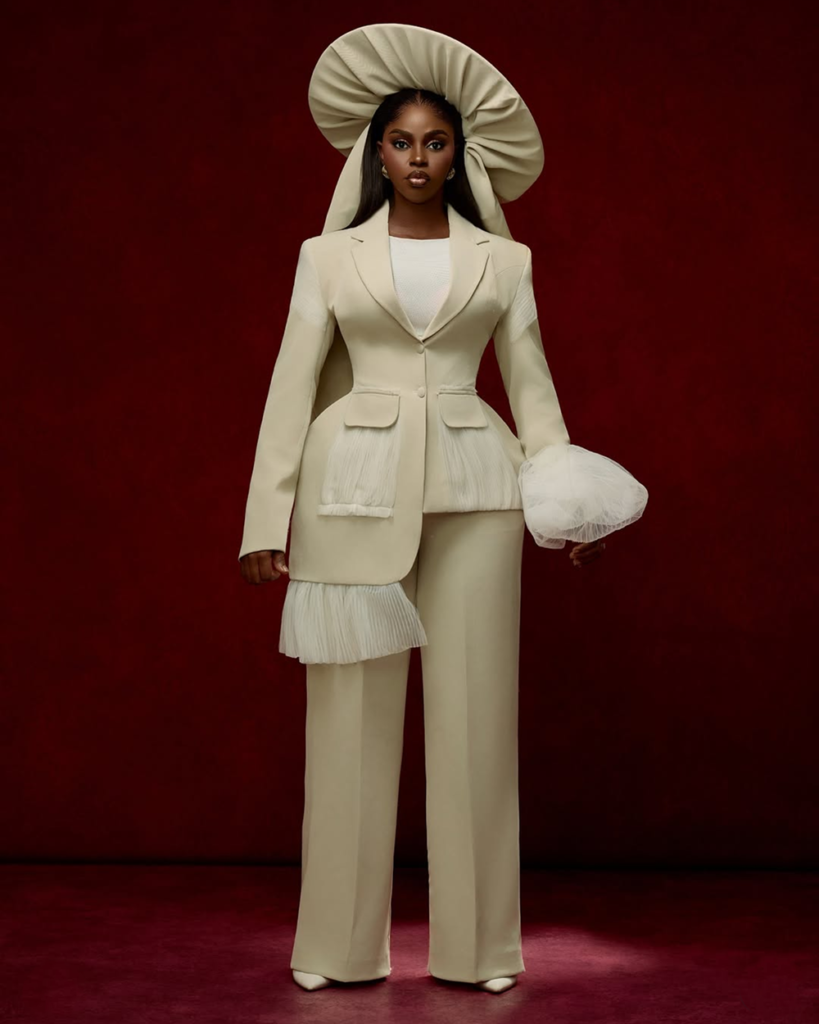
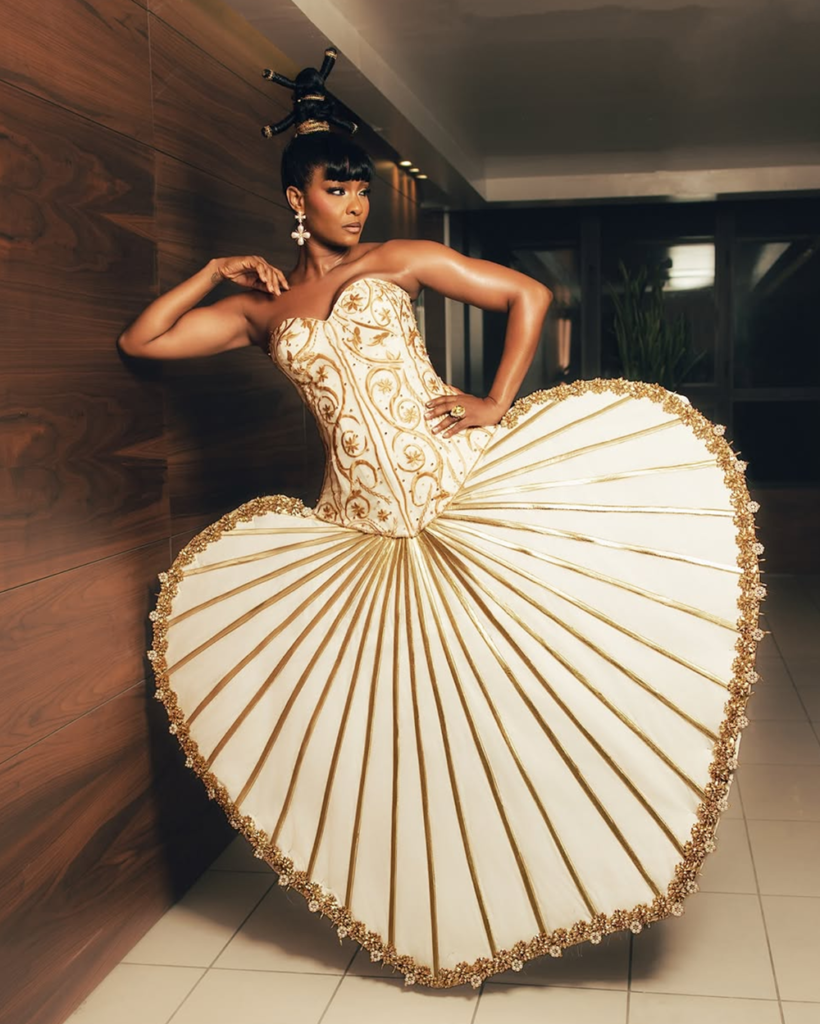
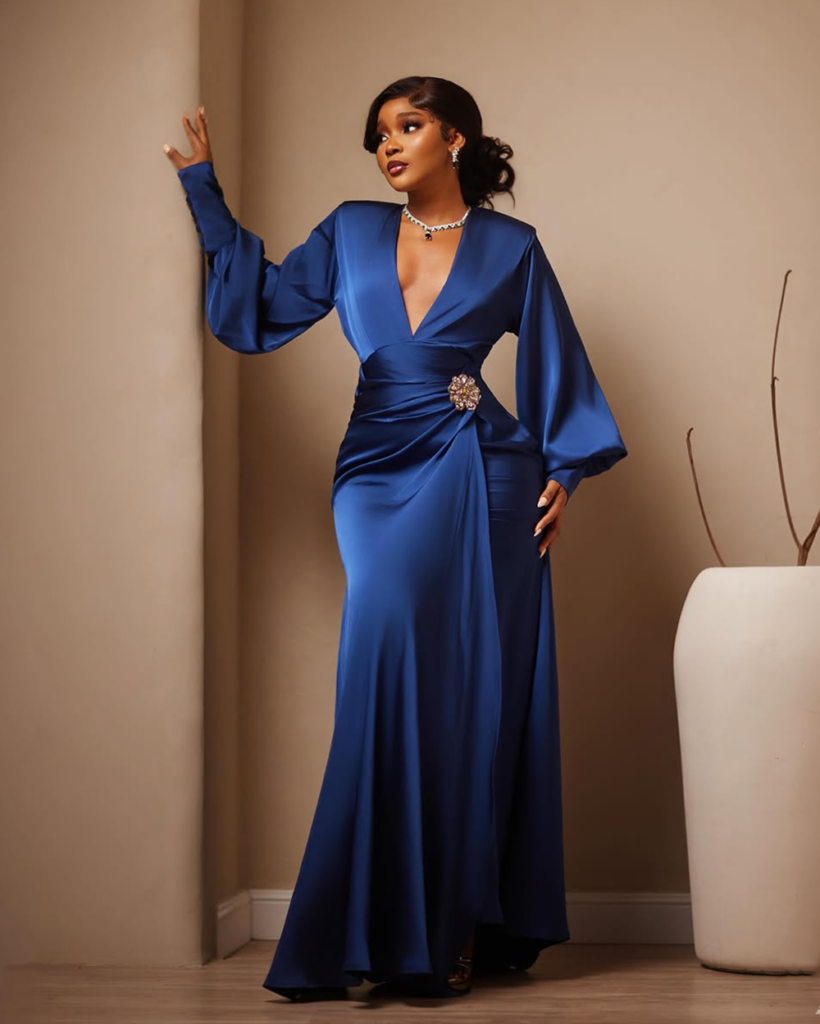
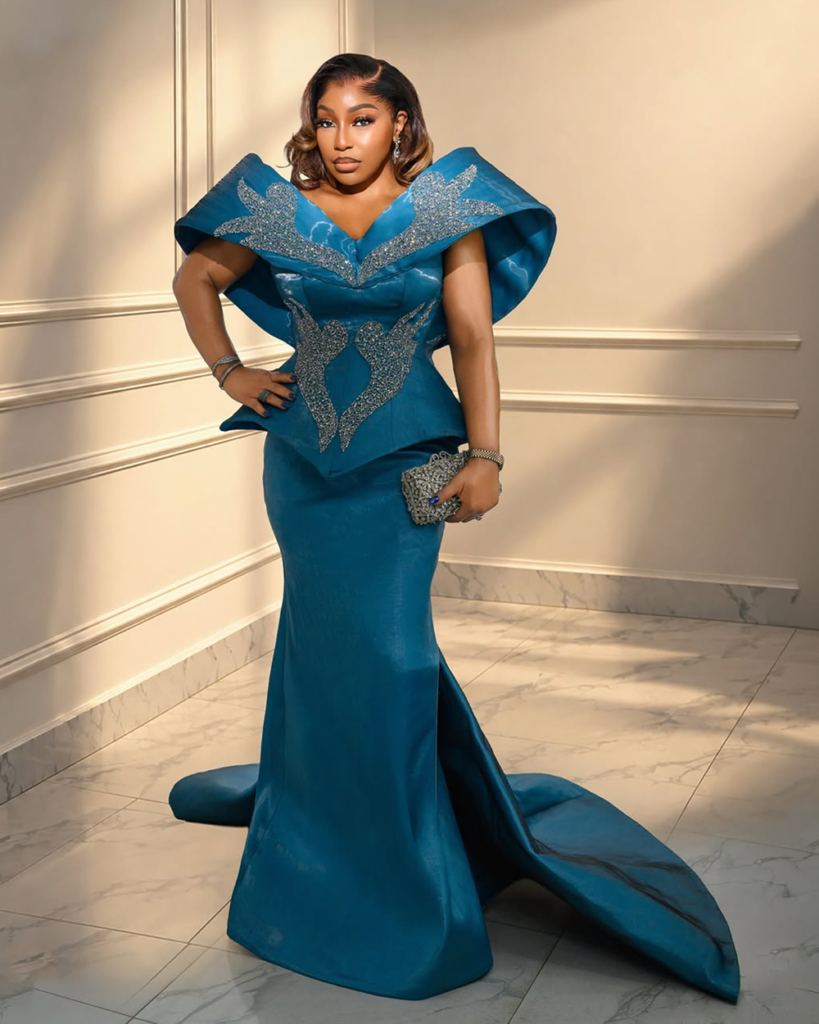
Guests arrived ready to interpret “icon” in leather, velvet and architectural gold.
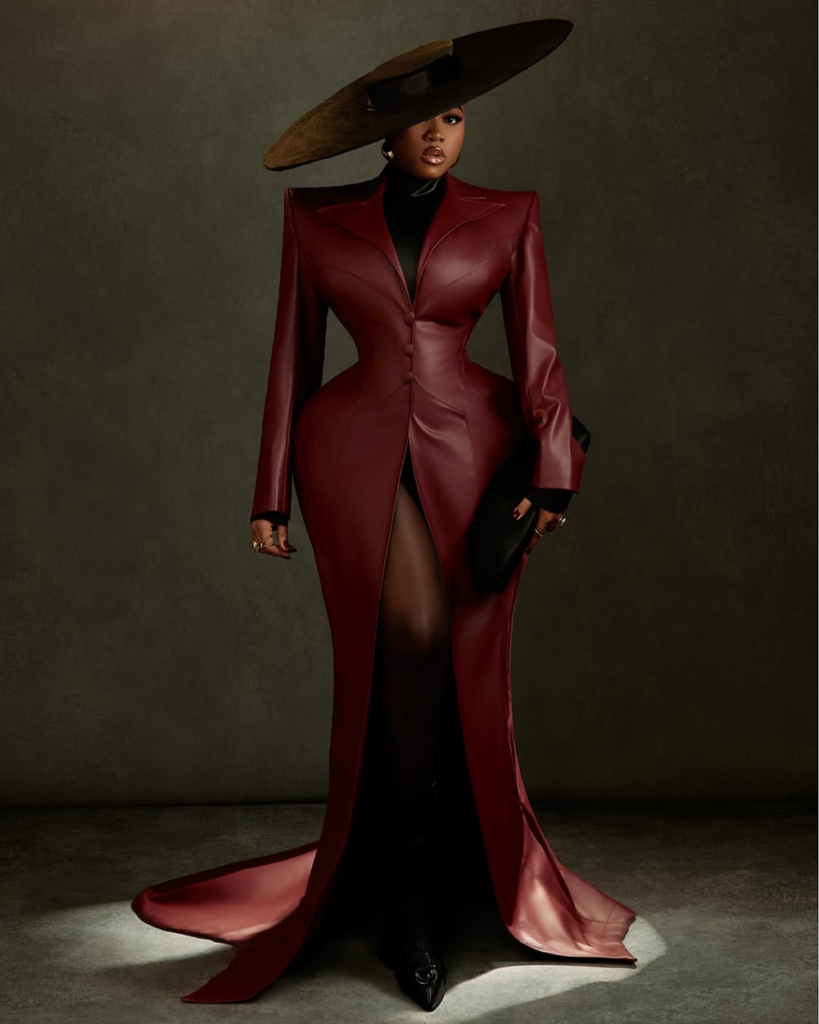
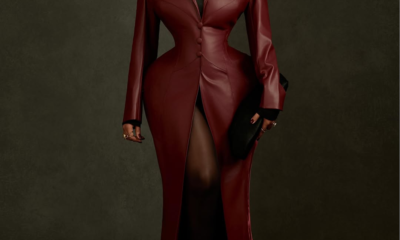
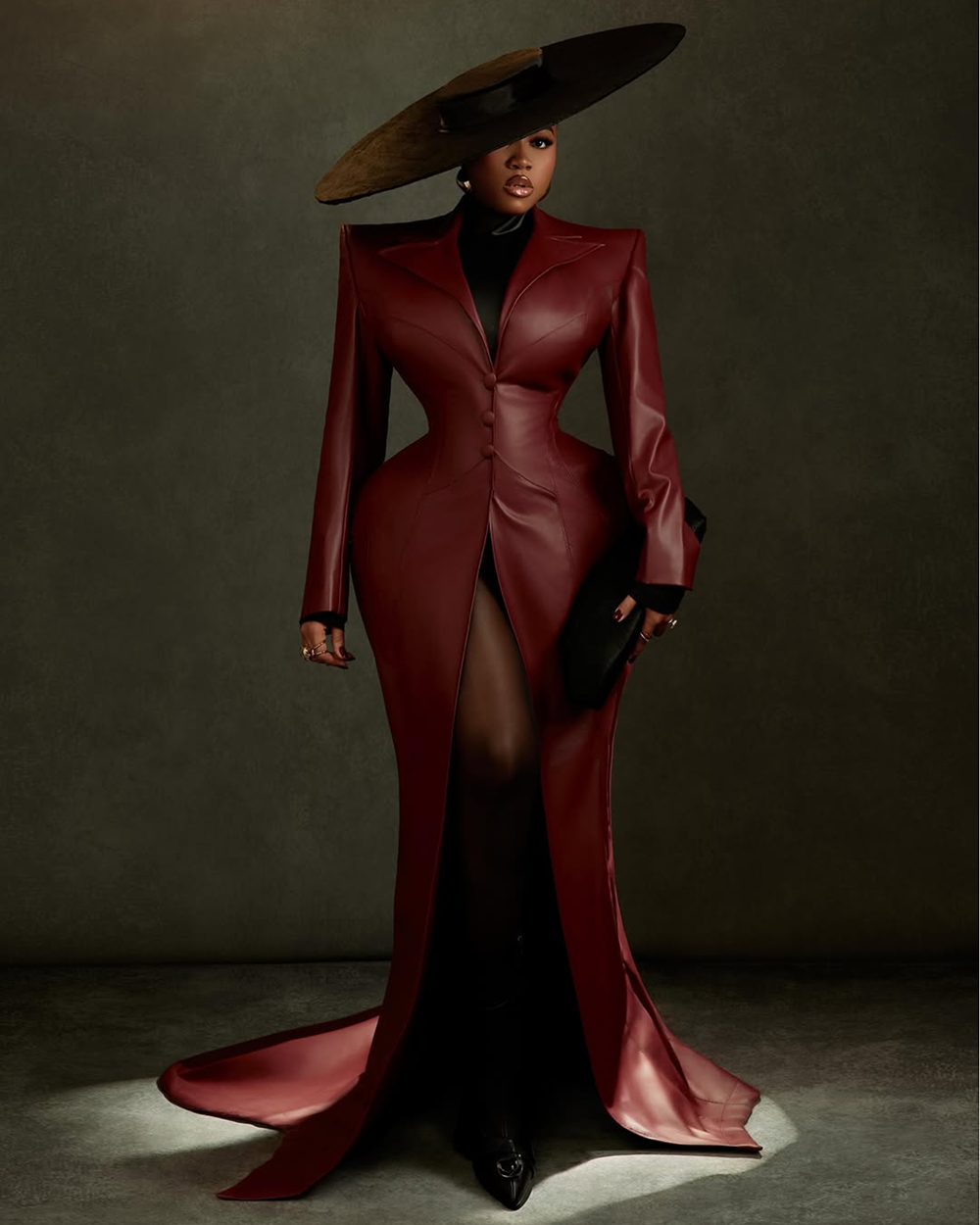
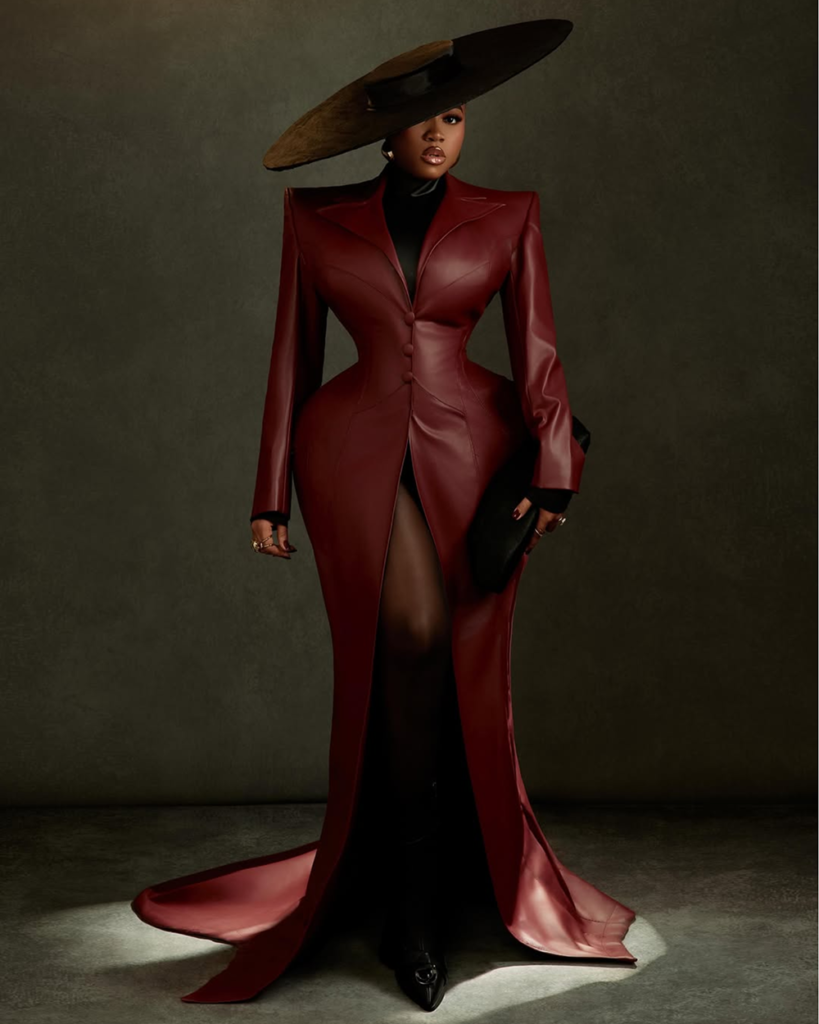
Veekee James set the tone early in a custom oxblood leather coat-gown by Abbas Woman, its exaggerated shoulders and sculpted hips crowned by an oversized black hat.
Mercy Eke chose icy glamour instead, drifting down the carpet in blue velvet with cobalt detailing and pearl-inspired embellishments.
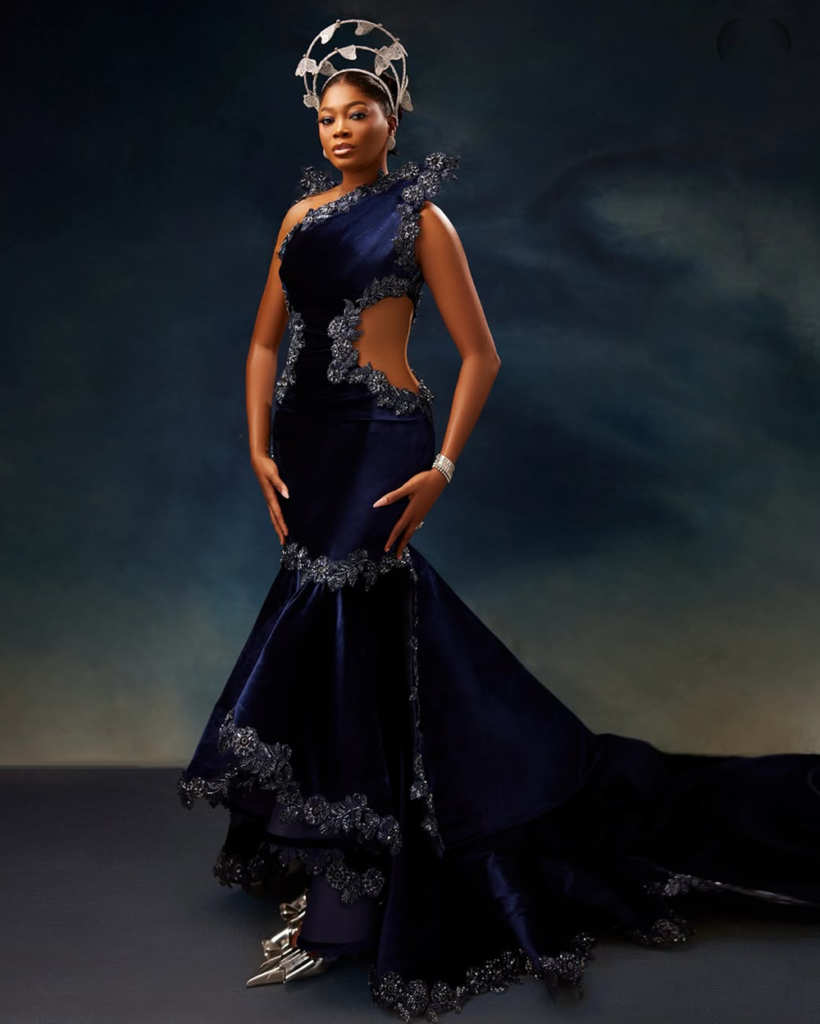
Osas Ighodaro brought structure and shine in ivory and gold, while Mide Iwasokun delivered the night’s most theatrical moment: a white Komeh Swish gown with a fan collar and a cascading ruffled train that refused to go unnoticed.
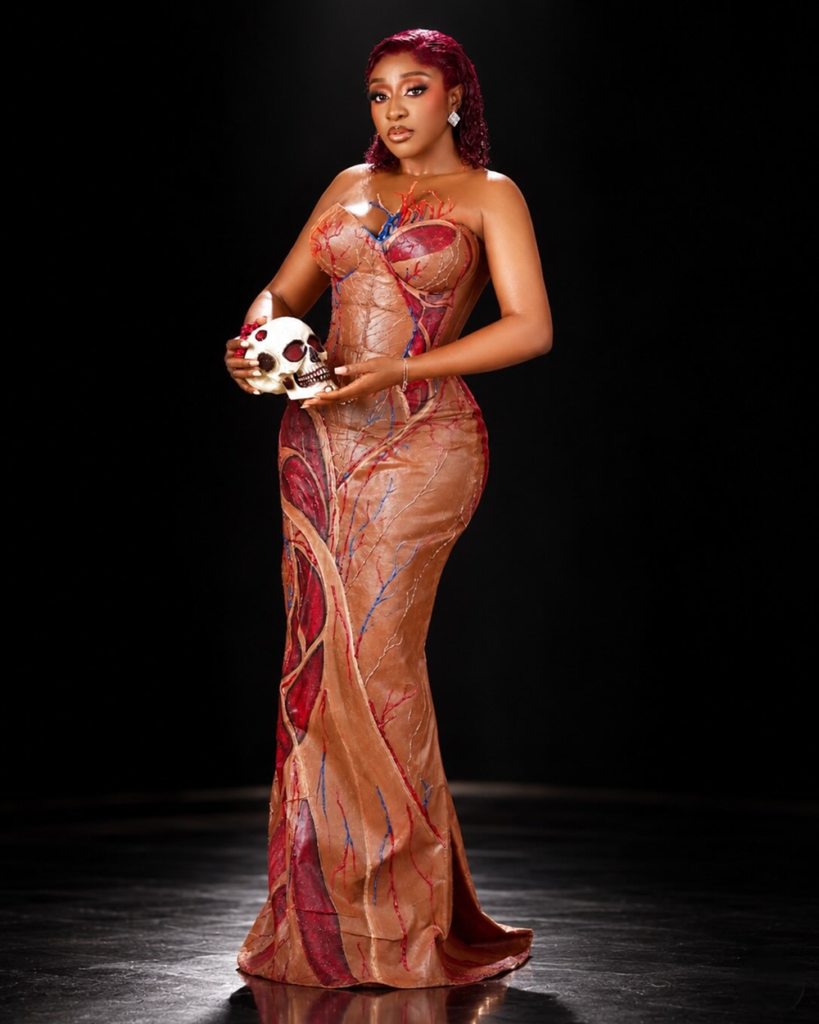
The roll call read like a living archive of Nigerian pop culture. Mercy Eke, Rita Dominic, Ini Edo, Ebuka Obi-Uchendu, Denrele Edun, Mai Atafo, Idia Aisien and Blessing Nze shared a room that blurred the line between guest list and guest book.
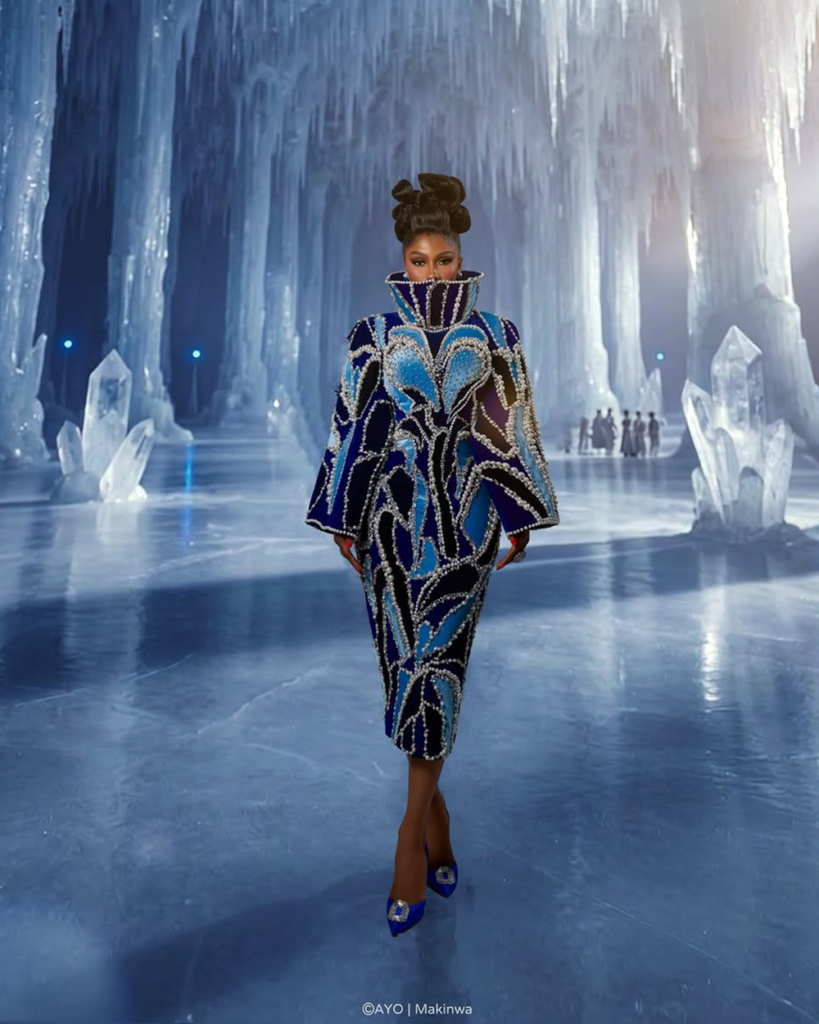
That was the quiet achievement beneath the flashbulbs. When BellaNaija launched in 2006, social media had not yet reshaped culture, and African fashion and entertainment were still fighting for global attention.
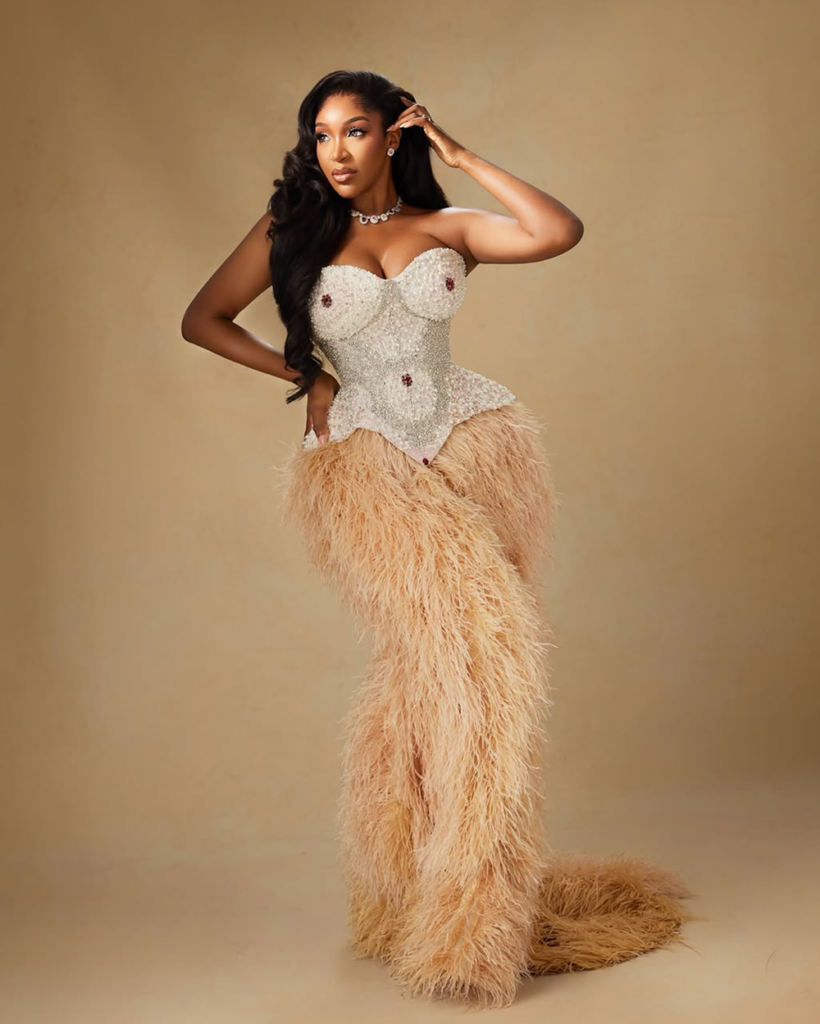
Two decades later, the platform has grown into a brand that no longer simply covers the culture, it helps shape it.
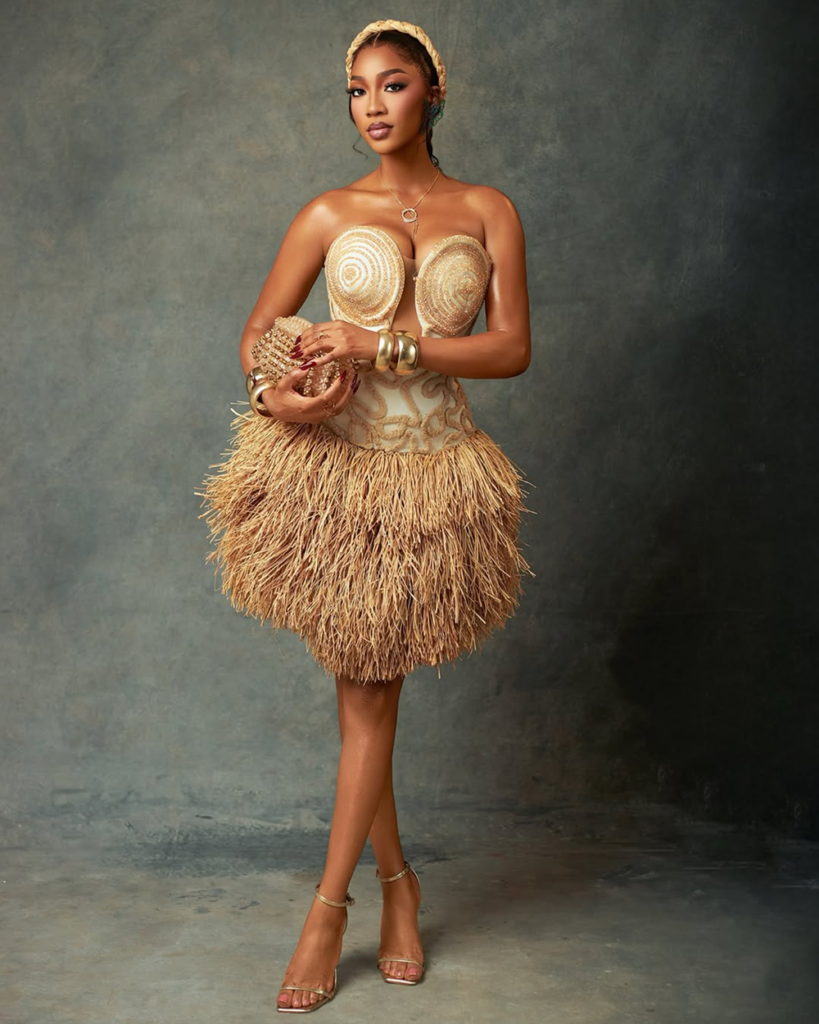
For anyone watching from Accra, Nairobi or London, the message landed clearly: African storytelling has arrived, and it dresses exceptionally well.



-

 Ghana News1 day ago
OBITUARY: Gamal Gorkeh Nkrumah, Son of Ghana’s Founding President, Dies in Cairo
-

 Sights and Sounds2 days ago
EPP BookShop at Legon: A Destination for Students, Families and Book Lovers
-

 Health & Wellness1 day ago
Walking Is More Than Exercise: Small Steps That Can Transform Your Health
-

 Festivals & Events1 day ago
MaddFest 2027: Welcome the New Year with a Night of Celebration in Accra
-

 Homes & Real Estate2 days ago
Building Smarter in Ghana: Could Plastic Rebar Clips Improve Construction Efficiency?
-
 Arts and GH Heritage1 day ago
Inside Togo’s Abandoned Colonial Building, African Artists Reclaim Cultural Memory
-

 Global Update1 day ago
Wave of Student Killings at Mexico Universities Raises Safety Concerns
-

 Ghana News1 day ago
Mahama to Churches: The Real Sermon Is Written After the Closing Prayer