
Arts and GH Heritage
Rhythm of Dagbon: How Bamaya and Takai Preserve Northern Ghana’s Cultural Memory
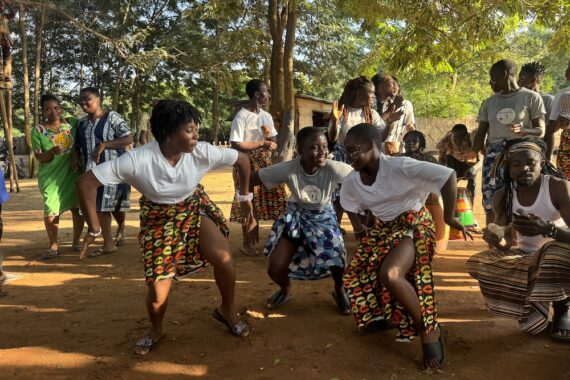
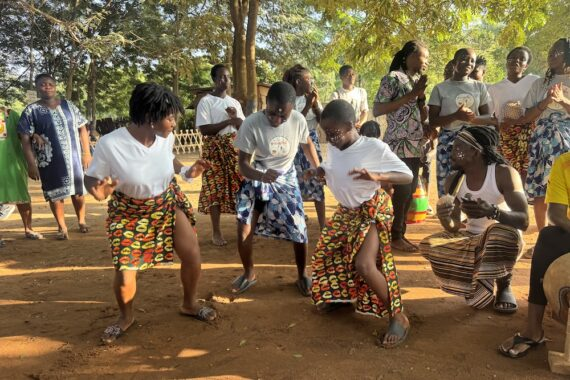
In the courts and ceremonial grounds of the Dagomba people, two dances often rise above the others for their history and symbolism: Bamaya and Takai.

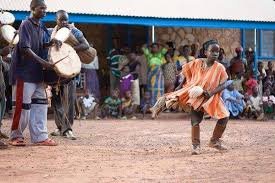
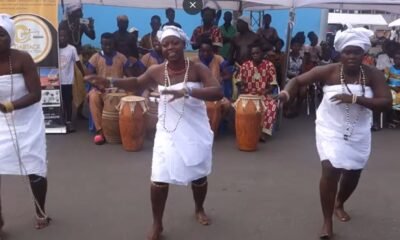
Drums roll across the savannah of northern Ghana, their rhythm sharp and commanding. Dancers step forward in bright traditional attire, shoulders squared and feet striking the earth with deliberate confidence.
In the courts and ceremonial grounds of the Dagomba people, two dances often rise above the others for their history and symbolism: Bamaya and Takai. Each carries a story—one born from hardship and humility, the other from discipline and warrior pride.
A Dance Born from Drought
The origins of Bamaya trace back generations in the northern kingdom of Dagbon. Oral history tells of a devastating drought that once gripped the land. Crops failed, rivers thinned, and the community searched desperately for answers.
According to tradition, the elders consulted spiritual leaders who revealed an unusual cause: the men of the community had angered the gods through their treatment of women. To restore balance and bring rain, the men were instructed to humble themselves by dressing in women’s clothing and performing a dance that honored femininity.
Reluctantly at first, the men obeyed. They tied cloth around their waists, covered their heads, and danced in exaggerated movements meant to mimic the grace of women. Soon after, rain is said to have returned to the land.
From that moment, Bamaya—often translated as “the river has overflowed”—became part of Dagomba tradition. Even today, the dance preserves that symbolic gesture: male performers wear skirts and scarves while moving energetically to the beat of drums and flutes. What began as a ritual act of humility evolved into one of northern Ghana’s most recognizable cultural performances.
The Discipline of Takai
While Bamaya carries a playful and dramatic origin story, Takai reflects a different side of Dagomba heritage. This dance emerged from the traditions of warriors and royal court performers who entertained kings and chiefs.
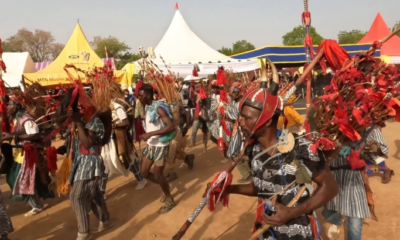
Takai movements are controlled and deliberate. Dancers wear traditional smocks and trousers, often decorated with talismans believed to offer protection. Their steps are measured, shoulders steady, arms firm. The rhythm of the drums drives the performance, while dancers maintain a dignified composure that reflects strength and discipline.
Historically, Takai was performed at royal gatherings and important ceremonies within the Dagbon kingdom. It honored bravery, unity, and the cultural authority of traditional leadership.
Tradition Alive in Northern Ghana
Today, both dances remain central to celebrations across northern Ghana, especially in communities around Tamale. Festivals, cultural events, and state ceremonies often feature Bamaya’s lively flair and Takai’s regal precision.
For the Dagomba people, these dances are more than entertainment. Bamaya serves as a reminder of humility, respect, and the delicate balance between people, nature, and spirituality. Takai, in contrast, celebrates discipline, heritage, and the enduring structure of traditional authority.
Together, they tell a broader story about Dagomba identity—one shaped by resilience, spirituality, and a deep respect for history. To watch the dances today is to witness living history in motion, where every drumbeat echoes generations of memory.









Arts and GH Heritage
Inside Togo’s Abandoned Colonial Building, African Artists Reclaim Cultural Memory
A shared bowl of palm wine, a handful of kola nuts or a lively exchange between market traders can tell a story that words alone cannot capture.
In Atakpamé, Togo, artists Kojo Biney and Ray Agbo are exploring these everyday encounters as powerful expressions of African identity, using art to reconnect cultural memory with a complicated colonial past.
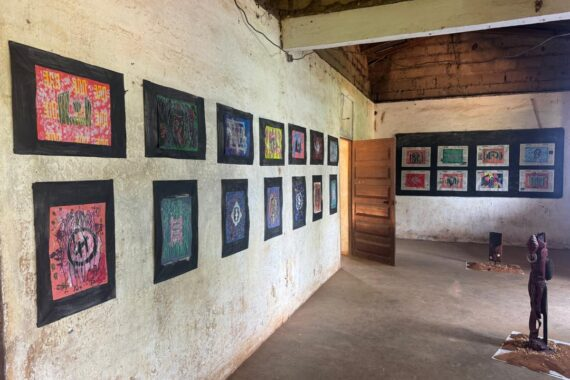
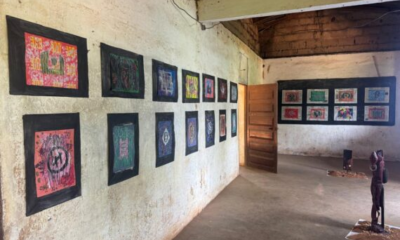
Their exhibition, Conversations: Symbolism and Lifestyle, forms part of the Karp Kamina Artists and Researchers Residency 2026.
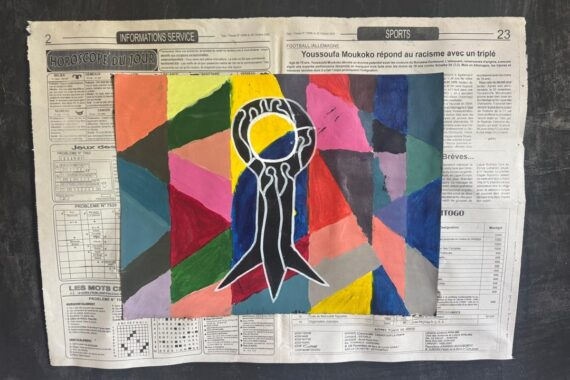
Presented inside an abandoned German colonial building, the exhibition brings paintings and sculptures into dialogue with newspaper pages, creating an unusual encounter between personal memory, public history and contemporary African expression.
Reading the Symbols of Everyday Life
Atakpamé, known as the “city of seven hills”, sits within a cultural landscape shaped by Ana and Ewe-speaking communities. Here, social relationships are often expressed through gestures, shared rituals and objects whose significance extends beyond their practical use.
Biney and Agbo draw attention to these familiar practices, inviting audiences to recognise the cultural knowledge embedded in ordinary interactions.
Their work suggests that traditions survive not only through formal ceremonies or written records, but also through repeated acts of hospitality, negotiation and togetherness.
A Colonial Space, Reclaimed Through Art
The exhibition’s setting adds another dimension. A building associated with German colonial rule becomes a place where contemporary African artists examine the identities and relationships that history cannot fully contain.
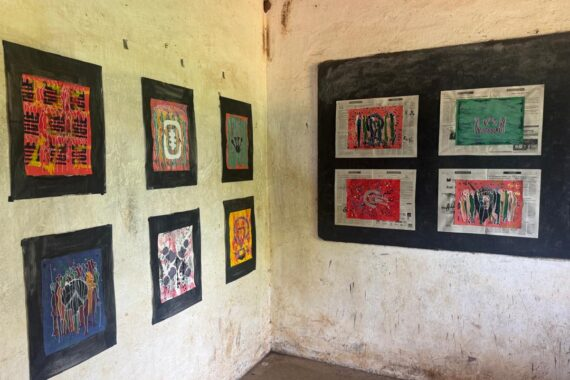
The newspapers displayed alongside the artworks further complicate the encounter, prompting questions about whose stories are recorded and how collective memory is preserved.
Closing on October 16, 2026, the exhibition offers a timely reminder that heritage is not simply inherited; it is continually interpreted.
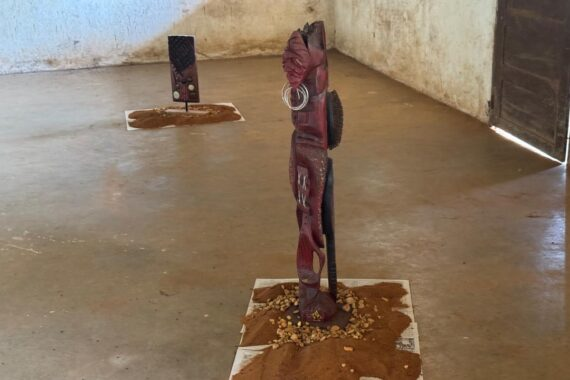
By transforming an abandoned building into a space for artistic exchange, Biney and Agbo invite visitors to see cultural memory as something communities can actively question, share and renew.
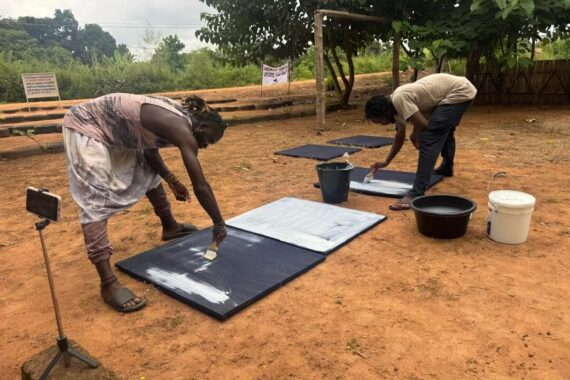
An international residency in Togo is bringing history into conversation with contemporary art, inviting a new generation to rethink how cultural heritage is preserved and experienced.
The ruins of an old radio station might appear to belong to another time. At Karp Kamina in Togo, however, the past is finding new expression through music, dance, research and artistic experimentation.
On October 5, 2026, the Karp Artists and Researchers Residency opened with traditional music and dance, welcoming participants from Togo, Ghana, Benin, Norway and beyond for two weeks of creative exchange.
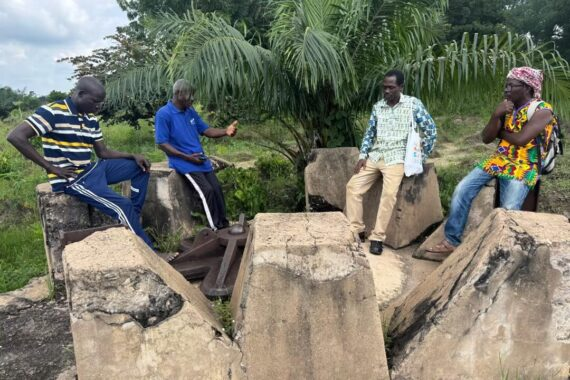
Their mission reaches beyond documenting history: it is about finding new ways to make that history matter today.
When History Becomes Creative Material
At the centre of the residency is Radio Kamina, whose history has shaped the site’s significance. Between 2016 and 2022, the programme concentrated on exploring more than a century of the station’s past.
The current initiative expands that work, inviting artists, academics, dancers, musicians and culinary practitioners to interpret the site through different creative disciplines.
The 2026 edition, themed Cultural Revitalization II: Reclaim • Reimagine • Revive, treats heritage as something that can evolve rather than remain confined to archives and physical remains.
Visits to historical and tourist sites around Karp Kamina provide further inspiration, connecting participants’ work to the surrounding cultural landscape and community.
A Shared Responsibility for Heritage
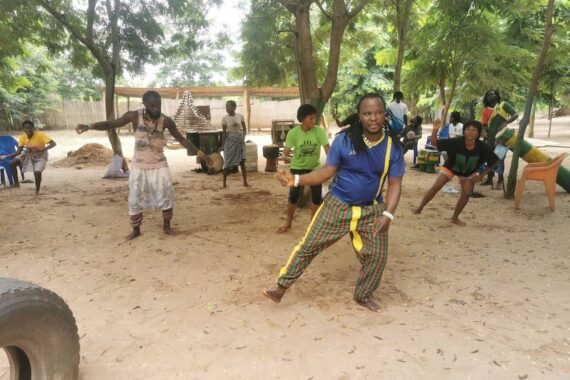
The residency also raises a question relevant across West Africa: who should shape the future of historic places?
Preservation requires more than artistic vision. Local residents, traditional leaders, public institutions and investors all have roles to play in ensuring that heritage initiatives benefit the communities connected to them.
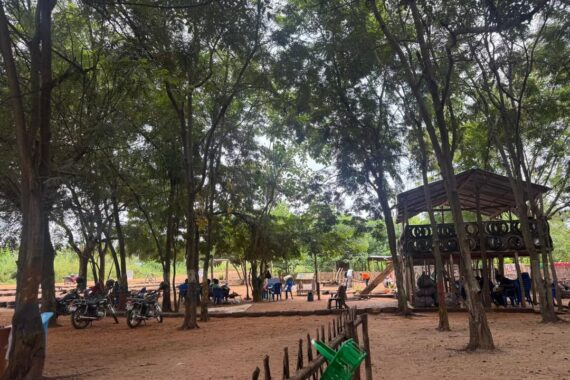
With support from local authorities and other sponsors, the project hopes to strengthen Kamina’s artistic life and attract wider cultural and research interest.
For Ghanaian audiences familiar with ongoing efforts to preserve historic forts, palaces and traditional arts, the initiative offers a related lesson: history becomes more meaningful when communities can engage with it creatively.
At Karp Kamina, the past is not simply being remembered. It is being given room to speak again.
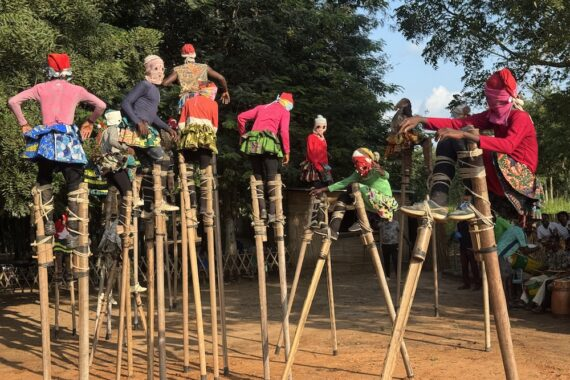
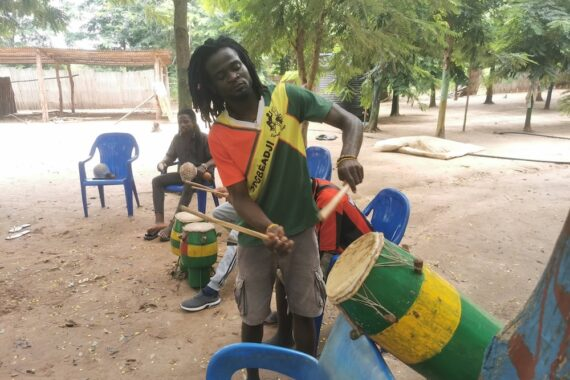
The 2026 edition of the Karp Kamina Artists and Researchers Residency began on a high note as the Zogbéadji Band, officially known as the Association Culturelle et Artistique Zogbéadji d’Atakpamé (ACAZOT), delivered a magnetic opening performance that transformed the gathering into a vibrant celebration of traditional music, dance, and cultural memory.
From the moment the drums began to speak, the atmosphere shifted. Drawing on years of discipline and experience, the performers unleashed a powerful blend of energetic dance and frenzied percussion that immediately captivated residents and participants.
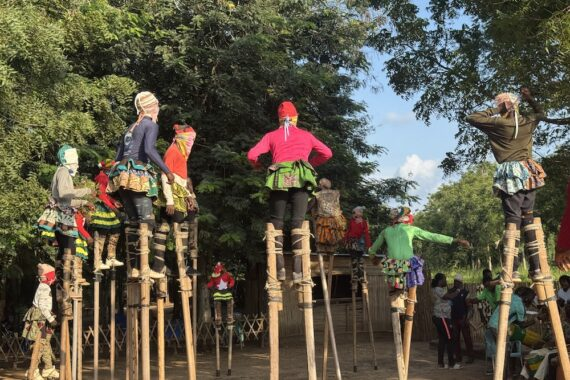
Their performance was not merely entertainment; it felt like an encounter with a living cultural tradition, expressed through rhythm, movement, costume, and ritual.
At the heart of the presentation was the spectacular Tchébé dance, one of the most visually stunning traditional dance forms in the repertoire.
Perched on towering wooden stilts that can reach as high as six meters, the dancers performed daring acrobatics with extraordinary confidence and balance.
Their movements were at once graceful and ferocious, creating moments of genuine suspense as they seemed to defy both gravity and physical limits.
The soundscape was equally commanding. Led by Tsèviska Le Baobab, the ensemble generated an intense, ground-shaking pulse that seemed to travel through the audience’s bodies.
Among the instruments was the sacred Aran-Lakou, or grand talking tom-tom, whose deep, resonant voice holds significance in the local Ifè language and tradition. In the hands of experienced percussionists, the drum became more than an instrument; it became a vehicle for communication, ceremony, and collective memory.
Visually, the performers reinforced the music’s power with vibrant traditional costumes and fierce body paint, creating a striking spectacle that complemented the relentless rhythm of the drums.
A gentler counterpoint came from young kora player Marie Jo Atikpolater, whose soft, flowing melodies brought a moment of calm amid the intensity. Her playing showcased the evening’s remarkable range, moving seamlessly from explosive percussion to the kora’s delicate resonance.
As an opening statement for the Karp Kamina residency, the Zogbeadji Band offered more than a performance. It presented tradition as dynamic, physical, and enduring—capable of thrilling contemporary audiences while carrying a people’s memory and identity into the future.



-

 Ghana News1 day ago
OBITUARY: Gamal Gorkeh Nkrumah, Son of Ghana’s Founding President, Dies in Cairo
-

 Festivals & Events1 day ago
MaddFest 2027: Welcome the New Year with a Night of Celebration in Accra
-

 Health & Wellness2 days ago
Walking Is More Than Exercise: Small Steps That Can Transform Your Health
-
 Arts and GH Heritage2 days ago
Inside Togo’s Abandoned Colonial Building, African Artists Reclaim Cultural Memory
-

 Global Update1 day ago
Wave of Student Killings at Mexico Universities Raises Safety Concerns
-
 Ghana News1 day ago
Mahama to Churches: The Real Sermon Is Written After the Closing Prayer
-

 Reels & Social Media Highlights1 day ago
Ghana’s Timeline Erupts: Showboy’s Crude Plea, Asantewaa’s Silence, and a Nation Divided
-

 Taste GH14 hours ago
Simple, Nourishing and Rooted in Tradition: Discover Ghana’s Kapala