
Sights and Sounds
10 Thrilling Festivals and Events to Supercharge Your December 2025 in Ghana!

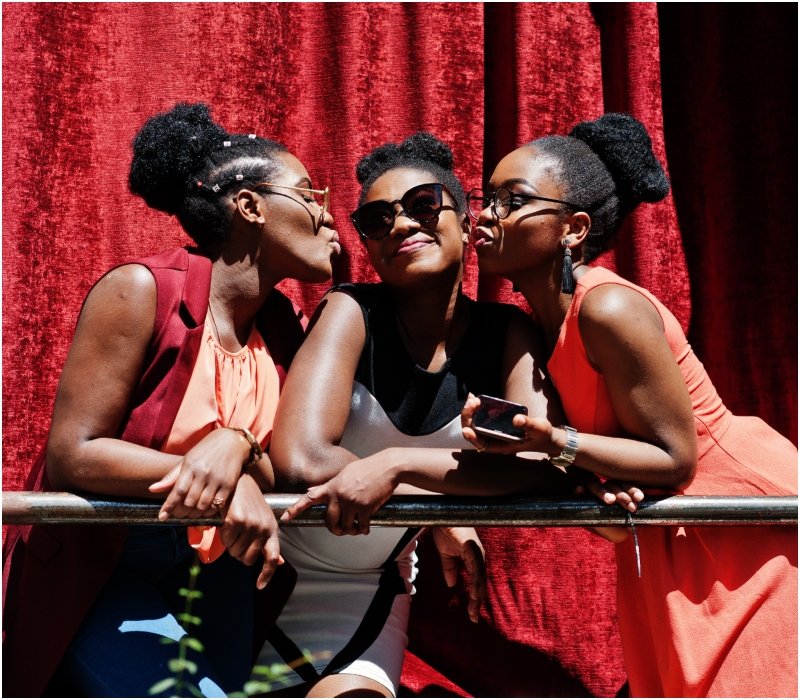
If you’re a Diasporan jetting back to the Motherland this December 2025 or a Ghanaian ready to reclaim the festive fire, buckle up.
From heart-pounding concerts under the stars to masquerade parades that blur the line between reality and revelry, these events are your ticket to unforgettable connections, epic nights, and that sweet homecoming high.
Ghana News Global (GNG) has curated 10 can’t-miss highlights (all kicking off from December 7 onward), backed by real sources. Grab your tickets, rally the squad, and let’s make memories that echo into 2026!
1. Detty December: The Epicenter of Ghanaian Joy
Kick off (or dive deeper into) the ultimate holiday takeover with Detty December itself—a whirlwind season of pop-up parties, cultural immersions, and non-stop energy from Accra’s beaches to Kumasi’s hidden gems.
Expect luxury tours blending Black joy, sisterhood, and West African swagger, perfect for Diasporans syncing with locals over jollof and Afrobeat.
Dates: December 1, 2025 – January 1, 2026 (ongoing vibes!)
Location: Nationwide, centered in Accra
Why Thrilling? It’s not just events; it’s a cultural renaissance where you reclaim roots amid fireworks and family reunions.
Link: Explore the full guide and book experiences
2. Afro-Brazil Ghana Festival: Rhythms That Cross Oceans
Feel the fusion frenzy as Brazilian beats collide with Ghanaian highlife in a explosive two-day celebration of shared African heritage. Dance through samba-infused workshops, live performances, and flavor-packed stalls—ideal for Diasporans tracing global Black connections.
Dates: December 12–13, 2025
Location: Gold Coast Restaurant & Cocktail Bar, Accra
Why Thrilling? It’s a passport-free adventure into Afro-diasporic synergy, with surprise collabs that leave you buzzing for days.
Link: Details and tickets here.
3. Medikal’s Beyond Control Concert & Outmosphere Festival: Double-Dose of Street Anthem Fury
Two back-to-back bangers: Medikal unleashes raw rap energy at Beyond Control, followed by Outmosphere’s atmospheric electronic waves. For returnees craving that unfiltered Ghanaian grit, this is your sonic homecoming.
Dates: December 13, 2025
Location: Accra (venues TBA)
Why Thrilling? Expect crowd-surfing chaos, pyrotechnics, and anthems that turn strangers into lifelong hype crews.
Link: Get details here.
4. Kweku Smoke’s Revival: Highlife Revival with a Modern Twist
Witness the resurrection of Ghana’s golden era as Kweku Smoke channels highlife legends into a fiery live set, blending nostalgia with next-gen flows. Locals and returnees unite in a sweat-soaked tribute to resilience.
Dates: December 18, 2025
Location: Accra
Why Thrilling? It’s a time-warp party where elders nod approval and youth lose their minds—pure generational magic.
Link: Click here for more details and tickets.
5. Black Sherif’s Zaama Disco: Afro-Pop Inferno
The Killa himself ignites the night with Zaama Disco, a high-octane disco-Afro fusion extravaganza packed with guest stars and laser-lit euphoria. Diasporans, this is your chance to vibe like you’re in the music video.
Dates: December 21, 2025
Location: Accra
Why Thrilling? Sweat-drenched dances, surprise drops, and that electric “I’m home” rush—non-stop heart-racers.
Link: Get on the events IG page for more details.
6. Small Havana Street Carnival: Caribbean Heat on Oxford Street
Transform Osu into a riot of colors with this daytime-to-nighttime carnival explosion—think jerk chicken feasts, DJ spins, and costumed parades channeling Havana’s sultry soul. Perfect for foodies and party nomads bridging worlds.
Dates: December 22, 2025
Location: Osu Oxford Street, Accra
Why Thrilling? From mellow sunset sips to midnight masquerades, it’s a flavor bomb that awakens every sense.
Link: Akwaaba Detty Guide
7. Bhim Fest: Stonebwoy’s Christmas Eve Domination
Stonebwoy storms the stage for Bhim Fest, a reggae-dancehall juggernaut on Christmas Eve, fusing global sounds with Ghanaian pride. Returnees, feel the bass thump through your veins like a family heartbeat.
Dates: December 24, 2025
Location: Accra
Why Thrilling? Pyros, collabs, and a crowd roar that rivals New Year’s—pure festival fire.
Link: Visit the Bhim Fest website for details.
8. Takoradi Ankos Masquerade Festival: Mystical Street Spectacle
Unleash your inner spirit in this Western Region whirlwind of masked dancers, thunderous drums, and folklore-fueled parades—a raw, ancestral thrill for those seeking deeper cultural dives.
Dates: December 25–26, 2025
Location: Takoradi, Western Region
Why Thrilling? Eerie yet exhilarating, with stilt-walkers and fire dances that blur myth and modernity.
Link: Akwaaba Detty Guide
9. Detty December Concert: Stadium-Shaking Anthems
El Wak Stadium erupts over two nights with Ghana’s hottest acts in a concert blitz that’s equal parts concert and communal catharsis—tailor-made for Diasporan energy reunions.
Dates: December 27–28, 2025
Location: El Wak Stadium, Accra
Why Thrilling? Laser shows, surprise features, and a sea of flags waving in unity—epic scale, intimate feels.
Link: Akwaaba Detty Guide
10. AfroFuture Festival: The Grand Finale Cultural Cosmos
Close out with Africa’s premier culture-music mashup (formerly Afrochella), starring global Afrobeat icons amid art installations, fashion runways, and flavor frontiers. It’s the Diasporan dream realized.
Dates: December 28–29, 2025
Location: Accra
Why Thrilling? A multisensory supernova—think Burna Boy-level surprises, sunset sets, and bonds forged in festival fever.
Link: Akwaaba Detty Guide
There you have it—your blueprint to a Detty December 2025 that’s equal parts heart-pounding and heartwarming. Whether you’re chasing beachside bliss or backstage beats, Ghana’s calling you back with open arms and open bars. Safe travels, and may your vibes be eternally lit!









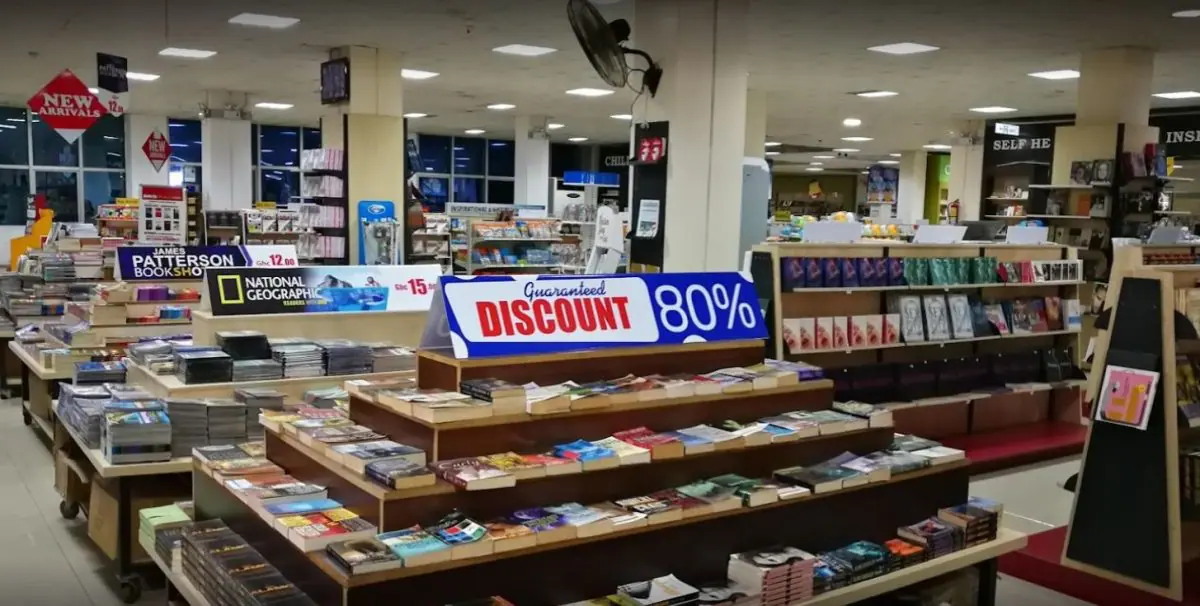
A child searching for their first picture book, a university student hunting for a prescribed textbook or a reader hoping to find their next favourite novel can all begin their search at the same place: EPP BookShop at Legon City Mall.
Located at 7 Lagoon Street, off Giffard Road, the Legon branch brings together books for different ages, interests and stages of learning.

Its appeal lies in the range of titles available, making it a useful stop for families preparing children for school, students pursuing higher education and readers looking beyond the classroom.
From a Small Accra Shop to a Growing Book Business
EPP Books began in 1991 as a modest bookshop in Accra, occupying a space of no more than 20 square metres.
Over the years, it grew into a chain with branches across the West African sub-region, expanding its reach beyond its original location.
That journey reflects the continuing need for accessible books in homes, schools and educational institutions.
For many learners, textbooks and supplementary readers are essential tools, while novels and self-help books offer opportunities for entertainment, personal growth and discovery.
Books for Different Stages of Life
At the Legon branch, the selection spans preschool materials, children’s readers, school curriculum books, secondary-school textbooks and university-level titles. Customers can also browse bestselling novels and books on personal development.
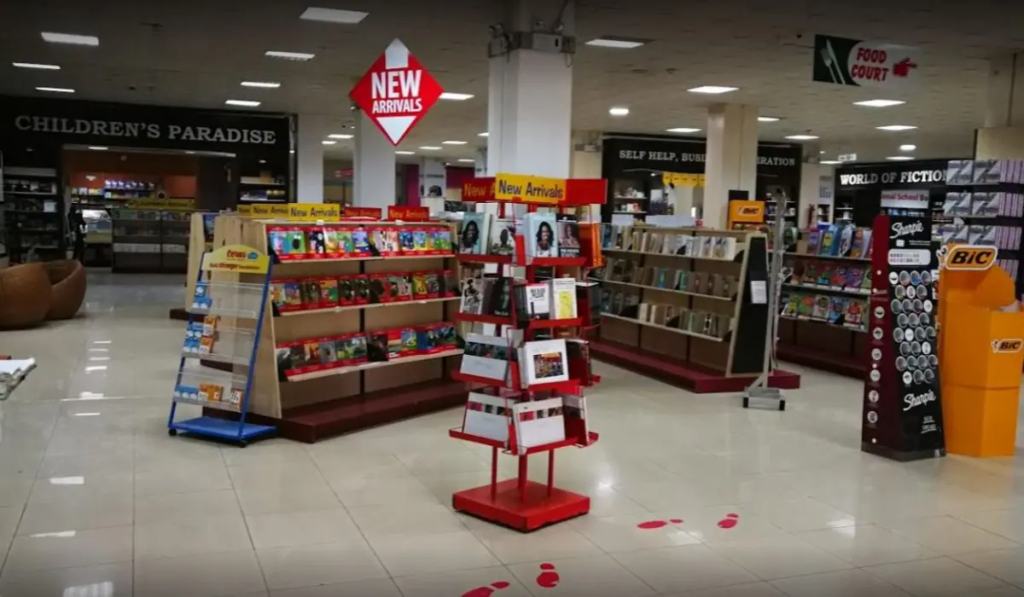
EPP BookShop serves both retail and wholesale customers, giving individual readers and organisations options for purchasing books. If a particular title is unavailable on the shelves, the shop can also arrange to order it.
For residents, students and visitors in the Legon area, the branch offers more than a place to buy reading materials. It provides a practical starting point for the search for knowledge, whether that begins with a child’s first schoolbook or a reader’s next literary adventure.

In a city where daily life can move at a relentless pace, finding a place to pause, unwind and feel refreshed can be a luxury in itself.
At Niobe Salon and Spa, located within Accra’s African Regent Hotel, beauty and relaxation come together in a contemporary setting designed to make personal care an enjoyable experience.
Niobe operates across five locations in Accra, Ghana’s bustling capital, with a philosophy built around the belief that cultivating a personal style should be rewarding, relaxing and fun. Its guiding idea, that “beauty is a feeling,” places the experience of self-care at the heart of its offering.
Facial Treatments for a Refreshed Look
At the African Regent Hotel branch, the treatment menu caters to guests seeking specialised skincare and facial care.
Options include Elemis facials, CACI lifting facials, Biotec Elemis facials, microdermabrasion and peel treatments, as well as Dr Murad facials.
These services offer visitors a range of choices, whether they are looking to refresh their complexion, explore targeted skincare treatments or set aside time for a personal wellness ritual.

The variety also makes the spa an appealing option for hotel guests and Accra residents looking to incorporate professional beauty care into their routines.
The hotel’s location adds to the appeal, offering a convenient setting for visitors who want to combine a beauty appointment with a stay or other activities in the city.
Making Time for Self-Care in Accra
Niobe Salon and Spa welcomes clients during the week and on Saturdays, with Sunday hours listed separately.
However, its published schedules contain some inconsistencies, so prospective visitors should confirm opening times before making a trip.
For travellers discovering Accra or residents seeking a dedicated beauty appointment, Niobe presents an opportunity to step away from everyday demands and make time for themselves.
At its African Regent Hotel location, the emphasis is on more than appearance: it is about making the experience of looking after oneself feel restorative, personal and rewarding.
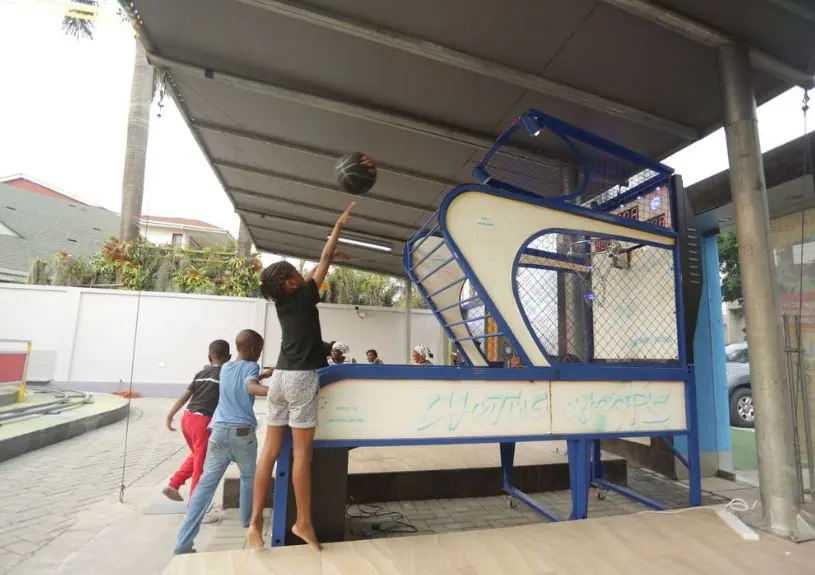
For children, a good weekend can be as simple as racing a friend, climbing onto a play structure or waiting excitedly for the next ride.
At Calabo Playground in East Legon, those small moments are at the heart of the experience.
Located on Mensah Wood Street, Calabo is a soft play and playground designed for children aged 3 to 10, giving families a dedicated space where young children can stay active, socialise and enjoy unstructured play in a secure environment.
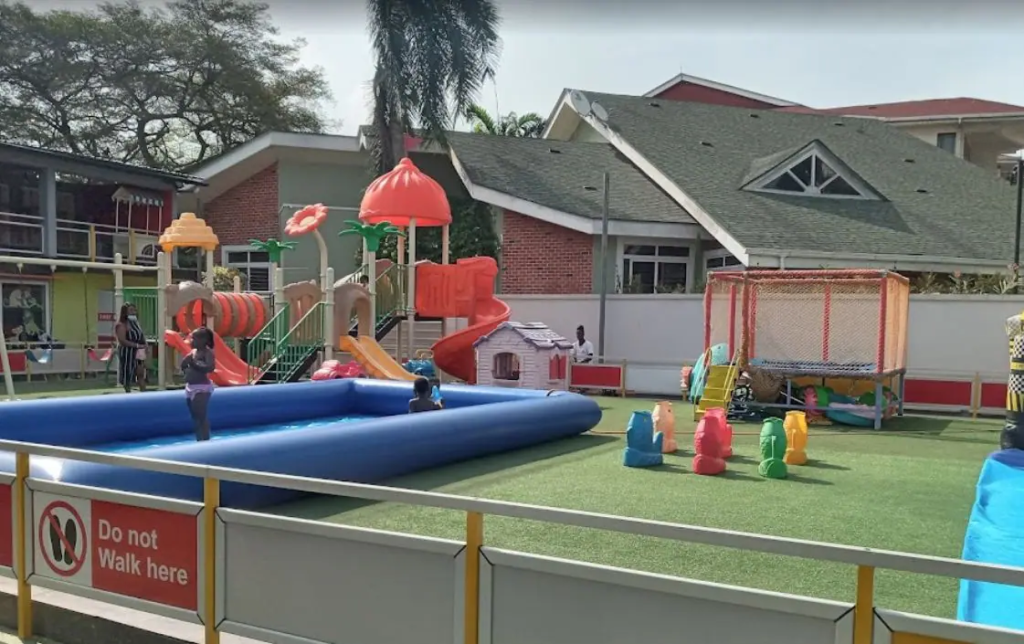
One of the attractions is the chance to climb into a canoe and race against friends—a playful competition that can quickly turn an ordinary afternoon into a hunt for bragging rights.
Children can also explore a range of indoor and outdoor equipment, with activities including a sliding pool and train rides.
The playground is particularly suited to Accra families looking for something different from spending weekends indoors. School holidays also bring an opportunity for children to spend more time playing, learning and interacting with others.
Beyond the equipment, Calabo offers a setting for children to build confidence and friendships through play. Parents can also organise parties, while homemade snacks add to the family-friendly experience.
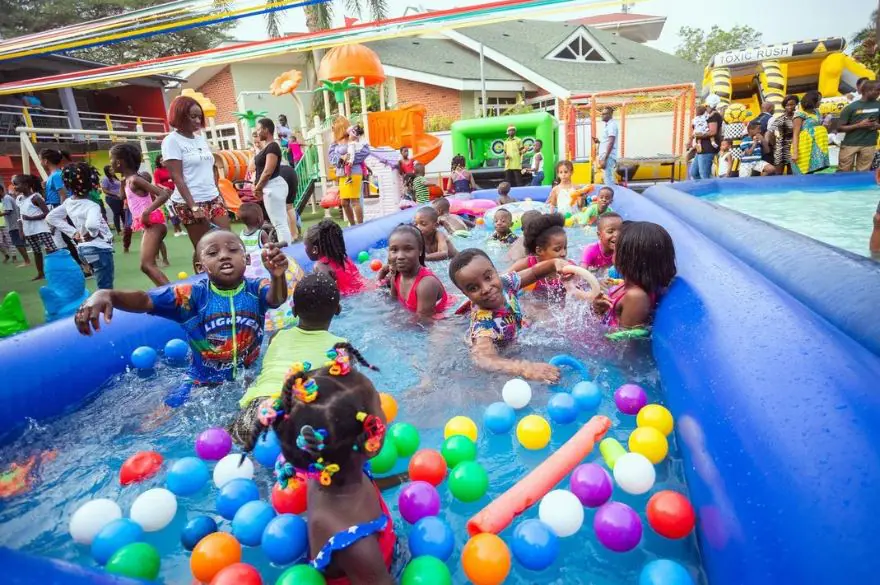
Entry is priced from GH¢30 per hour, making it an accessible option for families seeking a few hours of entertainment without committing to a full-day outing. Calabo operates on weekends and during school holidays, so families should plan their visits around those opening periods.
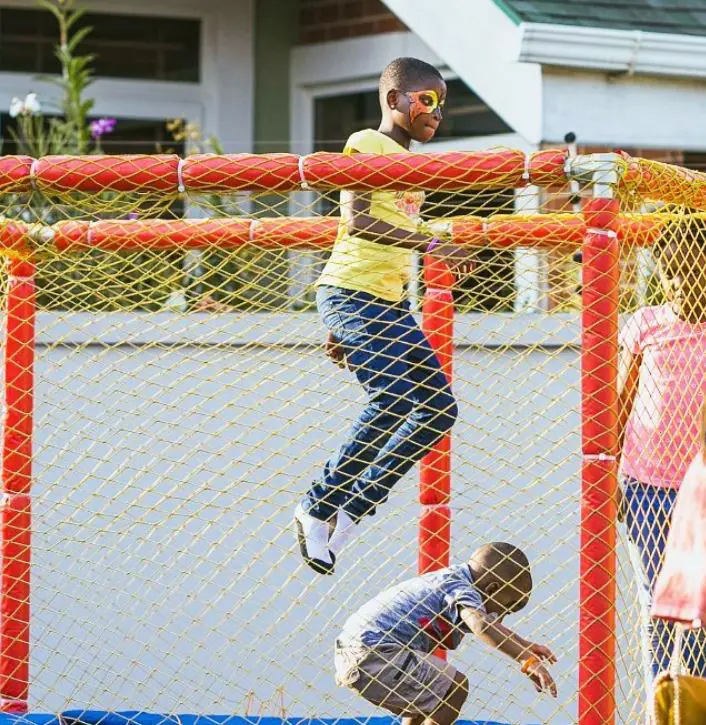
For visitors to Accra travelling with young children, Calabo offers a glimpse of the city’s family leisure scene. For local parents, it is a simple invitation to let the children run, race, laugh and play.

-

 Health & Wellness2 days ago
The Scale Can Lie: Why Lifting Weights May Help You Lose More Fat
-
 Festivals & Events1 day ago
Velukusi Festival: Re-enacting the Ewe Escape to Freedom in Ve-Deme
-

 Taste GH1 day ago
Simple, Nourishing and Rooted in Tradition: Discover Ghana’s Kapala
-
 Fashion & Style2 days ago
Dressing for Your Shape: How Strategic Styling Can Transform Everyday Fashion
-

 Health & Wellness1 day ago
The Weight-Loss Plateau: How Daily Movement and Hidden Calories Can Matter