
Reels & Social Media Highlights
How Social Media is Painting Ghana’s 69th Independence Day Celebration

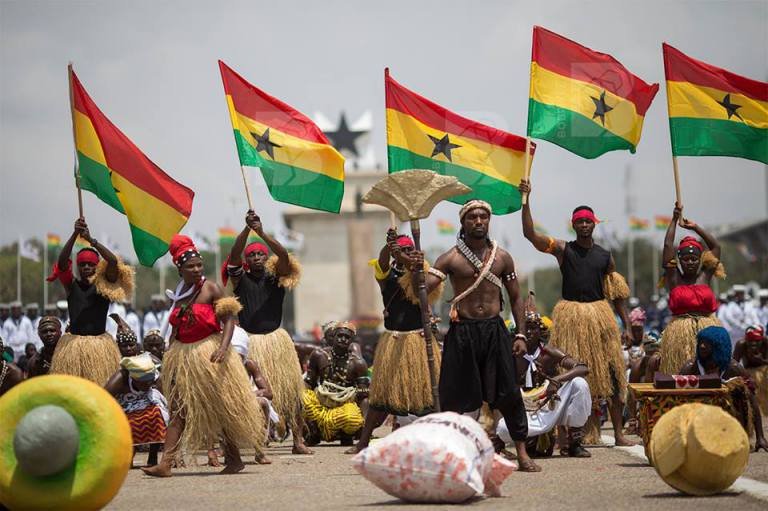
Scroll through your timeline tonight, and you will feel it. The flags are going up in the neighborhoods. The last-minute tailors are working overtime. But the main stage for this year’s Independence celebration? It is right in our palms.
On Friday, March 6, Ghana turns 69. And if you want to know how we are really preparing, forget the parade routes. Look at the trends. Right now, the energy is split between a football-fueled frenzy and a quiet revival of everything hand-woven.
The National Jersey Hunt
Let us address the chaos. If you do not have a Black Stars jersey by now, you might have to sit this one out.
Social media has turned jersey-buying into a competitive sport. Videos are surfacing everywhere showing crowds crammed into sports shops, grabbing at anything that is red, gold, and green. Prices that sat quietly at GH¢80 have reportedly jumped to GH¢1500 in some spots. Vendors and customers are going back and forth, and there is already talk of regulators stepping in.
Why now? It is not just fashion. The Black Stars are heading to the World Cup, and that energy is spilling directly into our national day. People are tired of waiting for politics to give them a reason to feel proud. Football delivered first.
🥳Some 69 on Friday to celebrate Ghana at 69 🇬🇭🇬🇭 pic.twitter.com/dyZJidYOgh
— 𝖲ɣᑯ౿ᑯ𓃵 (@Mi_Syded) March 5, 2026
As one user put it:
Football brings us together in ways politics never could 🇬🇭 who else agrees
— Grace_Unspeakable (@Great8_Grace) March 3, 2026
Another fan captured the rush:
This is the real Black Stars spirit – rush am before dem increase price again! March 6 we go show full force, no cap!
— Stessy ✨ (@stessysteve) March 3, 2026
But where there is a trend, there is always a gentle pushback. Content creator Kobe Boujee raised an eyebrow and asked the question on some minds:
How about Ghanaians channel the same energy to the Fugu this March, like the Ghana jersey?? At least you could wear it one very occasion.
— Kobe Boujee (@kobeboujee) March 2026
The Fugu Hold
And honestly? The timing is right.
Just weeks ago, the Fugu (or Batakari) was at the center of an unexpected storm. When President Mahama wore one to Zambia, the jokes came fast. But the comeback was faster. Ghanaians turned the mockery into a movement, pushing #FuguDay and #FuguPride to trend globally with millions of posts.
A vintage clip of Kwame Nkrumah is making the rounds again, reminding us why this matters:
Kwame Nkrumah wore African cloth while declaring that we are capable of managing our own affairs. We must trade among ourselves, produce what we consume, add value to our resources, respect our culture, and project pride in who we are. Development starts with mindset. Culture is power. Identity is strength. Self-belief is development.
— Abeiku Santana (@AbeikuSantana) February 2026
March is officially Ghana Month, and the “wear Ghana” push has real legs this year. Offices are coordinating Fugu Wednesdays. Podcast hosts are sitting in Kente. Families are booking studio sessions in matching prints. The debate online—jersey versus smock, modern versus traditional—is lively. But the fact that we are arguing about culture at all? That is the win.
The Eve Mood
Beyond the clothes, the preparation is also mental. The Ghana Studies Association is hosting a heavy conversation with President Mahama and ex-President Kufuor on “Ghana in Uncertain Times.” The Africa Prosperity Network is mixing musicians with politicians to talk about opening borders.
And for the ones who just want to feel something good, a video from the 10th Independence celebration at Labadi Beach is floating around:
Throwback to Ghana’s 10th independence Anniversary celebration at Labadi Beach in March 1967.
— Trendsgist (@Trendsgistt) March 3, 2026
Watching the crowd in 1967 move to highlife by the shore hits different tonight. It is a quiet reminder that this feeling—this pride—is not new. It just wakes up every March.
Tonight’s Vibe
So as we sit in Independence Eve, the preparation looks different on everyone. Some are ironing jerseys. Some are shaking out smocks. Some are logging into Zoom to hear the elders speak.
The thread tying it all together? A real hunger to feel good about home again. Whether it comes from a World Cup qualification or a strip of handwoven cloth, the pride is honest.
Tomorrow, wear something. Wear red, gold, and green. Wear a jersey. Wear a smock. Just wear it like you mean it.
Happy 69th, Ghana. We are not just counting years. We are living them.







Reels & Social Media Highlights
Ghana’s Digital Heartbeat: Outrage, Satire, and the Fight for Accountability
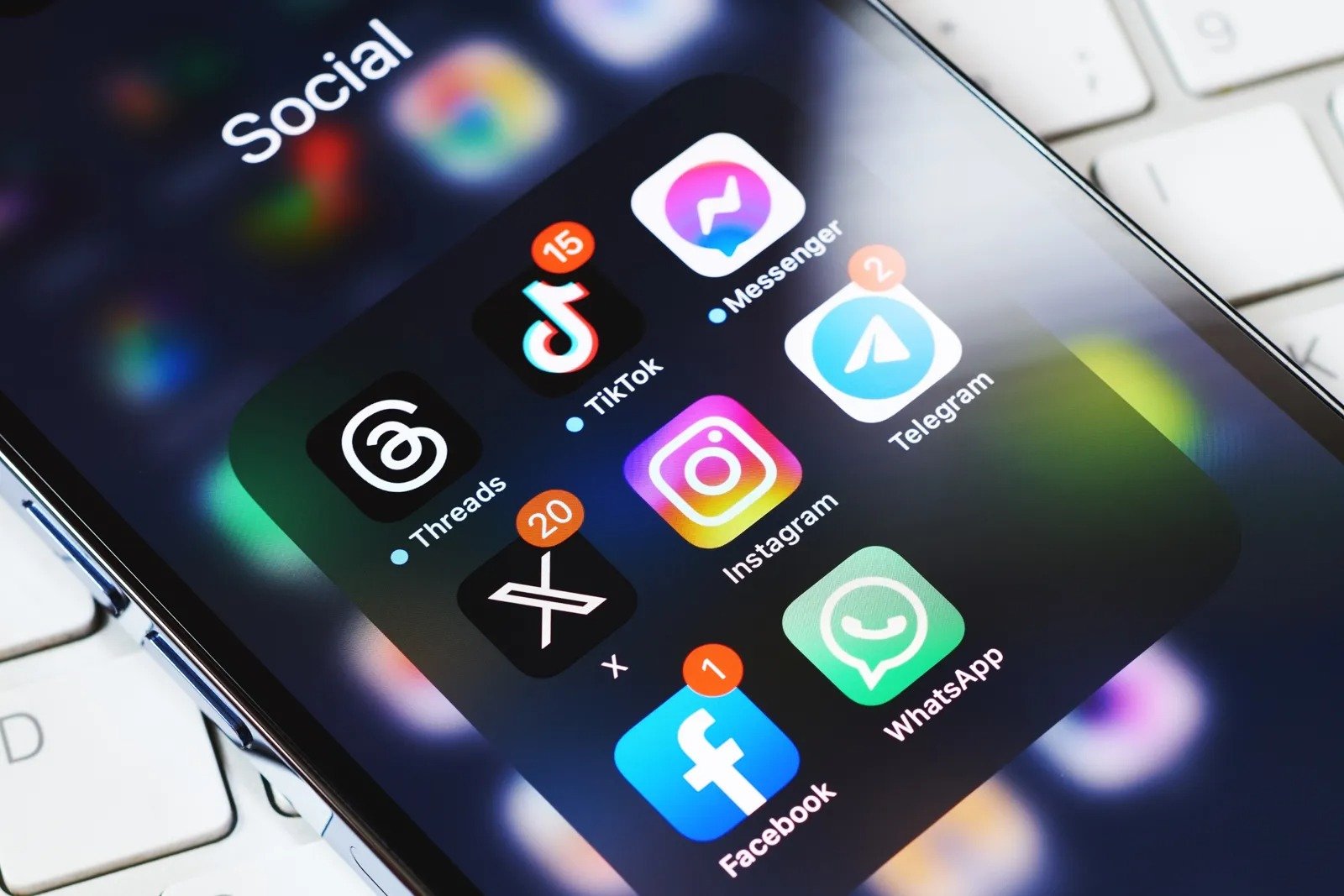
Ghana’s social media space on Wednesday, October 21, 2026, felt less like a scrolling feed and more like a pressure cooker.
Between the crimson solidarity of #RedWednesday, the dust of a collapsing high-rise, and the astonishing unravelling of a political spokesperson, Ghanaians were simultaneously furious, entertained, and deeply skeptical.
The day’s emotional center was the Obuasi SHTS sexual abuse scandal. Activists declared “Red Wednesday,” urging citizens to wear red in solidarity with the alleged victims.
The mood turned from grief to rage when a leaked clip showed NDC communicator Daniel Nortey dismissing the allegations with the callous remark, “He’s a rapist, so what?”
The backlash was immediate and fierce, with figures like Nana Aba Anamoah condemning the comment, forcing Nortey into a swift, televised apology . Meanwhile, a very different kind of accountability played out in satire.
A viral video, amplified by Ashanti Regional Minister Frank Amoakohene, juxtaposed Dr. Mahamudu Bawumia’s past claims of completing the Pwalugu Dam against his recent promise to build it, using the “A few moments later” meme to devastating effect .
Amidst the politics, raw reality intruded. A video of concrete blocks raining down from the Villagio construction site in Accra sparked safety fears, but it was the cameraman’s subsequent claim that the company threatened him with “police and lawyers” that truly ignited the timeline.
Even the beach wasn’t safe from scrutiny: creator Ivy Prosper’s on-the-ground photos of a still-littered Labadi Beach exposed the polished, viral images of a “Miami-style” shoreline as misleading, triggering a wave of cynical “smoke and mirrors” commentary.
What united these disparate moments was a collective demand for transparency. Whether mocking a politician’s memory, calling out a spokesperson’s inhumanity, or fact-checking a pretty picture, Ghanaian netizens were not merely consuming content—they were actively auditing the world around them, one screenshot at a time.
Reels & Social Media Highlights
Ghana’s Social Media Erupts Over Mining Violence and Celebrity Controversy
Ghana’s timeline in its familiar state: equal parts outrage, meme-making, and moral negotiation.
By midday, one video had already set the tone. Footage from Wassa Esaman showed the NAIMOS task force physically restraining suspected illegal miners, and the reactions split immediately—some praising the crackdown as long overdue, others questioning the rough tactics and predicting the suspects would be back on the streets within days.
The galamsey debate never really leaves Ghanaian social media; it just changes faces.
Then came Shatta Wale. Fresh off his ShattaFest performance at the Accra Sports Stadium, clips of the dancehall star declaring he has “plenty fraud boys” as friends—and that he won’t snitch because “the country no good”—detonated across Facebook and X.
The remarks landed awkwardly in a nation where economic hardship and fraud are tangled in uncomfortable ways, and where public figures are increasingly expected to pick a side.
Meanwhile, Sarkodie found himself clarifying that a casual post about returning to “gari soakings” had nothing to do with President Mahama’s government—a reminder that in Ghana’s current mood, even a bowl of gari can become a political statement.
What tied these conversations together was a shared suspicion: that institutions protect the powerful while ordinary people bear the cost.
Whether the topic was mining, fraud, or the price of a meal, Ghanaians on Monday weren’t just reacting—they were keeping score.
Reels & Social Media Highlights
Ghana’s Timeline Erupts: Showboy’s Crude Plea, Asantewaa’s Silence, and a Nation Divided
On Wednesday, 14th October 2026, Ghana’s social media didn’t just trend — it combusted. At the center of the firestorm: Showboy, a deported ex-convict and self-styled provocateur, posting a video begging TikTok star Asantewaa to sleep with him because “everyone has chopped her except me.”
The phrase — crude street slang for sex — detonated across Facebook, X, and TikTok, splitting users between outrage, disgust, and reluctant laughter.
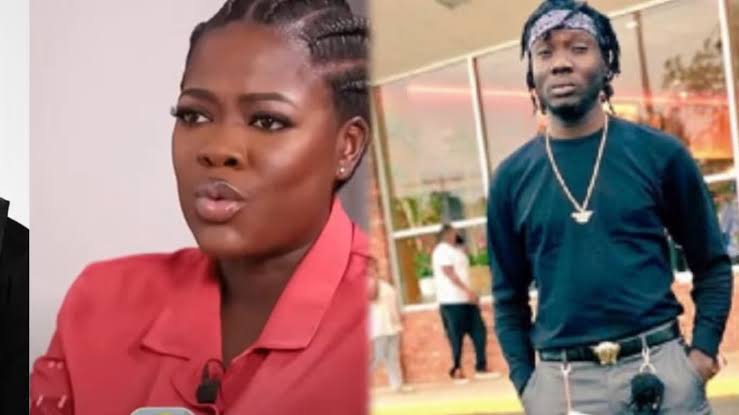
The Asantewaa saga had been simmering for weeks. First, rapper AMG Armani claimed a one-night stand and a pregnancy.
@notorioustrend1 Showboy Goes Hard On Asantewaa For Exp0sing Some Secret In Her Marriage On TikTok Live #ghanabloggers #ghanatiktok🇬🇭 #asantewaaaaa #showboy #notorioustrend ♬ original sound – Notorious🥷 Trend📸
Then Asantewaa herself explained she left her husband over sickle cell genotype compatibility, insisting she wasn’t with Armani until after the split. Showboy’s video poured petrol on the embers.
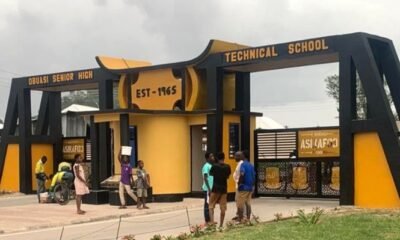
But the timeline wasn’t only burning with celebrity gossip. In Obuasi, the GES interdicted a headmaster accused of sexual misconduct after students rioted and vandalized school property.
The story — girls alleging assault inside the headmaster’s bungalow, a menstruation claim used as pretext, a school in ruins — resonated because it echoed a painful national truth: institutions meant to protect children often fail them.
Meanwhile, in Agona Nkwanta, a viral video of a man assaulting his wife led to a three-month jail sentence on the very same day, a rare moment of accountability that many users celebrated, even as they questioned why it took a viral clip for justice to move.
What made October 14th distinctly Ghanaian was the collision of these stories.
A culture wrestling publicly with how women are treated — by men like Showboy who see clout in disrespect, by authority figures who abuse trust — while simultaneously turning tragedy into meme fodder, joke captions, duet videos.


Funding Fears Loom For Ghana’s Life-Saving Malaria Vaccine Five Years After Roll Out

‘There was a Coordinated Disclosure Plan’: AI-Discovered Flaw in PHP Triggers Global Internet Chaos as Cybercriminals Race to Exploit It

Yandex Strikes: Can Moscow Host Africa Under Drone Threat?
-
 Ghana News14 hours ago
Major Sexual Abuse Scandal Rocks Ghana High School: Obuasi School Headmaster Sues Journalist for GH¢2 Million as Investigation Into Alleged Misconduct Widens
-

 Reels & Social Media Highlights1 day ago
Ghana’s Digital Heartbeat: Outrage, Satire, and the Fight for Accountability
-

 Festivals & Events19 hours ago
Compozers Fest Ghana Edition: Welcoming 2027 with Music in Accra
-
 Taste GH19 hours ago
Airport Residential Area: Where Accra’s Dining Scene Meets Global Flavours
-
 Fashion & Style2 days ago
Wyclef Jean Gives Ghanaian Kaftan a Global Spotlight After ‘Chineke’ Fashion Inspiration
-

 Health & Wellness2 days ago
Beyond Bigger Muscles: Why Strength Training Matters for Healthy Ageing
-

 Health & Wellness1 day ago
Four Everyday Lifestyle Habits That Can Make Weight Loss Easier
-
 Health & Wellness18 hours ago
Why Keeping Weight Off Can Be Harder Than Losing It