
Tourism
Tragic Underwater Proposal That Claimed American Tourist’s Life In Tanzania Still Haunts Travelers Six Years Later


Six years after the heartbreaking death of American tourist Steven Weber, who drowned in 2019 while proposing underwater in Tanzania, the story continues to resurface online, reshared by travelers, safety advocates and newly engaged couples.
What was once a shocking BBC report has evolved into a cautionary tale in 2025, reminding a new generation of adventure-seekers about the hidden risks of extreme vacation experiences.
Weber, from Baton Rouge, Louisiana, died during a dream trip with his girlfriend, Kenesha Antoine, at the luxurious Manta Resort on Pemba Island. The couple had booked the resort’s famed underwater room, a $1,700-a-night submerged cabin offering panoramic views of marine life — a bucket-list destination that still attracts global tourists today.
On their third day, Weber attempted a dramatic marriage proposal by free-diving outside the room and pressing handwritten notes against the glass as Antoine filmed. The video captured him revealing a ring and flipping over a sheet of paper that read:
“I can’t hold my breath long enough to tell you everything I love about you… But everything I love about you, I love more every day!”
Moments later, he disappeared from view and never resurfaced.
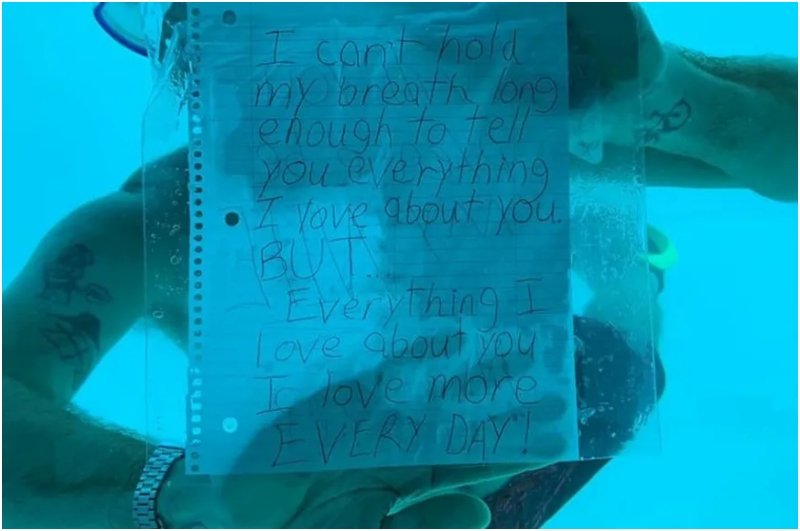
The Manta Resort said at the time that Weber drowned while free-diving alone near the underwater cabin. Staff responded to what they described as a “problem in the water,” but were unable to save him.
Antoine later confirmed his death in a heartbreaking Facebook post, writing that Weber “never emerged from those depths.”
Why the Story Matters in 2025
While the tragedy occurred in 2019, it has regained traction across TikTok, Instagram Reels and travel forums, where the resurfaced video continues to shock new audiences. Many users — especially younger travelers planning exotic trips — are encountering the story for the first time.
The renewed attention comes amid global conversations about adventure tourism safety, social-media-driven risk-taking, and the booming post-pandemic demand for immersive travel experiences. In East Africa alone, underwater, cliffside and safari-themed luxury stays have multiplied over the past decade.
Safety experts say Weber’s death remains a classic example of how easily romantic gestures can turn dangerous when performed without professional supervision.
“People see these jaw-dropping social-media proposals and assume they’re harmless,” said one East African travel risk analyst. “But underwater stunts, especially breath-hold dives, come with serious physiological risks — even for experienced swimmers.”
The U.S. Travel Safety Institute also noted an uptick in accidents involving tourists attempting influencer-style feats in scenic destinations.

Legacy of a Viral Tragedy
For many travelers, Weber’s proposal remains one of the most emotional and unforgettable viral moments of the past decade — a love story turned heartbreaking within seconds.
The Manta Resort, which continues to operate, has since increased its guest safety briefings but has not changed the design or usage policies of its underwater room.
The incident still raises questions in 2025 about how far resorts should go in regulating what guests attempt around their facilities, especially as tourism-driven content creation grows more daring.
Yet for others, Weber’s story endures for a different reason: its emotional weight. Even today, his final message to Antoine — filled with sincerity, excitement and devotion — continues to move viewers worldwide.
A tragedy frozen on video.
A proposal seen by millions.
And a reminder that even the most beautiful moments can turn unforgiving in nature’s domain.





A child searching for their first picture book, a university student hunting for a prescribed textbook or a reader hoping to find their next favourite novel can all begin their search at the same place: EPP BookShop at Legon City Mall.
Located at 7 Lagoon Street, off Giffard Road, the Legon branch brings together books for different ages, interests and stages of learning.

Its appeal lies in the range of titles available, making it a useful stop for families preparing children for school, students pursuing higher education and readers looking beyond the classroom.
From a Small Accra Shop to a Growing Book Business
EPP Books began in 1991 as a modest bookshop in Accra, occupying a space of no more than 20 square metres.
Over the years, it grew into a chain with branches across the West African sub-region, expanding its reach beyond its original location.
That journey reflects the continuing need for accessible books in homes, schools and educational institutions.
For many learners, textbooks and supplementary readers are essential tools, while novels and self-help books offer opportunities for entertainment, personal growth and discovery.
Books for Different Stages of Life
At the Legon branch, the selection spans preschool materials, children’s readers, school curriculum books, secondary-school textbooks and university-level titles. Customers can also browse bestselling novels and books on personal development.

EPP BookShop serves both retail and wholesale customers, giving individual readers and organisations options for purchasing books. If a particular title is unavailable on the shelves, the shop can also arrange to order it.
For residents, students and visitors in the Legon area, the branch offers more than a place to buy reading materials. It provides a practical starting point for the search for knowledge, whether that begins with a child’s first schoolbook or a reader’s next literary adventure.

From a steaming bowl of fufu and soup to the irresistible aroma of kelewele fresh from the frying pan, Ghanaian food offers more than comfort and flavour.
When balanced well, it can also provide many of the nutrients the body needs to thrive.
Traditional Ghanaian cuisine draws heavily on natural ingredients, including yam, plantain, beans, fish, groundnuts and leafy vegetables.
These foods supply energy, protein, fibre, vitamins and minerals. Kontomire stew, okro soup and garden eggs bring colour and nutrients to the table, while fish and legumes offer protein.
Spices and seasonings give dishes their distinctive character, making everyday meals deeply satisfying.
Waakye, the much-loved combination of rice and beans, illustrates this potential. Paired with vegetables, fish or eggs, it can provide a satisfying mix of carbohydrates, protein and fibre.
Yet the nutritional value depends on portion sizes and the amount of oil, salt and rich accompaniments added.
When Tradition Needs Balance
Palm oil gives dishes such as red red their familiar colour and taste. It also contains vitamin E and carotenoids, which the body can convert into vitamin A. However, it is high in saturated fat, so using moderate amounts and avoiding repeated overheating are sensible choices.
Portion sizes matter, too. Meals dominated by large servings of fufu, banku, rice or yam, with little vegetables or protein, may make it harder to maintain a balanced diet over time.
Meanwhile, instant noodles, sugary drinks and heavily processed snacks are increasingly competing with home-cooked meals. Frequent consumption can contribute to excessive sugar, salt and calorie intake.
Keeping Ghanaian Food Healthy
The answer is not to abandon beloved local dishes, but to prepare and serve them thoughtfully.
Enjoy reasonable portions of starchy staples, add generous vegetables, include beans, fish or other protein sources, and use oil and salt sparingly.
Ghanaian food can be both delicious and nourishing. The secret lies in balance, variety and preserving the best of local cooking while making choices that support long-term health.
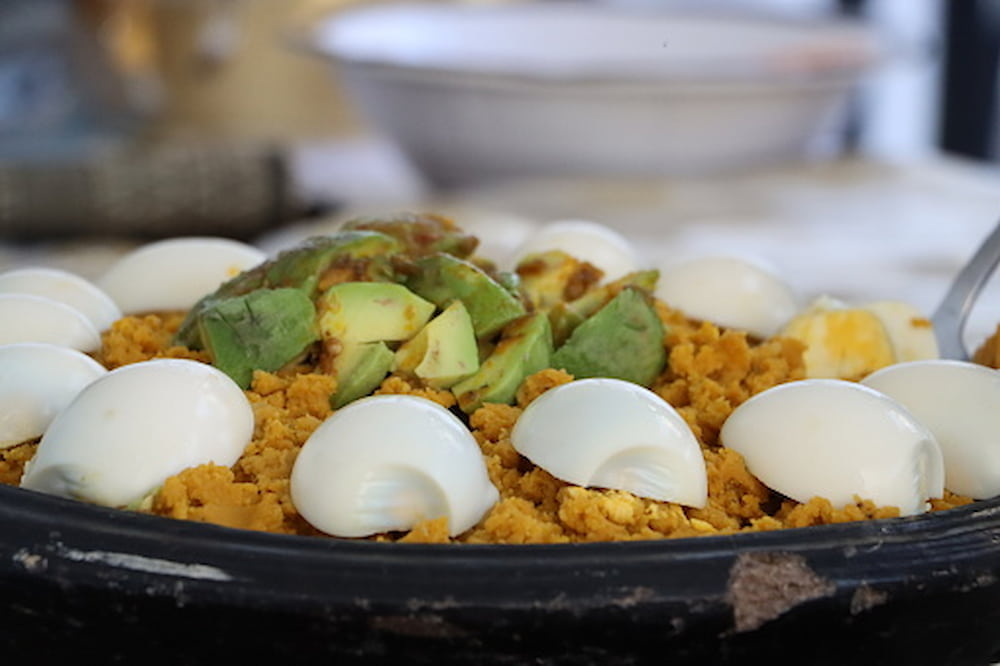
Soft, golden and richly scented with palm oil, Oto is one of those Ghanaian dishes that brings comfort to the table while connecting food with tradition.
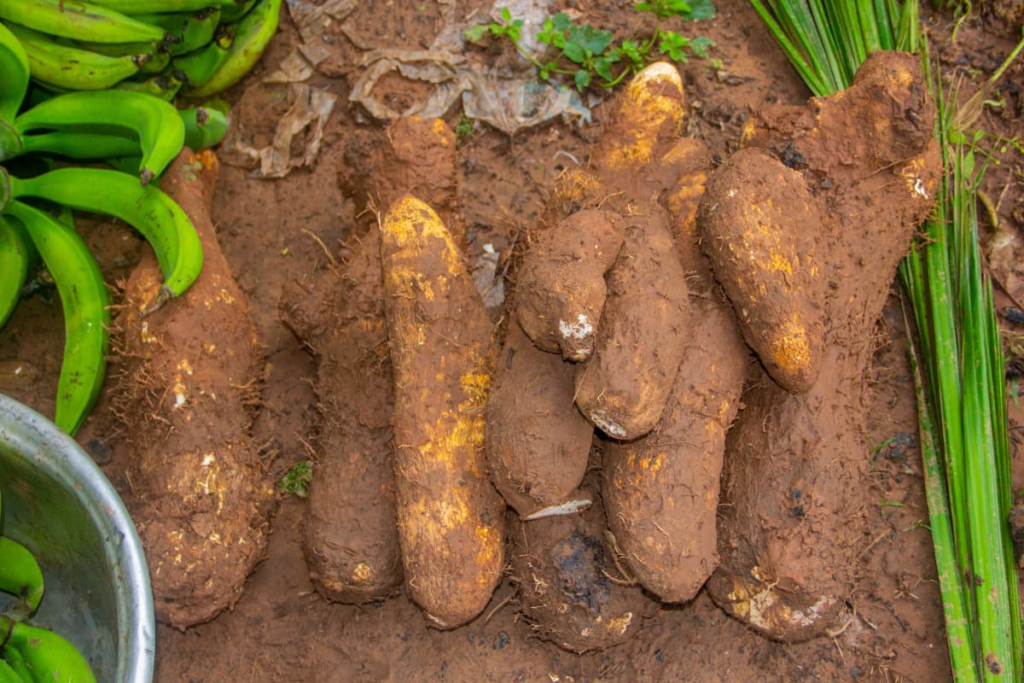
Made primarily from boiled yam mashed with palm oil and served with boiled eggs, this simple yet satisfying dish is especially familiar during important family occasions and traditional celebrations.
Oto’s appeal lies in its uncomplicated ingredients and distinctive flavour. The yam provides a soft, filling base, while palm oil lends its characteristic colour, earthy aroma and richness.
Boiled eggs add a contrasting texture and make the meal more substantial. Depending on personal preference and preparation, seasonings can introduce extra warmth and depth.
A Nourishing Taste of Ghana
Beyond its cultural significance, Oto offers nutritional benefits from its core ingredients. Yam supplies carbohydrates, which the body uses for energy, alongside fibre, potassium and other nutrients. Its fibre content can support healthy digestion as part of a balanced diet.
Eggs contribute high-quality protein, which helps the body maintain and repair muscles and other tissues.
They also provide nutrients such as vitamin B12 and choline, which support normal bodily functions.
Palm oil contains vitamin E compounds and carotenoids, including beta-carotene in red palm oil, which have antioxidant properties. However, it is also rich in saturated fat, so the quantity used matters. Enjoying Oto with a moderate amount of oil can help balance flavour and nutritional considerations.
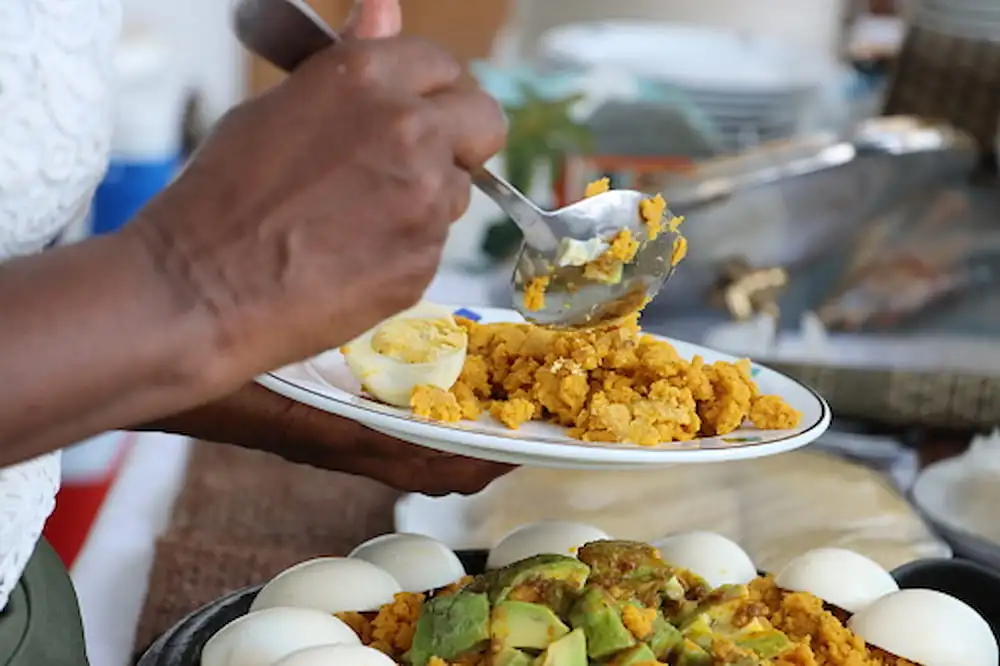
Spices and herbs, when included, may contribute additional flavour and beneficial plant compounds.
Ghana has a long tradition of using local plants for culinary and medicinal purposes, although their health effects depend on the specific ingredient and how it is used.
A Dish Rooted in Tradition
Oto demonstrates how familiar ingredients can create food that is both nourishing and meaningful.
Whether served during a special occasion or enjoyed as a comforting meal, it remains a delicious expression of Ghanaian food culture, bringing together flavour, nourishment and tradition in every spoonful.


Dressing for Your Shape: How Strategic Styling Can Transform Everyday Fashion

The Scale Can Lie: Why Lifting Weights May Help You Lose More Fat

Ghana’s Timeline Erupts: Showboy’s Crude Plea, Asantewaa’s Silence, and a Nation Divided
-

 Ghana News9 hours ago
OBITUARY: Gamal Gorkeh Nkrumah, Son of Ghana’s Founding President, Dies in Cairo
-

 Sights and Sounds2 days ago
Where Beauty Meets Relaxation: Inside Niobe Salon and Spa in Accra
-

 Festivals & Events2 days ago
LALID LIVE 2026: An Evening of Entertainment and Connection in Accra
-

 Reels & Social Media Highlights2 days ago
Ghana Social Media Erupts: Bishop Obinim Arrest Claims, Mahama’s Viral Handshake, and a Road-Building Frenzy
-

 Festivals & Events7 hours ago
MaddFest 2027: Welcome the New Year with a Night of Celebration in Accra
-

 Sights and Sounds24 hours ago
EPP BookShop at Legon: A Destination for Students, Families and Book Lovers
-

 Health & Wellness12 hours ago
Walking Is More Than Exercise: Small Steps That Can Transform Your Health
-

 Global Update8 hours ago
Wave of Student Killings at Mexico Universities Raises Safety Concerns