
Ghana News
Top Ghana News Headlines (Dec. 31, 2025): All the Important Stories With Just a Click


From domestic reforms aimed at stabilising finances to international incidents with implications for West Africa, today’s news summaries illustrate the interplay between local governance, global influences, and the everyday impacts on citizens.
Here’s what’s happening:
Cassava from Reclaimed Mine Lands Contains Unsafe Toxins, Study Warns
A joint study by researchers from Koforidua Technical University and Kwame Nkrumah University of Science and Technology (KNUST) has revealed unsafe levels of cyanide and lead in cassava grown on reclaimed gold mining lands in Pameng and Gyadam, Eastern Region, Ghana. The research compared cassava from reclaimed mine sites and non-mining areas, finding that while nutritional qualities like fat and protein were comparable, toxin levels exceeded safety thresholds. Cyanide concentrations in cassava from mining sites ranged from 61.05–156.07 mg/kg, and from non-mining sites 41.76–79.04 mg/kg, both above permissible limits. Lead levels also surpassed safe limits in mining site samples.
Illegal small-scale mining (galamsey) has polluted water sources, degraded farmlands, and depleted forests, with reclamation efforts covering pits and replanting vegetation. However, residual toxins like cyanide and mercury persist in soil, leaching into crops.
Lead researcher Dr. Yaw Gyau Akyereko stated, “The nutritional quality of cassava roots from the reclaimed and non-mine sites was comparable; however, those from reclaimed mine sites had unacceptable levels of cyanide and heavy metals, indicating possible safety issues concerning their consumption.”
He warned of health risks, including cancers, neurological diseases, anemia, and respiratory dysfunction from consumption.
Cassava is a staple crop in Ghana, with 22 million metric tons produced in 2019 and over 70% of farmers involved. It is consumed as fufu, kokonte, or gari without routine safety testing by the Food and Drugs Authority. Farmer Samuel Kwabena Owusu, who ceased planting during mining activities, noted reduced yields due to soil contamination. Consumer Ofori expressed shock, saying, “Even though chemicals may be in the cassava crops, we will reduce how often we eat fufu, but not stop entirely.”
Implications include widespread health risks from unprocessed contaminated food and reduced arable land. Dr. Akyereko recommended longer reclamation periods, temporary farming bans on affected lands, soil remediation with lime and microorganisms, and cultivating high-yield cassava variants.
Environmental advocate Erastus Asare Donkor warned, “If we do not end cyanide leaching by small-scale illegal miners across the country, we are in for a very dangerous precedent.” The study underscores the need for stricter galamsey controls and comprehensive reclamation to protect food security and ecosystems.
MTN Ghana Schedules Brief Sales Blackout for VAT System Updates
MTN Ghana has announced a temporary blackout on airtime and data sales for January 2, 2026, from 12:00 am to 04:00 am, to facilitate system updates in preparation for new National Value Added Tax (VAT) Reform Tariffs. This maintenance aims to align the company’s digital infrastructure with the revised tax regime, which is part of the government’s effort to streamline revenue collection on digital services.
The interruption will affect all channels for purchasing airtime and data bundles, including Mobile Money top-ups (via 170#), myMTN App purchases, Electronic Voucher Distributors (EVD), and third-party banking apps. During this period, users will be unable to buy new airtime or data, and real-time balance updates as well as “Mashup” renewals may be unavailable. However, the advisory does not indicate that existing data bundles or active voice calls will be disrupted.
MTN recommends subscribers purchase necessary airtime and data before 11:30 pm on January 1, check existing balances to ensure sufficiency until at least 5:00 am on January 2, and alert dependents relying on emergency top-ups. The company expressed appreciation for subscribers’ patience, acknowledging potential inconvenience for night-shift workers, travelers, and early-morning commuters.
The VAT reforms involve recalibrating pricing structures for telecommunications services to incorporate the new statutory levies, preventing billing discrepancies. This proactive update ensures compliance by daybreak on January 2.
Background on the VAT reforms includes the Ghana Revenue Authority (GRA) raising the registration threshold to GH¢750,000 and reducing the rate to 20% from January 2026, as part of broader fiscal adjustments.
Mahama Pays Courtesy Call on Kufuor for Festive Greetings
On December 30, 2025, President John Dramani Mahama paid a courtesy call on former President John Agyekum Kufuor at his residence in Peduase, extending Christmas and New Year wishes in a private engagement. Accompanied by a small delegation, Mahama expressed admiration for Kufuor’s commitment to Ghana’s peace and stability, and stated the importance of such visits for national cohesion as the country transitions into 2026. He wished Kufuor continued good health and strength, acknowledging his role as a pillar of wisdom.
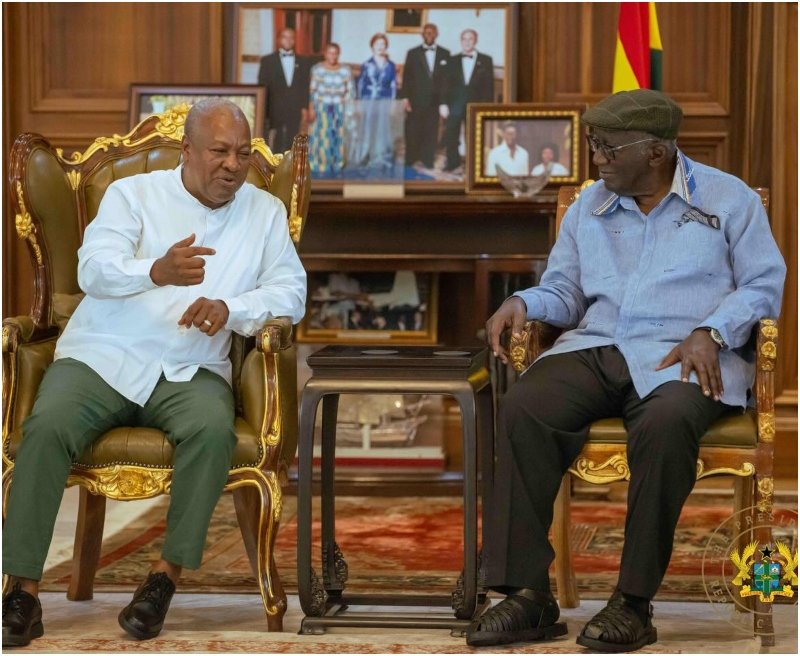
Kufuor welcomed Mahama warmly, reciprocating the goodwill and praying for God’s guidance for the Presidency amid upcoming challenges and opportunities. The discussions highlighted the Ghanaian spirit of hospitality and brotherly love, a recurring theme in festive messages.
This meeting between leaders from Ghana’s two major political traditions underscores mutual respect and elder statesmanship, fostering unity during the holiday season.
Port Delays Threaten Ghana’s Revenue as Importers Shift to Lomé, Warns FABAG
The Food and Beverages Association of Ghana (FABAG) has warned that ongoing delays in clearing bulk and bagged goods at Tema Port could lead to significant revenue losses for the state, as importers consider diverting shipments to Lomé Port in Togo. In a statement dated December 29, 2025, FABAG highlighted that the delays are caused by a shortage of unskilled labour for offloading goods, stemming from a strike by these workers over compensation disputes with port management.
Although temporary labour has been engaged, offloading capacity has plummeted to about 200 metric tonnes per day, far below the usual minimum of 2,000 metric tonnes. This has resulted in prolonged delays, increased demurrage charges, and higher operational costs, disrupting the supply chain for essential food items like rice and sugar.
FABAG cautioned that persistent issues may prompt importers to shift cargo to Lomé, potentially encouraging smuggling and undermining Ghana’s trade regulations. Such diversions could cause massive government revenue losses and weaken port controls.
The association urged the Director General of Tema Port, the Minister of Transport, labour representatives, and relevant authorities to engage in urgent dialogue for a swift, sustainable resolution. This would help restore efficient operations, alleviate financial pressures on businesses, and ensure steady availability of food and beverage products in the market.
Fuel Prices in Ghana Poised for Marginal Drop Starting January 1, 2026
Fuel prices in Ghana are projected to decline marginally starting January 1, 2026, according to the latest outlook report by the Chamber of Oil Marketing Companies (COMAC). Petrol is expected to drop by 2.40% to 4.80%, with the pump price per litre reaching approximately GH¢11.90. Diesel is forecasted to decrease by up to 3.77%, potentially selling at around GH¢12.50 per litre. Liquefied Petroleum Gas (LPG) is anticipated to fall by as much as 2.19%, with a kilogram priced at about GH¢13.40.
The anticipated reductions are primarily driven by falling international crude oil and refined product prices, with market data indicating a 9.17% drop in petrol, 8.11% in diesel, and 3.82% in LPG. Additionally, the Ghanaian cedi has strengthened significantly against the US dollar, appreciating by over 3% in the past three weeks. For the January 1 pricing window, the cedi improved from GH¢11.14 to GH¢10.50 per dollar, an 8.20% gain, marking one of its strongest recent performances and a notable improvement from GH¢14.84 the previous year.
More than 200 oil marketing companies have confirmed they will implement price reductions from this weekend or as early as Monday, following necessary pump adjustments. Some marketers suggest further drops could occur if the cedi’s appreciation persists or remains stable against the dollar. This outlook reflects ongoing influences from global commodity trends and local currency stability on petroleum pricing in Ghana.
GRA Rolls Out New VAT Reforms Effective January 1, 2026
The Ghana Revenue Authority (GRA) has announced the implementation of new Value Added Tax (VAT) reforms starting January 1, 2026, following the passage and presidential assent of the VAT Bill 2025 (Act 1151). This overhaul aims to simplify Ghana’s tax system by consolidating laws, abolishing the COVID-19 Levy, and enhancing compliance through digitization in revenue administration. The reforms seek greater fairness, economic growth, and improved domestic tax mobilization, aligning with International Monetary Fund recommendations to reduce bureaucracies in tax collection.
Key changes include unifying the flat-rate system, lowering effective rates, permitting deductions for GETFund and NHIL as input tax, and increasing revenue efficiency via digital tools like E-VAT for accurate collections. Notably, the VAT rate will decrease from 21.9% to 20% on goods and services.
Dr. Martin Kolbil Yamborigya, Commissioner for the Domestic Tax Revenue Division, highlighted benefits for taxpayers: “There will be a lot [of] benefits for the tax payer because we have now re-coupled the National Health Insurance Levy and Ghana Education Trust Fund (GETFUND), so it will bring down the amount to be paid. This will mean that some savings will be made by businesses and also the fact that it has become an input tax to be claimed at the end of the day.”
The bill was presented during the 2026 Budget statement and passed in November 2025, with presidential assent enabling GRA to proceed. These changes are expected to streamline tax processes and boost efficiency.
Bawumia Leads NPP Flagbearer Race in Latest Poll
The National Tracking Poll by Global InfoAnalytics, conducted from December 1 to 21, 2025, across all 16 regions of Ghana using web-based, telephone, and face-to-face interviews, reveals that Dr. Mahamudu Bawumia, former Vice President, holds a commanding lead in the New Patriotic Party (NPP) flagbearer race for the 2028 general elections. Among all voters, Bawumia garners 56% support, significantly ahead of Kennedy Agyapong at 28%, with Dr. Bryan Acheampong and Dr. Yaw Osei-Adutwum each at 6%, and Kwabena Agyapong at 4%. The poll, carried out with 99% confidence level and a ±1.1% margin of error, underscores Bawumia’s dominance as the January 31, 2026, leadership poll approaches.
Within the NPP’s core voter base, Bawumia’s support strengthens to 72%, compared to Agyapong’s 19%, Acheampong’s 4%, Osei-Adutwum’s 3%, and Kwabena Agyapong’s 1%. This disparity highlights a fragmented opposition within the party, potentially solidifying Bawumia’s position in the decisive phase of the race.
The findings indicate Bawumia is firmly positioned to lead the NPP, with his challengers trailing by substantial margins in voter preference.
Countries Impose Visa Bans on Americans Amid U.S. Travel Restrictions
Several countries have imposed visa bans on U.S. citizens in response to the United States expanding its travel restrictions to 39 nations, including Antigua and Barbuda and other Caribbean and African countries, citing security concerns and immigration overstays.
Niger has enacted a complete and permanent prohibition on issuing visas to all U.S. citizens and has indefinitely banned their entry into its territory. This follows the U.S. State Department’s long-standing travel advisory against visiting Niger due to political instability and security risks.
Chad has suspended visa issuance to U.S. nationals, with its president stating that the measure will remain “until equality and mutual respect in travel policy is restored,” shortly after the country was included in a prior U.S. travel ban list.
In the Caribbean, Antigua and Barbuda and Dominica are among those facing U.S. restrictions on business and student visas, prompting regional leaders to monitor the situation and warn that further escalation could lead to reciprocal actions.
Diplomats in affected capitals are advocating for coordinated responses if the U.S. does not reconsider its policy. The article notes that not all restricted nations have adopted bans, but the trend signals a departure from established international travel norms.
Experts warn that an expanding cycle of retaliatory restrictions could deepen geopolitical divides, complicate global mobility, and undermine tourism-dependent economies. The U.S. is described as doubling down on its visa enforcement, potentially leading more countries to follow Niger and Chad in restricting American travelers, setting the stage for a broader standoff over travel rights and diplomatic respect.
Guinea’s Junta Leader Wins Presidency in Disputed Election
Gen Mamady Doumbouya, leader of Guinea’s military junta, has been elected president after securing 86.72% of the vote in the December 28 election, according to provisional results from the country’s election commission. This victory grants him a seven-year mandate without a runoff, as his percentage exceeded the required threshold. Doumbouya seized power in a coup four years ago, overthrowing then-President Alpha Condé, and had initially promised not to seek election, stating, “Neither I nor any member of this transition will be a candidate for anything… As soldiers, we value our word very much.” However, a new constitution implemented in September allowed him to run.
The election has faced significant controversy. Main opposition parties, including RPG Arc en Ciel and UFDG, were barred from participating, leading civil society groups to condemn it as a “charade.” Opposition candidate Faya Millimono described the poll as marred by “systematic fraudulent practices,” including expulsion of poll observers, ballot stuffing, and intimidation. On the day of result announcement, internet restrictions affected platforms like TikTok, YouTube, and Facebook, as reported by NetBlocks, with opponents viewing this as an effort to suppress criticism, though no official explanation was provided.
Eight other candidates contested, but none had strong political backing due to the exclusions. Doumbouya, popular among Guinea’s youth, has been criticized for restricting opposition activities, banning protests, and stifling press freedom ahead of the vote. He justified the 2021 coup against Condé by citing corruption, human rights abuses, and economic mismanagement. Guinea holds the world’s largest bauxite reserves and rich iron ore deposits, with the Simandou iron-ore mine recently launched, yet over half the population lives in poverty per World Bank data. The Supreme Court has eight days to validate the results if challenged.
Police Seize AK-47 Ammunition and Gear Destined for Walewale
The Ghana Police Service intercepted over 2,000 rounds of AK-47 ammunition and related items in the Ashanti Region, bound for Walewale in the North East Region. On December 26, 2025, officers at the Kantanso–Asankare Police Barrier stopped a Kia Granbird bus (registration GT 5771-18) traveling from Accra to Walewale en route to Paga. A search revealed two containers with 2,600 AK-47 rounds concealed in the vehicle, along with a bag under the driver’s seat containing two bulletproof plates, a black crushed helmet, and a pair of long boots.
Two suspects were arrested: Kwame Afram, the bus driver, and Godfred Essel, a mate. The police statement noted: “The Ashanti South Regional Police Command has arrested two suspects for unlawful possession of 2,600 AK-47 ammunition and related accoutrements.” The seized items were photographed alongside the suspects.
This interception highlights ongoing efforts to curb illegal arms trafficking within Ghana, particularly toward volatile regions like Walewale, which has experienced communal tensions in the past.
Police Nab Suspect in Viral Firearm Discharge Video
The Ghana Police Service has arrested Abubakari Sadick, known as ‘Cyborg,’ following a viral video of him discharging a firearm at a public event at El-Wak Stadium in Accra on December 28, 2025. The arrest occurred on December 29, 2025, at Adenta, conducted by the Cyber Vetting Team at the Criminal Investigation Department (CID) Headquarters. Sadick faces charges of unlawful possession and discharge of a firearm. Police recovered a Derya MK-12 firearm, registered under number 22-GHA-1162, which is now secured as evidence. The suspect remains in custody, assisting with investigations, and is set to be arraigned in court.
In a press release dated December 30, 2025, the police stated that possessing a registered firearm does not permit indiscriminate discharge, particularly at public events. They warned that licenses may be revoked and offenders prosecuted under the law.
This incident highlights concerns over firearm misuse at gatherings, amid broader public safety issues in Ghana. The swift police action demonstrates commitment to addressing viral crimes, potentially deterring similar offenses.
NAIMOS Arrests Five Chinese Nationals in Illegal Mining Crackdown
The National Anti-Illegal Mining Operations Secretariat (NAIMOS) arrested five Chinese nationals for illegal mining along the Birim River in Ghana’s Birim Central Municipality on December 29, 2025. The operation, starting at 1:40 PM, targeted sites in the Akyem Oda area where the suspects were mining and washing minerals directly into the river, causing environmental damage.
Authorities seized two excavators, a Toyota Hilux pickup, and a Toyota Land Cruiser used by the suspects. They also dismantled makeshift structures and destroyed water pumping machines and other equipment at the sites.
This raid is part of NAIMOS’s intensified nationwide efforts to combat illegal mining, especially along major water bodies during the festive season, to prevent pollution and safeguard Ghana’s water resources. The suspects will be handed over for further investigations and prosecution.
Background: Illegal mining in Ghana has led to significant environmental degradation, particularly in riverine areas, prompting government crackdowns to enforce regulations and protect natural resources.
Okudzeto Ablakwa Signals Upcoming Retirement from Parliament
Samuel Okudzeto Ablakwa, the Member of Parliament for North Tongu and Minister of Foreign Affairs, announced his impending retirement from Parliament during a scholarship presentation ceremony in his constituency on December 29, 2025. He stated that he is preparing a new generation of leaders to succeed him, emphasizing investments in education through his annual scholarship scheme to produce future professionals such as engineers, lawyers, aeronautical engineers, MPs, ministers, presidents, and teachers who will sustain Ghana’s development after his departure.
Ablakwa addressed the scholarship beneficiaries, saying, “… We are producing engineers, lawyers, aeronautical engineers, and future MPs who will take over from me because I’ll be retiring soon. Then future ministers, presidents, teachers who will come and help us to maintain the high standards that we are laying over here.” He expressed excitement about the program, describing it as one of the most fulfilling aspects of his public service, and urged students to use the funds strictly for educational purposes: “These are cash amounts, please don’t be tempted, no diversions. Go straight to your institutions and pay the fees.”
He further emphasized accountability, noting that continued support requires proof of payment: “If you want to receive another round of scholarship, make sure your evidence of payment is with us. If we don’t see the evidence of payment, then you are disqualifying yourself for the next academic year.”
This announcement highlights Ablakwa’s focus on long-term legacy building in North Tongu through educational initiatives, with implications for leadership transition in Ghanaian politics as he grooms successors to maintain developmental standards.
Ghana Clears $709 Million Eurobond Payment Ahead of Time
Ghana’s government has settled a US$709 million Eurobond payment ahead of schedule, as announced by Finance Minister Dr. Cassiel Ato Baah Forson. The payment was processed on December 30, 2025, ahead of its due date, according to a statement from the Ministry of Finance released on December 31, 2025. This move is part of Ghana’s debt management strategy following a debt restructuring programme.
In 2025, the total Eurobond settlements reached approximately US$1.4 billion, including two earlier payments of US$349.52 million each. Minister Forson described the early settlement as a critical milestone that strengthens fiscal credibility and supports economic recovery. He stated that “disciplined and transparent servicing of obligations is central to rebuilding investor confidence and reaffirming Ghana’s standing as a reliable sovereign borrower.”
The government is committed to reforms in domestic revenue mobilisation, public financial management, and debt sustainability. Plans include strengthening fiscal buffers to meet future obligations without compromising national development projects. Forson expressed gratitude to citizens for their resilience and support during economic stabilization, while appealing for continued cooperation amid upcoming reforms. He expressed optimism, noting that the government aims to make 2026 a transformative year for Ghana’s economy.
This proactive debt servicing implies improved investor perceptions and potential stability in Ghana’s borrowing costs, building on the country’s post-restructuring recovery efforts.
GRA Raises VAT Threshold and Cuts Rate in 2026 Reforms
The Ghana Revenue Authority (GRA) has announced reforms to the Value Added Tax (VAT) regime under the Value Added Tax Act, 2025 (Act 1151), effective January 1, 2026. These changes aim to simplify Ghana’s tax system by consolidating laws, abolishing the COVID-19 Levy, and enhancing compliance through digitization in revenue administration. The reforms seek greater fairness, economic growth, and improved domestic tax mobilization, aligning with International Monetary Fund recommendations to reduce bureaucracies in tax collection.
Key changes include raising the VAT registration threshold for businesses dealing in goods from GH¢200,000 to GH¢750,000, which is expected to exempt more small businesses from registration. The VAT rate is reduced to 20% from the previous level. The COVID-19 Health Recovery Levy, introduced during the pandemic, has been abolished. Additionally, the National Health Insurance Levy (NHIL) and Ghana Education Trust Fund (GETFund) levies are now re-coupled, allowing businesses to claim input tax credits as these are treated as input tax deductions. The VAT Flat Rate Scheme (VFRS) has been abolished to establish a unified and transparent system.
The GRA stated that the reforms promote equity, improve administrative efficiency, and encourage voluntary tax compliance. It urged VAT-registered taxpayers, employers, accountants, auditors, importers, exporters, clearing agents, and tax consultants to note the changes and seek clarification via Taxpayer Service Centres, toll-free lines, or official channels.
Background on these reforms stems from the passage of Act 1151, with no further historical context provided in the announcement. Implications include potential relief for small businesses and consumers through lower registration requirements and rates, alongside streamlined tax processes.
Anthony Joshua’s Team Releases Statement After Deadly Nigeria Crash
Anthony Joshua’s camp issued a statement after a fatal road accident in Lagos, Nigeria, on December 29, 2025, which killed two close friends and team members while injuring the British heavyweight boxer.
The crash occurred around 12:00 local time on a major highway linking Lagos to other regions, though authorities have not released full details. Joshua, a former two-time unified heavyweight world champion, sustained minor injuries and was hospitalized for observation; he is in stable condition. The fatalities were Sina Ghami, Joshua’s strength and conditioning coach and co-founder of Evolve Gym, and Kevin “Lateef” Ayodele, his personal trainer, described by BBC analyst Steve Bunce as “two of Joshua’s closest friends” and “massive parts of the Anthony Joshua machine.”
In the statement: “It is with the deepest and most profound sadness that we confirm, following a road traffic accident in Lagos, Nigeria, earlier today, the death of Sina Ghami and Kevin ‘Lateef’ Ayodele. Both were close friends and integral members of Anthony’s team. We respectfully ask that space and privacy be given to the families at this time while they process this truly shocking and devastating news. Anthony sustained injuries in the accident and was taken to hospital for checks and treatment, he is in a stable condition and will remain there for observation.”
Promoter Eddie Hearn echoed this, confirming Joshua’s condition and offering condolences: “Matchroom Boxing and 258 BXG can confirm that Anthony sustained injuries in the accident and was taken to hospital for checks and treatment. He is in a stable condition and will remain there for observation. Our deepest condolences and prayers are with the families and friends of all those affected — and we ask that their privacy is respected at this incredibly difficult time.”
Tributes included Jake Paul stating, “Life is much more important than boxing. I am praying for the lost lives, AJ and anyone impacted by today’s unfortunate accident,” and Nigerian President Bola Tinubu calling Joshua to express condolences and wish recovery.
The incident highlights ongoing road safety issues in Nigeria, particularly on high-traffic highways around Lagos prone to accidents due to congestion, speeding, and infrastructure deficits. No further updates are planned as families grieve.
U.S. Airstrikes in Sokoto Spark Sovereignty Debate Among Analysts
On December 25, 2025, the U.S. conducted airstrikes in Sokoto State, north-western Nigeria, targeting terrorist groups linked to jihadist networks, with Nigeria’s explicit consent. This operation, confirmed as a joint effort to neutralize high-value targets, was carried out on a major religious holiday and has sparked debates on sovereignty amid Nigeria’s ongoing security challenges. The strikes highlight persistent issues in northern and central regions, including intelligence gaps, resource constraints, and asymmetric threats from armed groups.
Security analyst Kasambata Yaro noted the legal basis of consent but pointed out broader complexities:
“Although Nigeria’s explicit consent addresses the fundamental legal question of sovereignty, the broader regional implications remain complex.”
He warned of unease in neighboring Sahelian states like Niger, Mali, and Burkina Faso, where Western involvement is often viewed as intervention, especially by governments aligned with Russia.
Retired Ghanaian military officer Colonel Festus Aboagye (rtd) described the strikes as a structural response to Africa’s counter-terrorism failures, not just tactical weaknesses. In his recent paper, he argued that reliance on U.S. firepower acknowledges the limits of national militaries against transnational threats, but risks creating dependency if not managed, potentially eroding local capacity and policy autonomy.
The incident signals a recalibration in Nigeria’s counter-terrorism approach, prioritizing deterrence and civilian protection over sovereignty optics. Regionally, it may divide responses: some states could see Western cooperation as pragmatic, while others resist, complicating intelligence-sharing and multilateral efforts. Analysts stress the need for transparency and exit strategies to avoid long-term strategic constraints in Africa’s security landscape.
Compliance Emerges as Key for Ghanaian Exporters in 2026
The article outlines the evolving landscape for exporting from Ghana in 2026, emphasizing that compliance with regulations is now essential for small and medium-sized enterprises (SMEs), creatives, agro-processors, and manufacturers to access international markets. Global demand for African products, such as shea butter to the US, processed foods to the UK, and fashion in Europe, has grown, but success hinges on proper documentation rather than business scale. Industry experts describe regulatory compliance as the “visa” to global trade.
Ghana’s export ecosystem has advanced with clearer processes and digital services from institutions like the Office of the Registrar of Companies (ORC), Ghana Export Promotion Authority (GEPA), Food and Drugs Authority (FDA), and Ghana Standards Authority (GSA). The process starts with identifying products to determine required approvals, followed by formal business registration via ORC’s digital portal, which establishes legal entity status.
Compliance is critical and non-negotiable: FDA approval is mandatory for food, cosmetics, and health products; GSA certification for manufactured goods; and often both. Non-compliance risks seized shipments, rejections at foreign ports, or lost buyer trust. After approvals, GEPA registration provides an exporter number for trade opportunities and support. Active tax status with the Ghana Revenue Authority is also required for credibility.
Advisers suggest starting with small shipments, reliable freight forwarders, and prioritizing compliance. Official resources include ORC (www.orc.gov.gh), Ghana Government Digital Portal (www.ghana.gov.gh), GEPA (www.gepaghana.org), and FDA (www.fdaghana.gov.gh). As markets scrutinize product safety and traceability, aligned businesses can capitalize on opportunities, particularly with Africa’s growing role in Ghana’s non-traditional exports.
This shift implies that preparation and adherence to rules will democratize access to global markets for Ghanaian exporters.
GTA Engages Mr Eazi on Proposed $2 Million Events Centre
The Ghana Tourism Authority (GTA) has initiated contact with Nigerian Afrobeats artist and entrepreneur Mr Eazi regarding his proposal to invest US$2 million in constructing a modern indoor-outdoor events centre in Accra. This development follows Mr Eazi’s public appeal during his headline performance at Detty Rave 2025 on December 27, 2025, at Untamed Empire along Spintex Road. In a mid-performance address, he highlighted the need for dedicated venues in Ghana’s creative economy, pledging the funds if land is allocated by the GTA. The proposed facility includes an outdoor “rave yard” and a 3,000-capacity indoor venue for concerts, festivals, and cultural events.
GTA Deputy Chief Executive Officer Gilbert Abeiku Aggrey confirmed the outreach on social media platform X on December 28, 2025, stating: “We have reached out to @mreazi my Brother and we’re grateful to him for the call… watch out.” This marks the authority’s first official response, amid earlier silence that sparked discussions in tourism and entertainment sectors about public-sector engagement with private investments.
Mr Eazi, founder of emPawa Africa and a key figure in Ghana’s music scene, began his career in the country and credits it for his growth. His Detty Rave festival, in its seventh edition themed “Raise the Heat,” featured artists like Davido, J Hus, and SPINALL, drawing large crowds and underscoring Accra’s reliance on temporary setups for major events.
The engagement signals potential public-private collaboration to address infrastructure gaps, with stakeholders viewing it as a precedent for boosting Ghana’s tourism and entertainment sectors. No further details on timelines or next steps have been released.
DV-2027 Lottery Delay Raises Alarms, But Program Stays Secure
The DV-2027 Diversity Visa Lottery registration has been delayed, sparking global concern among prospective immigrants, including thousands in Africa. U.S. immigration attorney Akua Poku clarified that the postponement stems from administrative changes and does not indicate cancellation of the program. In a social media briefing, Poku stated, “As of now, nothing is open. But what we are seeing is a delay, not a repeal.”
The Diversity Visa Lottery is legally protected under Section 203(c) of the U.S. Immigration and Nationality Act. Poku emphasized that its termination would require congressional approval and presidential signature, neither of which has occurred despite past proposals. Currently, visa issuance is frozen for applicants in the U.S. and abroad, affecting eligible countries in Africa, Asia, Eastern Europe, and the Caribbean, where the program serves as a key legal migration route.
The delay follows heightened security and vetting concerns, intensified by a recent criminal case involving an immigrant allegedly admitted through the program. However, this has not impacted the lottery’s legal status.
Poku advised applicants to rely on official U.S. government announcements amid spreading misinformation, warning, “The DV Lottery is very time-sensitive. Anyone impacted by these changes should speak with a qualified immigration attorney and avoid relying on rumours.”
Observers note potential implications for migration planning in countries like Ghana, where the program is closely monitored annually. Despite the pause, the Diversity Visa Lottery remains intact under U.S. law, offering ongoing hope for global applicants.
U.S. Airstrikes in Nigeria Extend Beyond Counterterrorism, Analyst Explains
On December 25, 2025, the U.S. conducted targeted airstrikes in Sokoto State, north-western Nigeria, against Islamic State militants, marking the first direct U.S. military action on Nigerian soil. According to the U.S. and Nigerian Federal government, the operation aimed to neutralize high-value targets amid rising jihadist violence in West Africa. Security analyst Kasambata Yaro, an expert in international security and intelligence who also serves as a university lecturer, described the strikes as a “significant escalation” in American military engagement, carrying both tactical and strategic importance.
Yaro stated in an exclusive discussion with Ghana News Global:
“This is the first instance of direct U.S. military action on Nigerian soil. It signals Washington’s willingness to bypass traditional diplomatic channels in favor of a more militarized approach, and it may encourage other Western powers to adopt similarly proactive postures in the region.”
He further explained that the strikes serve as a geopolitical signal, reasserting U.S. presence in a region where countries like Mali, Burkina Faso, and Niger are shifting toward Moscow. “By acting decisively on Nigerian soil, Washington reasserts its presence and re-engages with a key regional partner at a time when other states… are pivoting toward Moscow,” Yaro noted.
The operation targeted high-value Islamic State positions and has prompted reactions, including social media videos of bandits appealing to President Bola Tinubu for peace. Yaro stated that the strikes are not solely about counterterrorism but about reclaiming geopolitical space in a resource-rich area amid great-power competition. “This strike is not just about neutralizing a terrorist threat; it is about reclaiming geopolitical space and demonstrating U.S. resolve in a contested environment,” he said. He added that Western reliance on local forces has been insufficient, suggesting a shift toward direct intervention that could redefine security partnerships across West Africa.
Background includes ongoing jihadist violence in Nigeria, where vulnerable communities, particularly Christians, have faced attacks, and broader regional instability from terrorism and alliances shifting away from Western influence. The strikes reflect Cold War-like dynamics, with military interventions as tools for influence. Observers anticipate further U.S. operations, potentially reshaping cooperation in the region.









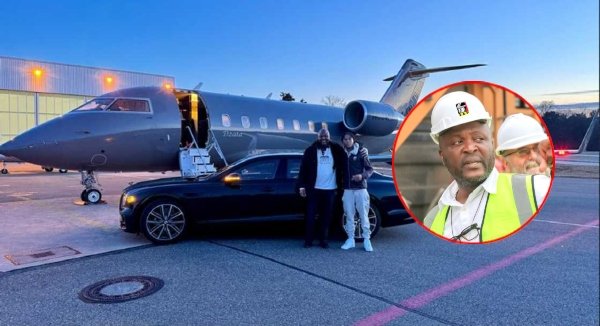
Accra, Ghana – March 3, 2026 – Ghanaian business tycoon Ibrahim Mahama has added a state-of-the-art Bombardier Global 6500 to his aviation fleet, with the ultra-long-range private jet valued at approximately $70 million.
The aircraft was purchased in 2024 and officially delivered in February 2026. A viral video circulating on social media today shows Mahama boarding the sleek grey-and-white jet, which proudly displays his signature “Dzata” (meaning “Lion”) branding on the tail—symbolizing strength, leadership, and his personal identity.
The Bombardier Global 6500 is one of the most advanced business jets in the world, boasting:
-A range of up to 6,600 nautical miles (enough for non-stop flights from Accra to New York, London, or Dubai)
-Maximum speed of Mach 0.90
A- spacious, customizable cabin featuring private suites, lounge areas, office space, high-end entertainment systems, and advanced climate control
-Bombardier’s cutting-edge Vision flight deck for enhanced safety and navigation
Ibrahim Mahama, younger brother of President John Dramani Mahama, is one of Ghana’s most prominent entrepreneurs and philanthropists.
His business empire spans mining (through Engineers & Planners), cement production (Dzata Cement), infrastructure development, and various charitable initiatives. The new jet aligns with his reputation for blending bold business moves with luxury and innovation.
The acquisition comes amid growing interest in private aviation among Africa’s high-net-worth individuals and reinforces Ghana’s position as a hub for influential business figures on the continent.
Ghana News
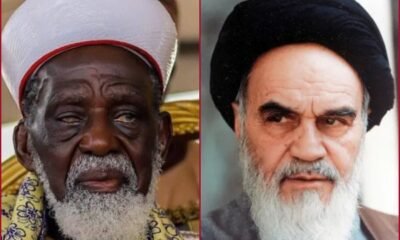
Ghana’s Top Muslim Leader Condemns Khamenei Assassination, Calls for New World Order Based on ‘Right Over Might’

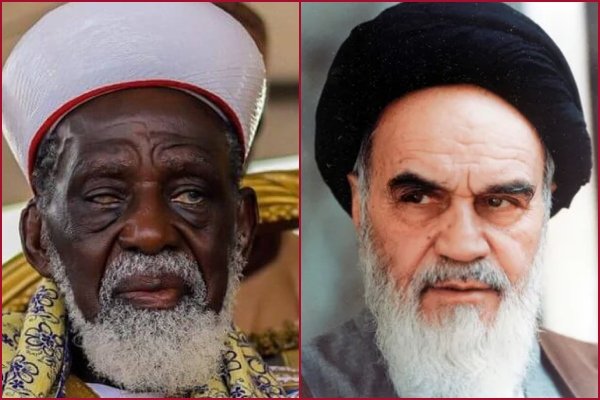
ACCRA, GHANA – March 3, 2026 – In a strongly worded message that resonates far beyond West Africa, Ghana’s highest spiritual authority for the Muslim community has officially condemned the killing of Iran’s Supreme Leader, Ayatollah Ali Khamenei.
National Chief Imam, Shaikh Dr. Osman Nuhu Sharubutu, issued a passionate plea for a global restructuring based on ethical principles over military power.
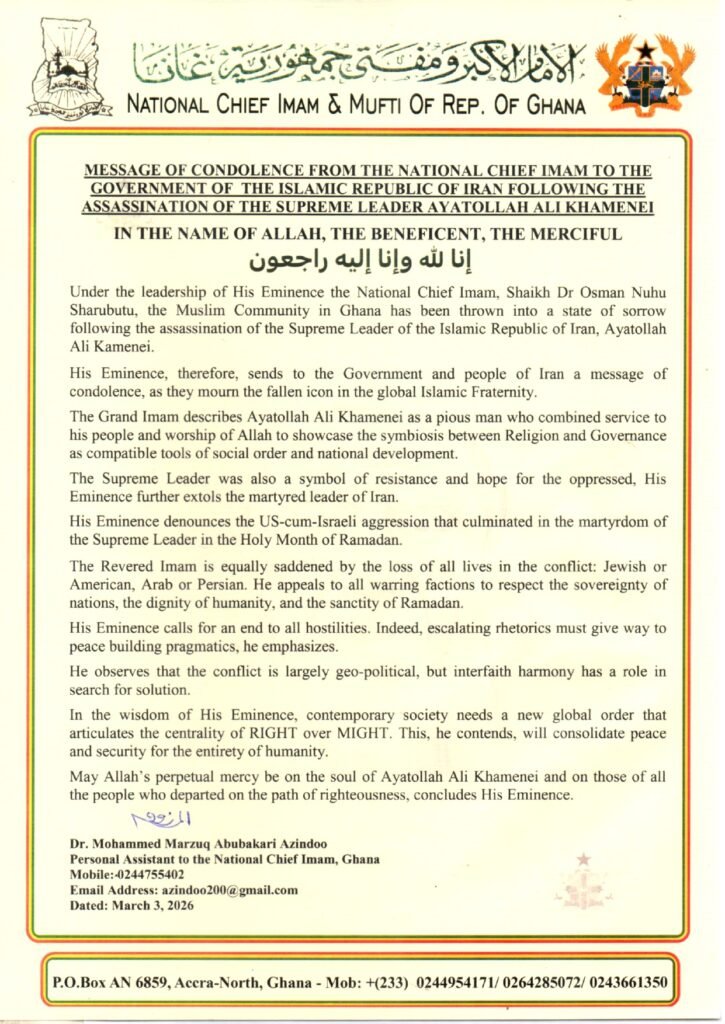
The message from the National Chief Imam released to the media in Ghana describes the late Iranian leader as a “pious man” and a “symbol of resistance and hope for the oppressed.”
The statement directly denounces the operation that led to his death as a “US-cum-Israeli aggression” carried out during the holy month of Ramadan.
The statement, released by his Personal Assistant Dr. Mohammed Marzuq Abubakari Azindoo on Tuesday, March 3, 2026, throws the Ghanaian Muslim community’s moral weight behind Tehran, describing the killing of the Ayatollah not as a political assassination but as a “martyrdom” that has thrown the global Islamic fraternity into sorrow.
A Broader Plea for Humanity
However, in a move that underscores the complexities of modern geopolitics, the Chief Imam’s message extends beyond sectarian lines. He explicitly expressed sadness over the loss of all lives in the ongoing conflict, including “Jewish or American, Arab or Persian.”
This inclusive tone positions the respected Ghanaian religious leader as a potential voice of moderation. He urged all warring factions to respect the sovereignty of nations, the dignity of humanity, and the sanctity of the Ramadan period.
“In the wisdom of His Eminence, contemporary society needs a new global order that articulates the centrality of RIGHT over MIGHT,” the statement reads. “This, he contends, will consolidate peace and security for the entirety of humanity.”
Geo-politics and Interfaith Harmony
The Chief Imam’s office acknowledged the deeply “geo-political” nature of the current tensions but insisted that “interfaith harmony has a role in search for solution.”
His call for an immediate end to hostilities and a shift from “escalating rhetorics” to “peace building pragmatics” arrives at a moment of extreme volatility in the Middle East.
By invoking the spirit of Ramadan—a time of reflection and mercy—Shaikh Sharubutu is appealing to the shared values of the Abrahamic faiths to de-escalate the situation.
The statement has been described by experts as a significant diplomatic signal from Ghana, a nation known for its religious tolerance and stable democracy. It places the country’s Muslim leadership firmly on the side of dialogue and against what it perceives as foreign aggression, while simultaneously calling for the protection of all innocent life.
As the world watches the fallout from Tehran, the voice from Accra adds a distinct moral dimension to the debate: a call for a global order where ethical right, rather than geopolitical might, determines the future of international peace.
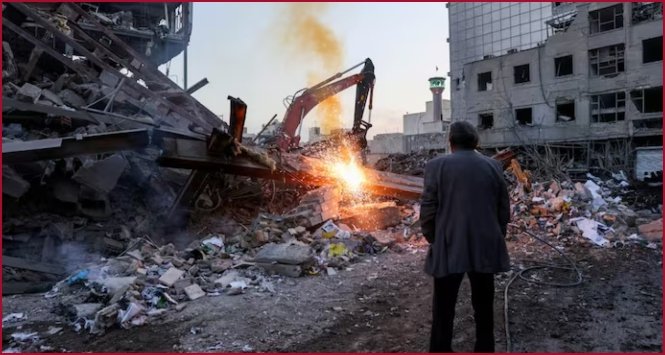
Accra, Ghana – March 3, 2026 – As the US-Israel-Iran conflict enters its third day, marked by deadly airstrikes, missile barrages, and the reported killing of Iran’s Supreme Leader Ayatollah Ali Khamenei, global audiences are flooded with breaking alerts, viral claims, and instant analysis.
In a special segment on Firstpost’s Vantage, veteran journalist Palki Sharma Upadhyay addressed the most pressing viewer-submitted questions to cut through the noise and provide clear, concise answers.
Key points from the explainer:
1. What exactly is happening?
The US and Israel launched attacks on Iran, resulting in the death of Supreme Leader Ayatollah Khamenei. Iran retaliated with missile strikes on US bases and allied interests across the Gulf.
2. Is this war going to get bigger?
It appears likely. The conflict shows no immediate signs of stopping.
3. When will it end?
No one knows. The situation remains highly unpredictable.
4. Will Russia, China, or NATO join the war?
No. Major powers are not expected to enter directly.
5. Will this go nuclear?
Highly unlikely. Nuclear escalation is not anticipated.
6. What role is the United Nations playing?
The UN has condemned the violence but is limited to diplomatic calls for restraint.
7. What does it mean for oil-importing countries like Ghana and other African nations?
It is not good news. Disruptions in the Strait of Hormuz or Gulf supply routes could drive up crude and LNG prices, directly impacting energy costs, inflation, and household budgets in import-dependent economies.
8. Why is the US doing this at all?
The motivation remains unclear even to many Americans—43% disapprove of the strikes according to recent polls.
9. What should you do if you’re stuck in the region?
Do not panic. Follow official advisories, contact your embassy, and stay where you are.
10. Does anyone actually have an exit strategy?
It depends on decisions made by US President Donald Trump.
The segment reflects growing global anxiety over the conflict’s trajectory, with African governments—including Ghana—issuing shelter-in-place advisories, partial embassy evacuations, and travel warnings for nationals in the Gulf and Iran.
The potential for higher oil prices and disrupted shipping routes threatens to reverse recent single-digit inflation gains in oil-importing African countries.


Ibrahim Mahama Acquires New $70 Million Private Jet

Ghana’s Top Muslim Leader Condemns Khamenei Assassination, Calls for New World Order Based on ‘Right Over Might’

The New Wave of “Afro-Minimalism”: Redefining Luxury Beyond the Print
-
 News14 hours ago
Ghana Gears Up for Vibrant 69th Independence Day Celebrations: Parades, Plays, Poetry, and Heritage in Focus
-

 Tourism12 hours ago
Emirates Resumes Limited Flights from Dubai as Middle East Airspace Slowly Reopens Amid Ongoing Conflict
-

 Ghana News15 hours ago
Newspaper Headlines Today: Tuesday, March 3, 2026
-
 Ghana News15 hours ago
Ayawaso East By-Election Results Trickle in, ECG Audits Fast-Reading Meters, and Other Trending Topics in Ghana (March 3, 2026)
-

 Ghana News2 days ago
Court Slaps Barker-Vormawor with GH₵5m for Defaming Kan Dapaah and Other Trending Topics in Ghana (March 2, 2026)
-
 Fashion & Style5 hours ago
The New Wave of “Afro-Minimalism”: Redefining Luxury Beyond the Print
-
 Ghana News5 hours ago
Ghana’s Top Muslim Leader Condemns Khamenei Assassination, Calls for New World Order Based on ‘Right Over Might’
-
 Commentary12 hours ago
At a glance: US‑Israel attack on Iran