
Entertainment
The First Film Ever Made in Tema Is Headed to NYC
The story travelled well locally. Now it is time to see how it lands with the diaspora

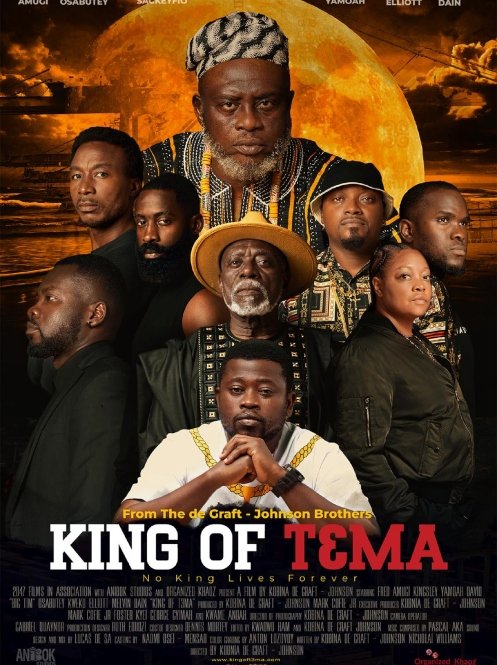
Tema finally has its own movie. And after winning hearts on home soil, the film is packing its bags for New York.
King of Tema, the first feature film ever to come out of the harbour city, has already had its Ghana premiere. The story travelled well locally. Now it is time to see how it lands with the diaspora.
On Thursday, March 5, the film touches down in New York City. The venue stays under wraps for now, but the vision is clear. This is not just a screening. It is a homecoming of sorts for Ghanaians abroad.
The date carries weight. March 5 is the eve of Ghana’s Independence Day. So the team behind the film decided to turn the night into something bigger than cinema.
Kobina, the producer, laid it all out on Instagram. “That evening is going to be a celebration of Ghana culture,” he said. And he meant every word.
Expect the smells of home to fill the New York air. Jollof. Waakye. Chicken. Ghana salad. Light soup with goat. The kind of spread that makes you forget you are thousands of miles away. Ghana music will set the tone. Giveaways and prizes will keep the energy up.
But underneath the food and the fun, there is a quieter purpose. The night is built for connection. Business owners. Creatives. Storytellers. Anyone who moves between two worlds—Ghana and America—and wants to find their people.
“We just want to create a space where we can just celebrate us,” Kobina said.
For those in New York who have been watching from afar, this is the invitation. RSVP is required. Time is 6pm EST sharp.
King of Tema has already made history at home. Now it carries a piece of the harbour city to the heart of the diaspora. One night. One story. One table of jollof. That is all it takes to feel close again.




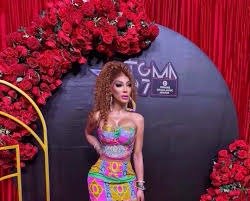



One song. Two dancehall trophies. One historic first for Ghana.
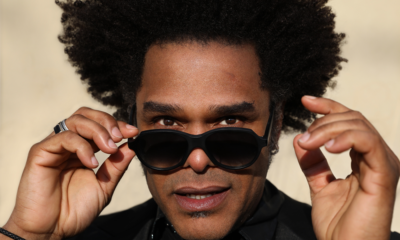
Ghanaian singer Moliy has crossed another international milestone after “Shake It to the Max (Fly) Remix” won Dancehall Song of the Year at the 2026 Caribbean Music Awards, making her the first Ghanaian artist to claim an award at the ceremony.
The awards took place on September 19 at the National Academy for the Performing Arts (NAPA) in Port of Spain, Trinidad and Tobago, marking a landmark edition for the event itself.
After three previous ceremonies in Brooklyn, New York, the Caribbean Music Awards were held in the Caribbean for the first time, giving the celebration an even stronger connection to the music and culture it honours.
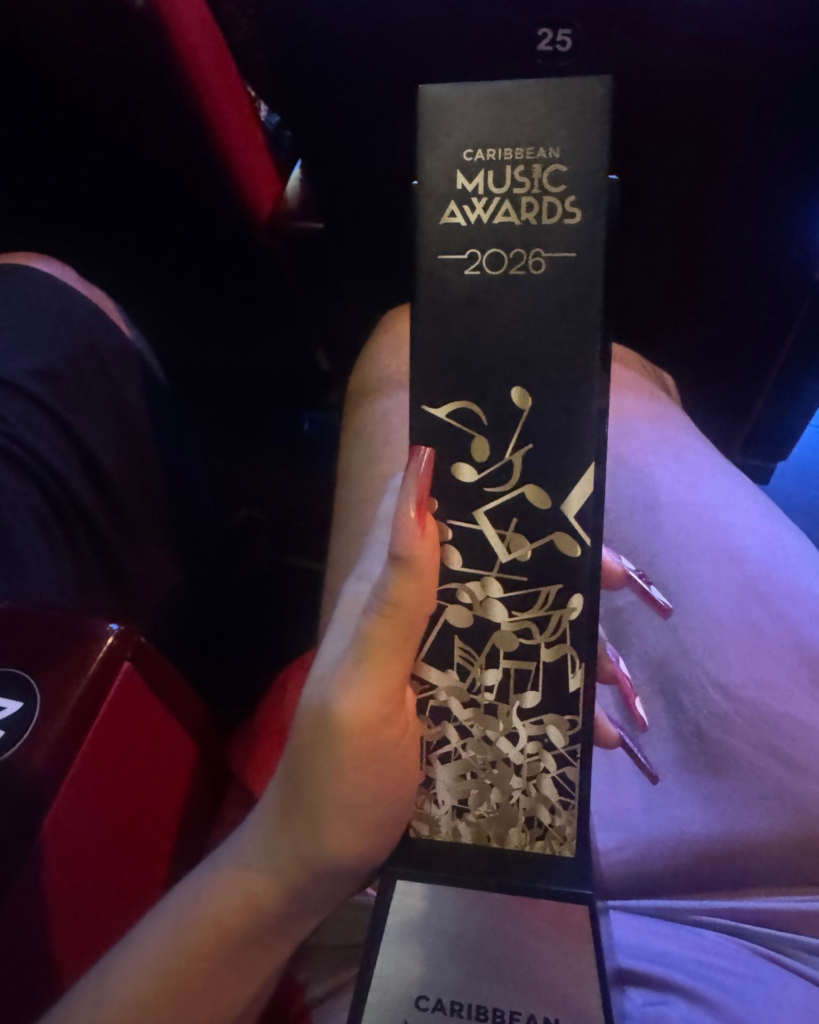
For Moliy, the victory represents more than another international accolade. It signals a rare moment where a Ghanaian artist has earned one of dancehall’s biggest honours on Caribbean soil.
The remix, produced by Silent Addy, pairs Moliy’s melodic Afrobeats style with Jamaican dancehall stars Shenseea and Skillibeng, creating a cross-cultural collaboration that found audiences far beyond West Africa.
The song entered the awards with three nominations and went on to win both Dancehall Song of the Year and Dancehall Collaboration of the Year.
The night also belonged to Shenseea, who added Female Dancehall Artist of the Year to her list of honours, making the collaboration one of the ceremony’s standout success stories.
“Shake It to the Max” has enjoyed an impressive global run since its release, gaining momentum across streaming platforms, social media, clubs, and dance floors.
Its blend of Ghanaian rhythm and Jamaican dancehall energy has become a reminder of how closely African and Caribbean music continue to influence one another.
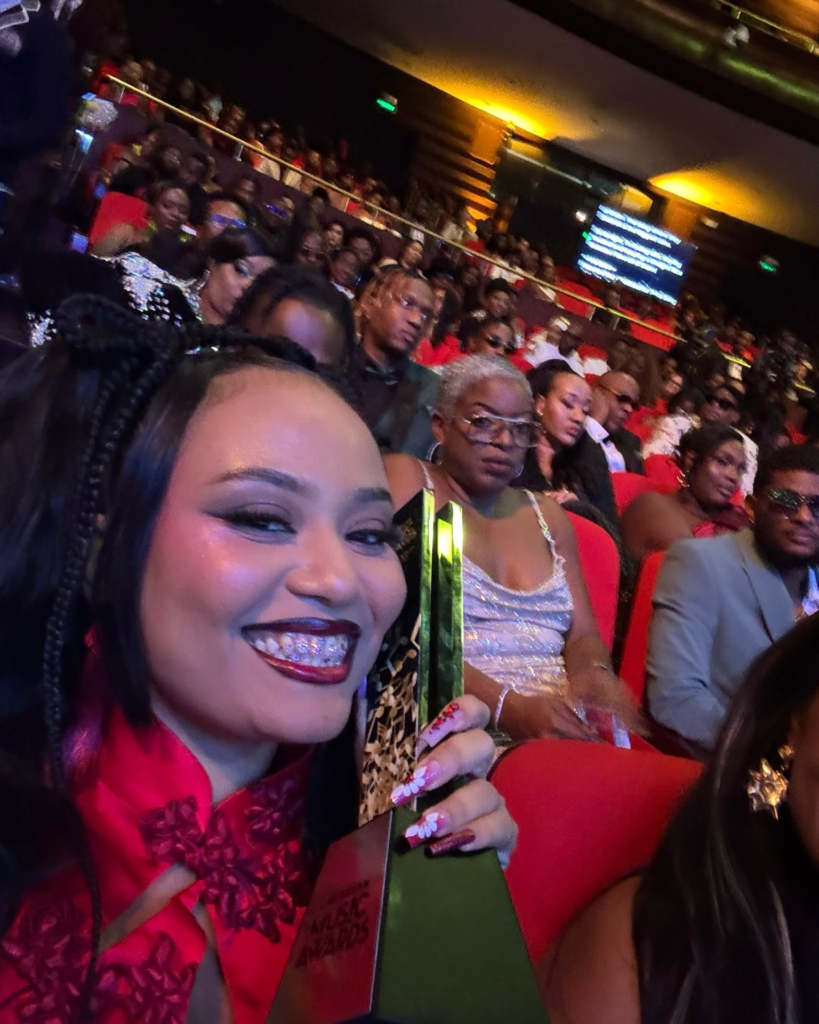
For Ghana’s music industry, Moliy’s breakthrough carries symbolic weight. While Ghanaian artists have increasingly expanded their presence on international stages, winning a Caribbean Music Award opens another door, placing Ghanaian talent in direct conversation with one of the world’s most influential music cultures.
As Afrobeats continues its global rise, Moliy’s latest achievement suggests the movement is no longer defined by geography alone.
The distance between Accra and Kingston feels much shorter when artists from both shores create music that resonates across continents.
With two dancehall trophies and a historic first now attached to her name, Moliy has given Ghana another moment to celebrate—and another reason to keep shaking it to the max.
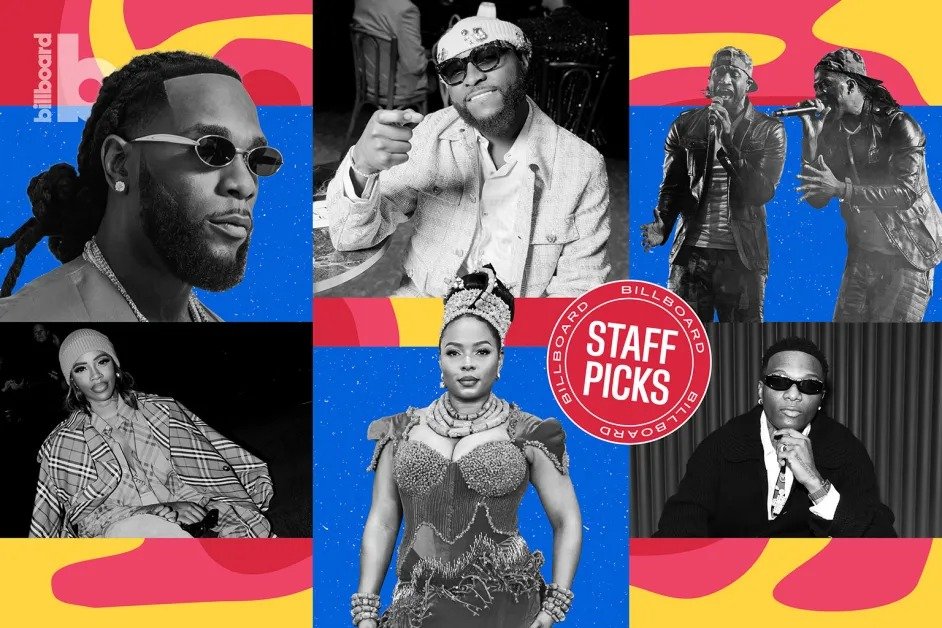
“What started as a uniquely Nigerian cultural product has become a commodity controlled by people far beyond Nigeria’s borders.”
That claim has become a flashpoint in conversations about Afrobeats, the Nigerian-born sound that has grown from Lagos clubs into one of the world’s biggest musical movements.
While the statement is more opinion than settled fact, it captures a growing debate across Africa: as global music companies pour money into Afrobeats, who gets to shape its future?
A decade ago, artists like Wizkid, Davido and later Burna Boy helped push Nigerian music onto international charts with a sound that felt unmistakably homegrown.
Their blend of Afropop, highlife, dancehall and hip-hop resonated across West Africa before finding audiences in London, New York and beyond.
Today, Afrobeats fills stadiums, dominates streaming playlists and has its own Grammy category. But its global success has also brought questions about ownership and creative control.
One of the biggest turning points came in 2024 when Universal Music Group acquired a majority stake in Mavin Records, one of Nigeria’s most influential record labels founded by producer and executive Don Jazzy.
The deal symbolised a wider trend: international music giants increasingly investing in African talent and infrastructure.
Supporters argue that these partnerships give artists access to larger marketing budgets, global distribution networks and opportunities that were once out of reach.
Nigerian stars now headline international festivals, collaborate with global acts and earn revenues from audiences across continents.
Critics, however, worry that commercial success comes with trade-offs.
Some believe global executives and streaming platforms now wield enormous influence over which artists receive the biggest promotional push, which songs land on influential playlists and what version of Afrobeats reaches international listeners.
They argue that the genre’s rough-edged experimentation has gradually given way to a more polished sound designed to travel easily across global markets.
That concern extends beyond Nigeria.
For Ghana, the conversation feels familiar. Highlife, hiplife and the fast-rising Asakaa movement have all faced questions about how local sounds can grow internationally without losing the cultural identity that made them distinctive in the first place. Across the continent, artists increasingly navigate a delicate balance between staying authentic and appealing to worldwide audiences.
Not everyone agrees that Afrobeats has lost its identity. Many fans point out that Nigerian artists continue to dominate charts, create trends and influence global pop music rather than simply following it. They see the genre’s evolution as a natural consequence of reaching bigger audiences.
Still, the discussion reflects a broader reality facing Africa’s creative industries. As music becomes a billion-dollar global business, ownership matters almost as much as artistry. The question is no longer whether African music belongs on the world stage—it already does.
The bigger question is who gets to decide what the next chapter sounds like.
Arts and GH Heritage
Ghana Builds Its First Cinema Dedicated Entirely to African and Diasporic Films: The Falcon Rises in Berekuso

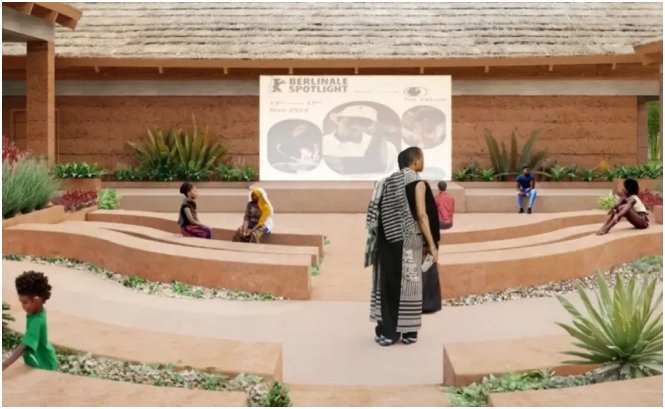
Ghana is building its first cinema space dedicated exclusively to African and diasporic cinema, a landmark cultural project that aims to do more than screen films: it seeks to house and preserve a film culture that has existed for decades without a purpose-built institution to call home.
Named The Falcon Cinema, the project is currently under development in Berekuso by Studio NEiDA, an architecture practice co-founded by Fabiola Büchele, former Creative Director of Studio Francis Kéré, and Jeanne Autran-Edorh, who has trained at Herzog & de Meuron and Kéré’s studio. The studio previously curated Togo’s first pavilion at the Venice Architecture Biennale.
A Cinema Built From Ghanaian Earth
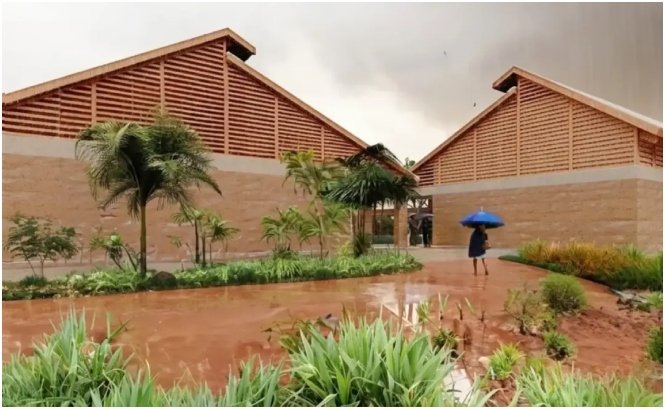
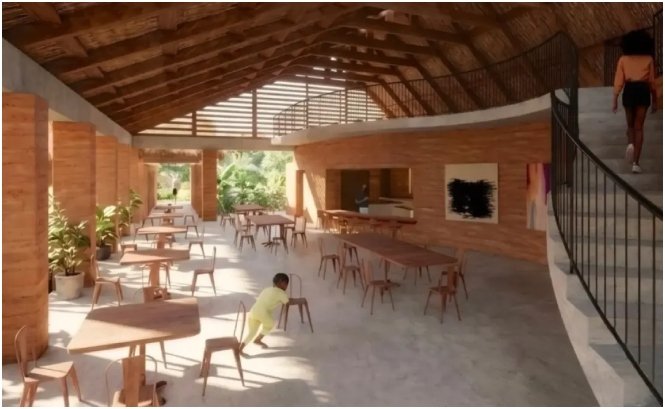
Inspired by the spatial organization of traditional Asante compounds, The Falcon is arranged as four earth-built structures surrounding a central courtyard. The venue will include two screening rooms, an outdoor cinema, communal spaces, a restaurant, and a film archive dedicated to African and diasporic cinema.
Constructed from locally sourced earth materials and topped with a palm-leaf thatched roof, the project combines passive ventilation strategies with contemporary screening facilities. The design prioritizes sustainability while honoring indigenous building traditions.
“The Falcon is not competing with a streaming subscription,” the project team noted. “It is making the case for cinema as a shared spatial experience.”
Programming With Rigo
The Falcon’s programming is led by Alice Otchere Johnson, a Ghanaian film critic and founder of AJ4short. Johnson is recognized as a Berlinale Talents 2026 fellow and was awarded the FIPRESCI Talent Press Award at Talents Durban 2025. Her involvement signals a commitment to curatorial excellence and a deep understanding of both African cinema and the global film landscape.
“This is what cultural infrastructure looks like when all the decisions are made from inside the culture it is meant to serve,” the project team stated.
Filling a Long-Standing Gap
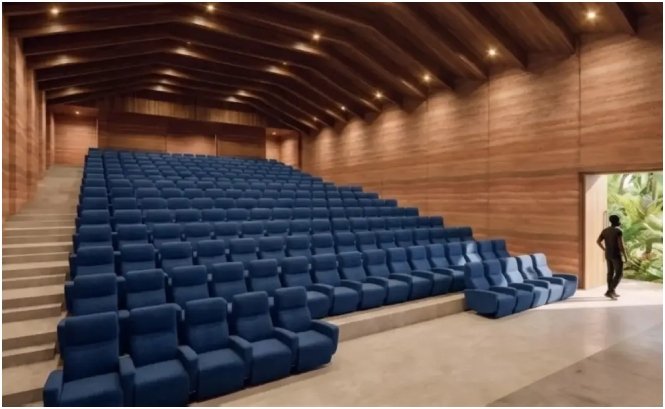
The Falcon will become the first cinema space in Ghana dedicated to African cinema and independent films—an ambition the team describes as anything but minor.
“Ghana has a film culture, with directors, critics, and audiences who have been building that culture for decades, without a purpose-built institution to house it,” the project revealed.
With screening rooms, an outdoor cinema, and a dedicated film archive focused on African storytelling, The Falcon aims to celebrate and preserve Africa’s rich cultural and cinematic heritage while providing a home for the next generation of filmmakers and audiences.
More Than a Cinema
Beyond film exhibition, The Falcon is designed as a community space for public gathering, archival preservation, and cultural exchange. The inclusion of communal areas and a restaurant reflects the traditional Asante compound’s role as a social hub—a place where people come together not just for a specific activity, but to share space, food, and conversation.
For a continent whose stories have too often been told by outsiders, The Falcon represents a different vision: a cinema built from local earth, programmed by local critics, and rooted in local architectural traditions. It is, in the project’s own words, cultural infrastructure designed from the inside out.
Construction is ongoing in Berekuso. Further details on opening dates and programming schedules are expected in the coming months.


Funding Fears Loom For Ghana’s Life-Saving Malaria Vaccine Five Years After Roll Out

‘There was a Coordinated Disclosure Plan’: AI-Discovered Flaw in PHP Triggers Global Internet Chaos as Cybercriminals Race to Exploit It

Yandex Strikes: Can Moscow Host Africa Under Drone Threat?
-

 Festivals & Events2 days ago
Compozers Fest Ghana Edition: Welcoming 2027 with Music in Accra
-
 Ghana News2 days ago
Major Sexual Abuse Scandal Rocks Ghana High School: Obuasi School Headmaster Sues Journalist for GH¢2 Million as Investigation Into Alleged Misconduct Widens
-
 Taste GH2 days ago
Airport Residential Area: Where Accra’s Dining Scene Meets Global Flavours
-

 Health & Wellness2 days ago
Why Keeping Weight Off Can Be Harder Than Losing It
-
 Opinion2 days ago
Yandex Strikes: Can Moscow Host Africa Under Drone Threat?
-
 Global Update2 days ago
‘There was a Coordinated Disclosure Plan’: AI-Discovered Flaw in PHP Triggers Global Internet Chaos as Cybercriminals Race to Exploit It
-
 Ghana News2 days ago
Funding Fears Loom For Ghana’s Life-Saving Malaria Vaccine Five Years After Roll Out