
Festivals & Events
The Festival of Truth: Why Techiman’s 2026 Apoɔ is the Ultimate Cultural Reset


If you think a festival is just about the drumming and the dancing, you’ve clearly never been to Techiman during Apoɔ.
Imagine a place where, for a few weeks, the social hierarchy dissolves, and you are legally and spiritually permitted to tell your boss, your neighbor, or even the highest King exactly what you think of them—without fear of retribution.
This isn’t a modern social media “call-out” culture; it is a sacred, ancient Bono tradition of psychological and spiritual purging that has kept this community vibrant for centuries.
From March 7 to April 5, 2026, the Techiman Traditional Council invites the world to witness this extraordinary spectacle under the theme: “Showcasing our heritage and uniting for ancestral blessings.”
The Art of “Rejecting” Evil
The word Apoɔ comes from the Bono root “po,” which literally means to reject. Historically, the festival emerged as a response to the authoritarian rule of past leaders. The people needed a vent for their frustrations, so they consulted the gods, who sanctioned a period where grievances could be aired through proverbs, songs, and lampoons.
Today, this “rejection” isn’t just about politics; it’s a massive spiritual cleanup. Before the main events, you’ll see priests performing Hyiretuo (spiritual cleansing) and women gathering white clay from the Aponkosu River to decorate shrines. It is a time when the “dirty” air of grudges and social evils is cleared to make room for fresh ancestral blessings.
Why You Must Be in Techiman This Year
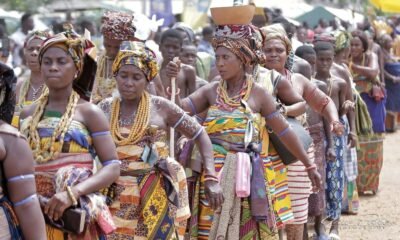
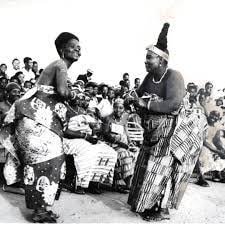
For the global traveler, Apoɔ is a masterclass in indigenous democracy. Watching the Akokobonee (early morning songs) or the flamboyant processions where participants smear themselves in charcoal and clay is a sensory overload in the best way possible. It is one of the few places on earth where you can see ancient African conflict resolution in its rawest, most artistic form.
For the native Ghanaian, especially those in the diaspora, this is a homecoming with a purpose. After the disruptions of the past few years, the 2026 festival is a pivotal moment for “uniting for ancestral blessings.” It is about settling family feuds, reconnecting with the Bono-Manso roots, and standing in the presence of the Omanhene as he pours libation to the ancestors who founded one of the earliest Akan states.
What to Expect
As the festival climaxes toward the final 5:00 pm curtain call on April 5, expect the town of Techiman to be a kaleidoscope of color. You will witness:
- The Apoɔ Procession: A rhythmic, satirical parade where “insults” are turned into high art.
- Ancestral Rites: Solemn visits to the royal cemetery to bridge the gap between the living and the dead.
- The Great Friday: The peak of the celebrations, where the unity of the Bono people is most palpable.
Recommendation
If you are planning to attend, book your accommodation in the Bono East Region early. Beyond the festival grounds, take a day trip to the nearby Boabeng-Fiema Monkey Sanctuary or the Fuller Falls.
To truly “humanize” your experience, don’t just watch from the sidelines—learn a few Bono proverbs and join the singing. There is no better way to feel the pulse of Ghana than by participating in the “rejection” of the old to welcome the new.










Fashion & Style
The Global Runway Awaits: Inside the British Council’s 16-Week Blueprint for Ghana’s Creative Future

In the heart of Accra’s buzzing fashion districts—from the tailors of Osu to the high-end ateliers in East Legon—there has never been a shortage of “vibes.”
Ghanaian designers possess a unique, innate ability to weave heritage into every seam. Yet, for many early-stage brands, the path from a stunning runway collection to a sustainable, bankable business remains a complex puzzle.
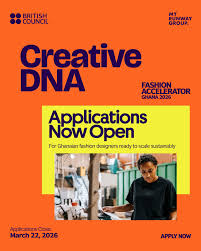
Enter Creative DNA, a 16-week accelerator program that is finally bridging the gap between raw creative talent and commercial dominance.
A collaboration between the British Council Ghana and MyRunwayGroup, this initiative is the first of its kind in the country, specifically engineered to turn “one-man-show” fashion brands into globally competitive enterprises.
More Than Just a Runway
While the fashion world often fixates on the final walk, Creative DNA focuses on the “DNA” of the business itself. The program isn’t looking for perfection; it’s looking for potential. For 16 intensive weeks, selected participants will transform through:
- Business Mastery: Moving away from unstructured operations toward scalable growth strategies.
- Direct Mentorship: Gaining a seat at the table with industry titans who have already navigated the global market.
- Market Pipelines: Opening doors to international audiences, effectively shattering the “saturated market” myth by connecting local brands to the UK and beyond.
The £15,000 Catalyst
One of the most significant barriers for Ghanaian designers has always been capital. Creative DNA addresses this head-on with a £15,000 grant pot.
This isn’t just a handout; it is a strategic injection of funds designed to help designers refine their production, improve quality control, and prepare for the rigors of international trade.
It is the fuel intended to take a brand from a local workshop to a global digital storefront.
Don’t Wait for the Next Season
The fashion industry moves at lightning speed, and opportunities like this are the “limited edition” drops of the business world. Whether you are an emerging designer or a brand looking to scale, the structure and visibility offered here are the missing threads in your success story.
The clock is ticking. Applications are currently open but will close on March 22, 2026. If you’re ready to trade the struggle for strategy, visit www.myrunwaygroup.com or head over to the Instagram pages of My Runway Group and British Council Ghana to secure your spot.
Festivals & Events
The Great Hug of Tema: Why the Kpledjoo Festival is Ghana’s Most Heartfelt Sustainable Celebration
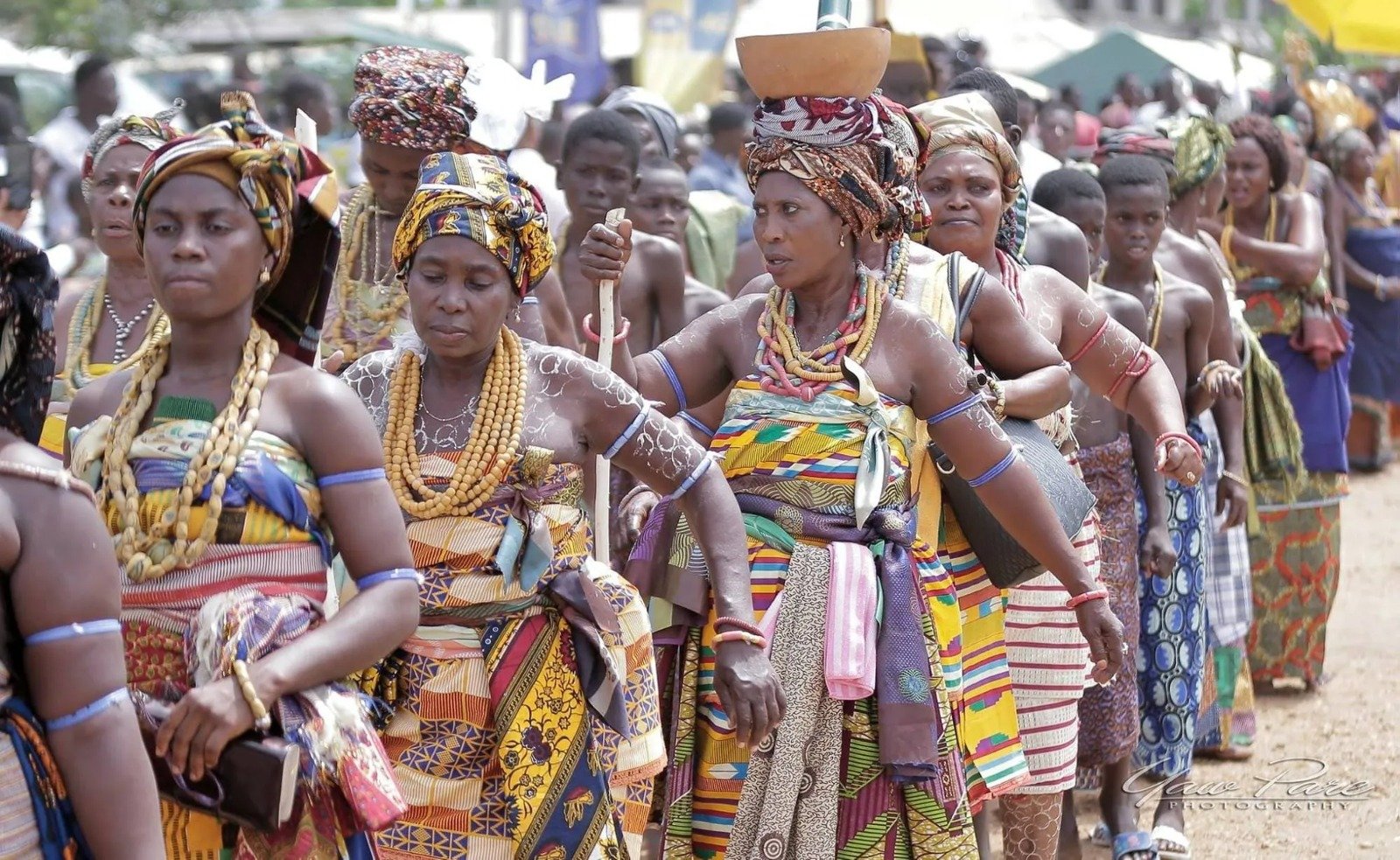
In the coastal city of Tema, there is a season where the rhythm of the Atlantic waves meets the steady beat of traditional drums. It’s a time when the modern industrial hub pauses to honor a sanctuary older than its factories: the Sakumo Lagoon.
If you find yourself in Ghana this late March, you aren’t just a spectator; you are a guest at one of the most tactile and environmentally conscious celebrations in the Greater Accra Region—the Kpledjoo Festival.
The Soul of the Lagoon
For five months, a heavy silence hangs over the Sakumo Lagoon. A strict ban on fishing and crab trapping ensures the waters remain undisturbed, allowing the ecosystem to breathe and replenish.
This isn’t just tradition; it’s an ancient masterclass in sustainability. By the time March 28th arrives, the lagoon is teeming with life, ready to sustain the community for another year.
The festival begins with a sacred dialogue between the spiritual and the physical. On the banks of the lagoon, the High Priest performs intricate rituals to appease the deities—Nayao, Awudu, Sakumo, and Tsade.
Only after these rites are completed is the ban lifted, signaling a literal and metaphorical “opening of the gates” to the people.
Why You Can’t Miss the Hug
While many festivals are defined by distance and pageantry, Kpledjoo is defined by proximity. The climax of the event is a grand durbar that dissolves into a “free-for-all” hugging session.
In a world that often feels divided, seeing the chiefs, elders, and thousands of residents—both native and foreign—wrapped in passionate embraces is a sight to behold. This “hugging ritual” serves as a powerful social equalizer.
It’s a moment where old grudges are squeezed out, and the spirit of community is physically reinforced. Whether you are a tourist from Tokyo or a native of Tema, don’t be surprised if you find yourself pulled into a warm, genuine embrace by a total stranger.
A Masterclass in Peer Review
Kpledjoo also features a unique “peer review” system that would make modern HR departments envious. Youth groups, dressed in vibrant, fanciful costumes, roam the streets singing Kple songs. These aren’t just melodies; they are musical report cards. They praise individuals who have done good deeds throughout the year and playfully “name and shame” those whose behavior has fallen short. It’s a rhythmic, witty way of maintaining the moral fabric of the city.
Event Details
- Date: March 28, 2026
- Time: 8:00 AM – 5:00 PM
- Venue: Tema, Greater Accra Region (Start at the Sakumo Lagoon banks)
Recommendation
To get the full experience, arrive early in Tema Newtown. Find a spot near the lagoon to witness the priests’ arrival, but keep your camera ready for the afternoon durbar. Wear comfortable, lightweight clothing (white is a great choice to blend with the traditional aesthetic) and be prepared to move with the crowd. Most importantly, bring an open heart—you will be hugged!
Festivals & Events
Ancestors and Artistry: Your Guide to the Most Vibrant Sunday in the Ashanti Kingdom
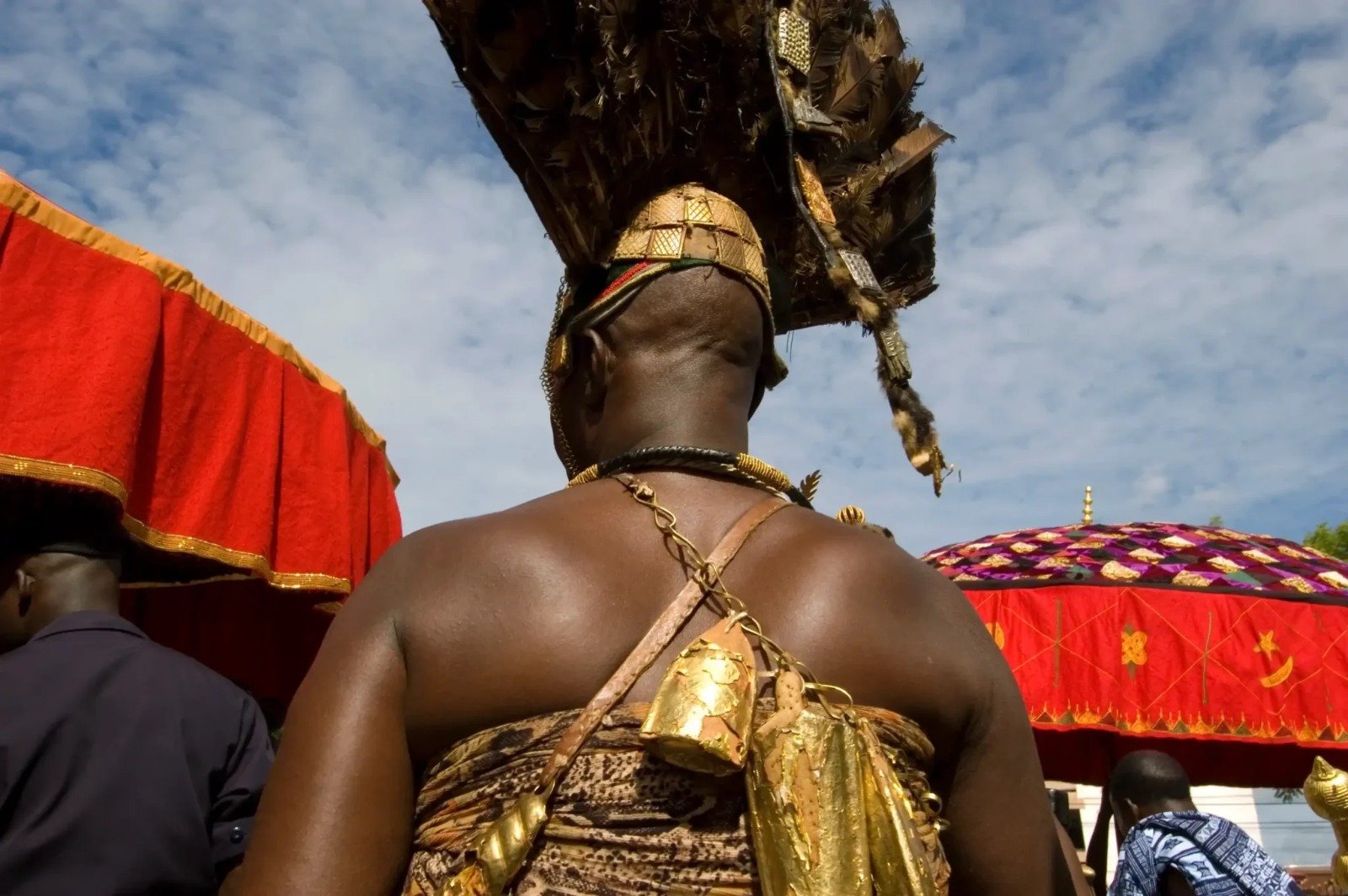
In the heart of Kumasi, where the air often carries the scent of tropical rain and roasting plantain, lies a palace that holds the soul of the Asante people.
The Manhyia Palace isn’t just a residence; it is a living monument.
Every six weeks, this courtyard transforms into a sea of woven Kente and rhythmic drumming for the Akwasidae Festival. On Sunday, March 15, 2026, the drums will beat once more, inviting the world to witness a spectacle of royalty, reverence, and profound heritage.
A Sacred Rhythm
Akwasidae is not a mere “performance” for onlookers; it is a sacred obligation. Following the Akan calendar, which operates on a 42-day cycle, the festival serves as a bridge between the living and the ancestors.
It is a moment for the Asantehene, the King of the Ashanti, to commune with those who came before him, offering etor (mashed yam) and libations to ensure the continued prosperity of the kingdom.
For a nation that balances rapid modernization with deep-rooted tradition, Akwasidae is the anchor.
Seeing the Asantehene sit in state, surrounded by his sub-chiefs and the legendary Golden Stool (represented by its spiritual presence), is a reminder that some things are timeless.
Why You Should Make the Journey
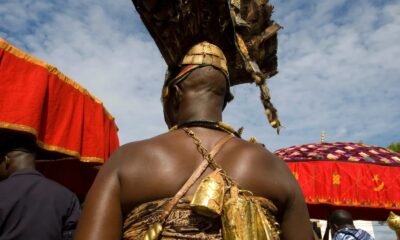
If you are a traveler landing in Ghana for the first time, your journey is incomplete without Kumasi. While Accra offers the bustle of a metropolis, Kumasi offers the weight of history. Attending Akwasidae is the most immersive way to understand the Ghanaian psyche. You aren’t just reading about a kingdom in a textbook; you are standing in the middle of one. You will hear the Fontomfrom drums talk, watch the intricate hand signals of the linguists, and see the heavy gold jewelry that tells stories of ancient wealth and power.
For the native Ghanaian, Akwasidae is a homecoming. In an era of digital noise, there is something incredibly grounding about returning to the “Garden City.” The first ceremony of 2026 has already set a high bar, featuring a vibrant parade by the Royal Police Ladies and visits from top-tier dignitaries. The March 15th celebration promises to be even more expansive, blending the solemnity of ancestral rites with the vibrant energy of a community in celebration.
The Experience
Expect to arrive early. By 8:00 am, the palace grounds will already be humming. The dress code is naturally respectful; you will see the most exquisite Kente cloth on earth draped over shoulders like works of art. As the Asantehene makes his grand entry, carried in a palanquin under a massive, colorful umbrella, the energy is electric. It is a masterclass in diplomacy, culture, and pure, unadulterated African pride.
- Date: March 15, 2026
- Time: 8:00 am – 5:00 pm
- Venue: Manhyia Palace, Kumasi
- Organizer: Manhyia Palace
Whether you come for the photography, the history, or the spiritual connection, you will leave Manhyia feeling like you’ve touched the very fabric of Ghana.


Experience the Rare Texture of Apapransa the Celebratory Roasted Corn Delicacy

The Festival of Truth: Why Techiman’s 2026 Apoɔ is the Ultimate Cultural Reset

Khaby Lame is the world’s most followed TikToker: the story of a Senegalese‑born star who sold his identity
-

 Ghana News2 days ago
Helicopter Crash at Tema School Park Kills 2, Security Service Recruitment to be Expanded to 40,000 and Other Trending Issues Today (March 16, 2026)
-

 Ghana News2 days ago
Newspaper Headlines Today: Monday, March 16, 2026
-

 Ghana News1 day ago
Ghana Announces Emergency One-Way Evacuation for Citizens in Qatar Amid Heightened Security Concerns
-

 Ghana News2 days ago
Healthcare for All: President Launches Policy to End Financial Barriers at Facilities Across Ghana
-

 Global Update1 day ago
Influential Foreign Policy Group Sends Direct Message to Trump Warning of Global Risks From His Actions in Iran
-

 Africa Watch1 day ago
France Returns Sacred ‘Talking Drum’ Looted During Colonial Rule to Ivory Coast
-

 Business2 days ago
25 Sittings, Zero Answers: Ghana’s Parliamentary Slow Motion Costing Ghana and Atlantic Lithium Billions
-

 Ghana News15 hours ago
Newspaper Headlines Today: Tuesday, March 17, 2026