
Business
Standard Bank Granted Access to China’s Cross-Border Payment System, Becoming First African Bank to Achieve Feat


Standard Bank has become the first African financial institution authorized to process transactions through China’s Cross-Border Interbank Payment System (CIPS).
This marks a major shift in Africa–China trade integration and signaling Africa’s growing influence in global financial networks.
The milestone was confirmed at this year’s Lujiazui Forum in Shanghai, where Standard Bank Corporate and Investment Banking was granted its license to offer CIPS transactions. The forum, known for convening top government officials, financial leaders, and scholars, focuses on strengthening international financial cooperation and accelerating China’s market reforms.
A New Era for Africa–China Transactions
Through CIPS, interbank payments between Africa and China can now move directly in Chinese renminbi (RMB), eliminating the need to channel payments through multiple correspondent banks or convert through intermediary currencies such as the U.S. dollar.
For African businesses deeply integrated in Chinese supply chains, this is more than a technical upgrade — it’s a simplification that could cut costs, reduce delays, and ease one of the continent’s enduring barriers to fast-moving trade.
“As an institution that is invested in driving Africa’s economic growth, we are excited to be the first bank on the continent that offers CIPS transactions,” said Anne Aliker, Group Head of Client Coverage at Standard Bank Corporate and Investment Banking. “This demonstrates our commitment and ability to deliver innovative solutions that truly add value for our clients.”
Why This Matters: Trade With China Is Surging
Standard Bank’s Trade Barometer 2024 shows 34% of African businesses surveyed now source imports from China — up from 23% in May 2023. That jump reflects a broad trend: China remains Africa’s largest export market and one of its most critical partners for infrastructure, technology, and consumer goods.
Against this backdrop, the ability to clear renminbi payments directly is poised to transform operational efficiency.
“We believe that CIPS will contribute to unlocking Africa’s economic potential by fast-tracking trade, supporting infrastructure development, increasing regional integration and enabling more efficient deployment of capital,” Aliker added.
A Boost for African Competitiveness
Analysts say the move positions African companies to trade on terms that better match the speed and scale of global supply chains. It also aligns with Beijing’s broader push for RMB internationalisation — a strategy that, for Africa, could translate into smoother financing for cross-border projects and reduced currency volatility.
With CIPS access, African exporters shipping minerals, agricultural products, and manufactured goods to China may find it easier to reconcile payments and track settlement timelines. Importers stand to benefit from lower friction and more predictable transaction flows.
Standard Bank says CIPS transactions will go live on its platforms from September 2025.
“We will continue to seamlessly meet our clients’ needs by providing flexibility in solutions aligned to the developing payments landscape,” Aliker said.


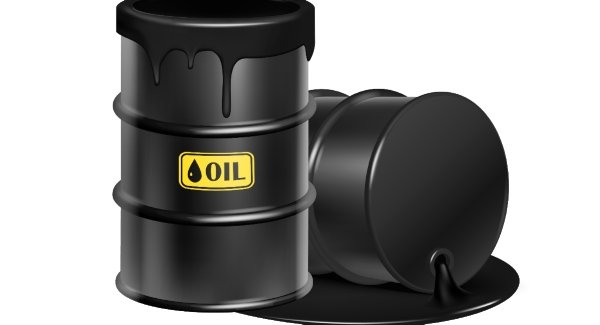
Ghana has lost more than US$16.5 billion in potential gross oil revenue over the past six years as crude oil production plummeted by nearly half from its 2019 peak, according to a devastating new report by the prominent Institute for Energy Security (IES).
The analysis, authored by energy experts Smith Prosper Boahene and Prince Lumor, paints a grim picture of a sector in freefall.
Crude oil output crashed from 71.44 million barrels in 2019 to just 37.30 million barrels in 2025, a staggering decline of almost 48 percent. The Energy Commission projects production will fall further to 34.83 million barrels in 2026, extending the downward trajectory into a seventh consecutive year.
The production collapse has delivered a hammer blow to government finances. Total petroleum receipts nosedived by 43.27 percent, from US$1.36 billion in 2024 to US$770.27 million in 2025. The decline was driven by both lower production volumes and a fall in the average realised crude oil price from US$86.12 to US$74.93 per barrel.
The first half of 2025 alone told a harrowing story: crude oil production declined by 26 percent year-on-year to 18.42 million barrels, while petroleum receipts collapsed from US$840 million to US$370 million.
IES described the prolonged downturn as “not a routine cyclical dip” but a structural crisis born of deep-rooted operational and policy failures.
“The decline is not attributable to one shock, but to several structural, operational, and policy failures compounding over an unusually long period,” the report stated.
Using an “illustrative counterfactual” model, IES projected a scenario in which Ghana maintained a modest annual production growth rate of three percent through sustained drilling, new petroleum agreements and improved reservoir management. Under that scenario, cumulative production would have exceeded actual output by approximately 221 million barrels—a missed opportunity that translates directly into the US$16.5 billion revenue hole.
Petroleum revenue contributes about 10 percent of total government income and supports critical public infrastructure and national development programmes. The sustained collapse therefore has far-reaching implications for Ghana’s fiscal stability, affecting everything from road construction to healthcare funding.
The report identified natural depletion of mature oil fields, insufficient replacement reserves and the failure to sign new petroleum agreements since 2018 as the principal causes. Ghana’s oil production remains dangerously concentrated in just three offshore fields—Jubilee, TEN and Sankofa Gye Nyame. Although Jubilee remained the country’s largest producing field in 2025 with 22.2 million barrels, it also recorded the sharpest year-on-year decline of more than 30 percent, partly due to a planned production shutdown between March 26 and April 8.
IES noted that the temporary production increase recorded in 2024 following drilling under the Jubilee South East project demonstrated that targeted investment can slow production decline. The report also clarified that while COVID-19 disruptions worsened the downturn in 2021, the decline had already begun before the pandemic.
“COVID-19 aggravated an already-declining trend rather than starting it,” the report noted.
Financial economist Professor Lord Mensah has attributed the sharp decline in petroleum revenues to inconsistent fiscal and investment policies, urging government to channel available oil revenues into infrastructure development, agriculture and export-led economic diversification.
IES concluded that Ghana’s prolonged decline in oil production requires urgent policy action.
“Ghana’s six consecutive years of crude oil production decline are far more than a cyclical fluctuation. The data show a structural crisis… Reversing it will require new licensing, accelerated investment, improved operational efficiency, strengthened institutional capacity, and diversified revenue management, implemented with the urgency the data clearly demonstrate is overdue,” the report said.
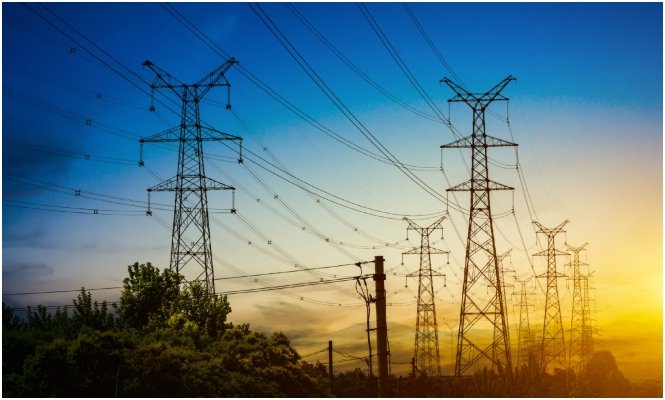
The World Bank has downgraded Ghana’s flagship Energy Sector Recovery Programme (ESRP) to “Unsatisfactory” status.
The World Bank has cited significant delays in implementation caused by financing constraints and new fiscal controls from the Ministry of Finance for the downgrade.
In its latest report dated June 30, 2026, the Bank highlighted how election-related disruptions and procurement restrictions have slowed key reforms aimed at improving the financial health of the country’s electricity sector.
Only one program indicator was fully achieved during the reporting period, with the Electricity Company of Ghana (ECG) publishing its 2025 audited financial statements. Progress on smart metering, customer service improvements, and the promotion of clean cooking solutions (LPG) remains behind target.
The combined financial losses of ECG and the Northern Electricity Distribution Company have continued to rise, reaching approximately $1.5 billion. The World Bank stressed the need for better coordination to accelerate structural reforms in the energy sector
Implications
The downgrade carries significant implications for the country.
Given that the energy sector has long been one of the largest drivers of Ghana’s national debt, this development signals mounting friction in the country’s economic recovery.
The key implications of this downgrade include:
1. Escalating National Debt and Fiscal Strain
- Accumulating Losses: With the combined financial losses of the Electricity Company of Ghana (ECG) and the Northern Electricity Distribution Company (NEDCo) rising to approximately $1.5 billion, the energy sector remains a massive financial black hole.
- Budgetary Pressure: Because these utilities cannot cover their operational costs, the Ministry of Finance is routinely forced to step in with emergency bailouts. This diverts scarce public funds away from critical sectors like healthcare, education, and infrastructure development.
2. Risk to Investor Confidence and Future Financing
- Negative Signaling: A World Bank downgrade acts as a warning flag to international financial institutions, bilateral donors, and private investors. It signals that structural reforms are stalling.
- Credit and Loan Conditions: This “Unsatisfactory” status could complicate or delay the disbursement of future tranches of financial support from the World Bank or make international credit more expensive for Ghana, as it raises the country’s perceived risk profile.
3. Increased Threat of Power Instability (Dumsor)
- Supply Chain Bottlenecks: The report highlights that implementation delays are caused by “financing constraints.” When ECG and independent power producers (IPPs) face severe liquidity crises, they struggle to maintain equipment, purchase fuel, or pay power generators on time.
- This directly increases the risk of operational disruptions, fuel shortages, and a return to erratic power outages (dumsor), which severely impacts businesses and households.
4. Stalled Modernization and Consumer Upgrades
The downgrade explicitly notes that crucial consumer-facing reforms have fallen behind target:
- Smart Metering & Customer Service: Delays in deploying smart meters mean that power theft, commercial losses, and inefficient billing will continue unchecked.
- Clean Cooking Clean Energy Transition: Delays in promoting clean cooking solutions (like LPG) slow down Ghana’s broader environmental and climate goals, keeping vulnerable populations reliant on biomass (wood and charcoal).
5. Exposure of Political and Structural Roadblocks
- Election-Year Friction: The World Bank explicitly pointed to “election-related disruptions and procurement restrictions” as primary bottlenecks. This implies that political cycles and the resulting strict fiscal controls from the Ministry of Finance are actively hampering long-term economic planning.
- Lack of Institutional Alignment: The call for “better coordination” highlights a friction point between utility management (ECG/NEDCo) and state oversight (Ministry of Finance), suggesting that bureaucratic silos are paralyzing necessary reforms.
The Silver Lining
The only silver lining noted was ECG finally publishing its 2025 audited financial statements.
While this satisfies a basic transparency indicator, it essentially only provides a clearer, official look at how deep the financial deficit actually is, rather than solving the underlying structural crisis.
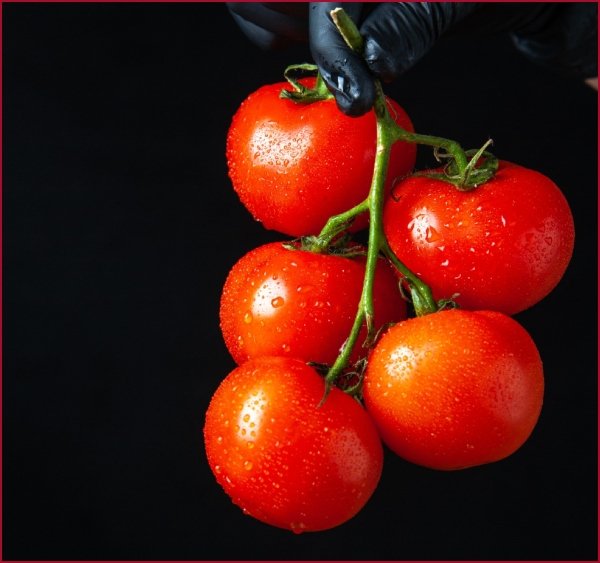
The Ghanaian government has announced ambitious plans to eliminate the country’s heavy dependence on imported tomatoes within the next four months.
Agriculture Minister Eric Opoku made the pledge while updating Parliament’s Select Committee on Assurances, outlining ongoing interventions to boost domestic tomato farming and reduce reliance on supplies from neighboring Burkina Faso.
Mr Opoku explained that the government is investing in irrigation infrastructure, including solar-powered boreholes, to enable year-round cultivation in major production areas.
He noted that President John Dramani Mahama has taken a personal interest in the initiative. While acknowledging that consumers are currently benefiting from lower food prices, the minister admitted many farmers are struggling with falling incomes.
Proposals to cushion farmers with free fertilizer and expand agro-processing are under consideration to ensure long-term sustainability.
Ghana’s Tomato Production Challenge
Tomato production in Ghana suffers from a complex mix of climate vulnerabilities, infrastructure gaps, and value-chain coordination failures.
Despite having fertile land and high consumption, the country remains structurally dependent on external sources, spending hundreds of millions of dollars annually importing fresh tomatoes from Burkina Faso and processed tomato paste from global suppliers.
The primary issues plaguing Ghana’s tomato production include:
- High Seasonality and Lack of Irrigation
The “Seasonal Trap”: The majority of Ghana’s tomato production relies on rain-fed agriculture. This creates a cycle of peak-season gluts followed by severe off-season shortages (typically from January to May).
Underutilized Infrastructure: While Ghana possesses several irrigation dams, a lack of widespread, functioning dry-season irrigation systems prevents farmers from cultivating tomatoes year-round. This allows neighboring Burkina Faso—which has more stable, small-scale irrigation systems—to dominate the market during Ghana’s lean months.
- High Post-Harvest Losses
Between 30% and 50% of the tomatoes harvested in Ghana never reach consumers.
This massive wastage is driven by a lack of cold-chain storage facilities, poor handling practices, and inadequate transport infrastructure to safely move delicate, perishable produce from rural farms to urban markets.
- Market Fragmentation and Trader Dominance
The tomato supply chain is tightly controlled by powerful trader cartels (often referred to as “Market Queens”).
These traders heavily dictate prices and often prefer to buy from Burkina Faso due to better product consistency, reliability, and established logistics networks, leaving local Ghanaian farmers struggling with falling incomes or unsold crops during harvests.
- Failed Processing and Industrialization
Past attempts to stabilize the sector through local processing factories (such as those in Pwalugu, Wenchi, and Nsawam) have repeatedly failed or struggled to stay operational.
These plants face inconsistent year-round raw material supply, high operating costs, and stiff competition from cheap, imported processed tomato paste from Europe and China.
- Agronomic and Climate Pressures
Tomatoes are highly sensitive to climate fluctuations. Ghanaian farmers frequently grapple with high night temperatures (which impair fruit setting), excessive daytime heat, and severe crop diseases like bacterial wilt.
Additionally, limited access to high-quality, climate-resilient seed varieties and the high cost of fertilizers often lead to low and inconsistent crop yields.
Recent Developments
The vulnerability of this system was highlighted in early 2026 when security disruptions and export restrictions in Burkina Faso caused sudden tomato shortages and price spikes in Ghana.
In response, the Ghanaian government and Agriculture Minister Eric Opoku announced an emergency push to eliminate tomato import dependency within four months.
This strategy focuses on heavily investing in solar-powered boreholes for year-round irrigation, distributing free fertilizer to lower production costs, and expanding local agro-processing to handle future gluts.


Ghana Gold Board Injects GH¢8.4 Million to Rescue Water Plants Crippled by Illegal Mining

Final Repatriation: 900 Ghanaians to Return from South Africa on July 25

New Report Warns Ghana’s Falling Gas Supply Will Spike Fuel Imports, Threaten Light Out
-
 Business1 day ago
Ghana Loses $16.5 Billion As Crude Oil Production Collapses by 48% – IES Report
-

 Ghana News1 day ago
Top 10 Front-Page Headlines From Ghanaian Newspapers: Tuesday, July 14, 2026
-

 Health & Wellness1 day ago
The Weight-Loss Trap: Seven Everyday Habits That Could Be Holding You Back
-

 Homes & Real Estate2 days ago
Why Ghana’s Apartment Market Is Attracting Local and International Buyers
-

 Africa Watch1 day ago
March and March Leader Gunned Down: South African Police Face Mounting Pressure as Assassination Sparks Fear of Reprisals
-

 Sights and Sounds2 days ago
How Accra’s Artisan Shopping Tours Are Giving Visitors a Taste of Ghana’s Creative Spirit
-

 Ghana News7 hours ago
Top 10 Front-Page Headlines From Ghanaian Newspapers: Wednesday, July 15, 2026
-
 Ghana News7 hours ago
New Report Warns Ghana’s Falling Gas Supply Will Spike Fuel Imports, Threaten Light Out