
Taste GH
The Rich, Nutty Taste of Kontomire Stew That Keeps Ghana Coming Back

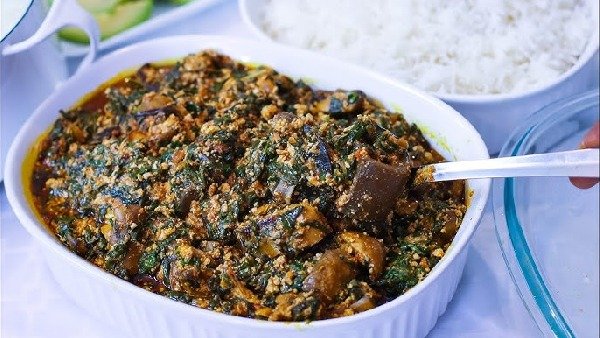
The rich scent of palm oil simmering with onions and cocoyam leaves can stop conversations in a Ghanaian household.
Before the first spoonful is served, Kontomire Stew has already announced itself through aroma alone — earthy, smoky, nutty, and deeply comforting.
Made from tender cocoyam leaves, this beloved Ghanaian dish carries a flavour that feels both bold and soothing at the same time.
The leaves soften into a velvety texture as they cook, absorbing the richness of palm oil and the distinctive taste of ground egusi, or melon seeds, often added for body and depth.
In some homes, tomatoes and peppers bring a gentle heat, while others keep the stew simple and rustic.
Kontomire Stew is one of those meals that quietly tells the story of Ghanaian cooking: ingredients drawn from the land, transformed through patience and instinct into something unforgettable.
It is commonly paired with boiled yam, plantain, rice, or even ampesi, making it versatile enough for both everyday meals and family gatherings.
For vegetarians, Kontomire Stew offers a rare combination of comfort and nourishment. Cocoyam leaves are rich in iron, fibre, and vitamins, while egusi adds protein and healthy fats.
The result is a dish that feels hearty without being heavy.
Across Ghana, recipes differ from region to region and kitchen to kitchen, but the emotional connection remains the same.
Many people remember the dish from childhood — a steaming bowl shared at the family table after school or during weekend visits to grandparents.
For international food lovers discovering West African cuisine for the first time, Kontomire Stew offers more than flavour. It offers warmth, memory, and a glimpse into the soul of Ghanaian cooking.









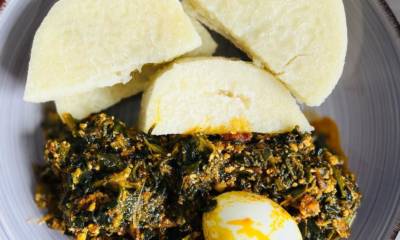

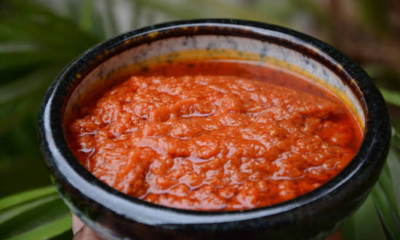

The aroma of onions sizzling in red palm oil, ripe tomatoes softening into a rich sauce, and fresh green leaves releasing their earthy fragrance is enough to make many Ghanaians anticipate a satisfying meal.
Across Ghana, Kontomire, Palawa and Okro stews bring colour, flavour and nourishment to everyday dining, turning familiar local ingredients into dishes that connect families to home and tradition.
Kontomire: Earthy, Rich and Comforting
Kontomire stew is made primarily with cocoyam leaves, tomatoes and egusi, the ground seeds of certain melon varieties.
The leaves provide an earthy, distinctive flavour, while egusi adds richness and a pleasantly nutty taste.
Tomatoes contribute a gentle tang, creating a hearty dish that pairs beautifully with boiled yam, ripe plantain or rice.
Cocoyam leaves also provide fibre and micronutrients, while egusi contributes plant-based protein and healthy fats.

From rooftop cocktails above the city to comforting Ghanaian favourites delivered to your door, this Accra neighbourhood offers plenty of ways to satisfy a good appetite.
In Airport Residential Area, a good meal can come with a view of Accra’s skyline, the aroma of freshly grilled meat or the comforting taste of a familiar Ghanaian dish after a long day.
Located close to Kotoka International Airport, this sought-after neighbourhood combines residential convenience with easy access to shopping centres, hotels and restaurants.
For residents and visitors alike, its dining scene offers an appealing reason to explore beyond the usual commute.
Dining Above the City
One of the area’s most recognisable attractions is Skybar, located in the ICON House building, widely known for its elevated views across Accra.
The experience brings together food, drinks and the spectacle of the city from above, making it an appealing choice for evening outings, social gatherings and special occasions.
Yet the neighbourhood’s food appeal extends beyond rooftop dining and international menus. Accra’s culinary character is also shaped by the everyday dishes that bring people together.
Ghanaian Comfort on the Menu
For those seeking local flavours, Ghanaian favourites offer a satisfying introduction to the country’s food culture. Jollof rice, fragrant with tomatoes, spices and peppers, remains a popular choice, while waakye combines rice and beans with accompaniments such as fish, boiled eggs, spaghetti and spicy shito.
Grilled tilapia with banku delivers smoky aromas and a satisfying contrast between tender fish and fermented corn-and-cassava dough. For something lighter, fresh fruit and vegetable dishes can provide welcome balance.
These foods carry cultural significance beyond the plate, connecting diners to family traditions, street-food vendors and the everyday rhythms of Ghanaian life.
Convenience Without Compromising Taste
When cooking feels like too much effort, food delivery services offer another way to enjoy Accra’s diverse menus, from local staples to international cuisine.
Airport Residential Area’s appeal lies in this flexibility: whether dining out or ordering in, there is room to experience Ghana through its flavours.
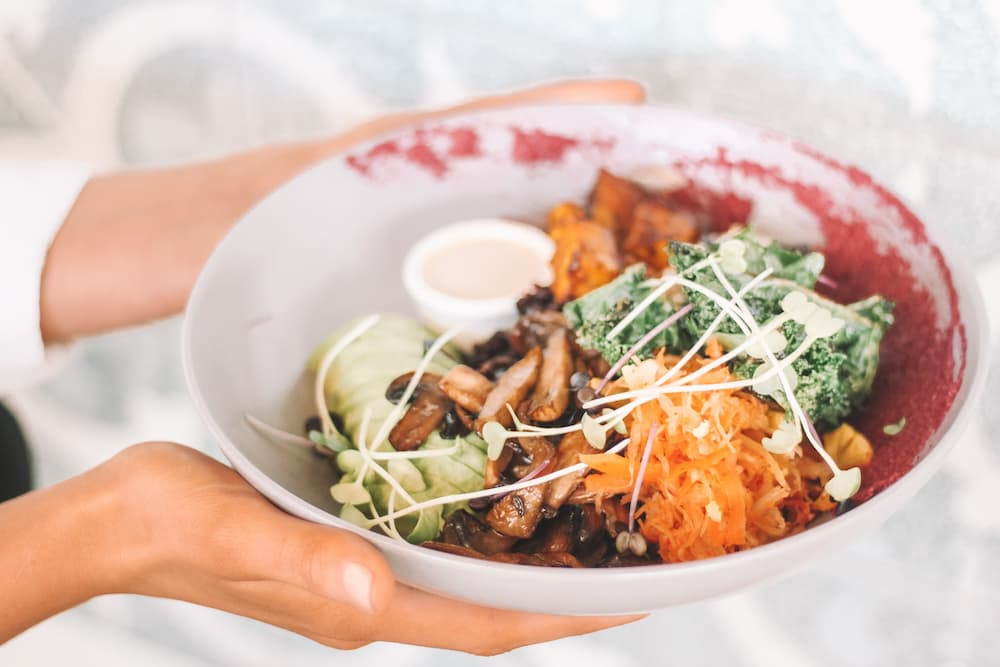
In Accra, a single day of eating can take you from the warmth of Indian spices to the delicate flavours of Chinese cuisine, with Mexican tacos or Ethiopian dishes waiting around the corner.
Ghana’s capital has developed an international dining scene that reflects its growing connections with communities and cultures from across the world.
A taste of India and China
Indian cuisine has found a lasting home in Accra, supported by longstanding ties between Ghana and India. Across the city, Indian restaurants introduce diners to aromatic curries, fragrant rice dishes, freshly baked flatbreads and spice-rich sauces.

The appeal lies in the layers of flavour, from warming ginger and cumin to the gentle heat of chilli.
Chinese cuisine also has a strong presence. Beyond familiar stir-fries and noodle dishes, adventurous diners can explore traditional Chinese breakfast foods, which may include congee, steamed buns, dumplings and savoury pancakes. These meals offer a glimpse into everyday food traditions that differ from the usual restaurant favourites.
Accra’s international offerings extend to Mexican, Spanish and Ethiopian food, giving residents and visitors opportunities to experience different culinary traditions without leaving the city.
Vegetarian dining finds its place
For vegetarians and vegans, Accra is becoming easier to navigate. Although meat features prominently in many Ghanaian meals, plant-based diners can explore vegetarian-friendly restaurants and ask about meat-free adaptations of familiar dishes.
Ghanaian cuisine itself offers plenty of possibilities, including red-red, made with beans and often served with fried plantain, as well as kontomire stew and vegetable-based soups. Ingredients and preparation methods vary, so diners following strict vegan diets should check whether dishes contain fish, meat stock or other animal products.
A city best explored through food
For international visitors, Accra’s restaurants provide a delicious introduction to the city’s global connections. For residents, they offer opportunities to discover new flavours and revisit familiar favourites.
Whether you crave a fiery curry, a comforting bowl of congee or a satisfying plant-based meal, Accra’s dining scene invites you to travel through food, one plate at a time.



-

 Arts and GH Heritage12 hours ago
Beyond the Gallery: Karp Kamina Turns Cultural Memory into Contemporary Art
-

 Sights and Sounds2 days ago
Planning a Family Day Out in Accra? Lakeside Marina Park Offers Fun for All Ages
-

 Homes & Real Estate1 day ago
Building a Home in Ghana: How Smarter Construction Choices Can Cut Costs
-

 Festivals & Events2 days ago
Ahukan Festival: Honouring Chiefs and Celebrating Akyem Heritage in Kibi
-

 Fashion & Style18 hours ago
Malian Businesswoman’s Reported $1.5 Million Gold Jewellery Stuns Wedding Guests
-

 Global Update11 hours ago
Huge Storm Kills Two in the UK as 90,000 Properties Left Without Power
-

 Ghana News11 hours ago
Ghana’s President Congratulates Brazil’s Lula on Historic Fourth Term, Vows to Champion Global South Agenda
-

 Health & Wellness11 hours ago
Four Weight-Loss Mistakes That Could Be Holding Back Your Progress