
Health & Wellness
Six Simple Biological Hacks for a Good Night’s Sleep


In the modern world, we wear our exhaustion like a badge of honor. Whether you are navigating the high-stakes corporate world of Accra or managing a remote team across different time zones, the “always-on” mentality has turned a good night’s rest into a luxury rather than a right. But what if the secret to doubling your productivity wasn’t a fifth cup of coffee, but a radical shift in how you treat your bedroom?
Improving your sleep isn’t about expensive gadgets or complex medical interventions; it is about returning to the basic biological rhythms that our ancestors understood intuitively.
The Physics of the Perfect Bedroom
The first hurdle is environmental. To truly fall into a restorative state, your brain needs a sanctuary. This means transforming your room into a “cave”: cold, dark, and quiet. In tropical climates, this is often a challenge, but aiming for a temperature between 18°C and 24°C is the “sweet spot” for core body cooling. If you can’t achieve total silence, white noise can mask the ambient sounds of a busy neighborhood, allowing your nervous system to finally drop its guard.
Resetting Your Internal Clock
Your sleep quality actually begins the moment you wake up. By stepping outside into the Ghanaian morning sun before 9 a.m., you are sending a powerful signal to your brain to stop producing melatonin and start the countdown for the following night. This 30-minute dose of light is the most effective way to anchor your circadian rhythm.
Read Also: You Finished the Fast, But Did You Finish Yourself? A Guide to Eating After Fasting
The Power of “The Stop”
The hardest part of a sleep overhaul isn’t what you do—it’s what you stop doing. To give your brain a fighting chance, you have to implement a countdown to bedtime:
- Noon: The cutoff for caffeine and high-intensity exercise.
- 3 Hours Before: Put down the laptop. Work-related stress is a primary thief of REM sleep.
- 2 Hours Before: Finish your last meal to prevent your digestive system from keeping you awake.
- 1 Hour Before: The most difficult but vital step—put the phone away. The blue light from your screen mimics the sun, tricking your brain into thinking it’s still midday.
By respecting these boundaries, you aren’t just “going to bed”—you are investing in a sharper, more vibrant version of yourself for tomorrow.



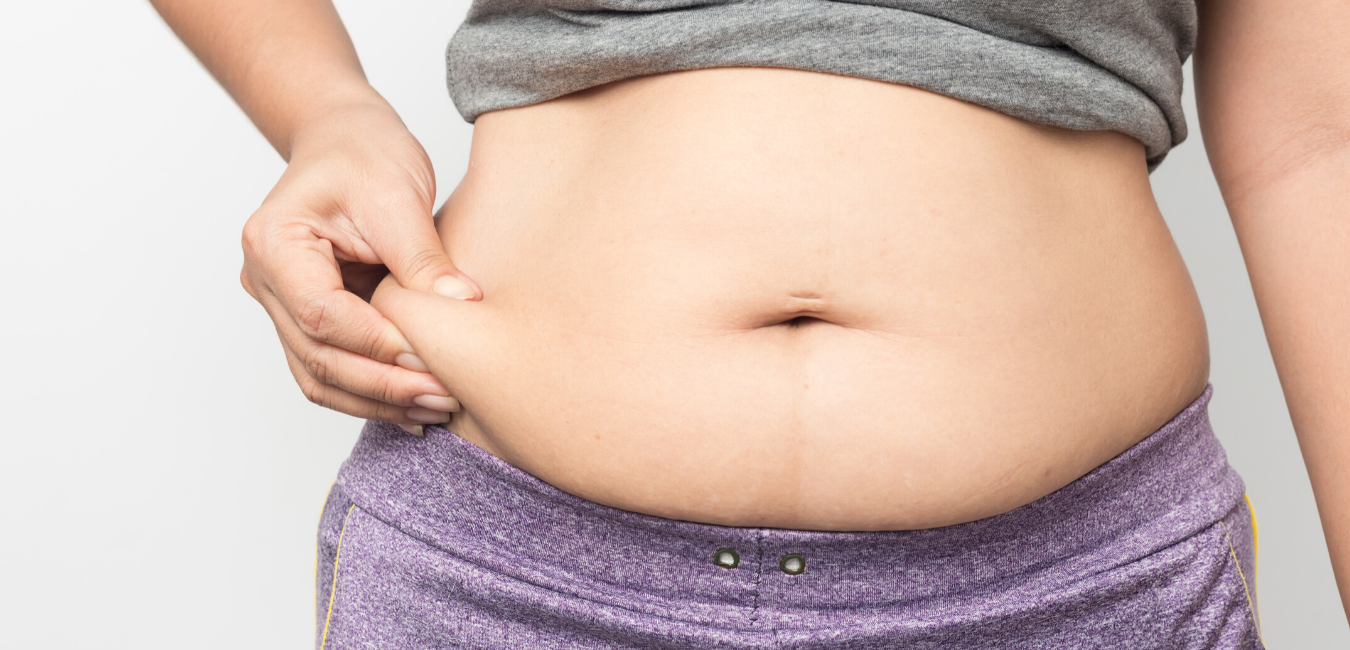
We often treat walking as the “consolation prize” of fitness. If we aren’t drenched in sweat or gasping for air on a treadmill, we feel like we haven’t really worked out.
But when it comes to visceral fat—that stubborn, deep-seated “hidden” fat wrapped around your internal organs—walking isn’t just a basic movement. It is a biological cheat code.
Visceral fat is more than a wardrobe nuisance; it’s metabolically active, sending out inflammatory signals that can mess with your health. The good news? It’s incredibly sensitive to aerobic activity. Here are four ways your daily walk acts as a targeted strike against it.
1. The Low-Intensity “Fat-Burning Zone”
While high-intensity sprints burn more total calories per minute, walking keeps you in a specific heart rate window where your body prefers to use fat as its primary fuel source rather than stored carbohydrates. Because walking is sustainable, you can stay in this “fat-burning zone” long enough to tell your body it’s safe to start tapping into those deep energy reserves—specifically the visceral stores.
2. Taming the Stress Monster (Cortisol)
High levels of the stress hormone cortisol act like a magnet for visceral fat, specifically signaling the body to store energy in the abdomen. Unlike a grueling 5-mile run, which can actually spike cortisol in an already stressed person, a brisk walk lowers it. By calming your nervous system, you’re essentially flipping the switch from “store fat” to “release fat.”
3. Improving Insulin Sensitivity
Every time you take a step, your muscles demand glucose. Walking makes your cells more “ears open” to insulin. When your insulin sensitivity improves, your body doesn’t need to overproduce the hormone to manage blood sugar. Since high insulin levels are a primary driver of belly fat storage, walking helps clear the path for your body to burn what it has already stored.
Read Also: Six Simple Biological Hacks for a Good Night’s Sleep
4. The NEAT Effect
Walking contributes to Non-Exercise Activity Thermogenesis (NEAT). Most people focus on the hour they spend at the gym, but the other 23 hours matter more for visceral fat loss. A habit of walking—to the shop, during a phone call, or after dinner—keeps your metabolic rate humming throughout the day, preventing the stagnant state that allows visceral fat to accumulate.
The Verdict
You don’t need a gym membership or expensive gear to reclaim your health. Walking is the most underrated tool in your fitness shed. It’s gentle on your joints but relentless on the fat that matters most. Start with twenty minutes, leave the phone in your pocket, and let your feet do the heavy lifting. Your organs will thank you.
Health & Wellness
You Finished the Fast, But Did You Finish Yourself? A Guide to Eating After Fasting
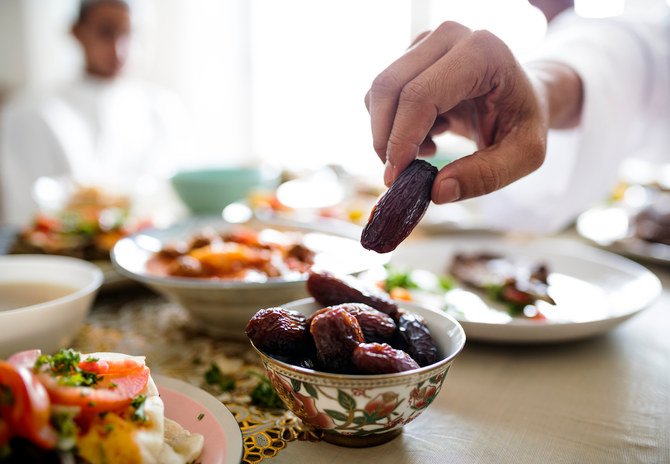
There is a rhythm to fasting in Ghana that we all know well. Whether it is for Ramadan, the Lenten season, or the growing number of people doing intermittent fasting for weight loss, we understand the struggle of the day. The thirst. The headache. The clock that moves backward.
But there is a misconception we carry that is slowly sending people to the hospital. We think the hard part is the fasting. We think victory is the sunset.
It is not.
The hard part, the dangerous part, is the breaking. And most of us are doing it wrong.
The Shock and Awe Method
Look at what happens in many homes when the fast ends. A person who has not touched water in fifteen hours walks in, grabs a sachet, and empties it in one long gulp. Then they spot the kelewele. Then the jollof. Then the fried chicken. Then the shito.
To the starving brain, this feels like a party. To the stomach, it feels like a siege.
Your digestive system has been asleep. It is lying on the couch, snoring. If you suddenly throw a bucket of cold water on it and drag it outside to run a marathon, it will collapse. That is what happens when you flood a dormant stomach with salt, oil, and heavy carbohydrates immediately.
The bloating you feel after? That is not satisfaction. That is your stomach screaming.
The Sip That Saves
If you take nothing else from this, take this: start with water, but drink it like a child. Small, small. Let it trickle down. You are not putting out a fire; you are waking up an organ. You are whispering to your kidneys, “Good evening, we are back in business.” If you gulp, you shock the system and confuse the bladder.
Then, wait ten minutes.
Do not touch the food yet. Give the water time to move. Let the stomach rub its eyes and stand up.
The Date Versus The Doughnut
When you finally eat, your body is screaming for two things: sugar and salt. But not the kind of sugar that comes from a sugary drink. Your brain needs glucose to function, but if you hit it with processed sugar, your insulin spikes so fast you will crash harder than you did during the fast.
This is why the date is sacred. Not just because of tradition, but because it is a natural sugar that comes with fiber. The fiber slows down the absorption. It tells the sugar, “Walk, don’t run.” Watermelon works too. Even popcorn—plain, not the one they sell at the cinema with butter—gives you bulk without the chaos.
Protein Is the Repair Man
Here is where we miss it. We focus on carbohydrates because we want to feel full. But your body has been running on an empty tank all day. While you were working, praying, or lying down willing the clock to move, your muscles were slowly breaking down. Tissues were degrading.
Carbohydrates give you energy. Protein repairs the damage. If you eat only banku and okro stew without the fish, you are filling the tank but not fixing the engine. You need the fish, the egg, the meat. Not as a small topping, but as a main character on the plate.
The Salt Trap
Now, let us talk about the real enemy: the seasoning cube.
When you have not eaten all day, your blood pressure is often lower than normal. The moment you take in a lot of salt—from overly spiced stews, from fried plantain drenched in oil, from waakye with all the shito—your body absorbs that sodium at lightning speed because there is nothing else in the system to slow it down.
Water rushes to dilute the salt, but if you haven’t sipped enough water, you end up with hypertension spikes. You end up dizzy. You end up in the casualty ward wondering why your “reward meal” turned into an ambulance ride.
Know Thyself Before Thy Neighbor
One last thing. Do not copy your friend.
I know people who do three days dry fast and walk around like lions. Good for them. You are not them. If you are diabetic, if you are pregnant, if you have ulcers, fasting is not a flex. It is a medical decision. The ancestors are not calling you home because you refused to eat. They are calling you home because you refused to listen to your body.
Breaking a fast is not about filling the stomach. It is about convincing the body that the famine is over, gently. Do it slow. Do it smart. And send this to your group chat before somebody faints.
There is a misconception floating around in the wellness space that eating for your hormones requires a trek to a specialty grocery store and a second mortgage to afford the haul. We are often sold the idea that optimal health comes in a powder or a rare Amazonian berry that must be imported at great expense.
But if you look at the science—really look at it—the most powerful medicines for the female body are often the most humble. They are the things our grandmothers had in their kitchens, the fruits that fall from trees in our courtyards, and the spices that sit in our cabinets waiting for a stew.
The magic lies not in rarity, but in the synergy between what we eat and how our hormones communicate. Here is a look at five everyday foods that do the heavy lifting of balancing a woman’s system, from clearing the mental fog to flattening the belly.
The Avocado: The Architect of Hormones
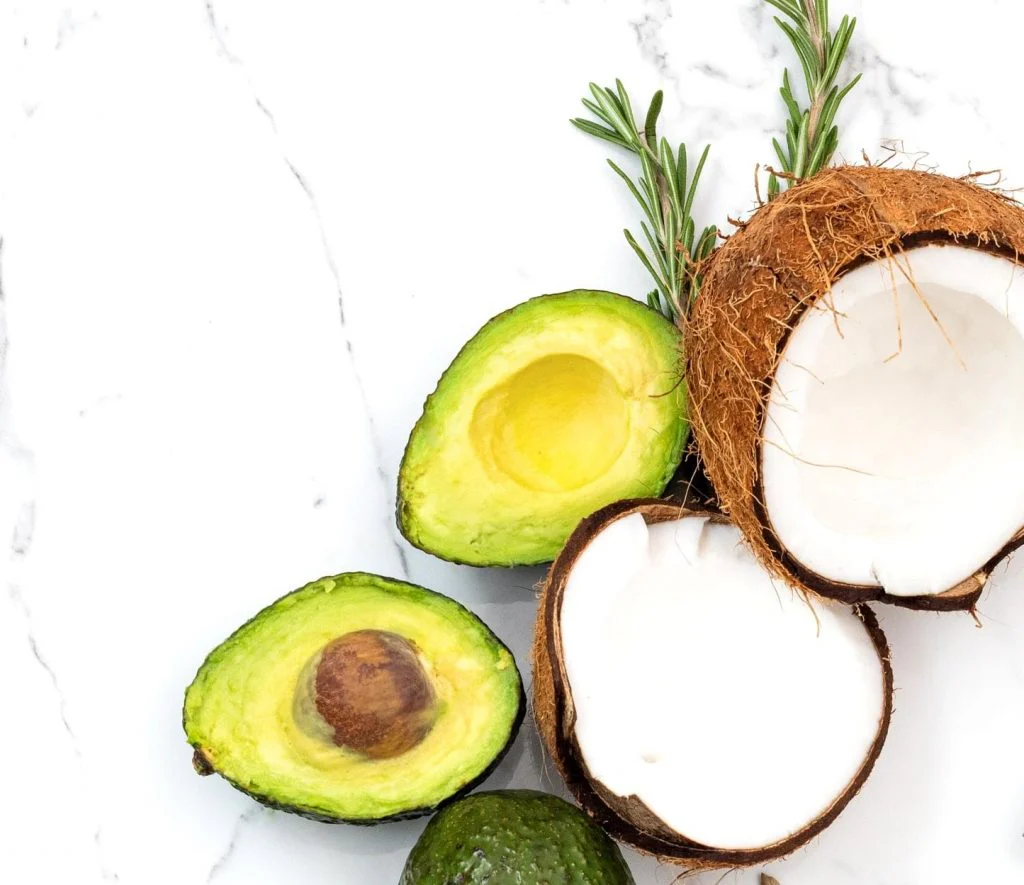
We often eat avocados for the creamy texture and the healthy fat profile, but we rarely credit them for what they actually do inside the body. They are not just a food; they are a building block. For women, hormonal balance starts with fat. Your estrogen, progesterone, and testosterone are all synthesized from cholesterol and lipids. By eating avocados, you are literally handing your body the raw materials to build a stable hormonal environment.
But there is a secondary benefit here that most dietitians skip: the gut lining. Avocados coat the intestinal tract. When the gut wall is soothed and lubricated, waste moves through smoothly instead of getting stuck and fermenting. A clean gut means old estrogen is excreted rather than reabsorbed into the bloodstream. A flatter stomach isn’t just about vanity; it is a sign that your internal waste disposal system is working, preventing the bloating that comes from undigested food sitting too long.
Turmeric: The Invisible Cycle Regulator
In Ghana, we know turmeric (or hwenetia in some local dialects) as a powerful stain—it turns everything yellow. But internally, it is working to clean a different kind of stain: oxidative stress. For women dealing with PCOS or irregular cycles, the body is often in a state of chronic inflammation. It is like a low-grade fire burning in the background, disrupting the delicate rhythm of the pituitary gland and the ovaries.
Turmeric acts as a cooling agent. It doesn’t just mask the symptoms; it addresses the heat (inflammation) that causes the cycle to become erratic. Whether you are dealing with flooding or spotting, turmeric helps to reset the terrain of the body, allowing the hormones to flow without inflammatory interference.
Guava and Blueberries: The Brain-Glow Axis
We are often told to eat fruits for immunity, but the distinction between guava and berries is worth noting. Guava is the unsung hero of the tropics. It contains several times the Vitamin C of an orange, which is necessary for collagen production. If you want the “glow” that expensive serums promise, you need Vitamin C to build the scaffolding of your skin.
However, for the modern woman who spends her afternoons battling mental fatigue, the blueberry (or any deep-colored berry) is the anchor. The anthocyanins that make the berry blue cross the blood-brain barrier and help clear out the proteins that contribute to brain fog. It is the difference between looking good (guava) and feeling sharp (berries).
Chia Seeds: The Estrogen Mop
This is perhaps the most critical food for women dealing with estrogen dominance—a condition where there is too much estrogen floating around relative to progesterone. This often shows up as tender breasts before your period, heavy bleeding, and a tendency to hold weight around the hips.
Chia seeds, when they hit liquid, form a gel. In the digestive tract, that gel acts like a sponge. It binds to the excess estrogen that the liver has processed and escorts it out of the body through the stool. Without this fiber, that old estrogen can be reabsorbed into the bloodstream, continuing the cycle of imbalance. If you struggle with constipation, you are likely recycling bad hormones. Chia seeds break that cycle.
Tender Coconut Water: The De-Puffer
Finally, we have the simplest hydrator on the planet. Tender coconut water is nature’s answer to electrolyte drinks, but without the sugar spike. For women, it addresses a specific pain point: puffiness. That swollen feeling around the eyes in the morning or the bloating that comes before a period is often a sign of electrolyte imbalance and water retention.
The high potassium content in coconut water balances the sodium in our diets, telling the body that it is safe to release the stored water. It also has a mild diuretic effect that eases the vascular pressure, which is why women with high blood pressure often see a dip when they drink it regularly. It helps ease the cramps and the irritability by keeping the muscles hydrated and the minerals balanced.
You don’t need a cabinet full of supplements. You need to look at the ground beneath your feet. These five foods are not exotic; they are essential. They work not by shocking the system, but by gently reminding it how to function the way it was designed to.


Experience the Rare Texture of Apapransa the Celebratory Roasted Corn Delicacy

The Festival of Truth: Why Techiman’s 2026 Apoɔ is the Ultimate Cultural Reset

Khaby Lame is the world’s most followed TikToker: the story of a Senegalese‑born star who sold his identity
-

 Ghana News2 days ago
Helicopter Crash at Tema School Park Kills 2, Security Service Recruitment to be Expanded to 40,000 and Other Trending Issues Today (March 16, 2026)
-

 Ghana News2 days ago
Newspaper Headlines Today: Monday, March 16, 2026
-

 Ghana News1 day ago
Ghana Announces Emergency One-Way Evacuation for Citizens in Qatar Amid Heightened Security Concerns
-

 Ghana News2 days ago
Healthcare for All: President Launches Policy to End Financial Barriers at Facilities Across Ghana
-

 Global Update1 day ago
Influential Foreign Policy Group Sends Direct Message to Trump Warning of Global Risks From His Actions in Iran
-

 Africa Watch1 day ago
France Returns Sacred ‘Talking Drum’ Looted During Colonial Rule to Ivory Coast
-

 Ghana News15 hours ago
Newspaper Headlines Today: Tuesday, March 17, 2026
-

 Business2 days ago
25 Sittings, Zero Answers: Ghana’s Parliamentary Slow Motion Costing Ghana and Atlantic Lithium Billions