
Health & Wellness
5 Daily Superfoods Every Woman Needs for Hormonal Harmony

There is a misconception floating around in the wellness space that eating for your hormones requires a trek to a specialty grocery store and a second mortgage to afford the haul. We are often sold the idea that optimal health comes in a powder or a rare Amazonian berry that must be imported at great expense.
But if you look at the science—really look at it—the most powerful medicines for the female body are often the most humble. They are the things our grandmothers had in their kitchens, the fruits that fall from trees in our courtyards, and the spices that sit in our cabinets waiting for a stew.
The magic lies not in rarity, but in the synergy between what we eat and how our hormones communicate. Here is a look at five everyday foods that do the heavy lifting of balancing a woman’s system, from clearing the mental fog to flattening the belly.
The Avocado: The Architect of Hormones
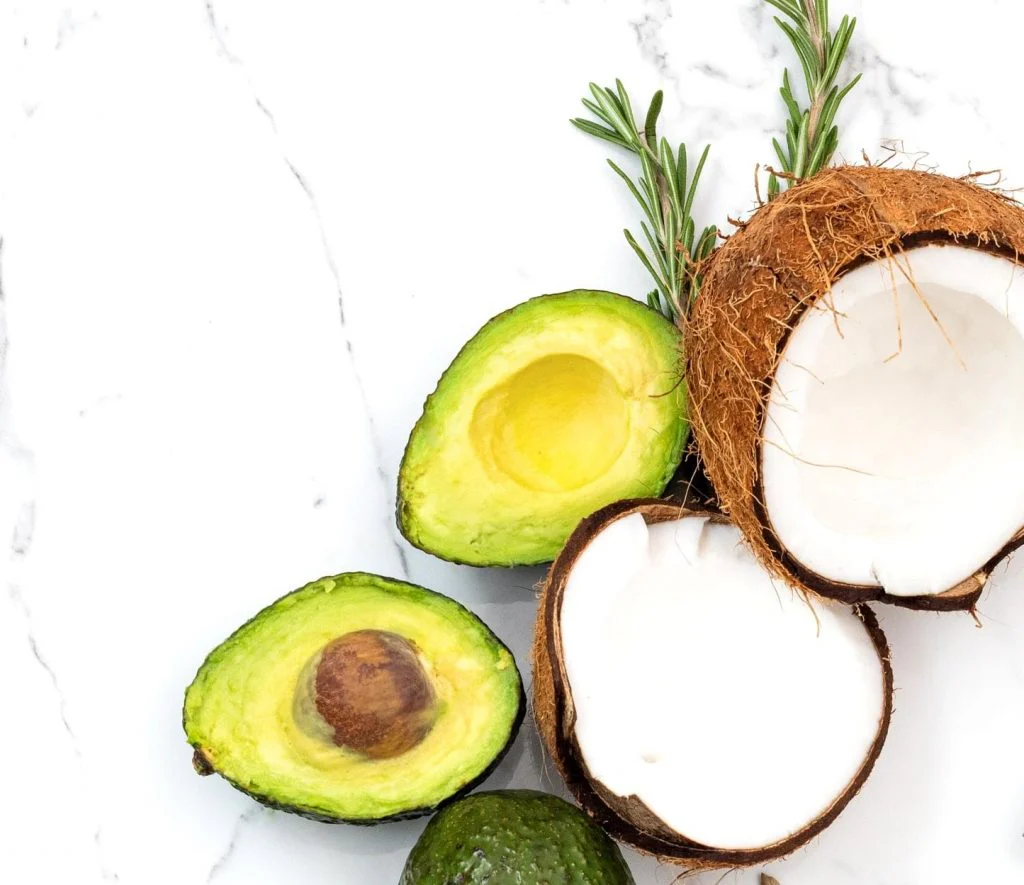
We often eat avocados for the creamy texture and the healthy fat profile, but we rarely credit them for what they actually do inside the body. They are not just a food; they are a building block. For women, hormonal balance starts with fat. Your estrogen, progesterone, and testosterone are all synthesized from cholesterol and lipids. By eating avocados, you are literally handing your body the raw materials to build a stable hormonal environment.
But there is a secondary benefit here that most dietitians skip: the gut lining. Avocados coat the intestinal tract. When the gut wall is soothed and lubricated, waste moves through smoothly instead of getting stuck and fermenting. A clean gut means old estrogen is excreted rather than reabsorbed into the bloodstream. A flatter stomach isn’t just about vanity; it is a sign that your internal waste disposal system is working, preventing the bloating that comes from undigested food sitting too long.
Turmeric: The Invisible Cycle Regulator
In Ghana, we know turmeric (or hwenetia in some local dialects) as a powerful stain—it turns everything yellow. But internally, it is working to clean a different kind of stain: oxidative stress. For women dealing with PCOS or irregular cycles, the body is often in a state of chronic inflammation. It is like a low-grade fire burning in the background, disrupting the delicate rhythm of the pituitary gland and the ovaries.
Turmeric acts as a cooling agent. It doesn’t just mask the symptoms; it addresses the heat (inflammation) that causes the cycle to become erratic. Whether you are dealing with flooding or spotting, turmeric helps to reset the terrain of the body, allowing the hormones to flow without inflammatory interference.
Guava and Blueberries: The Brain-Glow Axis
We are often told to eat fruits for immunity, but the distinction between guava and berries is worth noting. Guava is the unsung hero of the tropics. It contains several times the Vitamin C of an orange, which is necessary for collagen production. If you want the “glow” that expensive serums promise, you need Vitamin C to build the scaffolding of your skin.
However, for the modern woman who spends her afternoons battling mental fatigue, the blueberry (or any deep-colored berry) is the anchor. The anthocyanins that make the berry blue cross the blood-brain barrier and help clear out the proteins that contribute to brain fog. It is the difference between looking good (guava) and feeling sharp (berries).
Chia Seeds: The Estrogen Mop
This is perhaps the most critical food for women dealing with estrogen dominance—a condition where there is too much estrogen floating around relative to progesterone. This often shows up as tender breasts before your period, heavy bleeding, and a tendency to hold weight around the hips.
Chia seeds, when they hit liquid, form a gel. In the digestive tract, that gel acts like a sponge. It binds to the excess estrogen that the liver has processed and escorts it out of the body through the stool. Without this fiber, that old estrogen can be reabsorbed into the bloodstream, continuing the cycle of imbalance. If you struggle with constipation, you are likely recycling bad hormones. Chia seeds break that cycle.
Tender Coconut Water: The De-Puffer
Finally, we have the simplest hydrator on the planet. Tender coconut water is nature’s answer to electrolyte drinks, but without the sugar spike. For women, it addresses a specific pain point: puffiness. That swollen feeling around the eyes in the morning or the bloating that comes before a period is often a sign of electrolyte imbalance and water retention.
The high potassium content in coconut water balances the sodium in our diets, telling the body that it is safe to release the stored water. It also has a mild diuretic effect that eases the vascular pressure, which is why women with high blood pressure often see a dip when they drink it regularly. It helps ease the cramps and the irritability by keeping the muscles hydrated and the minerals balanced.
You don’t need a cabinet full of supplements. You need to look at the ground beneath your feet. These five foods are not exotic; they are essential. They work not by shocking the system, but by gently reminding it how to function the way it was designed to.











The person who loses the most weight is not always the person who loses the most fat. That surprising distinction could change how you approach your next weight-loss journey.
When the number on the bathroom scale refuses to drop quickly, your workouts may be working better than you think.
Why Strength Training Changes the Picture
A study described in the research behind this debate compared people following a calorie-restricted diet while doing resistance training, cardio or dieting alone. Its reported findings suggest that people who lifted weights lost more fat while preserving, and sometimes gaining, lean mass.
The reason is important. Your body weight includes fat, muscle, water and other tissues. When you lose weight through dieting alone, some of that loss can come from muscle.
Cardio can support fat loss and improve heart health, but without resistance exercise, preserving muscle may be more difficult during a calorie deficit.
Strength training gives your body a reason to retain muscle while using stored fat for energy. Because muscle contributes to your shape, strength and everyday function, the results may show up in your waist measurement, clothing fit and physical ability before the scale tells the full story.
Making It Work in Everyday Life
You do not need an expensive gym membership to begin. Squats, wall push-ups, resistance bands and lifting household weights can provide a starting point.
Gradually increase the challenge as your strength improves, and include protein-rich foods such as eggs, beans, fish and yoghurt to support muscle maintenance.
Walking, cycling and other cardio activities remain valuable, too. Combining them with strength training and a sustainable eating pattern can support both fat loss and overall health.
The lesson is not to abandon your bathroom scale, but to stop treating it as the only judge of progress.
Measure your waist, notice how your clothes fit and celebrate getting stronger. Lasting progress is about improving your body composition, not simply becoming lighter.
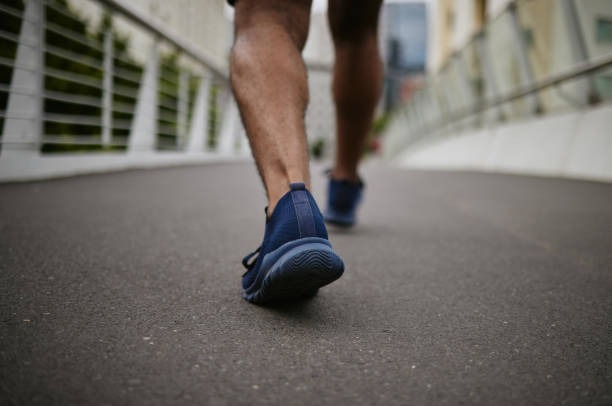
Walking is often treated as the workout you do when you have no time for the gym.
But that daily stroll to the bus stop, a lunchtime walk or an evening lap around your neighbourhood could be doing far more for your health than you realise.
What Happens When You Walk?
Your body begins responding almost immediately. Working muscles draw glucose from the bloodstream for energy, helping regulate blood sugar.
Regular movement can also lift your mood, ease stress and support better sleep.
Walking benefits more than your muscles. Physical activity supports immune function and brain health, while consistent exercise can help maintain memory and thinking skills as you age.

These benefits build over time, making a regular walking habit valuable even when each individual walk feels unremarkable.
For people who spend long hours sitting at a desk, driving or working from home, walking offers a practical way to interrupt sedentary routines.
In Ghana, it might mean taking a brisk walk before work, getting off public transport a stop earlier where safe, or moving around the neighbourhood after dinner.
Can Walking Help Reduce Belly Fat?
Walking can contribute to weight management, including reductions in abdominal fat, but results vary.
Changes depend on factors such as pace, consistency, diet, sleep and individual health. It is not a guaranteed way to lose a specific amount of fat without changing eating habits.
Over time, regular walking can improve cardiovascular fitness and help lower the risk of conditions such as type 2 diabetes and heart disease.
Start Small and Keep Going
A useful goal for many adults is around 6,000 to 7,000 steps a day, adjusted to personal ability. Alternatively, aim for about 30 minutes of brisk walking and gradually build towards 50 minutes on most days.
You do not need to begin with a perfect routine. Start where you are, choose a safe route and keep showing up.
The real power of walking is not one long session; it is the many small journeys that become part of your life.

Losing weight does not have to mean turning your life upside down overnight. In fact, one of the smartest approaches may be to reverse the process that caused the weight gain in the first place: gradually, one habit at a time.
Small Habits, Lasting Change
Weight gain often happens quietly. A little less walking, an extra snack after work, larger portions at dinner or sugary drinks becoming a daily routine can add up over months and years.

Because these changes accumulate gradually, expecting the weight to disappear in a few weeks can set people up for frustration.
A more sustainable approach is to make manageable adjustments and repeat them consistently.
Someone in Accra who usually takes a taxi for short journeys might walk part of the way. Another person could swap a sugary drink for water more often, reduce oversized portions or add vegetables and protein to meals.
None of these changes seems dramatic on its own. Together, however, they can help create the consistent habits that support weight management.
Progress Beyond the Scale
Slow weight loss is not simply about eating less. Preserving muscle, staying active and getting enough sleep all matter.
Strength training, regular walking and balanced meals can support health while someone works towards a weight goal.
Crash diets and punishing exercise routines may promise rapid results, but they can be difficult to maintain.
Restrictive eating may also leave people tired, hungry and more likely to return to old habits. A gradual approach gives them time to discover routines that fit their work, family responsibilities, budget and food culture.
Make Change Repeatable
The goal is not perfection every day. It is building a pattern that can survive busy weeks, celebrations and occasional setbacks.
Weight gained little by little rarely needs to be addressed through an overnight transformation.
Focus on the next healthy choice, then repeat it tomorrow. Lasting progress often comes from ordinary decisions made consistently, not dramatic promises made on Monday.


Velukusi Festival: Re-enacting the Ewe Escape to Freedom in Ve-Deme

Dressing for Your Shape: How Strategic Styling Can Transform Everyday Fashion

The Scale Can Lie: Why Lifting Weights May Help You Lose More Fat
-

 Ghana News21 hours ago
OBITUARY: Gamal Gorkeh Nkrumah, Son of Ghana’s Founding President, Dies in Cairo
-

 Festivals & Events2 days ago
LALID LIVE 2026: An Evening of Entertainment and Connection in Accra
-

 Festivals & Events19 hours ago
MaddFest 2027: Welcome the New Year with a Night of Celebration in Accra
-

 Sights and Sounds1 day ago
EPP BookShop at Legon: A Destination for Students, Families and Book Lovers
-
 Health & Wellness23 hours ago
Walking Is More Than Exercise: Small Steps That Can Transform Your Health
-

 Taste GH2 days ago
From Waakye to Fufu: How to Enjoy Ghanaian Food and Eat Well
-

 Homes & Real Estate1 day ago
Building Smarter in Ghana: Could Plastic Rebar Clips Improve Construction Efficiency?
-

 Arts and GH Heritage1 day ago
Inside Togo’s Abandoned Colonial Building, African Artists Reclaim Cultural Memory