
Business
How Ghana is Working to Cushion the Blow of a Global Fuel Crisis as Prices Head for GH¢17

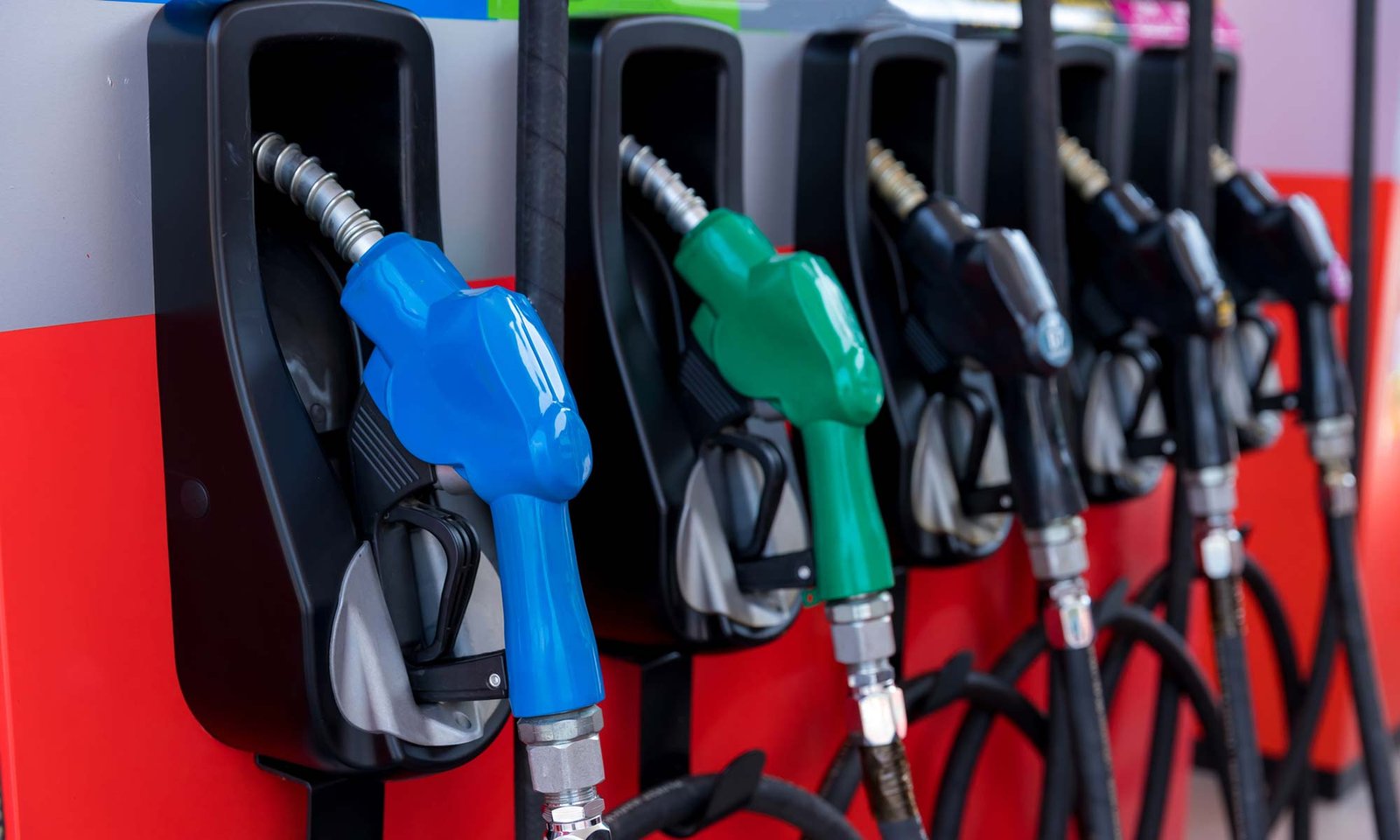
As geopolitical shockwaves from the escalating conflict between U.S. and Israel on one hand and Iran on the other rattle global energy markets, Ghana is confronting a stark reality: the price of fuel could soon surge to an unprecedented GH¢17 per liter.
From February 16, a liter of fuel has been selling at GH¢11.97 at the pumps.
The stark GH¢17-per-liter warning comes from the CEO of the Chamber of Oil Marketing Companies (COMAC), Dr. Riverson Oppong, who paints a worrying picture of the economic contagion spreading from the Middle East.
In an interview with Joy Business, he stated that if the crisis does not de-escalate rapidly, global crude oil prices could rocket to between $110 and $120 per barrel, with direct and severe consequences for fuel-importing nations like Ghana.
“If by Wednesday things have not come down…we are going to hit around 110 to 120 [dollars per barrel],” Dr. Oppong cautioned. “If you are picking the trading price… for the oil marketing companies… we should hit above 15 cedis, between 15 to 17 cedis.”
This potential price spike is not a local anomaly but a symptom of a global energy shock. The conflict has heightened fears of disruptions at strategic chokepoints like the Strait of Hormuz, through which a fifth of the world’s oil passes. Dr. Oppong noted that the impact is already being felt internationally, with the United Kingdom, for instance, recording some of its highest-ever pump prices.
“This is a global issue,” he stated. “Ghana did not play any role in this particular fight or war. But we are here as a net importer of energy, and therefore we must suffer the consequences.”
A Multi-Pronged Strategy to Shield Ghanaians
Faced with this external shock, the Ghanaian government and regulatory bodies are mobilizing a coordinated response to cushion the economy and protect consumers from the full force of the price surge. The strategy focuses on immediate relief, market stabilization, and long-term resilience.
1. Immediate Fiscal Interventions: Discussions are actively underway between the National Petroleum Authority (NPA) and industry players like COMAC to review the pump price structure. A key proposal on the table is the suspension or removal of the GH¢1 fuel levy, a move that would provide instant, albeit partial, relief to consumers by reducing the tax burden on every liter sold.
2. Protecting the Currency: The Bank of Ghana is playing a critical role in this defense. As international oil prices are dollar-denominated, a stable cedi is the first line of defense against imported inflation. By working to minimize exchange rate volatility, the central bank aims to prevent the local cost of fuel from spiraling even higher than the global crude price increases would dictate.
3. Market Regulation and Stability: In a proactive step to manage the turbulent market, the NPA has introduced a price floor for petroleum products. This measure is designed to prevent predatory pricing and ensure a degree of market order during a period of high volatility and uncertainty, protecting both consumers and smaller marketers from erratic swings.
The Long View: Reviving TOR for Energy Independence
While immediate measures focus on managing the crisis, the situation has reignited a crucial national conversation about Ghana’s long-term energy vulnerability. The country’s heavy reliance on imported, refined petroleum products leaves it dangerously exposed to international shocks.
Against this backdrop, calls are growing louder for the strategic revitalization of the Tema Oil Refinery (TOR) . Increasing domestic processing capacity is seen as the most effective path to reducing dependency on volatile global markets for refined products. A functioning TOR would allow Ghana to import cheaper crude oil and refine it locally, insulating the economy from some of the price volatility inherent in the global refined fuel trade.
An Economy on Edge
The stakes could not be higher. Fuel is the lifeblood of the Ghanaian economy; a surge to GH¢17 per liter would send ripple effects through every sector. Transportation fares would inevitably rise, food prices would increase, and manufacturing and logistics costs would climb, putting immense pressure on households and businesses. Such an outcome would also severely complicate the Bank of Ghana’s efforts to tame inflation and maintain the fragile macroeconomic stability achieved in recent months.
For now, Ghana is in a holding pattern, its economy bracing for impact. The coming days will be critical. As Dr. Oppong urged, this is not a time for political point-scoring, but for coordinated policy action. The trajectory of fuel prices in Ghana now depends less on local factors and almost entirely on the unpredictable winds of war blowing through the Middle East.









Business
Top 20 Profitable Business Ideas in Ghana for 2026 – High-Growth Opportunities for Entrepreneurs


Ghana’s economy continues to show resilience and diversification, creating fertile ground for both local and foreign entrepreneurs.
With a growing middle class, rapid urbanization, increasing digital adoption, and government support for SMEs and export-oriented ventures, several sectors are delivering strong returns in 2026.
Business advisory firm HE Consulting has released an updated ranking of the 20 most profitable and realistic business ideas currently viable in Ghana, based on market demand, startup capital requirements, scalability, and current economic trends.
The list reflects opportunities across agriculture, technology, services, retail, and renewable energy.
Top 10 Highlights from the 2026 Ranking
- Poultry Farming (Broilers & Layers)
Still the most consistent high-margin agribusiness due to steady demand for eggs and chicken. Modern semi-automated setups with 5,000–10,000 birds can generate strong monthly profits. - Commercial Maize & Rice Farming + Aggregation
Rising food prices and government import-substitution policies make large-scale grain farming + off-taker contracts one of the safest bets for serious capital. - E-commerce & Last-Mile Logistics
Online retail continues to explode. Businesses offering same-day delivery in Accra, Kumasi, and Takoradi or niche vertical marketplaces are seeing 100–300% YoY growth. - Solar Energy Solutions (Off-grid & Mini-grids)
High electricity tariffs and frequent outages drive demand for solar home systems, commercial rooftop installations, and mini-grid projects in rural areas. - Mobile Money & Fintech Services
Agent banking, digital lending, insurance micro-products, and cross-border remittances remain among the fastest-growing sub-sectors. - Real-Estate Development & Property Management
Demand for affordable housing, student accommodation, and mid-range gated communities in peri-urban areas continues to outstrip supply. - Cold Chain & Agro-Processing
Mango, pineapple, cashew, shea butter, and tomato processing plants with export certification can access premium international markets. - Private Security Services
Corporate, residential, and event security demand remains extremely high due to urban growth and limited public policing capacity. - Pharmacy & Healthcare Retail Chains
Rapid expansion of mini-clinics, diagnostic labs, and branded pharmacy outlets in secondary cities. - Waste Management & Recycling
Plastic collection, e-waste processing, and organic composting businesses benefit from both ESG investor interest and new local government contracts.
Additional Strong Performers (11–20)
- Borehole drilling & water supply services
- Event planning & outdoor catering
- Fashion retail & second-hand clothing export
- Ride-hailing & car rental fleets
- Digital marketing & social media management agencies
- Beauty & cosmetics manufacturing/distribution
- Fitness centres & gym chains
- Courier & intra-city delivery services
- Daycare & early childhood education centres
- Commercial cleaning services for offices & estates
Key Takeaways for Investors & Entrepreneurs
- Low-to-medium capital ideas (₵50,000–₵300,000) still dominate the top ranks: poultry, retail pharmacy, event planning, cleaning services, and digital agencies.
- High-capital plays (₵1–10 million+) — solar mini-grids, agro-processing plants, real estate, and large-scale grain farming — offer the largest long-term upside but require strong partnerships and regulatory navigation.
- Export-oriented agriculture and value-added processing continue to benefit from AfCFTA access and Ghanaians in the diaspora.
- Digital-first businesses (e-commerce, fintech, digital marketing) enjoy the fastest customer acquisition and lowest physical overhead.
HE Consulting advises new entrants to conduct thorough market validation, secure reliable off-takers or distribution channels early, and prioritize compliance with Ghana Investment Promotion Centre (GIPC) and sector-specific regulations.
The full “Top 20 Profitable Business Ideas in Ghana – 2026 Edition” report is available on the HE Consulting website.
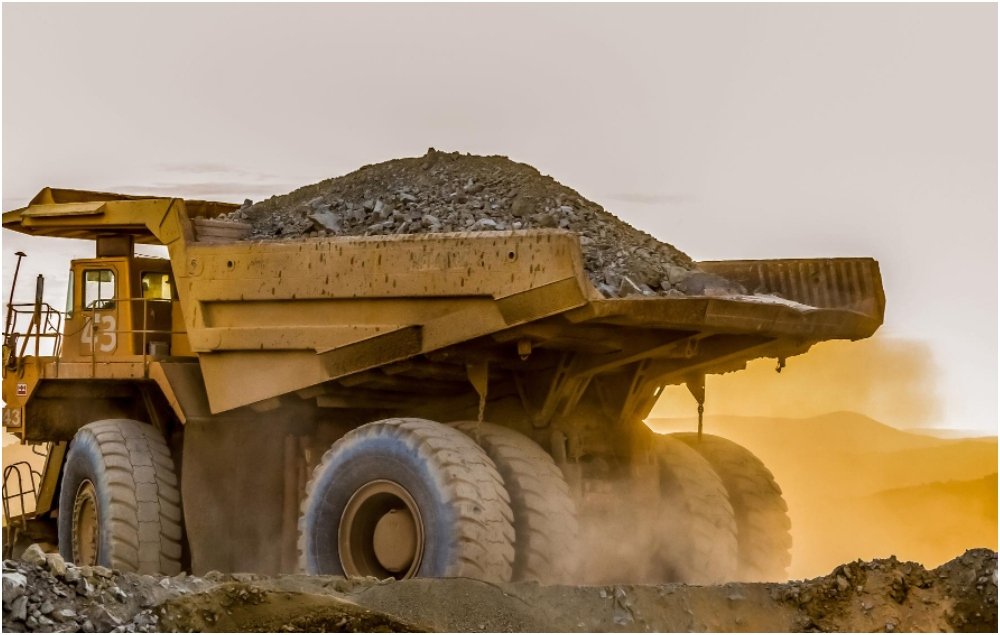
Accra, Ghana – A consortium of Ghanaian pension funds, managed by IC Asset Managers (Ghana) Ltd, has committed up to $11 million to Atlantic Lithium, marking a landmark step toward greater local ownership in what is poised to become Ghana’s first commercial lithium mine.
The investment forms part of a larger $16.4 million funding package secured by the company to advance the Ewoyaa Lithium Project in the Central Region toward construction and production.
The Ghanaian funds will acquire shares immediately valued at approximately $5 million, with an additional $6 million potentially available through milestone-linked warrants tied to key project achievements.
These milestones include parliamentary ratification of the mining lease, a final investment decision, and the start of construction. The structure aligns investor returns with project progress and reduces risk exposure.
Atlantic Lithium CEO Keith Muller described the deal as a strong vote of confidence in both the project and Ghana’s critical-minerals future.
“We are delighted to welcome a number of Ghanaian pension funds to the Company’s share register,” a Joy News report quotes him. “The interest of the Ghanaian investors in Atlantic Lithium reflects a broader desire in Ghana to see the country deliver upon its critical mineral promises and diversify its revenue stream beyond its existing portfolio, which is centred on gold.”
Obed Tawiah Odenteh, Chief Investment Officer of IC Asset Managers, highlighted the strategic importance of the move.
“Historically, mining has not featured prominently in our portfolios. However, the global transition toward green energy, coupled with Ghana’s discovery of lithium, presents a unique opportunity to participate in a strategic asset that could have a lasting impact on the country’s industrial future,” he stated.
The remaining $5.4 million of the package will come from a separate share placement with Long State Investments Ltd.
Ewoyaa is one of the most advanced hard-rock lithium projects in West Africa and is seen as central to Ghana’s ambition to enter the global battery-minerals supply chain. Domestic participation is viewed as a way to retain more economic value in-country, create skilled jobs, drive technology transfer, and support downstream industrial growth.
The investment is expected to be executed partly through the Ghana Stock Exchange, enabling broader Ghanaian retail and institutional participation in the project.
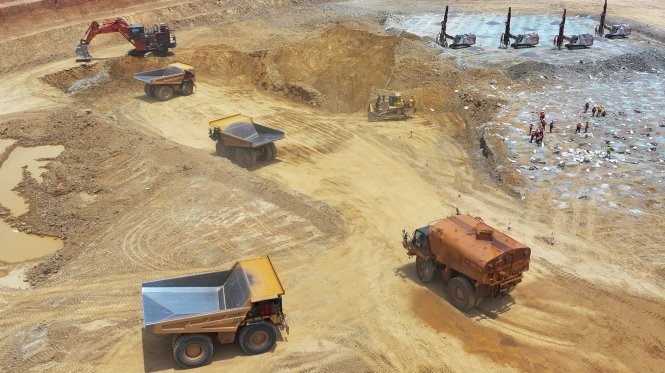
Accra, Ghana – For the first time in more than a century, a wholly Ghanaian-owned company stands on the verge of assuming full operational control of a major large-scale gold mine, potentially marking the most significant shift toward domestic ownership in the country’s modern mining history.
Engineers and Planners (E&P) Company Limited, a leading indigenous mining services firm, is actively positioning itself to acquire and operate the Damang Mine in the Western Region — an asset that has produced over four million ounces of gold during its lifetime under South African multinational Gold Fields Limited.
Gold Fields’ 30-year mining lease for Damang expired in 2025. The government granted a one-year extension to ensure continuity while transition arrangements were finalized. The company has since confirmed it will formally hand over the mine to the state on April 18, 2026.
Documents reviewed by industry sources reveal that E&P’s pursuit of Damang began years earlier, rooted in its long-standing role as a major mining contractor at the site. Having operated extensively within the complex, E&P developed deep familiarity with the mine’s geology, equipment, workforce and operational systems — giving it a unique technical edge over potential external bidders.
Key milestones in the timeline include:
- September 2023: Gold Fields issued a Notice of Demobilisation to E&P, signaling the wind-down of active pit mining by December 2023 and a shift to processing stockpiles until lease expiry.
- September 25, 2023: E&P formally wrote to Gold Fields requesting the opportunity to purchase the Damang Mine — a bold move to transition from contractor to owner-operator.
- March 12, 2024: The Ministry of Lands and Natural Resources issued a “no objection” letter allowing E&P and Gold Fields to negotiate, subject to eventual government approval.
- December 8, 2025: Minister Emmanuel Armah-Kofi Buah confirmed government awareness of the proposed acquisition and agreed to include E&P in the mine’s transition team.
- January 26, 2026: E&P reiterated its call for final negotiations, noting no response had yet been received from Gold Fields despite earlier discussions.
Industry observers describe the development as potentially historic. Since large-scale commercial gold mining began in Ghana over 100 years ago, major producing assets have remained overwhelmingly under foreign control. If E&P succeeds, it would become the first indigenous firm in the modern era to take full operational charge of a Tier-1 gold mine.
Analysts say the transition could serve as a powerful precedent, encouraging other Ghanaian entrepreneurs and companies to move beyond support services into full mine ownership. It would also signal growing confidence in local technical and managerial capacity within one of Africa’s most important gold-producing nations.
However, the process remains subject to final government approval and completion of commercial negotiations. With the April 18, 2026 handover date approaching, stakeholders are watching closely to see whether Ghana can translate decades of mining experience into genuine domestic ownership of a flagship asset.


Ghana to Table Landmark UN Resolution on Slave Trade in September

New Video Captures Victims Piloting Microlight Before Fatal Crash, Dormaahene Breaks Down in Tears and Other Trending Issues Today (March 19, 2026)

Newspaper Headlines Today: Thursday, March 19, 2026
-
 Ghana News1 day ago
Newspaper Headlines Today: Wednesday, March 18, 2026
-

 Ghana News1 day ago
UK Engages Ghana on Counterterrorism and Maritime Security
-

 Taste GH2 days ago
Experience the Rare Texture of Apapransa the Celebratory Roasted Corn Delicacy
-

 Ghana News1 day ago
Two Scrap Dealers Lynched, Video of Mahama’s Reaction After Atta Mills’ Death Resurfaces and Other Trending Issues Today (March 18, 2026)
-

 Health & Wellness1 day ago
Three Amazing things that Happen When You Introduce Vegetables to Your Diet
-

 Festivals & Events1 day ago
The Whispering Rocks of Tengzug: Invoking the Rain at the 2026 Gologo Festival
-
 Ghana News1 day ago
Germany Hands Over Four Operational Shelters to Ghana Immigration Service at Aflao Border
-
 Business2 days ago
Ghanaian Pension Funds Commit $11m to Atlantic Lithium’s Ewoyaa Project